Apple just made a massive and, to some people, even shocking move. With the latest product launches from the beginning of March, the company also officially discontinued 15 devices. Although this doesn't mean your current phone or tablet will stop working tomorrow, there's a hidden countdown that has officially begun.
Basically, every time that Apple stops selling a device, it enters a five-year window. At the end of that window, the device hits what's known as "vintage" status. So, if you own one of these devices – which include 2025's iPhone 16e and the MacBook Pro with M5 and 512 GB of storage – here's what you need to know to protect your wallet.
List of discontinued Apple devices
Here's the list of all the devices Apple has recently discontinued:
iPhone 16e with A18 (2025)
11- and 13-inch iPad Air M3 (2025)
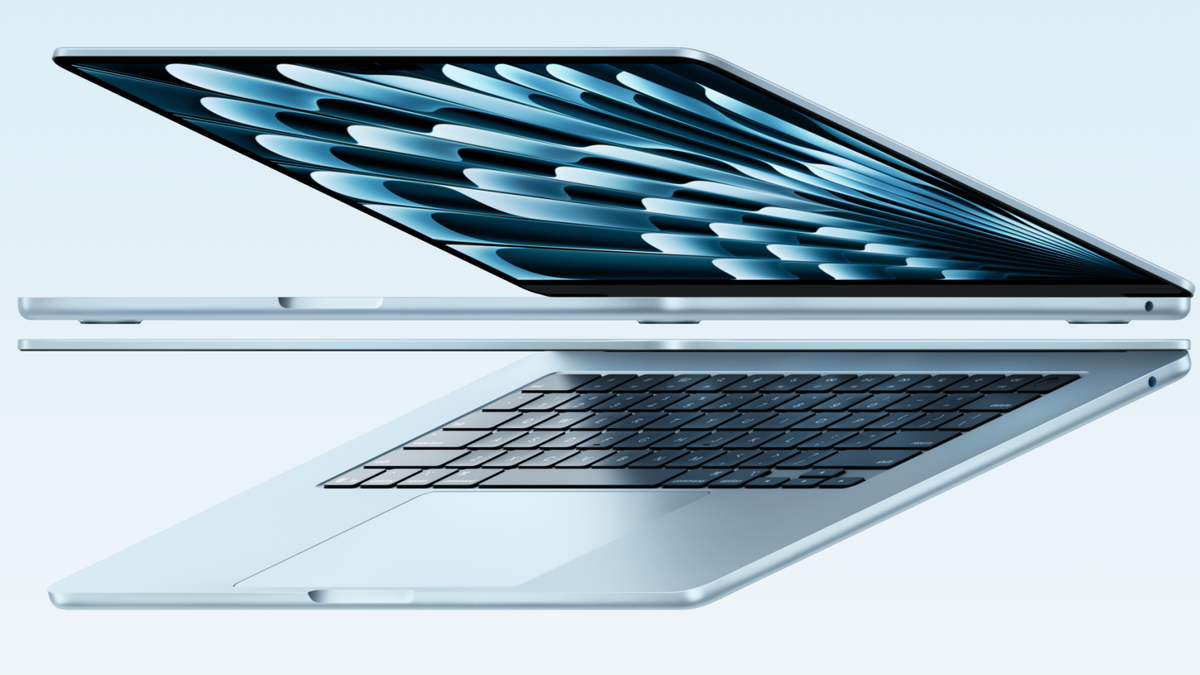
13- and 15-inch MacBook Air M4 (2025)
13-inch MacBook Pro M5 and 512GB storage (2025)
Mac Studio M3 Ultra and 512GB memory (2025)
14- and 16-inch MacBook Pro M4 Pro (2024)
14- and 16-inch MacBook Pro M4 Max (2024)
Studio Display with A13 Bionic (2022)
Pro Display XDR VESA Mount Adapter (2019)
Pro Stand for Pro Display XDR (2019)
Pro Display XDR (2019)
As you can see, there are five devices released in 2025, which means they're almost brand new, we have two MacBooks from 2024 and a few older devices.
Recommended For You
Trading in sooner rather than later
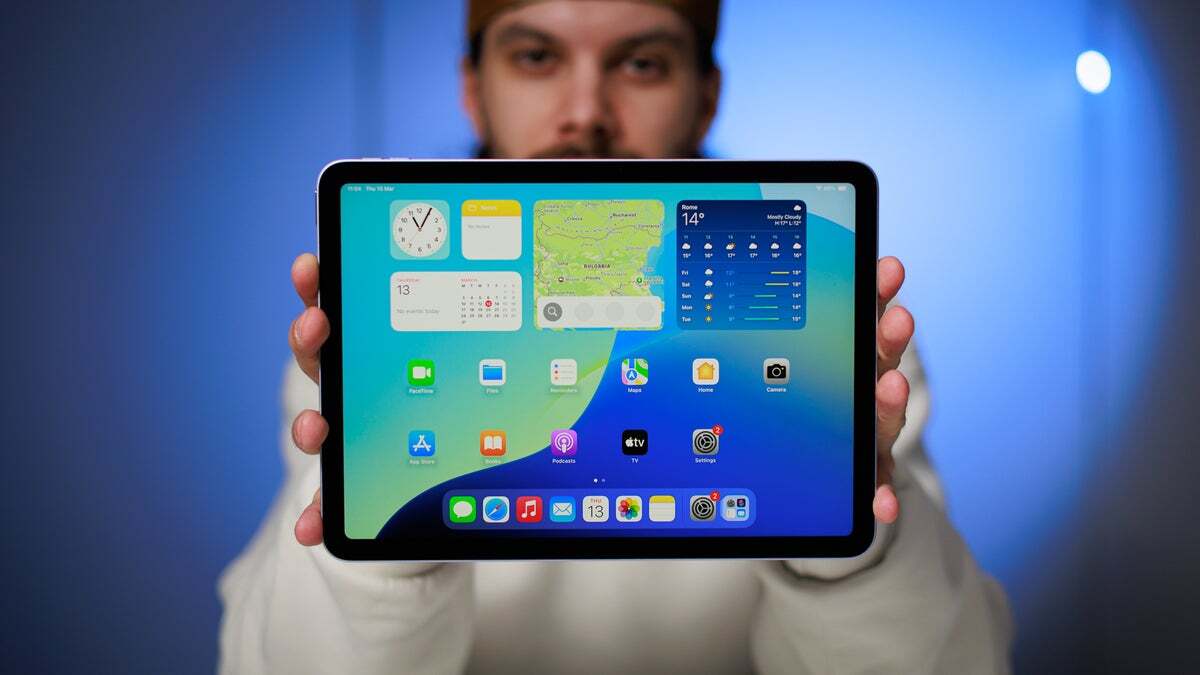
The iPad Air M3. | Image by PhoneArena
If you can trade in a device from the above list, especially the ones from 2025 or 2024, the best course of action would be to try that route. Tech moves fast, and resale value moves even faster. Currently, third-party retailers and carriers would still offer decent money for some of these.
The thing is, once a device is discontinued, its market value starts to go down. Retailers and other trade-in entities know that software support would eventually end. If you choose to wait for a year or two, you may see that the amount of trade-in value you can get may decline by 20% or even 30%.
Trading in now would allow you to take advantage of the "peak" value toward a brand-new model.
Consider that different retailers or carriers have different offers for trading in and getting a new model. Check the quote they give you carefully to find the best offer. Often, carriers offer trade-in discounts from your monthly bill.
What to do if you aren't ready to let go of your iPhone 16e or iPad Air M3 just yet
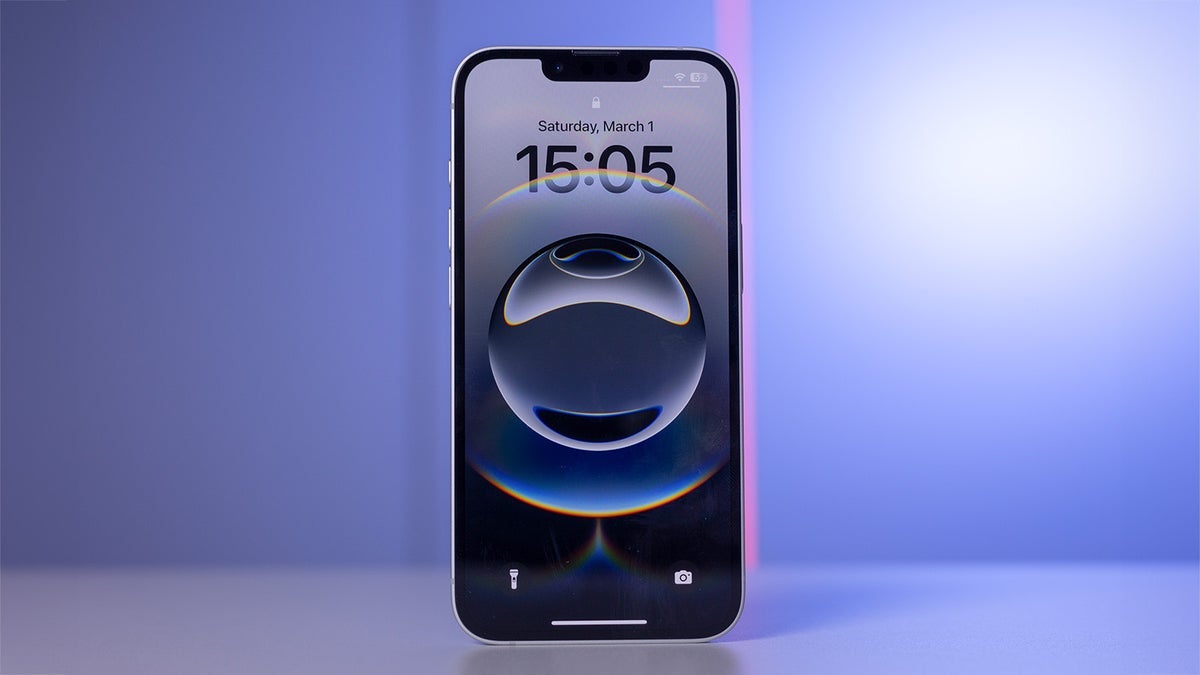
iPhone 16e. | Image by PhoneArena
Maybe you just got your iPhone 16e or iPad Air M3, and you're not willing to upgrade again or trade it in right now. That is perfectly fine. You can still get a lot of life out of it, but it's good to keep some things in mind.
First, consider a battery replacement before the device enters into a "vintage" state. Battery cells get worn out and charge/discharge cycles, and they deteriorate over time. Before the device is listed as "vintage" you should be able to take advantage of a battery replacement, as parts would still be common. And a fresh battery can make an older phone feel like a new one.
Secondly, protect your device. That's probably obvious, but getting a high-quality case and screen protector for your phone or iPad could do a lot. Eventually, official Apple repairs will become harder to find, so preventing physical damage would be your best defense against headaches.
What happens when a device becomes "Vintage"?
Apple officially considers a product "vintage" when it hasn't been sold for more than five years but less than seven.
Once your device gets to this category, there are several things that change:
Apple no longer guarantees that parts will be available for repairs. If, for example, Apple runs out of screens or other components for replacement, more won't be ordered.
Software end-of-life. Usually, vintage devices stop receiving big iOS updates. Sometimes, Apple continues seeding security fixes for older iPhones, iPads, and devices, but you won't be able to enjoy new features.
Third-party resale value gets low. Retail stores may stop accepting vintage devices for trade-in altogether.
The specs side: these devices are still pretty much new
MacBook Air M4. | Image by Apple
It definitely may feel strange to talk about a "countdown" for the iPhone 16e or the M3 iPad Air. After all, these devices were brand new just last year. In fact, the 512 GB MacBook Pro with the M5 chip was on shelves for... well, about six months, give or take.
So, don't panic. You haven't bought a useless device.
Basically, the iPhone 16e comes with the modern A18 chip. The M3, M4, and M5 chips are still powerful and fast. Even though Apple may not be selling these devices, we're talking about new chips powerful enough to run the latest iOS, iPadOS, or macOS for years to come. You'll be getting the same features as the newest models for a long time.
Also, these devices were sold recently, so most of them may still be under their original one-year warranty or covered by AppleCare+. Basically, you have time to get repair parts for these models for years.
At the end of the day, this isn't really a death sentence for your device. You basically have a clear five-year window to decide if you want to stick with the device until it hits the "vintage" status or if you would like to cash in on a higher trade-in value. Whenever you choose, the best thing you can do is to stay informed and keep your device protected. Your wallet will thank you later.
Trade in your old phone for cash at ecoATM!
Recycle your used phone and get instant cash. Find out how at ecoATM!
Iskra Petrova is a news writer at PhoneArena, where she covers mobile tech news and maintains the site’s device hubs with the latest leaked specs, rumors, and official details for upcoming phones. She joined PhoneArena in 2020 after three years in technical support for Microsoft Exchange, giving her practical experience with software infrastructure and troubleshooting. Iskra holds a Master’s Degree in Literature, which helps her translate complex tech details into clear, reader-friendly coverage. She is a daily Apple ecosystem user, while also closely following Sony Xperia’s camera-focused phones and Samsung’s Galaxy Z Flip series.
A discussion is a place, where people can voice their opinion, no matter if it
is positive, neutral or negative. However, when posting, one must stay true to the topic, and not just share some
random thoughts, which are not directly related to the matter.
Things that are NOT allowed:
Off-topic talk - you must stick to the subject of discussion
Offensive, hate speech - if you want to say something, say it politely
Spam/Advertisements - these posts are deleted
Multiple accounts - one person can have only one account
Impersonations and offensive nicknames - these accounts get banned
To help keep our community safe and free from spam, we apply temporary limits to newly created accounts:
New accounts created within the last 24 hours may experience restrictions on how frequently they can
post or comment.
These limits are in place as a precaution and will automatically lift.
Moderation is done by humans. We try to be as objective as possible and moderate with zero bias. If you think a
post should be moderated - please, report it.
Have a question about the rules or why you have been moderated/limited/banned? Please,
contact us.







Things that are NOT allowed:
To help keep our community safe and free from spam, we apply temporary limits to newly created accounts: