The iPhone 17 Pro Max is heading to the Moon, and NASA almost didn't let it
Clearing a consumer phone for spaceflight is harder than you'd think.
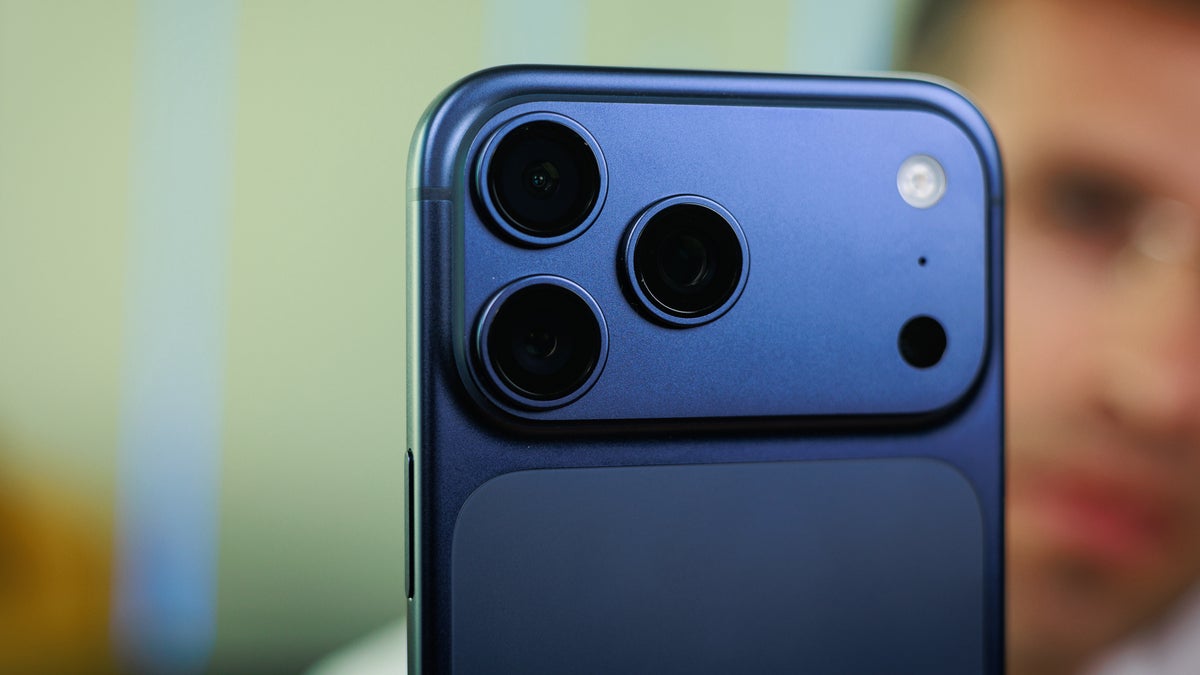
iPhone 17 Pro Max. | Image by PhoneArena
The same phone you're probably scrolling on right now is on its way to the Moon. Four iPhone 17 Pro Max units are aboard the Artemis II spacecraft, and how they got NASA's green light is a pretty wild story.
A new report from the New York Times (subscription required) details the four-phase qualification process NASA put the iPhone 17 Pro Max through before it could ride along:
For a phone you can buy at your local Apple Store, that's a pretty intense vetting process. Apple confirmed this is the first time an iPhone has fully qualified for extended use beyond Earth orbit, though the company wasn't directly involved in making it happen.
These $1,199 phones can't connect to the internet or use Bluetooth, which makes them the world's most expensive point-and-shoot cameras. Each of the four astronauts got one to capture photos and videos throughout the mission, and at least one was zipped into a leg pocket on a flight suit before launch.
The crew also packed GoPro Hero 11 cameras and Nikon D5 bodies for more traditional photography. But there's something personal about astronauts documenting a trip to the Moon with the same device billions of people use to photograph their lunch.
Broken glass floating around a sealed capsule in microgravity is the kind of thing that keeps NASA engineers up at night. The iPhone 17 Pro Max features Ceramic Shield 2 on the front and Ceramic Shield on the back, and Apple calls it the toughest smartphone glass ever made. Our own experience at PhoneArena lines up with that claim: we put our review units through the wringer and Ceramic Shield 2 held up impressively against daily wear and tear.
If it can clear NASA's safety standards, your kitchen counter drops are probably fine. The phone's aluminum body and vapor chamber cooling were also on NASA's hazard list, since hardware behaves completely differently without gravity.
I've been glued to Artemis II coverage because, space nerd that I am, few things get me going like watching humans push deeper into the solar system. Having both of my worlds collide like this is a thrill. The fact that astronauts are capturing the lunar surface through the same camera lens many use to take photos of their morning coffee makes space feel more accessible than ever.
And let's face it, this is the best PR Apple could ask for without spending a dime. No marketing campaign, no partnership. Just NASA independently deciding that the iPhone 17 Pro Max was tough enough to fly to the Moon. I can't wait to see what those cameras bring back.
How NASA cleared the iPhone 17 Pro Max for spaceflight
A new report from the New York Times (subscription required) details the four-phase qualification process NASA put the iPhone 17 Pro Max through before it could ride along:
- Phase one brings the hardware before a safety panel.
- Phase two flags every potential hazard, from moving parts to glass that could shatter.
- Phase three maps out how to deal with those hazards.
- Phase four proves the fixes actually hold up.
For a phone you can buy at your local Apple Store, that's a pretty intense vetting process. Apple confirmed this is the first time an iPhone has fully qualified for extended use beyond Earth orbit, though the company wasn't directly involved in making it happen.
What the iPhones can actually do up there
These $1,199 phones can't connect to the internet or use Bluetooth, which makes them the world's most expensive point-and-shoot cameras. Each of the four astronauts got one to capture photos and videos throughout the mission, and at least one was zipped into a leg pocket on a flight suit before launch.
New iPhones are being packed into the suits of the Artemis II Crew!
— Owen Sparks (@OwenSparks) April 1, 2026
There is something very familiar about the iPhone look that will make the Moon feel accessible, we are literally going to see the lunar surface through the same lens we use to capture our own lives every day. pic.twitter.com/sDDM5NSRMX
Ceramic Shield 2 just passed its toughest test yet
Broken glass floating around a sealed capsule in microgravity is the kind of thing that keeps NASA engineers up at night. The iPhone 17 Pro Max features Ceramic Shield 2 on the front and Ceramic Shield on the back, and Apple calls it the toughest smartphone glass ever made. Our own experience at PhoneArena lines up with that claim: we put our review units through the wringer and Ceramic Shield 2 held up impressively against daily wear and tear.
Would knowing a phone survived NASA's safety testing influence your next purchase?
44 Votes
Absolutely, that's the ultimate durability flex
38.64%
Cool story, but I care more about daily performance
15.91%
I just want a phone that survives my pocket
6.82%
NASA's standards don't apply to my life at all
27.27%
I'd rather see how it handles a toddler first
11.36%
The best Apple ad that Apple never made
I've been glued to Artemis II coverage because, space nerd that I am, few things get me going like watching humans push deeper into the solar system. Having both of my worlds collide like this is a thrill. The fact that astronauts are capturing the lunar surface through the same camera lens many use to take photos of their morning coffee makes space feel more accessible than ever.


Popular stories
Latest News

Things that are NOT allowed:
To help keep our community safe and free from spam, we apply temporary limits to newly created accounts: