A week ago, Samsung showcased its first creaseless display at CES 2026. According to a new report, this new type of foldable display will be used in the upcoming Galaxy Z Fold 8, making it the first Galaxy foldable without a crease. Despite earlier rumors, however, Apple’s first foldable iPhone will rely on a structurally different solution.
Galaxy Z Fold 8 gets the CES 2026 panel
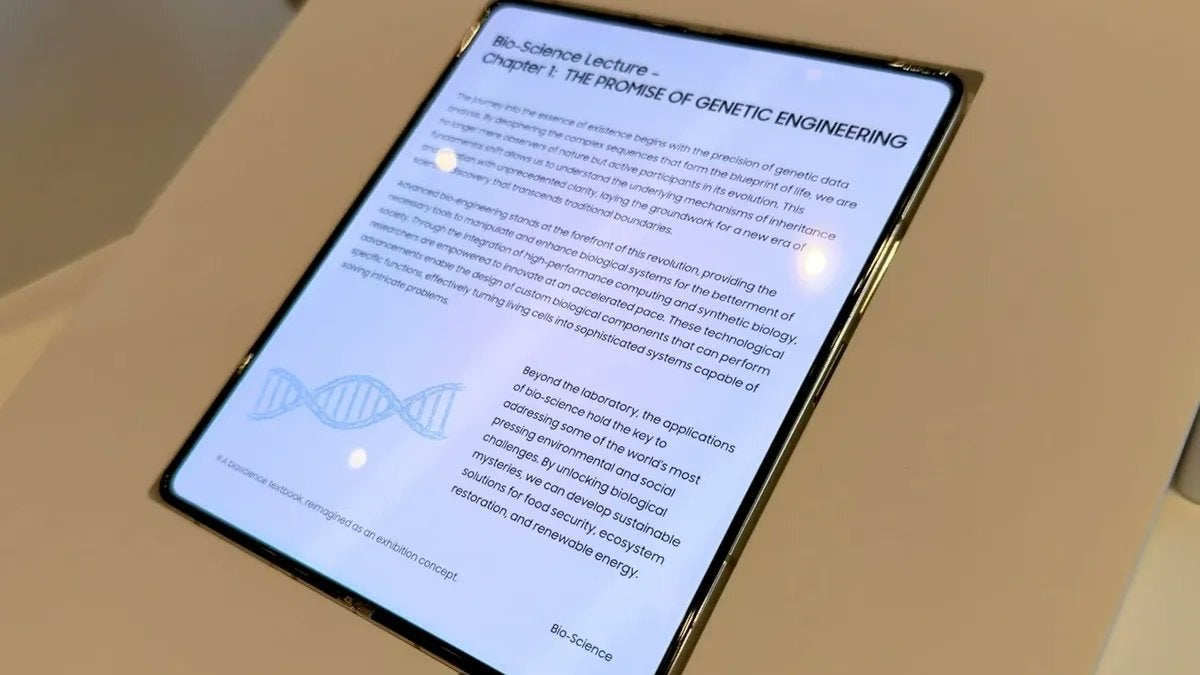
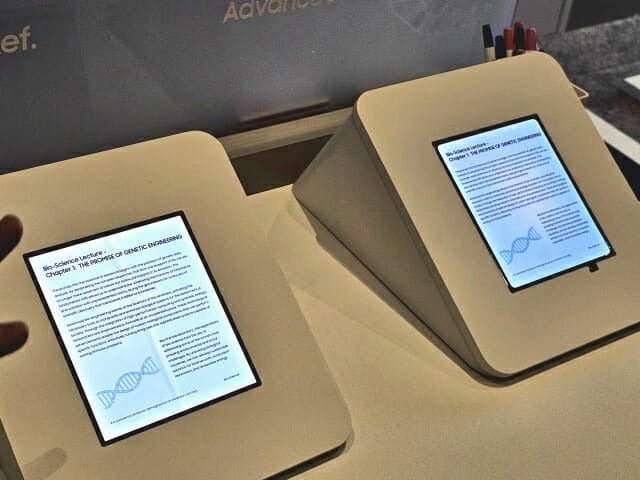
Crease-less Galaxy Z Fold on the right compared to the Galaxy Z Fold 5 on the left. | Image credit – ZDNet Korea
According to ZDNet Korea, the crease-less OLED panel demonstrated by Samsung Display at CES 2026 is confirmed for the Galaxy Z Fold 8.
Earlier, we were led to believe that Apple would use the same panel for its first foldable phone, but that now seems rather unlikely. The latest rumors say that Apple and Samsung’s mobile divisions have chosen different materials to reinforce their foldable displays.
Same OLED, different structural support
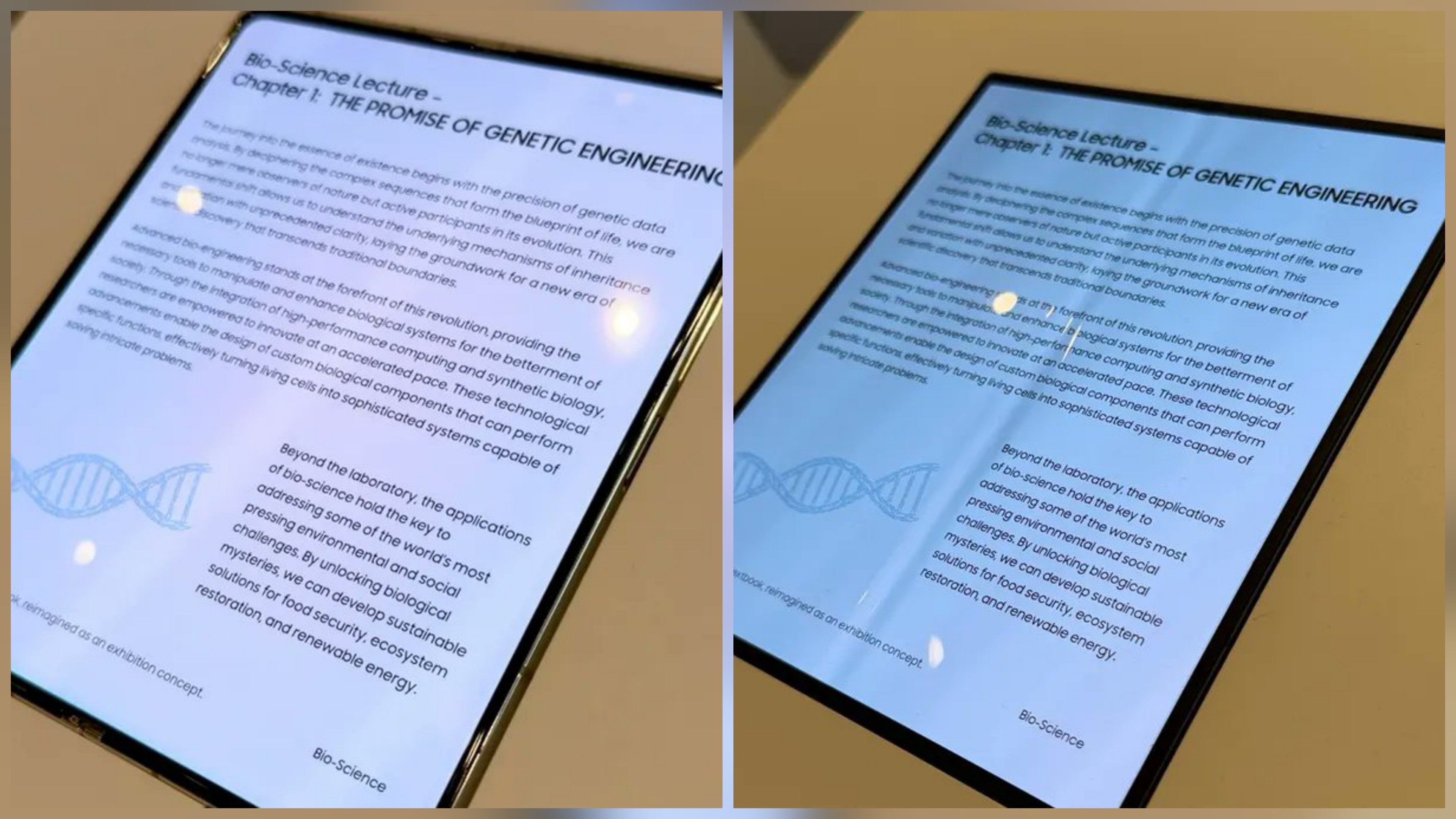
The difference is even more visible when viewed from a sharper side angle. | Image credit – UniverseIce
While the OLED layer itself is said to be identical between the Galaxy Z Fold 8 and the upcoming foldable iPhone, the two companies are reinforcing it in different ways.
Samsung has replaced the traditional PET support layer with a metal reinforcing plate, improving rigidity and durability. Apple, on the other hand, is said to be using glass as its supporting material.
How important is a truly crease-less display to you on a foldable phone?
2903 Votes
Dealbreaker, I won’t buy without it
29.73%
Very important, but not everything
27.08%
Nice bonus, not essential
33.62%
I don’t notice creases anyway
9.58%
Modern foldable OLED panels consist of several layers, including a polyimide substrate, backplate, OLED layer, touch sensor, and ultra-thin glass.
Recommended For You
Samsung Display has also modified the optical clear adhesive (OCA) layer between components. The new formulation is less stiff, allowing better cushioning during folding. This helps prevent wrinkles from forming, which is a major contributor to visible creases on foldable phones.
Why structural support matters in foldable displays
Foldable OLED panels rely on multiple layers working together to handle thousands of folds without cracking, wrinkling, or leaving a visible crease.
Most foldable displays use a plastic support layer, which is what helps them be flexible. The issue is that this layer also deforms over time, which is one of the main reasons creases become more visible as time passes.
Samsung Display’s newer approach replaces that plastic support with a thin metal reinforcing plate. Metal is less likely to permanently deform, helping the display return to its original shape after each fold. This improves the display's durability and makes the crease less noticeable even after using the phone.
Apple is reportedly taking a different route, though. Instead of metal, it is said to be using glass as the structural support material. Glass can distribute pressure more evenly across the panel, but it also requires tighter tolerances and more complex engineering to remain flexible.
The most fierce competition in the foldable world this year
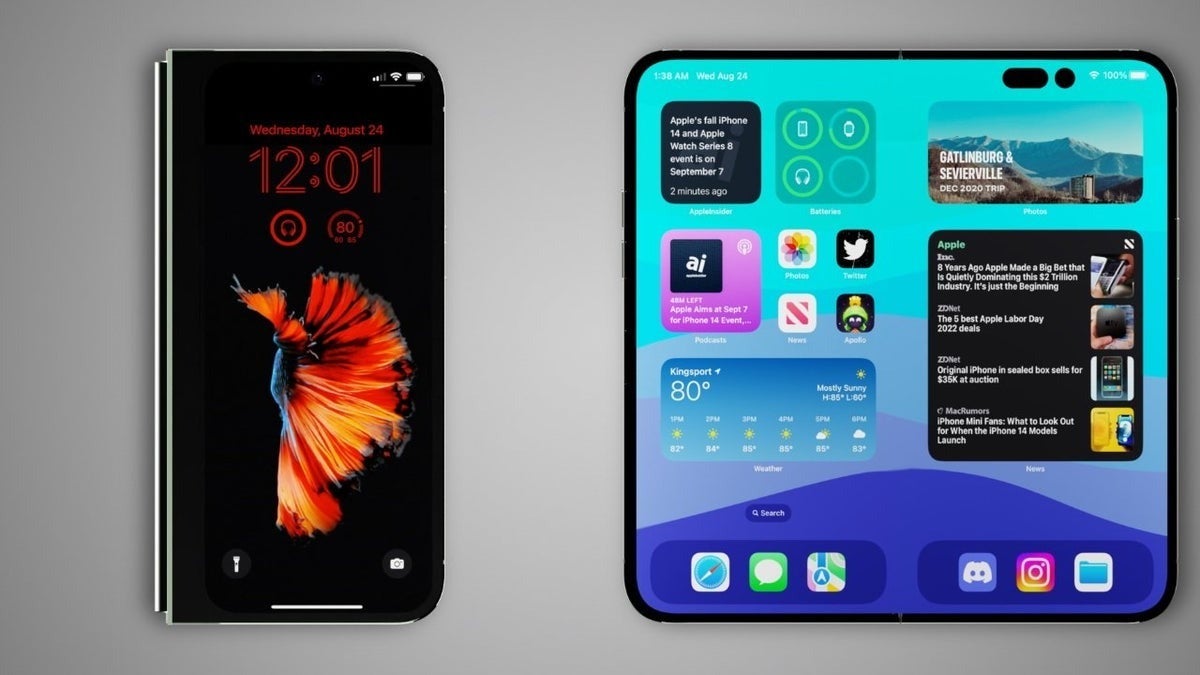
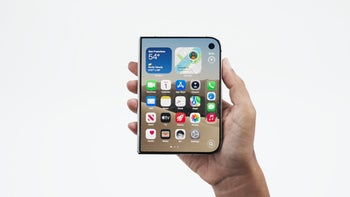
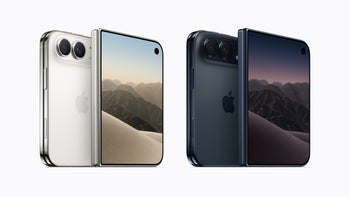
A visual concept of the upcoming foldable iPhone. | Image credit – AppleInsider.
It would be interesting to see if there are any visible differences in the crease and sturdiness between Apple's foldable and Samsung's Galaxy Z Fold 8 once both are out.
While both foldables are said to launch in the second half of 2026, Samsung will most likely beat Apple to the finish line. The Galaxy Z Fold 8 is expected to launch sometime in July, while Apple will probably launch its foldable iPhone sometime in September.
Free Galaxy A17 5G with Straight Talk
Get a free Galaxy A17 with Straight Talk. To claim this deal, you need to pair the phone with activation on a Silver Unlimited Plan or higher. This tier costs $45 per month. Offer valid through 01/10/27 while supplies last online.
Aleksandar is a tech enthusiast with a broad range of interests, from smartphones to space exploration. His curiosity extends to hands-on DIY experiments with his gadgets, and he enjoys switching between different brands to experience the latest innovations. Prior to joining PhoneArena, Aleksandar worked on the Google Art Project, digitizing valuable artworks and gaining diverse perspectives on technology. When he's not immersed in tech, Aleksandar is an outdoorsman who enjoys mountain hikes, wildlife photography, and nature conservation. His interests also extend to martial arts, running, and snowboarding, reflecting his dynamic approach to life and technology.
COMMENTS (7)
COMMENTS (7)
All comments need to comply with our
Community Guidelines
PhoneArena Community Rules
A discussion is a place, where people can voice their opinion, no matter if it
is positive, neutral or negative. However, when posting, one must stay true to the topic, and not just share some
random thoughts, which are not directly related to the matter.
Things that are NOT allowed:
Off-topic talk - you must stick to the subject of discussion
Offensive, hate speech - if you want to say something, say it politely
Spam/Advertisements - these posts are deleted
Multiple accounts - one person can have only one account
Impersonations and offensive nicknames - these accounts get banned
To help keep our community safe and free from spam, we apply temporary limits to newly created accounts:
New accounts created within the last 24 hours may experience restrictions on how frequently they can
post or comment.
These limits are in place as a precaution and will automatically lift.
Moderation is done by humans. We try to be as objective as possible and moderate with zero bias. If you think a
post should be moderated - please, report it.
Have a question about the rules or why you have been moderated/limited/banned? Please,
contact us.


Things that are NOT allowed:
To help keep our community safe and free from spam, we apply temporary limits to newly created accounts: