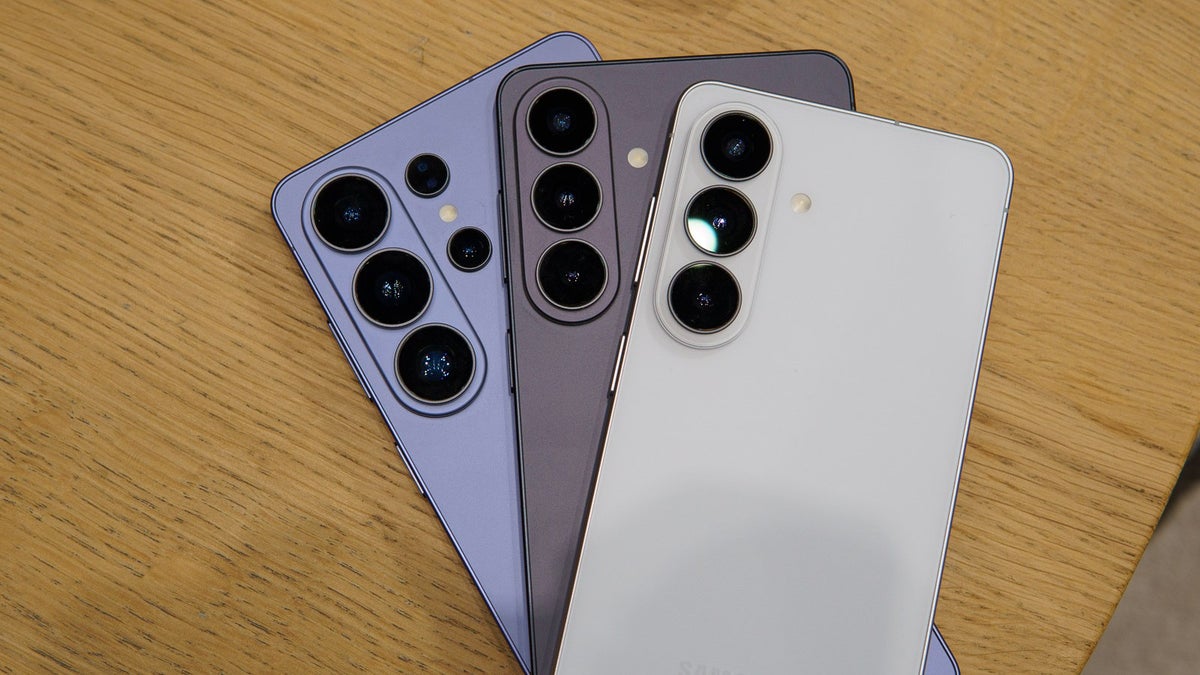
Samsung's Galaxy S26 series is one of the most talked-about flagship lineups. The Galaxy S26, S26+, and S26 Ultra were announced during the San Francisco Unpacked Event on February 25, 2026, and the South Korean tech giant has been quietly launching new handy accessories since.
A Wireless Battery Pack is now available at the Samsung Store
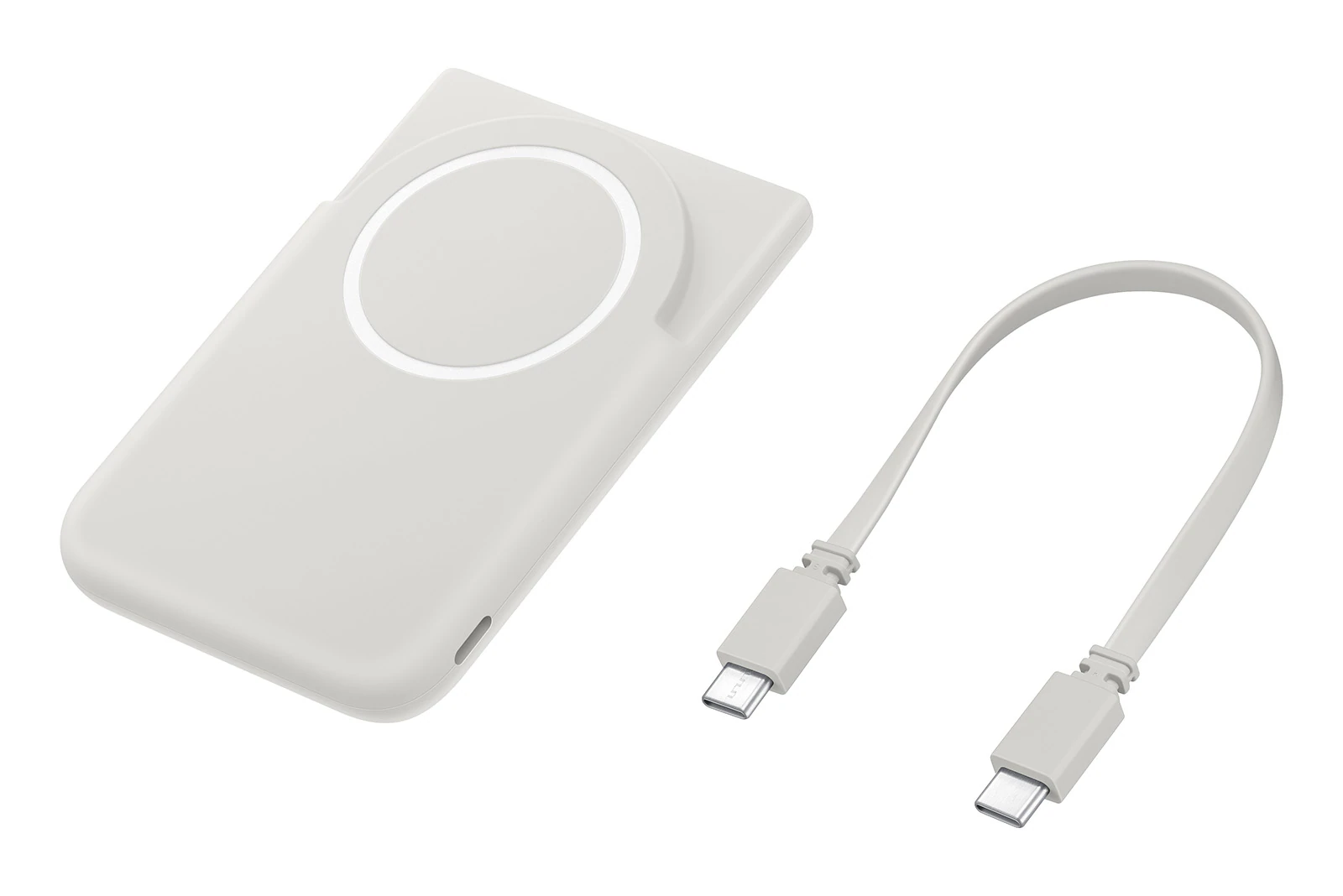
The latest addition of charging accessories at the official store is a super-sleek Magnet Wireless Battery Pack listed at $64.99. With a 5,000mAh battery and a USB-C plus built-in magnets, this solution provides all-day power whenever you need it.
This new charging accessory looks awesome. | Image by Samsung
While this new accessory undoubtedly looks exciting, I'm getting increasingly frustrated with Samsung's choices this year.
Want convenience? Pay more!
To use the magnet capabilities of this new accessory, users must cough up an extra $49.99-$74.99 for a case with built-in Qi2 magnets. In total, that's between $114.98 and $139.98, paid on top of an already steep asking price.
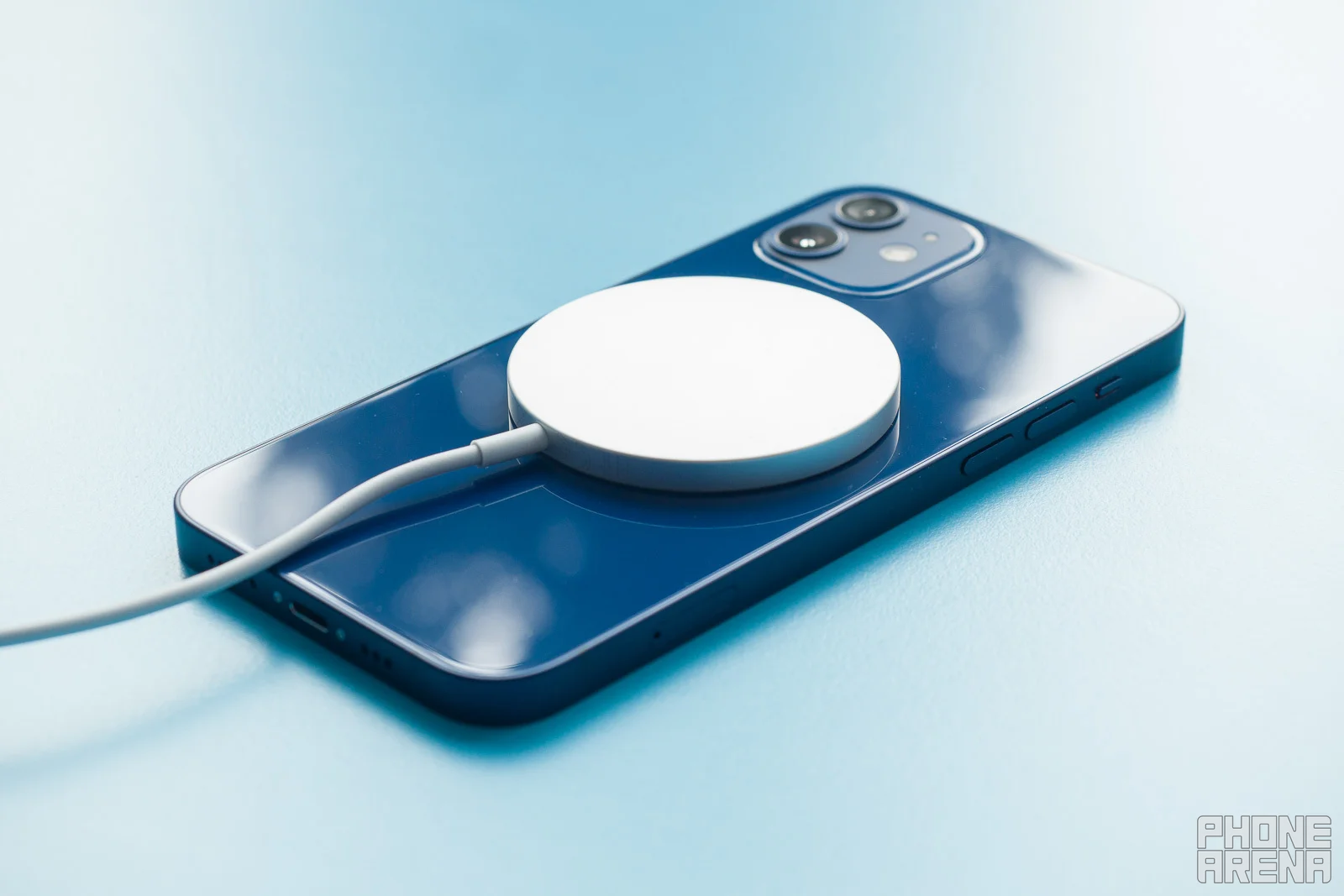
But here's the issue: Apple users could walk out of a store with an iPhone and enjoy MagSafe charging at no extra cost ever since the iPhone 12. This lineup debuted six years ago, by the way.
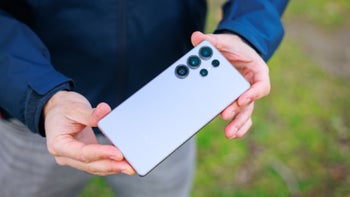
MagSafe has been around for quite some time on Apple's iPhones. | Image by PhoneArena
Essentially, Samsung is six years behind Apple in a crucial area — charging convenience. But it's not just behind the Cupertino tech giant. In 2025, Google released the Pixel 10 lineup with built-in Qi2 charging... Why is there no Qi2 on the S26?!
Recommended For You
The Galaxy S26 debuted at a higher price this year, with the vanilla and the S26+ arriving at $100 more than the S25 and the S25+. S26 Ultra users, meanwhile, must pay up to $180 extra for higher-tier storage options (the 1TB configuration, for instance, is a mind-blowing $1,799.99 this year.)
Adding insult to injury
Samsung might point to the S26's record-breaking 7.2mm thinness as the reason for skipping built-in Qi2 magnets. Sure, at 8.6mm, the Pixel 10 feels undeniably bulkier.
But the 'slimness' concept is shattered the moment a user snaps on a Qi2 charging case that costs $50 (at best) and isn't always ultra-slim. Maybe it's just me, but this design choice appears to be more of a marketing tactic than a true move toward usability.
Galaxy S26 cases with Qi2 magnets will set you back up to $74.99. | Images by Image by Samsung
And now, let's talk about the elephant in the room: the 8-bit display.
Samsung's Galaxy S26 lineup is equipped with an 8-bit screen, delivering a significantly less rich color palette than 10-bit panels used in some rival flagships. Undeniably, QHD+ resolution and OLED technology play a much bigger role in daily viewing experience than bit depth. Still, one nagging question keeps weighing on my mind.
If the 8-bit display was something to be truly proud of, why did Samsung emphasize the S26 displays can emulate a 10-bit experience via frame-rate control (FRC)? After all, we're talking a global leader in display technology — the same one reportedly developing the iPhone Fold display.
Don't get me wrong — I'm not in the least saying the display quality is poor. On the contrary! But when you're one of the main players in display innovation across the globe, why would you use a 'party trick' on the screen of your own flagships?
Worse still, when you're charging up to $1,799.99 for an S26 Ultra, giving users an "illusion" instead of the real thing feels a bit like adding insult to injury.
The tablet controversy
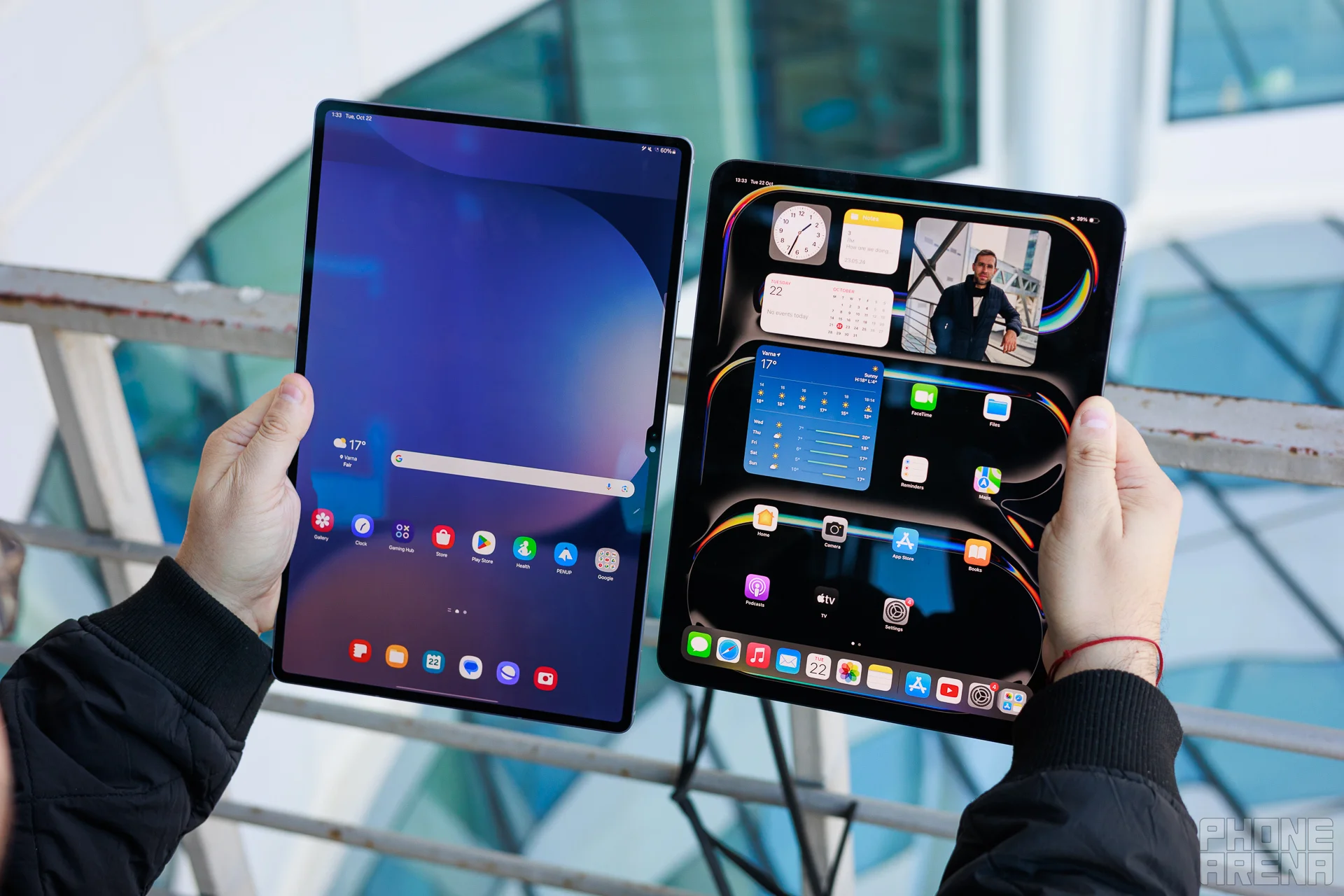
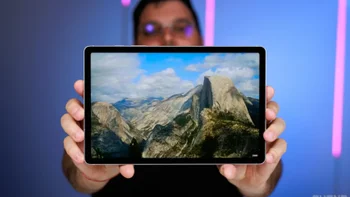
Both the Galaxy Tab S10 Ultra and the iPad Pro M4 look great, but only one comes with a stylus. | Image by PhoneArena
For years, Android users have been criticizing Apple for not including stylus accessories with their iPad lineups. Although it's not mind-blowingly expensive, the Apple Pencil still sets users back an extra $129 just to utilize the maximum potential of their tablets.
Meanwhile, Samsung gives you the S Pen for free with mid-range and high-end models without charging you a penny extra. Evidently, the South Korean tech giant invests a lot in giving users as much value as possible.
But why is the approach different when it comes to its flagship phones?
Has 'AI' become synonymous with 'flagship' in 2026?
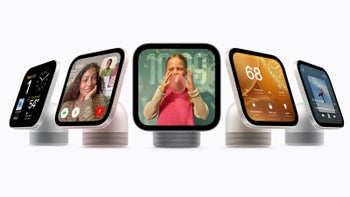
How important is the Galaxy AI experience, honestly? | Image by PhoneArena
Here's how I see it: the Galaxy S26 doesn't give users the latest wireless charging technology unless they pay extra. It doesn't deliver actual premium bit depth hardware — provides an illusion instead.
If we don't count the new Snapdragon chip and the S26 Ultra-exclusive Privacy Display, it seems the Galaxy S26 doubles down on AI functionality above all else.
A certain percentage of users may indeed use Galaxy AI on their phones 24/7 —but I really doubt the number is all that high. How many people charge their phones? All of them. How many users look at the screen? 100%.
But the hardware advancements in these two very crucial areas seem incomparable to the effort Samsung invests in refining its AI features. It seems as though the actual parts we touch, hold, and interact with on a daily basis aren't being treated like 'Ultra' important — and yet, the price tag remains a stubbornly 'Ultra' one.
Free Galaxy A17 5G with Straight Talk
Get a free Galaxy A17 with Straight Talk. To claim this deal, you need to pair the phone with activation on a Silver Unlimited Plan or higher. This tier costs $45 per month. Offer valid through 01/10/27 while supplies last online.
Polina Kovalakova, a News and Affiliate Content Writer, has nurtured a passion for mobile technology since the era before smartphones. With a history of exploring a variety of devices, her insights into the mobile world are both broad and nuanced. Polina's non-partisan view extends to appreciating nearly every smartphone brand, a reflection of her open-minded approach to technology. Polina is equally passionate about uncovering the best online deals, tirelessly working to ensure her readers snag top-tier tech at unbeatable prices.
A discussion is a place, where people can voice their opinion, no matter if it
is positive, neutral or negative. However, when posting, one must stay true to the topic, and not just share some
random thoughts, which are not directly related to the matter.
Things that are NOT allowed:
Off-topic talk - you must stick to the subject of discussion
Offensive, hate speech - if you want to say something, say it politely
Spam/Advertisements - these posts are deleted
Multiple accounts - one person can have only one account
Impersonations and offensive nicknames - these accounts get banned
To help keep our community safe and free from spam, we apply temporary limits to newly created accounts:
New accounts created within the last 24 hours may experience restrictions on how frequently they can
post or comment.
These limits are in place as a precaution and will automatically lift.
Moderation is done by humans. We try to be as objective as possible and moderate with zero bias. If you think a
post should be moderated - please, report it.
Have a question about the rules or why you have been moderated/limited/banned? Please,
contact us.




Things that are NOT allowed:
To help keep our community safe and free from spam, we apply temporary limits to newly created accounts: