Galaxy S26 Ultra camera: First samples vs S25 Ultra
Half a stop more light, but is it half a stop better?
We may earn a commission if you make a purchase from the links on this page.
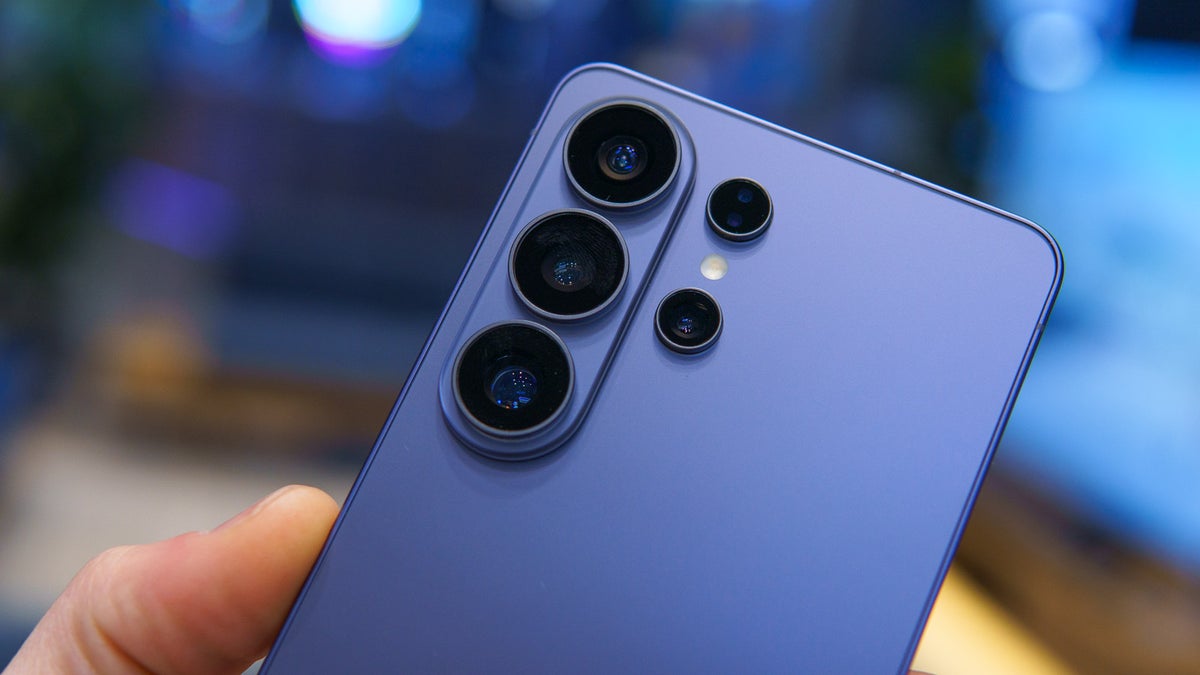
A close-up image of the Galaxy S26 Ultra camera system. | Image by PhoneArena
Samsung has officially unveiled the Galaxy S26 series. While the Galaxy S26 and S26 Plus arrive without camera hardware changes, the Galaxy S26 Ultra introduces meaningful improvements to two of its four cameras.
The new Ultra features revised optics for its 200 MP main camera and 50 MP 5x telephoto. The main camera's aperture widens from f/1.7 on the Galaxy S25 Ultra to f/1.4, while the 5x telephoto goes from f/3.4 to f/2.9.
If my rough calculations are correct, that equates to roughly 47% more light for the main camera and about 37% more for the 5x telephoto. In camera talk terms, that is close to half a stop of additional light hitting the sensor, which should improve low-light performance and help both cameras achieve cleaner photos and higher detail.
The real question is how much of that shows up in actual photos. Now, we will be doing a deep dive to test this out thoroughly, but for now, let’s look at side-by-side camera samples from the Galaxy S26 Ultra and Galaxy S25 Ultra to see whether the differences are noticeable at first glance.
Read more:
Quick camera upgrades update
The new Ultra features revised optics for its 200 MP main camera and 50 MP 5x telephoto. The main camera's aperture widens from f/1.7 on the Galaxy S25 Ultra to f/1.4, while the 5x telephoto goes from f/3.4 to f/2.9.
If my rough calculations are correct, that equates to roughly 47% more light for the main camera and about 37% more for the 5x telephoto. In camera talk terms, that is close to half a stop of additional light hitting the sensor, which should improve low-light performance and help both cameras achieve cleaner photos and higher detail.
Galaxy S26 Ultra first camera samples:
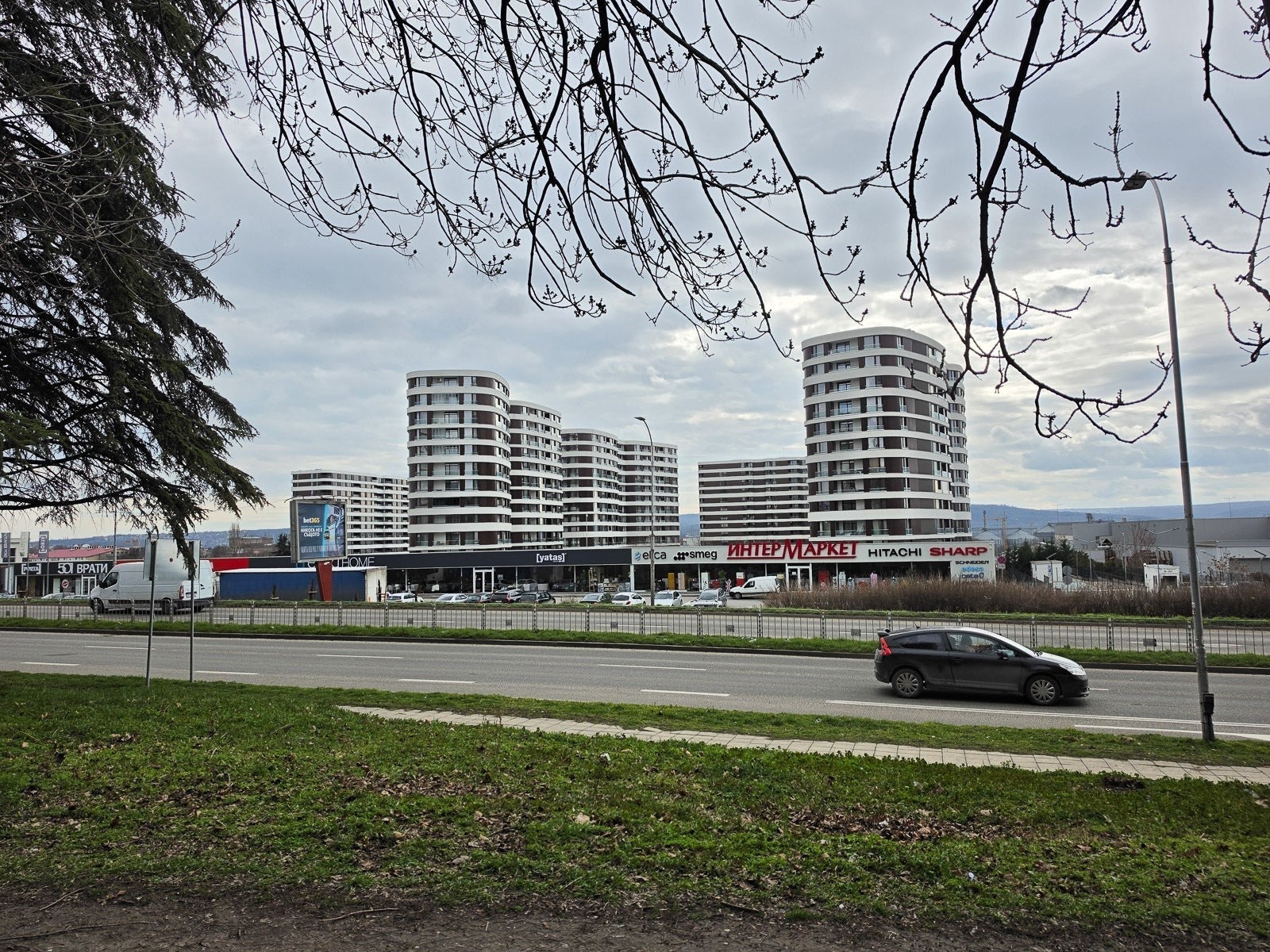
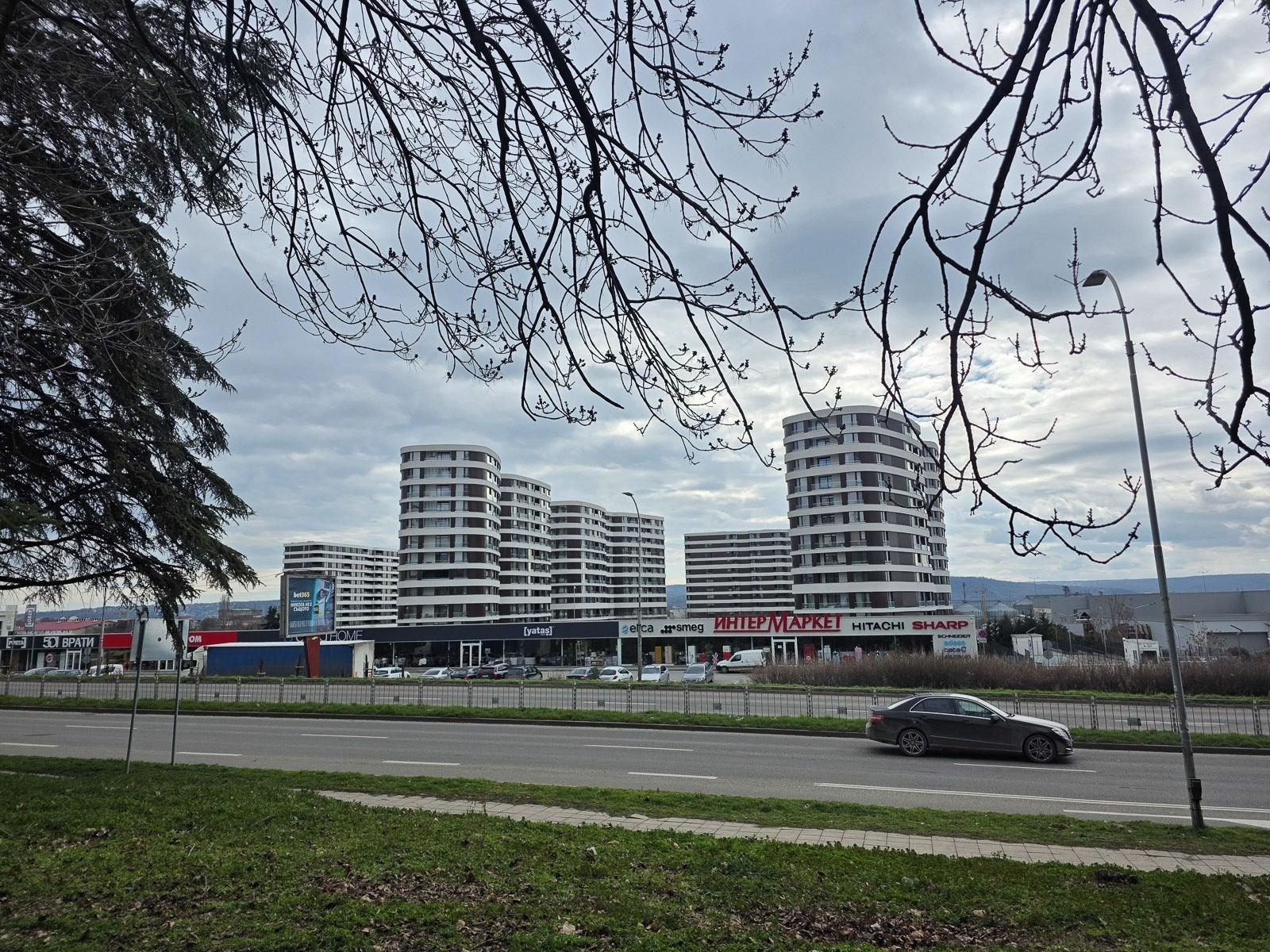
An overcast scene is not the most demanding scenario for a modern flagship camera, but differences are already visible. The Galaxy S26 Ultra’s main camera pulls more detail from the shadows, particularly in the darker areas of the tree on the left.
At the same time, Samsung appears to have dialed processing back toward a more vibrant look. Colors are slightly punchier and contrast is stronger.
At the same time, Samsung appears to have dialed processing back toward a more vibrant look. Colors are slightly punchier and contrast is stronger.


In this sample, the processing differences are even more apparent. The Galaxy S26 Ultra delivers an image that looks both natural and lively, with stronger contrast and richer tones that do not feel exaggerated.
The Galaxy S25 Ultra, on the other hand, produces a darker and flatter image. Shadows are lifted in a way that feels unnecessary, while highlights are subdued, giving the overall image a slightly muted appearance.
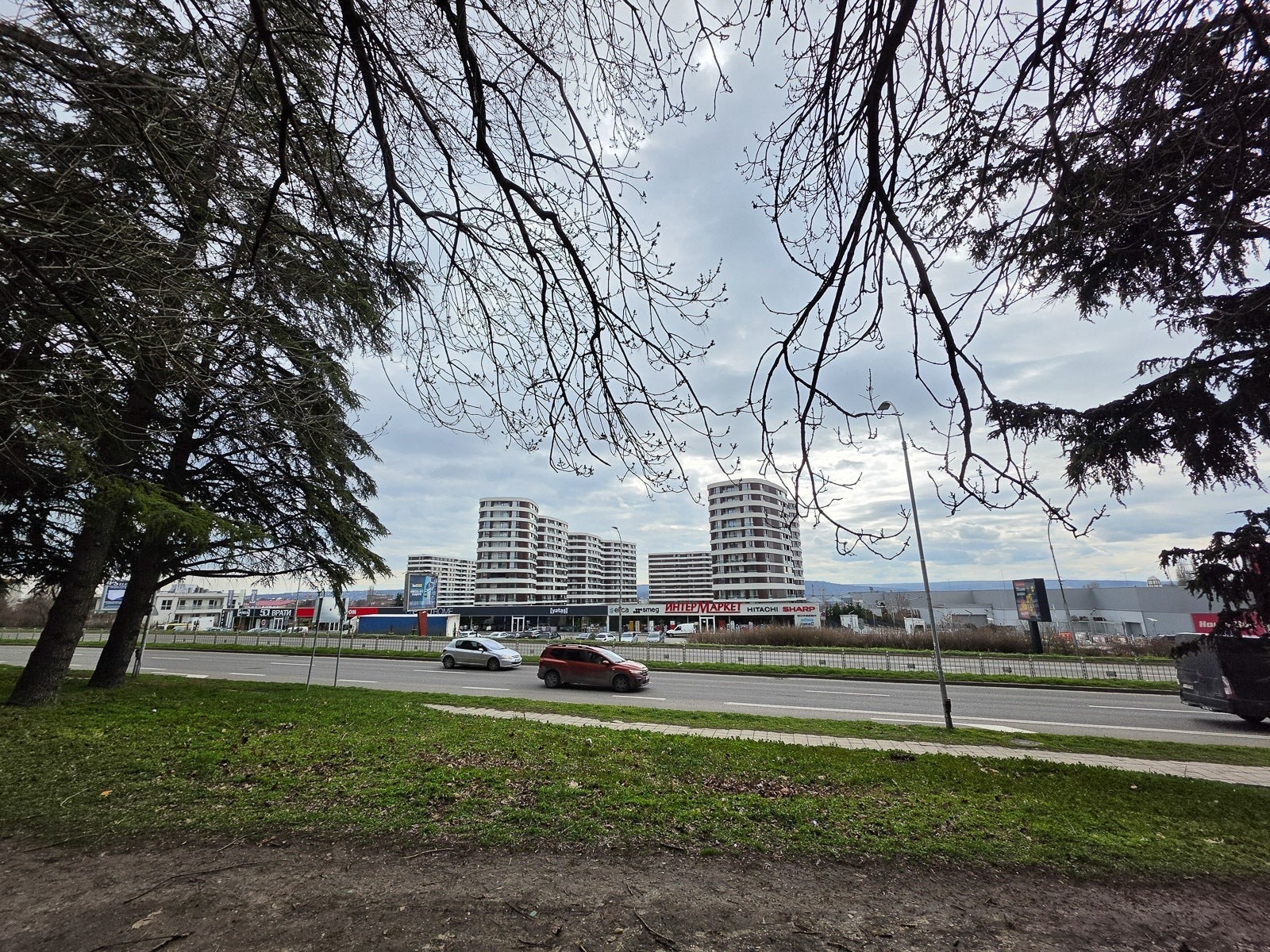

I don't see as big of a difference between the ultrawide cameras. The S26 Ultra once again has a bit more contrast and oomph to it, but overall it would be difficult to distinguish these images on a phone's screen.


The differences are quite minimal when it comes to the 3x telephoto camera. The Galaxy S26 Ultra leans toward a slightly cooler white balance, but that's about it.
In terms of detail, sharpness, and HDR performance, however, both phones appear identical. There is no obvious difference in resolution or dynamic range at this zoom range.
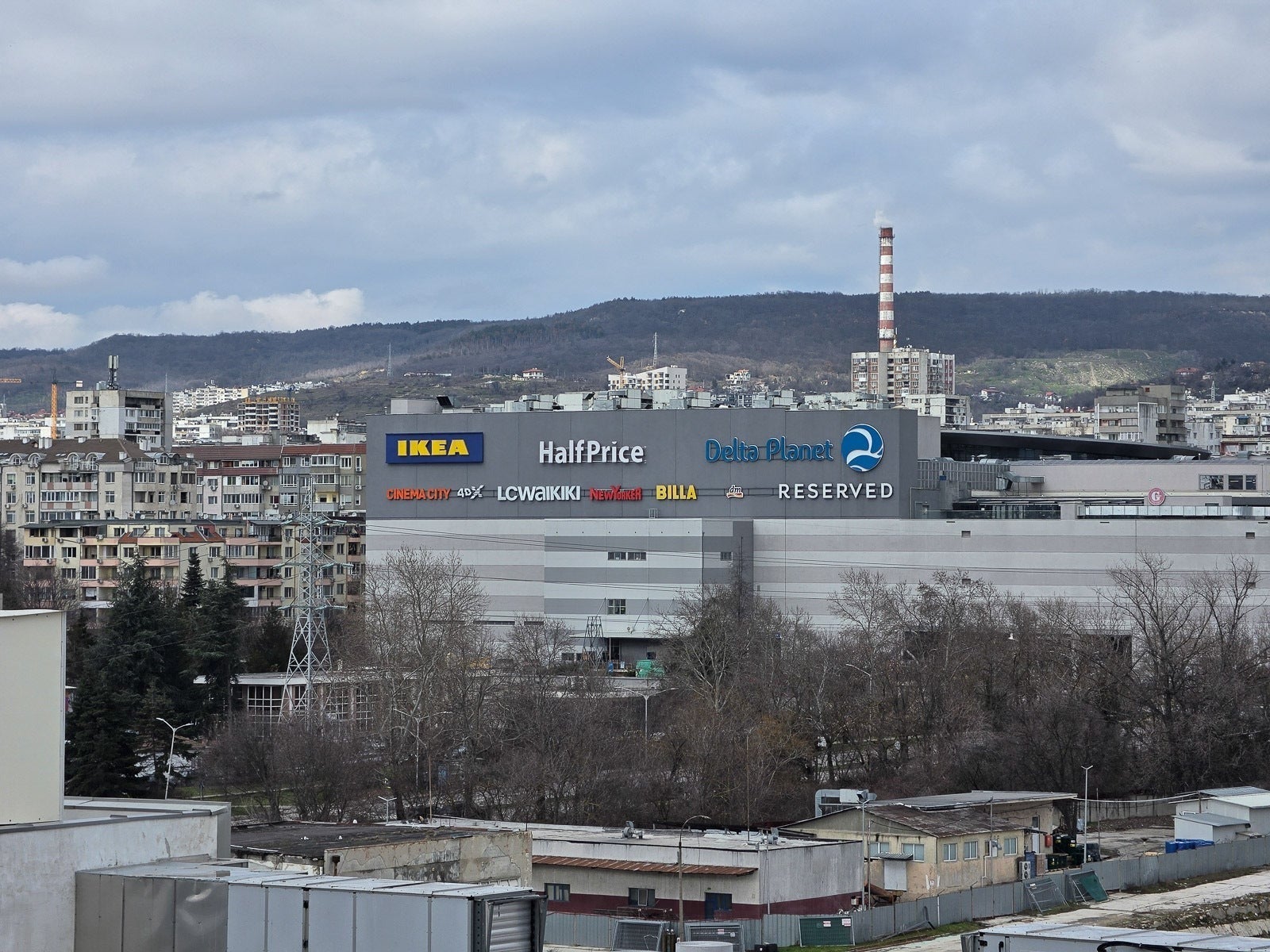
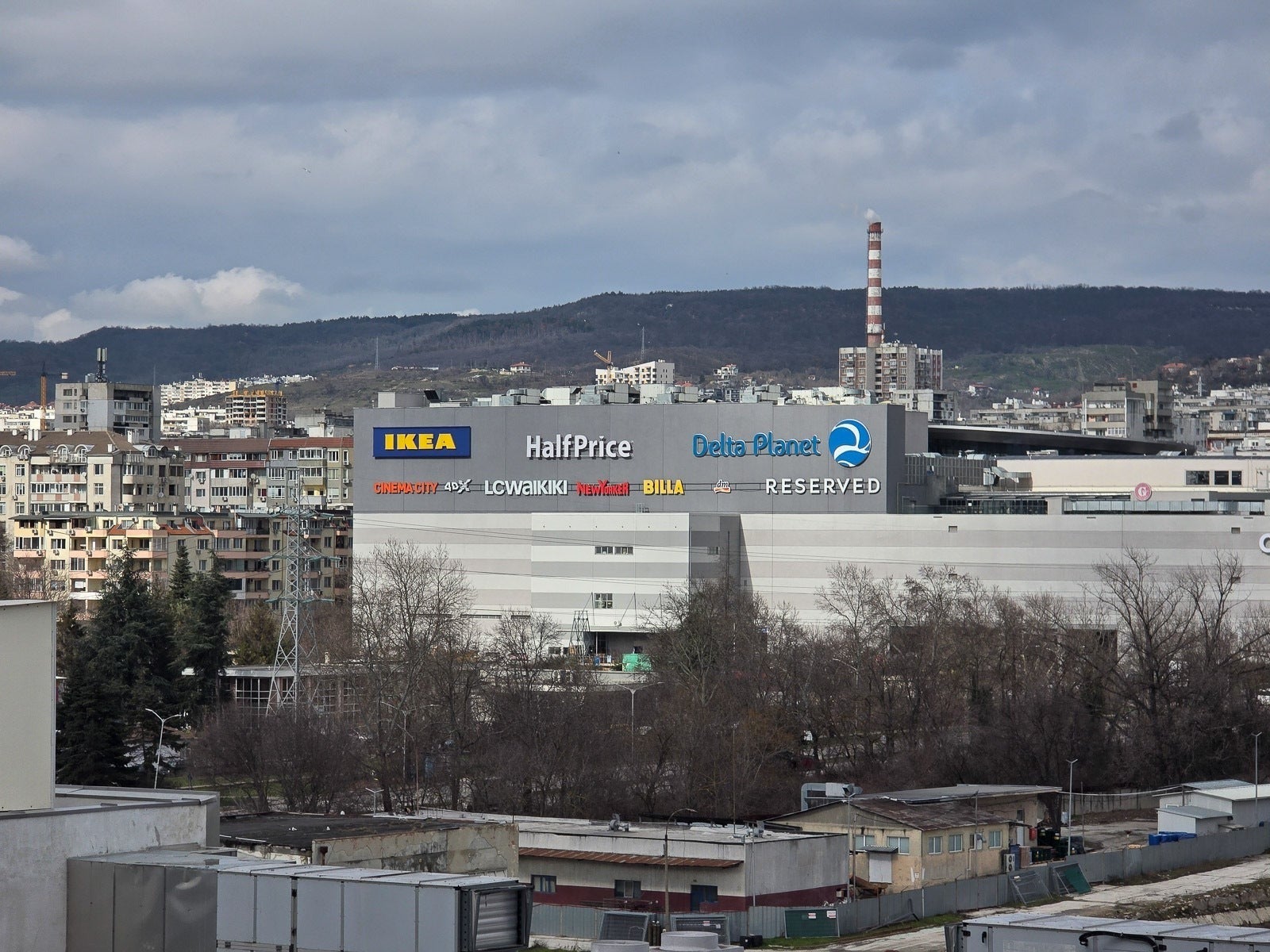
The situation is similar with the 5x telephoto. Although the Galaxy S26 Ultra features upgraded optics at this focal length, this particular scene does not really stress the camera enough to showcase that advantage.
Detail, contrast, and dynamic range look very close between the two models here. The benefits of the wider aperture are more likely to appear in low light or more challenging lighting conditions.
Detail, contrast, and dynamic range look very close between the two models here. The benefits of the wider aperture are more likely to appear in low light or more challenging lighting conditions.
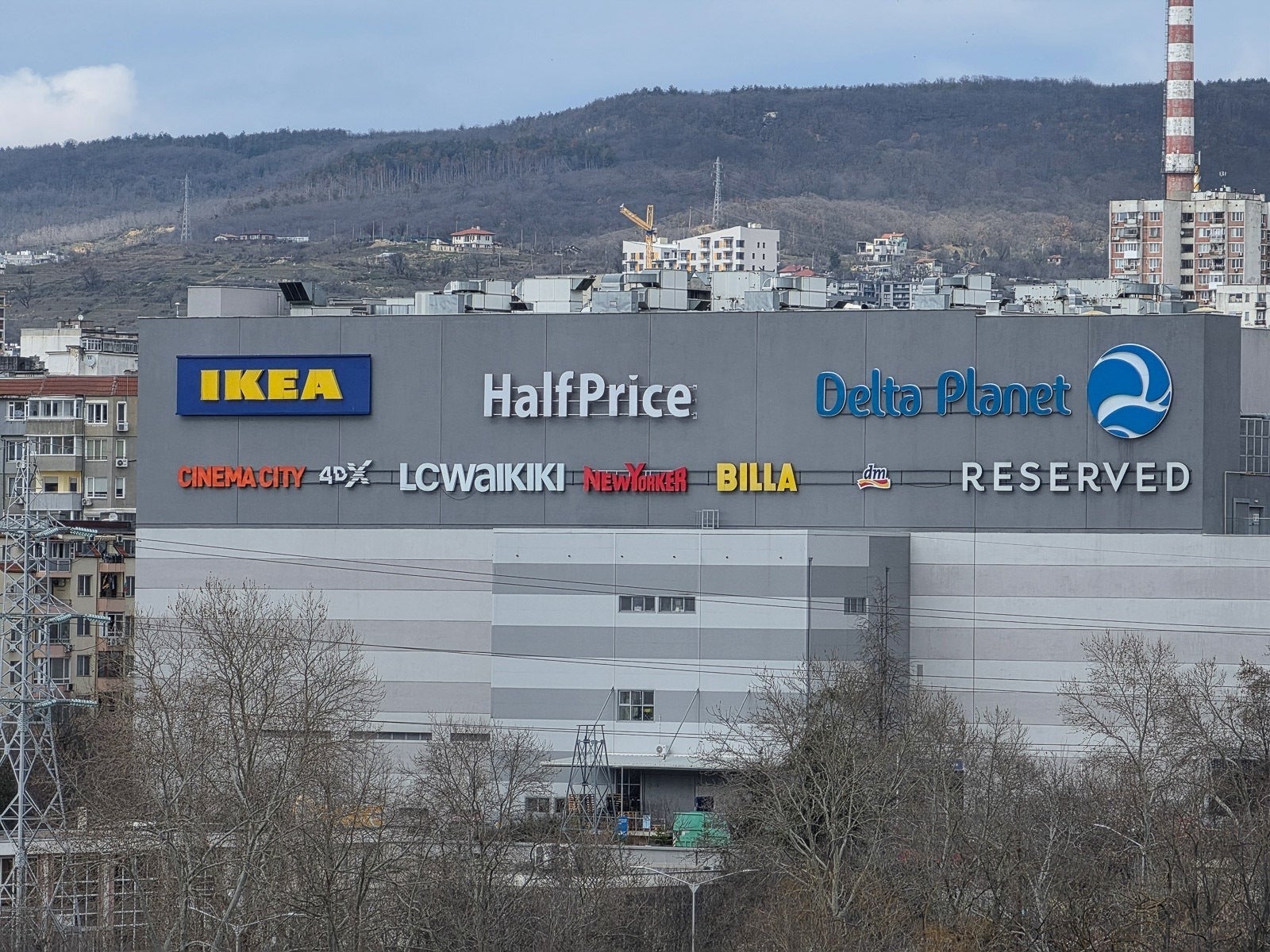
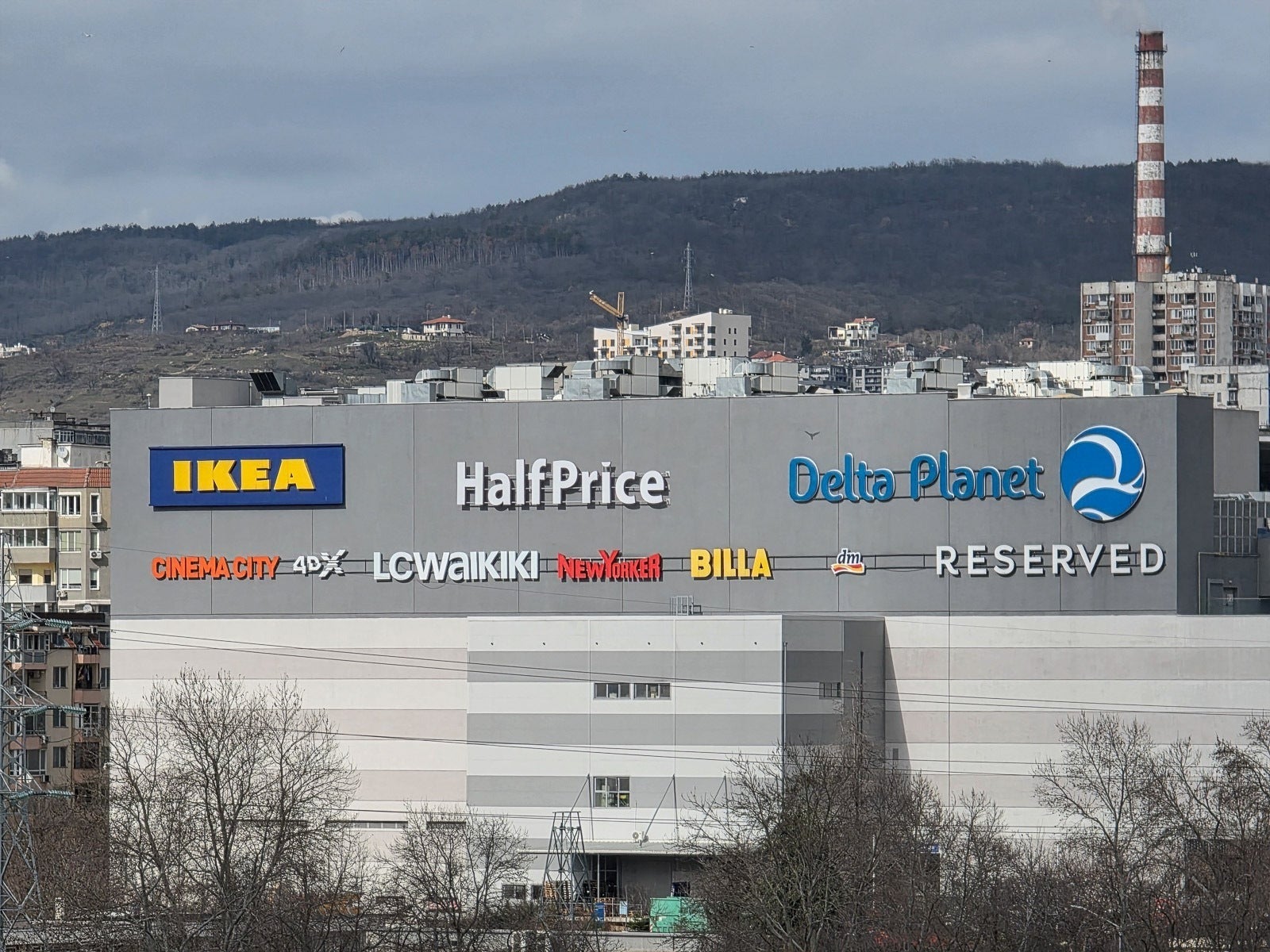
The situation at 10x zoom is the same as with 5x and 3x.


The selfie camera on the S26 Ultra is identical to its predecessor's, but once again I notice that Samsung has upped the contrast a little here.
From these samples, is the Galaxy S26 Ultra camera upgrade worth it?
391 Votes
Yes, the processing looks so much better
19.44%
Maybe, I need low-light tests
33.76%
No, differences look negligible
27.37%
I’d stick with the S25 Ultra
19.44%
Final thoughts
Even though these first samples were taken in fairly forgiving conditions, the differences between the Galaxy S26 Ultra and Galaxy S25 Ultra are still noticeable. The biggest shift appears to come from the image processing that goes on behind the scenes.
The S26 Ultra avoids the overly saturated, high-contrast look of older Galaxy generations while also stepping away from the flatter style of the S25 Ultra. The result is a more balanced image with natural tones and a balanced contrast that adds life to the image without.
Based on these early shots, I feel Samsung may have finally found a middle ground that feels both accurate and visually pleasing.
The S26 Ultra avoids the overly saturated, high-contrast look of older Galaxy generations while also stepping away from the flatter style of the S25 Ultra. The result is a more balanced image with natural tones and a balanced contrast that adds life to the image without.
Based on these early shots, I feel Samsung may have finally found a middle ground that feels both accurate and visually pleasing.


Popular stories


Latest News


Things that are NOT allowed:
To help keep our community safe and free from spam, we apply temporary limits to newly created accounts: