If Samsung does one thing right with its cheapest Galaxy A series, it is to package them in a way that makes a good first impression.
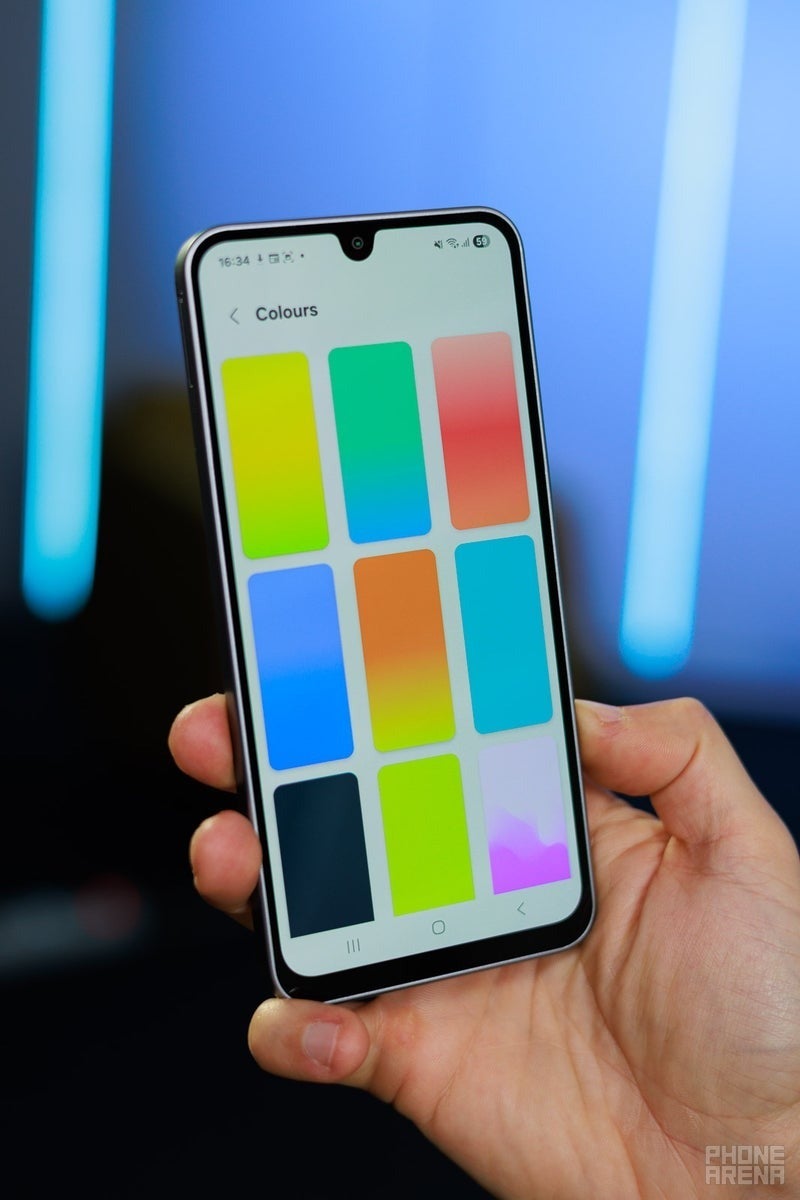
It is not easy to make a $200 phone desirable. You can’t give it a powerful chipset or an appealing set of cameras. However, you can always make it look good. And what is the first thing we pay attention to when we pick up a phone? That’s right, the display.
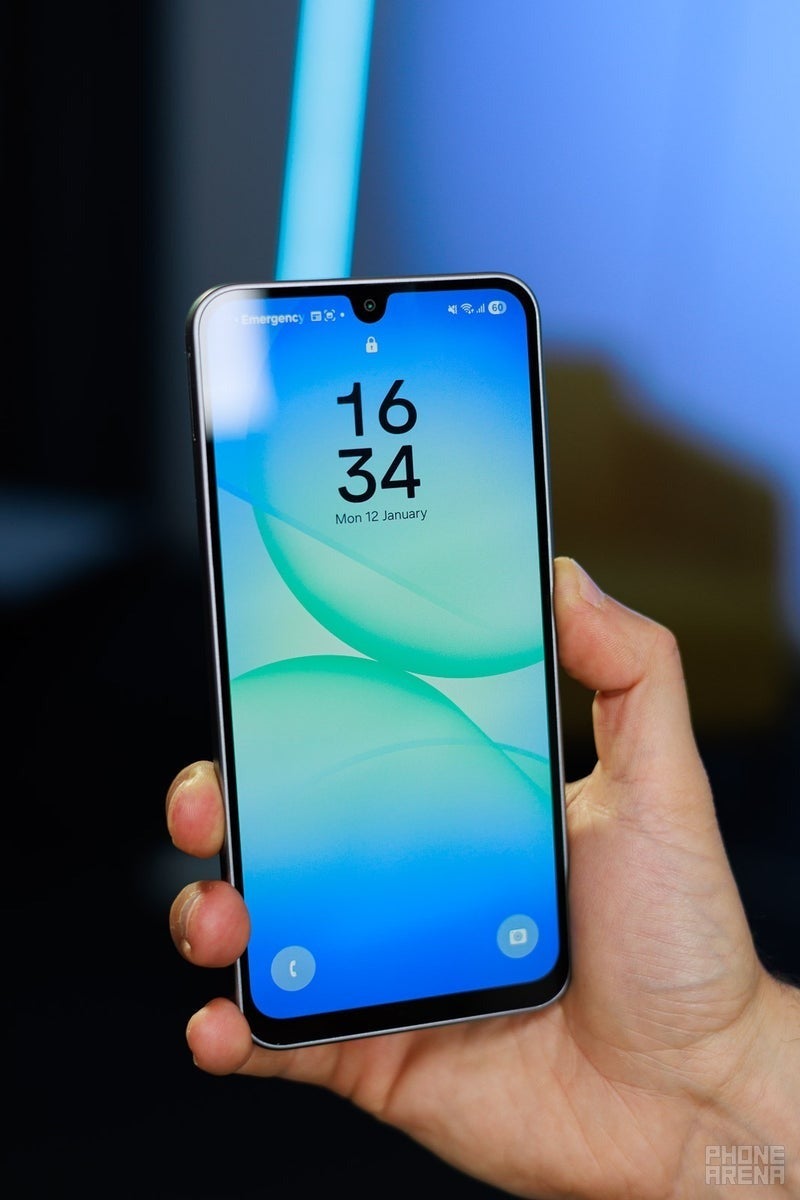
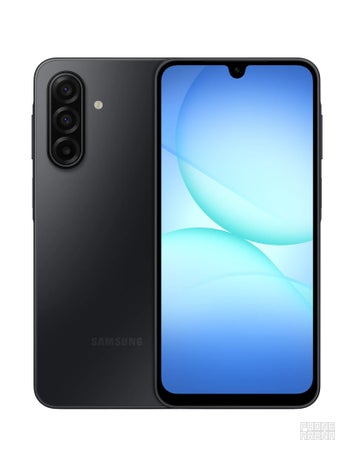
Samsung is well aware of this fact, and that’s more than clear with the Galaxy A17. Just like its predecessor, the A17 has the best display on a $200 phone right now.
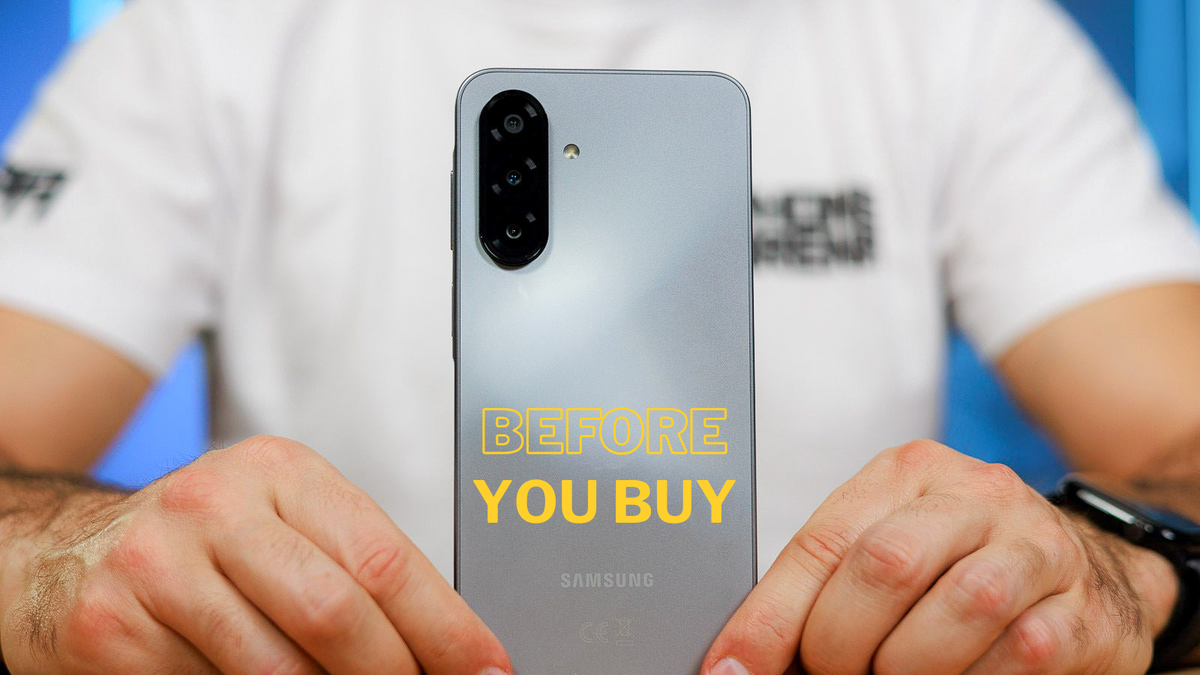
Unfortunately, this gorgeous display is a trap, and you should know what it masks before picking the Samsung Galaxy A17.
The display is the hook
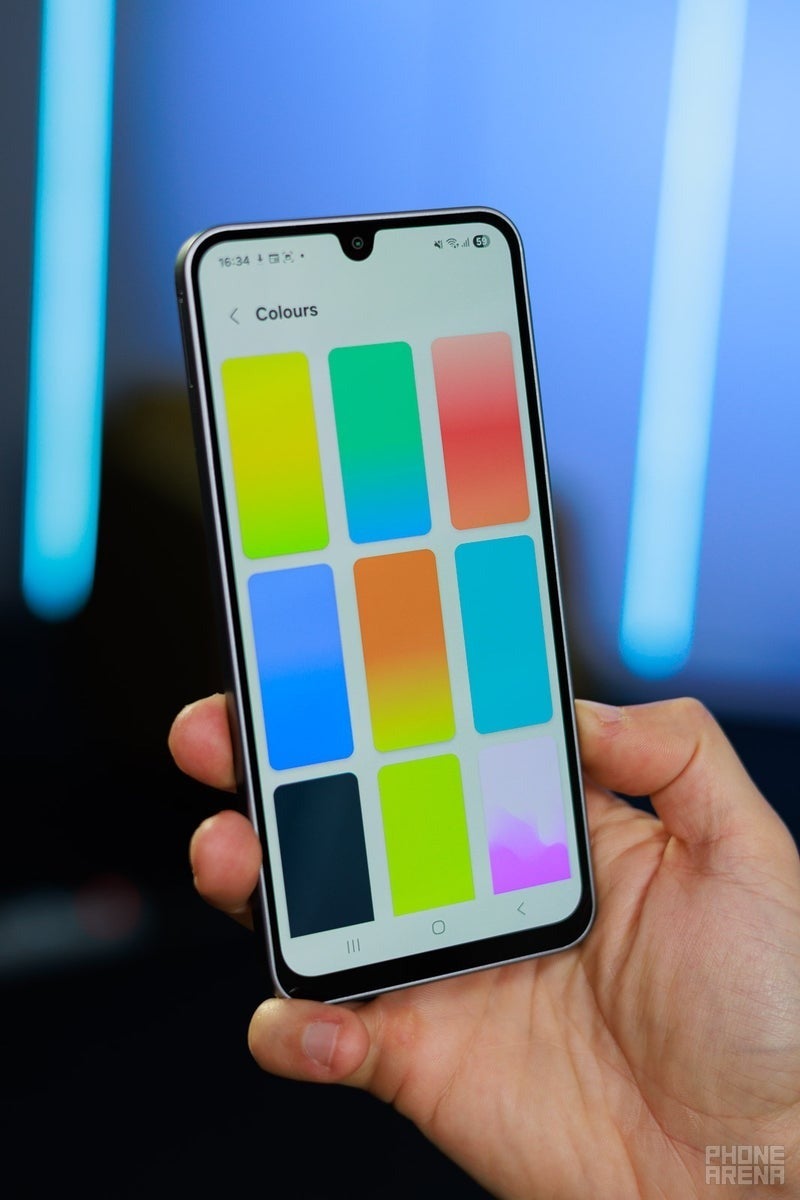
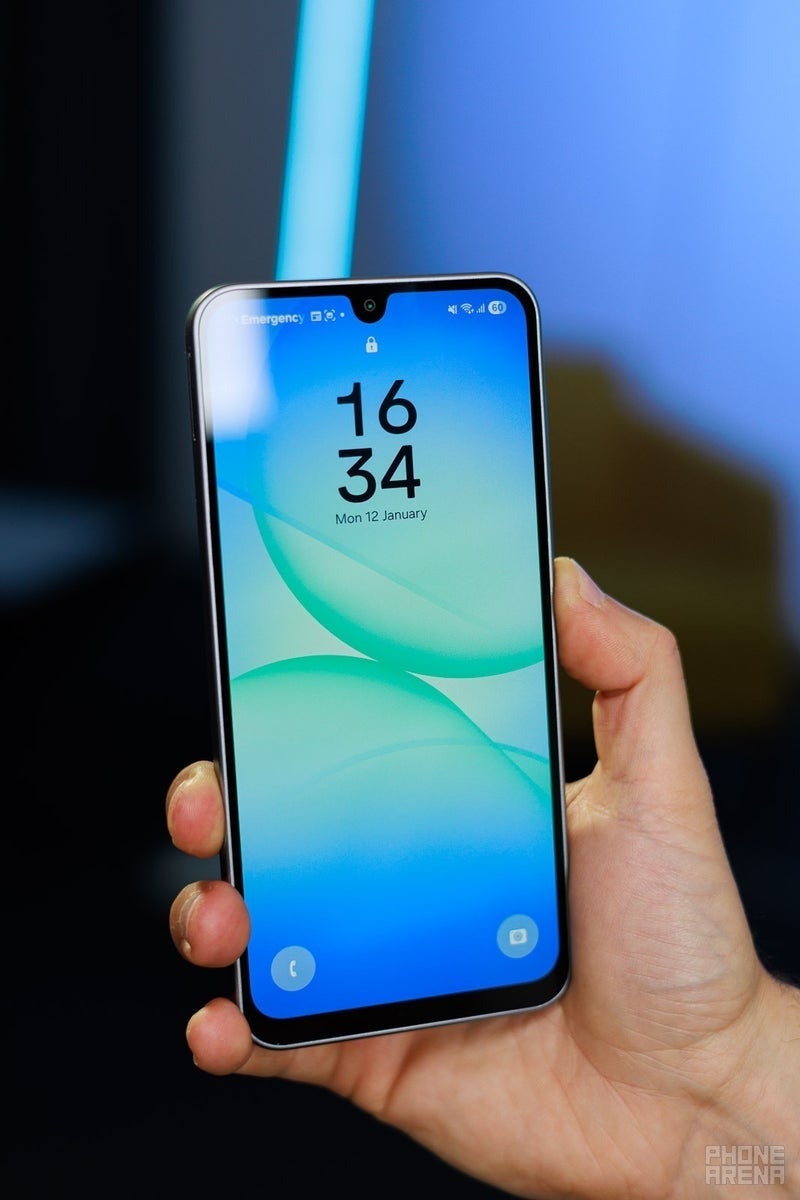
The Galaxy A17’s 6.7-inch AMOLED screen is undoubtedly its biggest selling point. At this price, OLED screens still feel like a premium feature, especially in the US market, where most direct competitors—like the Moto G Power (2026)—rely on LCD panels.
And while the Moto G Power can feel super smooth with its 120 Hz display refresh rate, the richer colors and better contrast that come with OLED screens carry more weight as far as user experience goes. Plus, the A17 still feels smooth, even at a lower 90 Hz refresh rate.
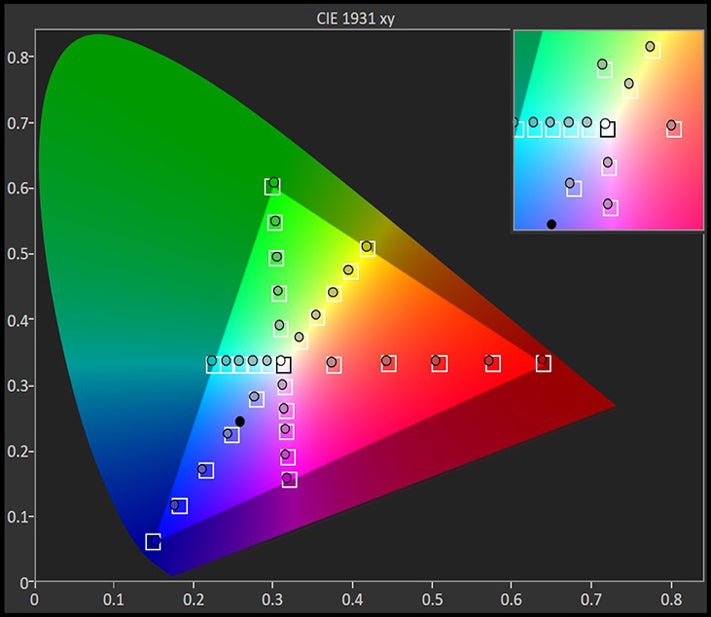
The CIE 1931 xy color gamut chart represents the set(area)of colors that a display can reproduce,with the sRGB colorspace(the highlighted triangle)serving as reference.The chart also provides a visual representation of a display's color accuracy. The small squares across the boundaries of the triangle are the reference points for the various colors, while the small dots are the actual measurements. Ideally, each dot should be positioned on top of its respective square. The 'x:CIE31' and 'y:CIE31' values in the table below the chart indicate the position of each measurement on the chart. 'Y' shows the luminance (in nits) of each measured color, while 'Target Y' is the desired luminance level for that color. Finally, 'ΔE 2000' is the Delta E value of the measured color. Delta E values of below 2 are ideal.
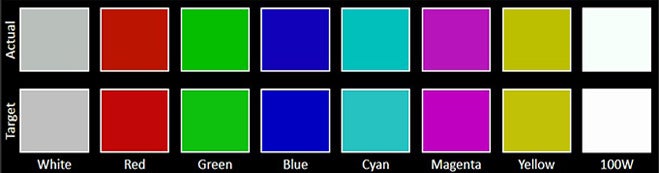
The Color accuracy chart gives an idea of how close a display's measured colors are to their referential values. The first line holds the measured (actual) colors, while the second line holds the reference (target) colors. The closer the actual colors are to the target ones, the better.
The Grayscale accuracy chart shows whether a display has a correct white balance(balance between red,green and blue)across different levels of grey(from dark to bright).The closer the Actual colors are to the Target ones,the better.
Our display lab tests also show that, for a $200 phone, the A17 even gets decently bright. It managed a little over 1,000 nits of peak brightness, compared to the 800 nits on the Motorola.
In other words, Samsung has focused on the first thing that you see. The display looks great the moment you pick the phone up and turn it on at the store. For many buyers, that immediate visual appeal is enough to seal the deal.
Expectations versus reality
The problem is that same stunning display can create the wrong kind of expectations if you are blindly picking up the A17. While the phone is well-suited for enjoying video content, it is not much good for anything else, and it just might drive you crazy at times.
Samsung reused the same Exynos 1330 chipset from last year and, in the US model, once again paired it with just 4 GB of RAM. We already knew that this combination wasn’t good enough, with the A16 suffering from frequent stutters and a laggy UI that could make it cumbersome to use.
Unlocking the phone can stutter, opening the camera often takes longer than you expected, and switching between apps is not always quick and smooth. Even simple tasks like browsing or typing are weighed down by brief pauses.
Of course, all of this is to be expected from a $200 phone like the A17, but it is a direct mismatch with the impression that gorgeous display makes at first.
Battery life helps soften the blow
Samsung Galaxy A17 5G
( 5000 mAh )
Battery Life Estimate
8h
6m
Ranks #38 for phones
tested in the past 2 years
Average is
7h
35m
Browsing
17h
36m
Average is
18h
16m
Video
13h
26m
Average is
10h
47m
Gaming
8h
37m
Average is
9h
59m
Charging speed
25W
Charger
45%
30 min
1h
31m
Full charge
Ranks #112 for phones released in the
past 2
years
One area where the Galaxy A17 performs well besides its display is its battery life.
Thanks to a 5,000 mAh battery, a relatively efficient AMOLED display, and a weak chipset, a single charge can last you for quite a bit. In our tests, we gave it an estimate of around 8 hours, and it easily lasted us a full day of regular use. It is especially good at preserving power during video streaming and web browsing. Alongside its impressive screen, that makes it even better suited for media consumption.
Good battery life goes a long way in making up for performance shortcomings, especially for casual users.
Why Samsung made these choices
From Samsung’s perspective, the Galaxy A17 makes a lot of sense.
Most users care about how good things look, both the phone and the content they enjoy on it. The A17, much like the rest of Samsung’s A series, checks all of those boxes immediately. The performance limitations usually reveal themselves later, and users learn to live with them.
In other words, Samsung has correctly prioritized the core values of the modern-day user.
Who the Galaxy A17 is really for
The Galaxy A17 can work for buyers who are willing to live with weak performance. Stutters and lag matter less when you’re watching YouTube or Netflix or casually scrolling through social media and web pages.
Its 90 Hz OLED display genuinely offers a better experience compared to most $200 phones, and that’s where the A17 makes its strongest case.
If you’re sensitive to performance issues, though, the A17 will feel disappointing. In that case, it’s worth saving more and moving into the upper mid-range segment. Even the Galaxy A36 probably wouldn’t be satisfactory enough, as it suffers from similar issues, albeit to a lesser extent. Phones around $400, like the Pixel 9a, are a safer bet.
The Galaxy A17 isn’t a bad phone, but it’s one that requires careful consideration. Purchasing a phone at this price point requires equally thorough research as purchasing a more expensive one, as there is a lot more you might not like.
Six-month unlimited plan is now 57% off
$90
$210
$120 off (57%)
Mint Mobile is now allowing you to get whichever plan you like for either three, six, or 12 months for just $15/mo. If you go for the six-month unlimited service, for instance, you'll now have to pay just $90 upfront instead of $210.
Aleksandar is a tech enthusiast with a broad range of interests, from smartphones to space exploration. His curiosity extends to hands-on DIY experiments with his gadgets, and he enjoys switching between different brands to experience the latest innovations. Prior to joining PhoneArena, Aleksandar worked on the Google Art Project, digitizing valuable artworks and gaining diverse perspectives on technology. When he's not immersed in tech, Aleksandar is an outdoorsman who enjoys mountain hikes, wildlife photography, and nature conservation. His interests also extend to martial arts, running, and snowboarding, reflecting his dynamic approach to life and technology.
COMMENTS (0)
COMMENTS (0)
All comments need to comply with our
Community Guidelines
PhoneArena Community Rules
A discussion is a place, where people can voice their opinion, no matter if it
is positive, neutral or negative. However, when posting, one must stay true to the topic, and not just share some
random thoughts, which are not directly related to the matter.
Things that are NOT allowed:
Off-topic talk - you must stick to the subject of discussion
Offensive, hate speech - if you want to say something, say it politely
Spam/Advertisements - these posts are deleted
Multiple accounts - one person can have only one account
Impersonations and offensive nicknames - these accounts get banned
To help keep our community safe and free from spam, we apply temporary limits to newly created accounts:
New accounts created within the last 24 hours may experience restrictions on how frequently they can
post or comment.
These limits are in place as a precaution and will automatically lift.
Moderation is done by humans. We try to be as objective as possible and moderate with zero bias. If you think a
post should be moderated - please, report it.
Have a question about the rules or why you have been moderated/limited/banned? Please,
contact us.




















Things that are NOT allowed:
To help keep our community safe and free from spam, we apply temporary limits to newly created accounts: