AT&T to follow T-Mobile in making carrier switching almost effortless
CEO John Stankey confirms AT&T is pushing fully digital switching next year.
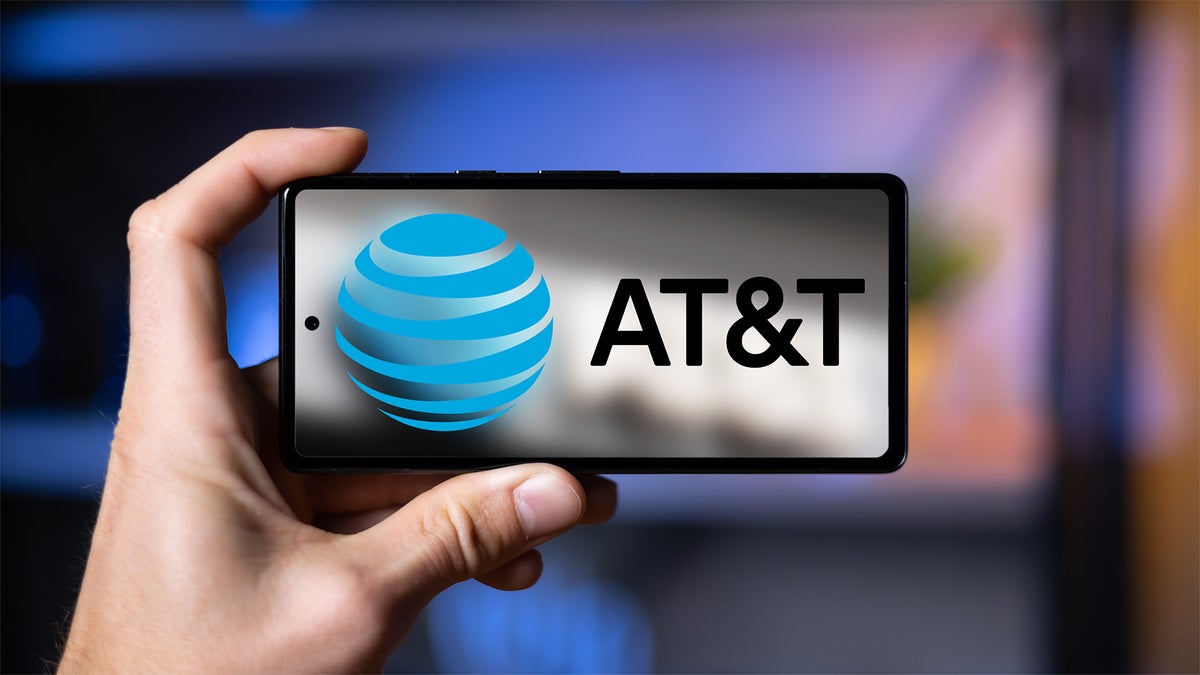
Jumping from one carrier to another is about to get a lot simpler, because the whole industry is leaning hard into digital switching. This trend is moving fast, and honestly, it feels like we’re entering a new era of how wireless carriers work.
Last month, T-Mobile rolled out its Switching Made Easy program – a fully digital, zero-store-visit way to jump to the Un-carrier through the T-Life app. No paperwork, no SIM cards in boxes, no awkward chats with reps trying to convince you to stay. Just tap, tap, done.
And now it seems like AT&T is gearing up to do something very similar. Earlier this month, we told you that AT&T CEO John Stankey would speak at the UBS Global Media and Communications Conference, and so he did. One of the biggest things he shared was that AT&T is joining T-Mobile in pushing self-service digital switching.
The whole point? Cut costs, boost customer movement between carriers, and shift the industry toward a more automated future. It’s basically four words: more digital, less human – especially now that AI is taking over everything from customer service to backend operations.
Some of AT&T’s shifts are expected to start showing up as early as next year, and Stankey made it clear that a growing share of AT&T’s customer interactions will move into a fully digital pipeline powered by a tightly connected supply chain. The whole idea is to give people more flexibility.
Being able to bounce between carriers digitally is definitely going to make it easier for us to hop around, try something new, and switch right back if it’s not a good fit. And with Apple, Samsung, and phone makers in general basically nudging things in the same direction – I mean, the iPhone 17 lineup in the US is eSIM-only – this whole digital-first approach is becoming the norm, whether we like it or not.
Digital switching is set to shake up the business side of wireless, too. If carriers need fewer sales reps in physical stores, their customer acquisition costs drop – which unfortunately also means retail layoffs are likely baked into this digital shift.
At the same time, loyalty is almost guaranteed to slide as people jump between networks more freely. That jumpiness could spark even tougher price competition, which, at least for regular users, isn’t exactly a bad outcome.
We are already watching that play out with nonstop promos, wild trade-in deals, and flashy upgrade offers. T-Mobile, AT&T, and Verizon keep going head-to-head trying to convince us they’ve got the best reason to grab the iPhone 17 or the Galaxy S25 on their network.
And once switching becomes something you can do from your couch in minutes, those deals will probably get even juicier.
The entire telecom space is evolving, and the carriers we know today are slowly morphing into AI-powered infrastructure companies. They are no longer just selling mobile data – they are building data centers, offering GPU-as-a-service, running AI-enabled colocation, and deploying edge AI.
They are also building AI-driven productivity tools like assistants, network management systems, and other GenAI-powered solutions for both consumers and enterprise clients.
Verizon, for example, kicked off Project 624, a huge AI-based upgrade to customer service that aims to make support faster and more accurate. It’s also applying AI to public safety systems.
AT&T is training its network to predict and react in real time, boosting reliability and performance. And T-Mobile? It’s aiming even bigger, working on an AI-powered 6G architecture that could shape how future networks operate.
Digital Switching becoming the new normal
Last month, T-Mobile rolled out its Switching Made Easy program – a fully digital, zero-store-visit way to jump to the Un-carrier through the T-Life app. No paperwork, no SIM cards in boxes, no awkward chats with reps trying to convince you to stay. Just tap, tap, done.
We've been kind of working this distribution dynamic for many years, getting ready for this reality that when the industry matures a little bit more, you're not going to be set up in the distribution structure that you have been when you're growing at the rate the wireless industry was growing two decades ago.
– John Stankey, AT&T’s CEO, December 2025
Being able to bounce between carriers digitally is definitely going to make it easier for us to hop around, try something new, and switch right back if it’s not a good fit. And with Apple, Samsung, and phone makers in general basically nudging things in the same direction – I mean, the iPhone 17 lineup in the US is eSIM-only – this whole digital-first approach is becoming the norm, whether we like it or not.
Digital switching could shake up carrier competition
Digital switching is set to shake up the business side of wireless, too. If carriers need fewer sales reps in physical stores, their customer acquisition costs drop – which unfortunately also means retail layoffs are likely baked into this digital shift.
We are already watching that play out with nonstop promos, wild trade-in deals, and flashy upgrade offers. T-Mobile, AT&T, and Verizon keep going head-to-head trying to convince us they’ve got the best reason to grab the iPhone 17 or the Galaxy S25 on their network.
How likely are you to jump carriers if you could switch entirely from your phone?
22 Votes
Very likely – no more store visits!
31.82%
Somewhat likely – depends on promos.
36.36%
current
31.82%
Carriers aren’t just carriers anymore
The entire telecom space is evolving, and the carriers we know today are slowly morphing into AI-powered infrastructure companies. They are no longer just selling mobile data – they are building data centers, offering GPU-as-a-service, running AI-enabled colocation, and deploying edge AI.
Verizon, for example, kicked off Project 624, a huge AI-based upgrade to customer service that aims to make support faster and more accurate. It’s also applying AI to public safety systems.
AT&T is training its network to predict and react in real time, boosting reliability and performance. And T-Mobile? It’s aiming even bigger, working on an AI-powered 6G architecture that could shape how future networks operate.


Popular stories




Latest News



Things that are NOT allowed:
To help keep our community safe and free from spam, we apply temporary limits to newly created accounts: