Call me shortsighted, but I didn't expect 10,000 mAh batteries on smartphones that cost ~$400 this soon. Yet, here we are.
And while Samsung is stuck at 5,000 mAh with their top-tier Galaxy S Ultra for seven (!) years in a row – including with the new Galaxy S26 Ultra – many companies (yeah, not Apple) operate in the 6,500 mAh+ ballpark.
It's fantastic
The battery revolution is upon us and everybody's talking about the silicon-carbon batteries that are to be found in recent Chinese phones. Thanks to this technology, the battery cells can hold much more power in the same space.
The physical world still has its limitations, so in order for a true (heavy-use) 2-day phone battery life to be achieved, battery cells will need to grow a bit. Since the industry is obsessed with thin phones (save for Apple), this means the battery cells might have to grow in all four directions.
The prospect of slab phones with larger displays has already made headlines.
And you hate it. When asked, "How will seven-inch displays improve or diminish the user experience?", you speak loud and clear, dear PhoneArena readers:
The bigger the display the better: 33.88%
Phones are becoming difficult to handle: 47.18%
Bigger phones might mean bigger batteries: 9%
This will make phones more expensive: 9.94%
Only a third are enthusiastic about bigger phones. Almost half say this isn't fun anymore.
Recommended For You
Well, try to walk on the sunny side of the street: bigger phones might make 8-inch tablets obsolete, right? One less gadget to worry about. Moreover, as phones get more powerful, people ditch their computers, too. Personally, I still use a PC, but that's just me.
Here's a large phone with a large battery: Huawei did it again. The Mate 70 Air is a 7-inch elegant monster with a 6,500 battery.
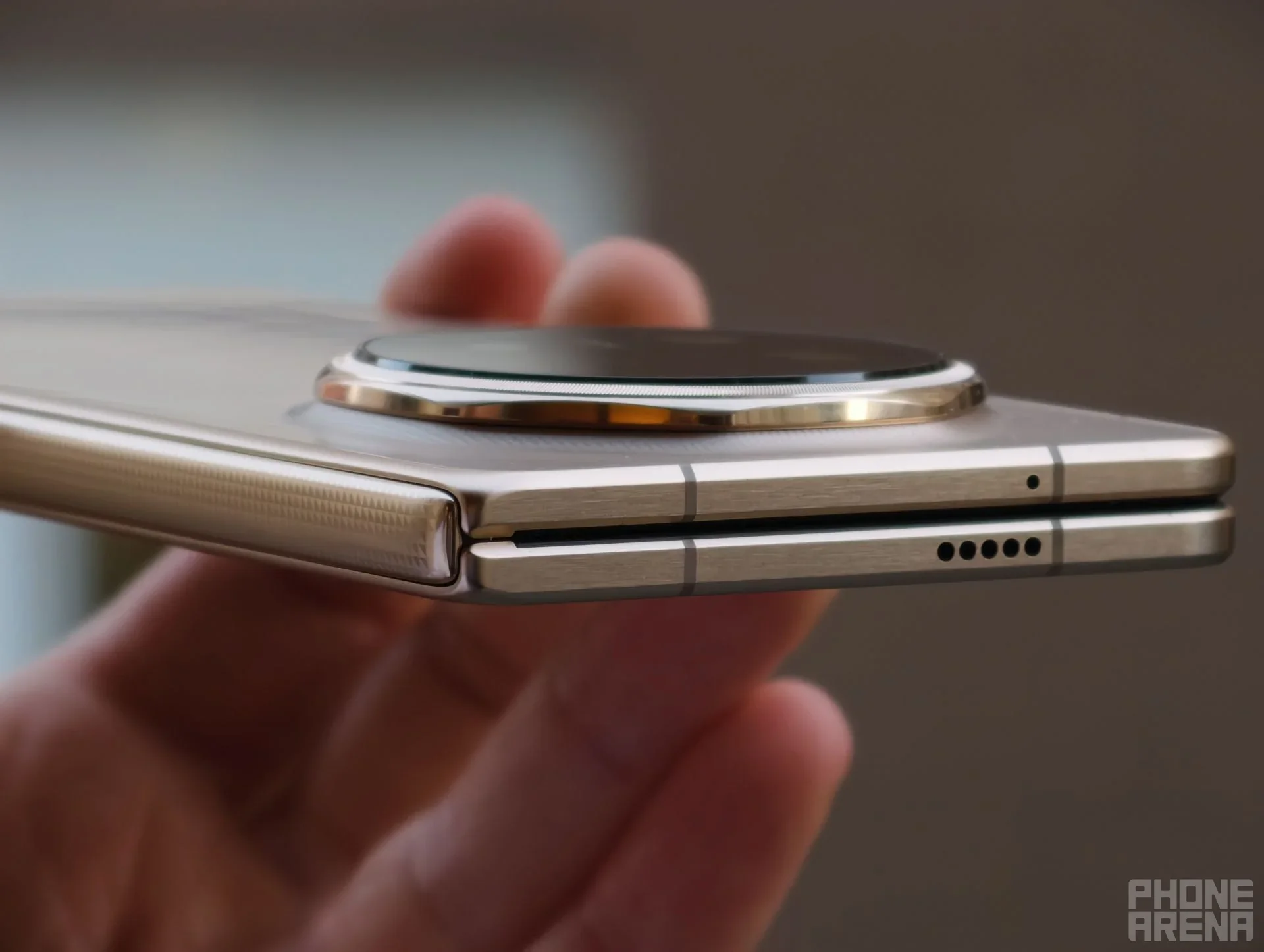
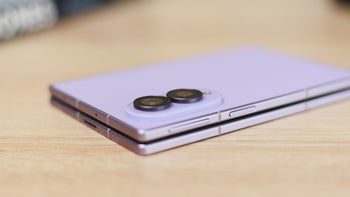
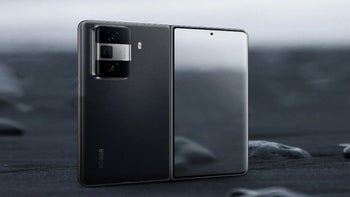
Foldables are also taking advantage of the battery revolution. The Honor Magic V6, for example, packs a 7,150 mAh battery (120W wired charging speeds) for its home market. Amazing.
Screens are getting more efficient
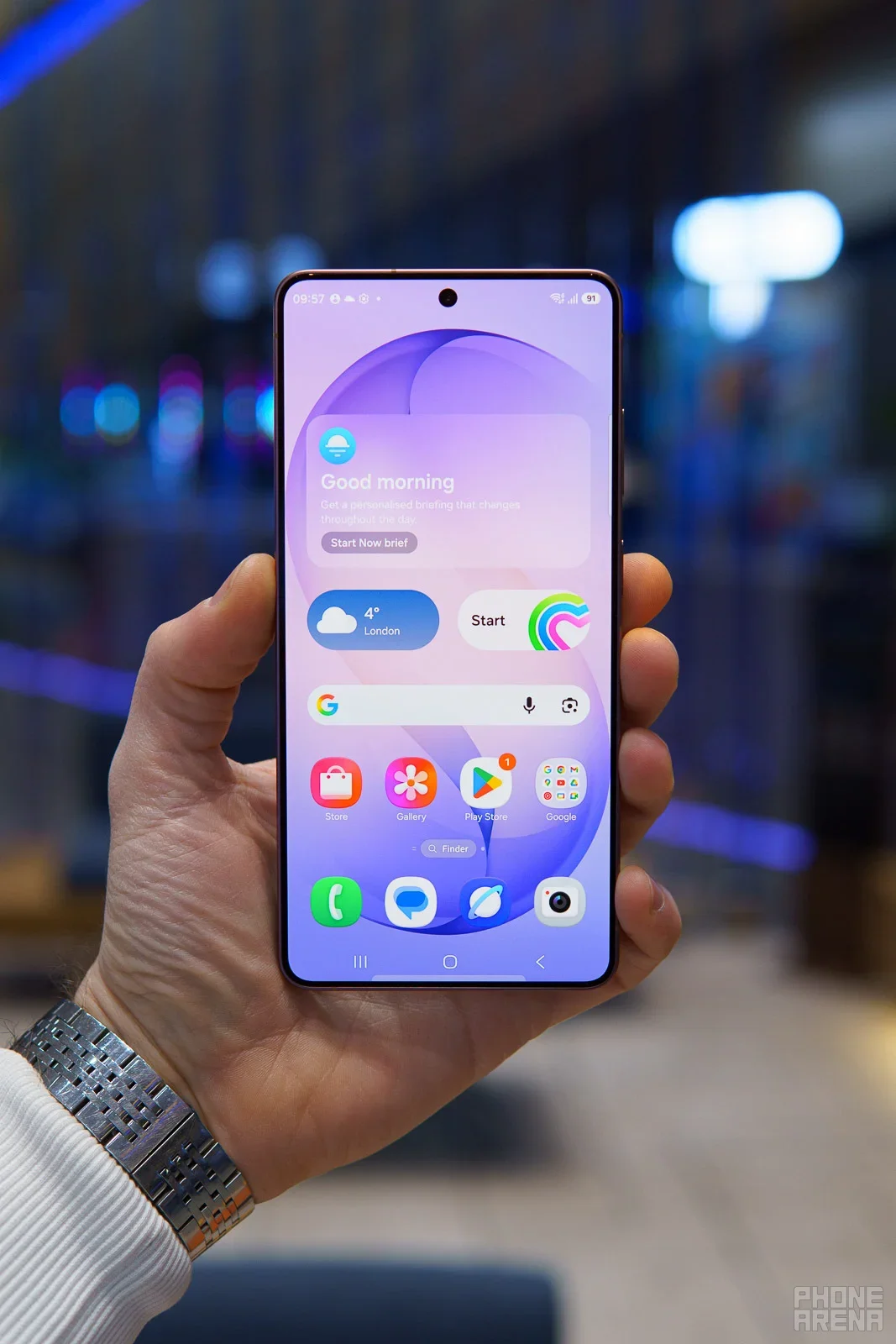
The Galaxy S26 Ultra's panel is heavy on efficiency, not performance. | Image by PhoneArena
But won't larger screens kill the advantages of a bigger battery? Maybe, if you're blasting 100% brightness and you've set a 120 Hz refresh rate all the time.
But a 0.3-inch bigger display – in case we're going from a ~6.7-inch screen to a 7-inch one – would probably not be enough to offset a battery cell that's gone from 5,000 to 10,000 mAh, right?
Moreover, modern-day display panels try to be more efficient. For example, the Galaxy S26 Ultra's panel is tuned to drain minimal power, despite the usage of the new M14 OLED material, which allows for a super-bright, super-colorful screen.
Chips also try to drain less power
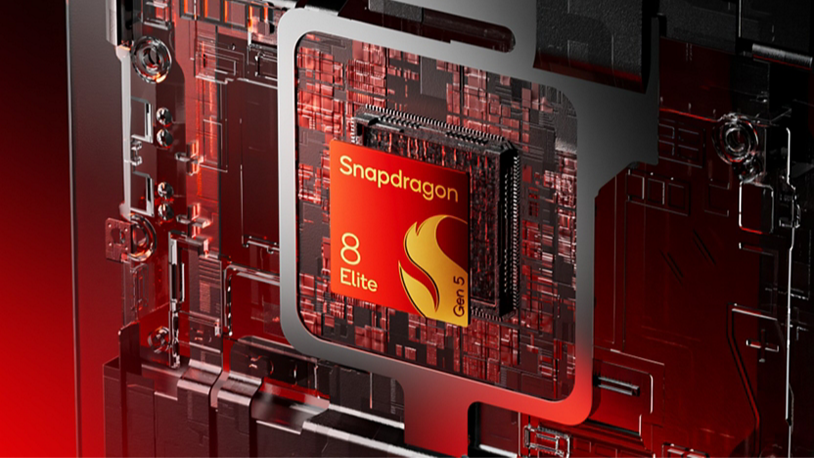
The Snapdragon 8 Elite Gen 5 is mighty powerful but highly efficient, too. | Image by Qualcomm
High-end chipsets like Qualcomm's Snapdragon 8 Elite Gen 5 (which almost all Android flagships today pack) are super powerful and often can become hot – that's why it's the phone's thermal management system that deals with this.
But high-end chipsets are not just about raw power. They are designed to use significantly less power than their predecessors while still boosting performance. For the aforementioned chip, Qualcomm engineers reworked its key components – including the CPU, GPU and AI accelerators – with a focus on reducing energy use in everyday tasks, which can result in cooler operation and improved battery life in phones.
The company claims that overall the new chipset delivers up to around 35% better power efficiency compared with the previous Snapdragon 8 Elite model, meaning it can do more work while drawing less energy from the battery. Qualcomm also tuned thermal and power management through software, letting different parts of the chip scale power use smartly based on the workload.
The way of the future
The Magic V6 is a battery monster. | Image by PhoneArena
It'd be sad to see compact phones go – I'm already stuck with large-screen flagships because of my mobile camera addiction. Truth to be told, I've grown accustomed to this experience and since I've got big hands, I don't find large phones difficult to operate. But there's just something about 5.9-inch phones that bigger, bulkier flagships simply can't offer: the feeling of ease.
Get iPhone 18 Pro with Visible, get $480 off!
$719
/mo
$1199
$480 off (40%)
On the Visible+ Pro plan, you get access to 5G Ultra Wideband data on Verizon's fastest network. Along with unlimited roaming across Mexico and Canada, 2 days of Global Pass per month, 3x hotspot speeds, 4K streaming, and Smartwatch service.
Sebastian is one of PhoneArena’s senior opinionators. A veteran news writer with almost 20 years of experience in media and technology, he not only covers all the hot news about Galaxies and iPhones, but often provides hot takes on industry trends. He’s fascinated with camera-focused flagships from the likes of Oppo and Vivo, as well as foldable phones.
A discussion is a place, where people can voice their opinion, no matter if it
is positive, neutral or negative. However, when posting, one must stay true to the topic, and not just share some
random thoughts, which are not directly related to the matter.
Things that are NOT allowed:
Off-topic talk - you must stick to the subject of discussion
Offensive, hate speech - if you want to say something, say it politely
Spam/Advertisements - these posts are deleted
Multiple accounts - one person can have only one account
Impersonations and offensive nicknames - these accounts get banned
To help keep our community safe and free from spam, we apply temporary limits to newly created accounts:
New accounts created within the last 24 hours may experience restrictions on how frequently they can
post or comment.
These limits are in place as a precaution and will automatically lift.
Moderation is done by humans. We try to be as objective as possible and moderate with zero bias. If you think a
post should be moderated - please, report it.
Have a question about the rules or why you have been moderated/limited/banned? Please,
contact us.






Things that are NOT allowed:
To help keep our community safe and free from spam, we apply temporary limits to newly created accounts: