A new report suggests that Apple is working on a multispectral imaging technology for future iPhone cameras. The new tech could improve Visual Intelligence, help with better material detection, and boost the processing of images, suggests the report.
Apple may be planning to include multispectral image tech for iPhones
Tipster Digital Chat Station is now saying that the Cupertino tech giant is looking at components related to the aforementioned tech. The report comes from sources within the supply chain. However, the tipster mentions that Apple has yet to begin formal testing, so it's quite likely the technology is currently just being considered.
Unlike traditional smartphone photography, which uses red, green, and blue light, multispectral imaging captures image data across different wavelength bands. This approach could make the camera more sensitive to near-infrared or other narrow spectral ranges of light.
As a result, you can have a camera able to detect information that is almost "invisible" to traditional smartphone sensors.
Advantages of iPhones with multispectral imaging capabilities
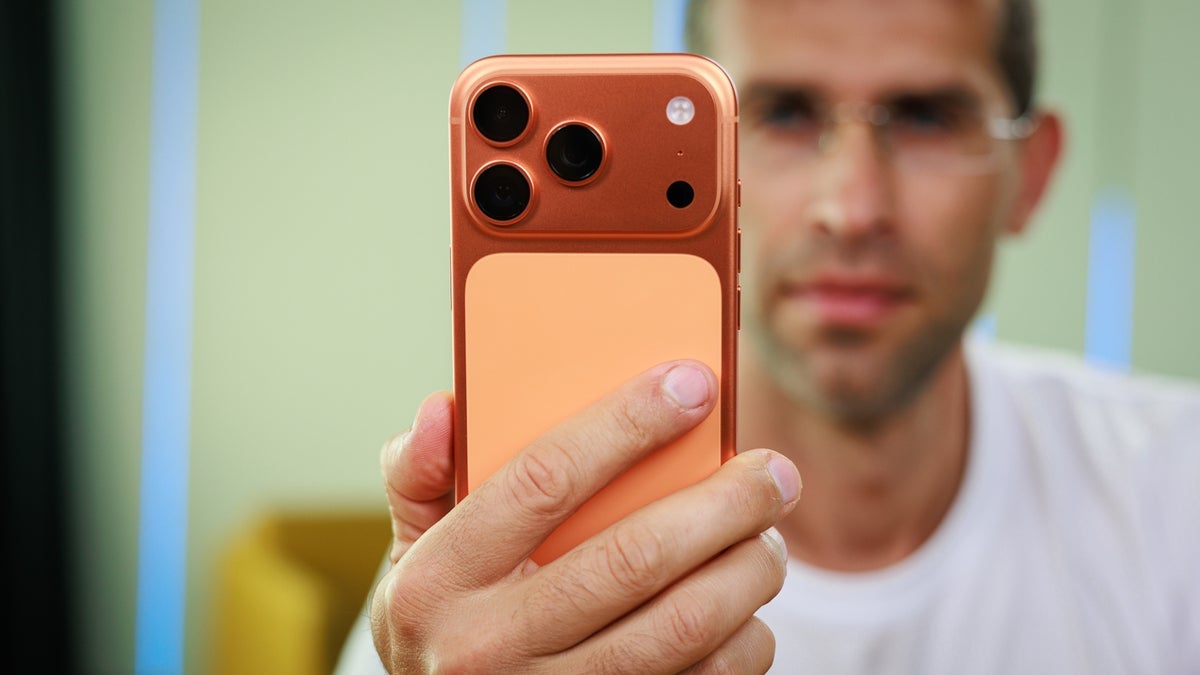
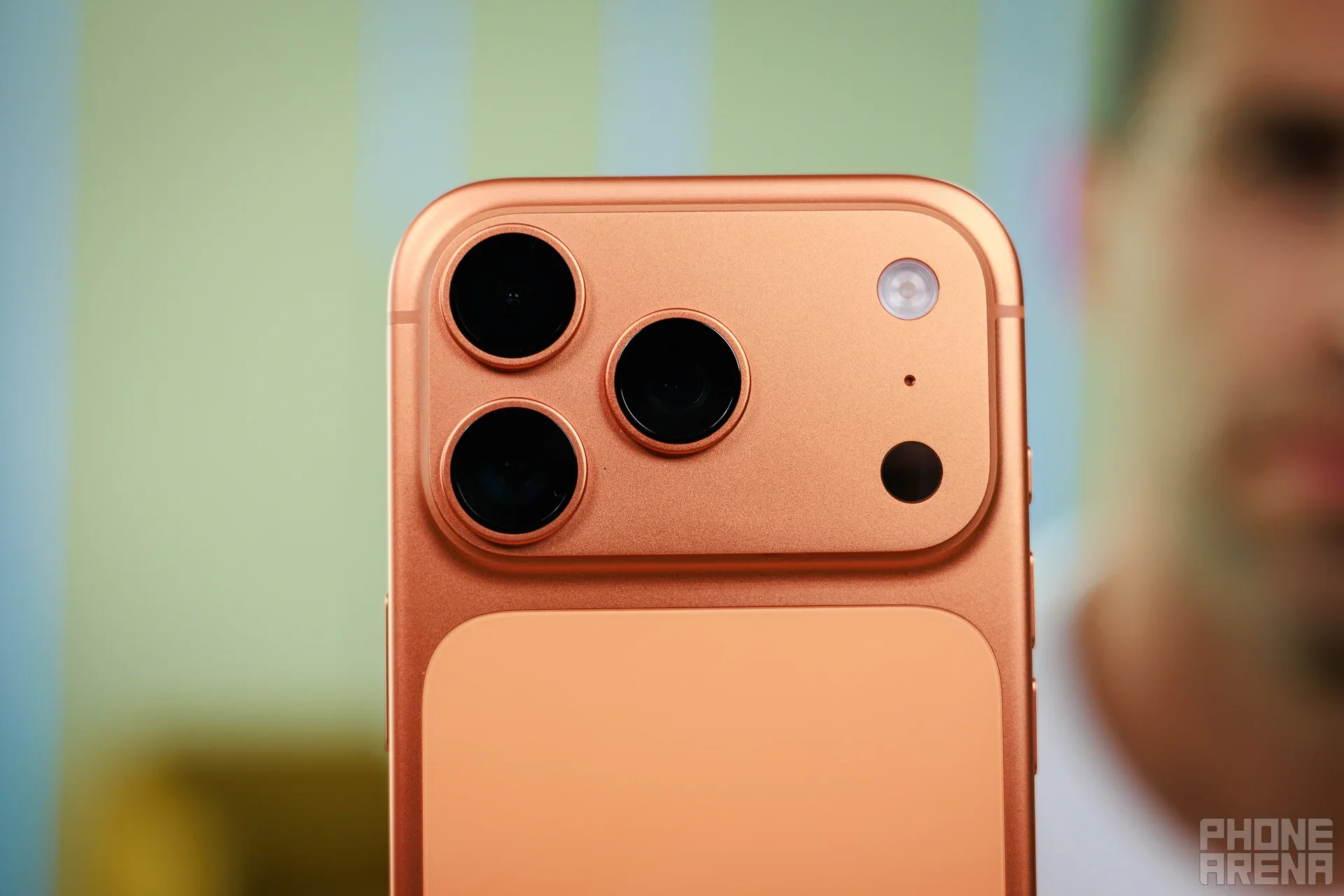
The iPhone 17 Pro. | Image Credit – PhoneArena
If Apple decides to go this route and include this tech in future iPhones, there are potentially some serious advantages that this could give to Apple's devices.
Recommended For You
One of the potential advantages is better material and surface differentiation. The new tech could potentially help analyze how different materials reflect light. This could mean that the iPhone's camera would be better able to distinguish between fabric, vegetation, skin, and reflective surfaces.
Which iPhone camera upgrade excites you more?
60 Votes
Smarter image processing and scene detection
13.33%
Bigger sensors and better low-light photos
43.33%
New camera tricks like variable aperture
10%
I just want my photos to look good, honestly
33.33%
And yep, that directly means that you may be getting cleaner subject recognition and better portraits.
But that's not all. Multispectral imaging could also help the iPhone process the photos better overall. Especially when we're talking about taking photos in mixed lighting environments.
In theory, this should also help with bettering Visual Intelligence and the Cupertino giant's on-device machine learning. This would, in turn, make object recognition improve, as well as stuff like better scene understanding and estimation of depth.
Obviously, that won't be an easy task to accomplish, though. If you add that extra sensitivity, you'll need a more complex sensor design. And as you can imagine, this would increase costs. There's also the internal space within an iPhone to consider.
These considerations may be why Apple is reportedly still evaluating the technology, instead of already playing with it in iPhone prototypes. And apparently, the tech isn't coming very soon to iPhones; it's likely not going to be ready for the iPhone 18 Pro or 19 Pro.
Speaking of the iPhone 18 Pro, Digital Chat Station said that the main camera of the iPhone 18 Pro may have a variable aperture. This, if true, is a serious upgrade that was also in the rumor mill for the Galaxy S26 Ultra.
Meanwhile, the telephoto camera of the 18 Pro may have a larger aperture. As for iPhones with 200MP cameras, those are also not yet being prototyped. Yep, it seems like the future of iPhone cameras is bright, but these upgrades may not be landing anytime soon.
If that upgrade happens for real, it's going to be a serious one
This kind of camera upgrade sounds exciting to me, even if it doesn't scream big megapixel numbers. Multispectral imaging is just the type of quiet improvement Apple loves – one that makes photos look better without you having to think about it.
Better material detection, cleaner portraits, and more accurate colors in tricky light are all things iPhone cameras already do well, and this could push them even further.
I also like that Apple seems to be taking its time here. This isn't an easy feature to add, and forcing it too early could do more harm than good. If multispectral imaging eventually helps the iPhone understand scenes better – not just capture them – that's a big deal. It may not arrive soon, but when it does, it could make everyday photos feel smarter and more natural, not just sharper. And I'm here for it.
Six-month unlimited plan is now 57% off
$90
$210
$120 off (57%)
Mint Mobile is now allowing you to get whichever plan you like for either three, six, or 12 months for just $15/mo. If you go for the six-month unlimited service, for instance, you'll now have to pay just $90 upfront instead of $210.
Iskra Petrova is a news writer at PhoneArena, where she covers mobile tech news and maintains the site’s device hubs with the latest leaked specs, rumors, and official details for upcoming phones. She joined PhoneArena in 2020 after three years in technical support for Microsoft Exchange, giving her practical experience with software infrastructure and troubleshooting. Iskra holds a Master’s Degree in Literature, which helps her translate complex tech details into clear, reader-friendly coverage. She is a daily Apple ecosystem user, while also closely following Sony Xperia’s camera-focused phones and Samsung’s Galaxy Z Flip series.
A discussion is a place, where people can voice their opinion, no matter if it
is positive, neutral or negative. However, when posting, one must stay true to the topic, and not just share some
random thoughts, which are not directly related to the matter.
Things that are NOT allowed:
Off-topic talk - you must stick to the subject of discussion
Offensive, hate speech - if you want to say something, say it politely
Spam/Advertisements - these posts are deleted
Multiple accounts - one person can have only one account
Impersonations and offensive nicknames - these accounts get banned
To help keep our community safe and free from spam, we apply temporary limits to newly created accounts:
New accounts created within the last 24 hours may experience restrictions on how frequently they can
post or comment.
These limits are in place as a precaution and will automatically lift.
Moderation is done by humans. We try to be as objective as possible and moderate with zero bias. If you think a
post should be moderated - please, report it.
Have a question about the rules or why you have been moderated/limited/banned? Please,
contact us.








Things that are NOT allowed:
To help keep our community safe and free from spam, we apply temporary limits to newly created accounts: