Editorials · Reviewer Insight
The iPhone 20 will ruin Android phone design, and I’m already dreading it
I’ve covered mobile since 2013, and the iPhone 20 design has me worried for the whole industry.
This article may contain personal views and opinion from the author.
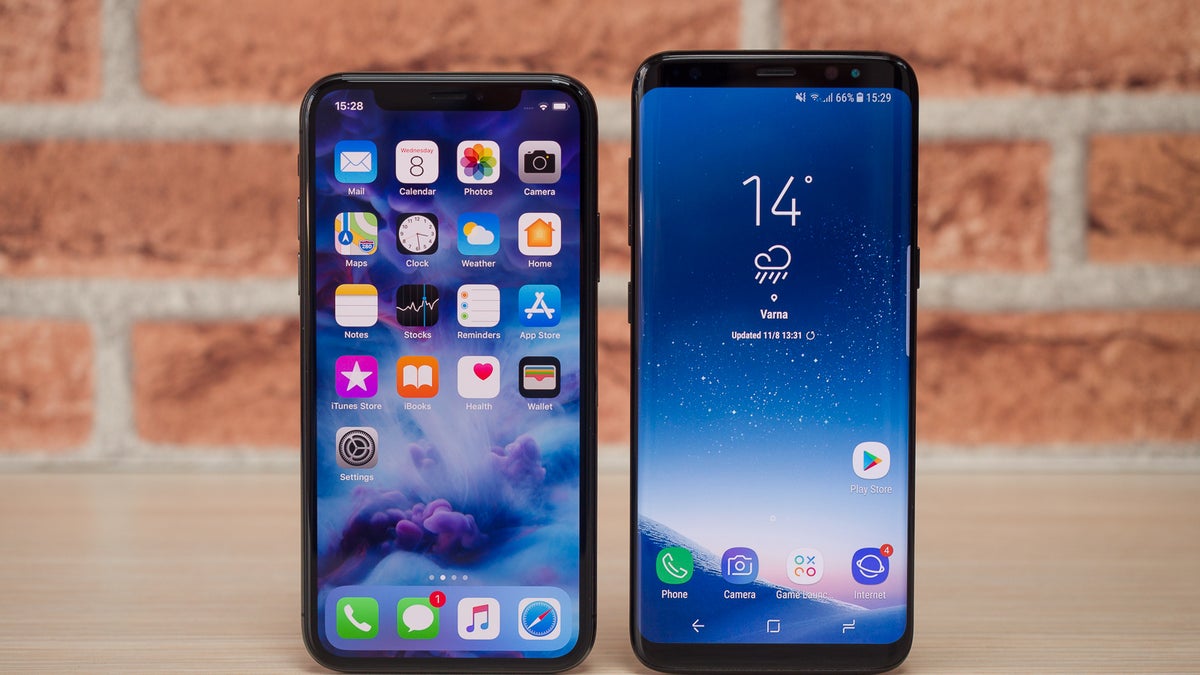
The last time a curved-screen phone looked good was in 2017. | Image by PhoneArena
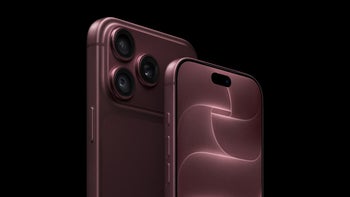
If we are to believe the rumors, Apple's anniversary iPhone 20 is coming in 2027 with a new "waterfall" design that will have the display curve on all four sides. Dubbed "iPhone X on steroids" by Bloomberg's Mark Gurman, the iPhone 20 will probably have the same industry impact as the genre-defying iPhone X had a decade ago.
Granted, a lot of water will have to pass under the bridge before we see the potential iPhone 20 in its full glory in 2027, but the prospect of what it could become is already making me dread its arrival.
You see, it's all because of those rumored curves of the display.
You see, it's all because of those rumored curves of the display.
I might be jumping the gun here, but I'm certain Apple will do something excessively extraordinary with the iPhone 20 design, and each of its rivals will be looking closely, meaning this benign era of fully flat displays might be nearing its end.
I would never buy the iPhone 20, but I will suffer because of it nonetheless
Once the iPhone 20 arrives with its hot quad-curved waterfall screen, you and I both know that we can expect a wave of copycats from the Android scene, which will copy the design language and try to bask in the same fame as the anniversary iPhone.
We've seen it countless times before –– Android manufacturers usually beat their chests that they are always super-original and innovative but silently copy pretty much each design trend that Apple has undertaken.
Orange phones? The iPhone 17 Pro did not invent the Cosmic Orange color, but it sure did make not one or two Android makers release phones in a suspiciously similar hue.
The Apple Watch Ultra? Sure, Samsung's Galaxy Watch Ultra wasn't an exact copy of it, but the general idea and execution screamed "Apple!" from a mile away.
Even the flat design language that I professed my love for was mostly influenced by Apple. Before the iPhone 12 generation, most Android phones still featured convex frames that slightly curved outwards. Yet after Apple got rid of that iPhone design element, so did most of its Android rivals.
Coincidence? Not at all.
I admit, witnessing the Galaxy S8 back in 2017 has left a pretty big impression on me, as its dual-curved screen was a sight to behold. Ironically, it's the one and only great phone with a curved display, as this design trend was hot for a total of twenty minutes after the phone went on sale.
Every other device since has been hoping to achieve the same success but ultimately failed to do so, so pretty much every company out there, aside from Motorola, has altogether ceased to develop devices with curved screens.
Curved displays belong in 2017
I admit, witnessing the Galaxy S8 back in 2017 has left a pretty big impression on me, as its dual-curved screen was a sight to behold. Ironically, it's the one and only great phone with a curved display, as this design trend was hot for a total of twenty minutes after the phone went on sale.
Every other device since has been hoping to achieve the same success but ultimately failed to do so, so pretty much every company out there, aside from Motorola, has altogether ceased to develop devices with curved screens.
Many Android phones will re-adopt curved screens, and I dread that
We have it good right now. Pretty much all modern devices, with a few notable exceptions, have flat displays. We get the maximum usable screen real estate with no awkward curves that slope to the sides.
You get no glare from the curved edge of the screen, your grip is excellent thanks to the flat frame, and you don't have to be wary of accidental ghost touches. Finally, the selection of glass screen protectors for phones with curved displays was laughably poor due to obvious reasons.
Sadly, this era will likely come to an end once the iPhone 20 rolls out.
Impracticality will trump functionality, and curves will take over right angles and edges that just make sense.
I hope I will be wrong, but my experience with the mobile industry since 2013 (when I joined PhoneArena) points out that once Apple says, "Jump!", most Android manufacturers out there usually reply, "How high?"


Popular stories
Latest News




Things that are NOT allowed:
To help keep our community safe and free from spam, we apply temporary limits to newly created accounts: