Exynos chips have historically been viewed as inferior to Snapdragon. And yet, Samsung hasn't abandoned them, including Exynos SoCs in some of its most premium phones, including the Galaxy Z Flip 7 and the Galaxy S26 (in select markets).
The brand has worked heavily on improving its in-house silicon, but a new report suggests the upcoming Exynos 2700 may be radically different in a key area.
A potential architectural shift inside Exynos
A Sisa Journal report indicates that Samsung may be planning to dramatically change the design of its upcoming flagship silicon. Supposedly, the brand is looking to ditch a high-end stacked design WLP (wafer-level packaging) in favor of a Side-by-Side (SbS) arrangement.
According to the report, Samsung will arrange the chip and DRAM horizontally rather than stacking them vertically. Supposedly, Samsung is moving to this design in order to keep profitability.
What would make the Galaxy S27 lineup a must-have?
335 Votes
A more powerful processor
3.58%
A completely different battery approach
40.3%
A camera overhaul
36.42%
Adoption of the Privacy Display tech on all models
19.7%
WLP played its part
For years, Samsung chips were plagued by severe heat problems, which eventually earned them a bad reputation. But since the WLP process was introduced, the South Korean tech giant has improved heat management in its processors.
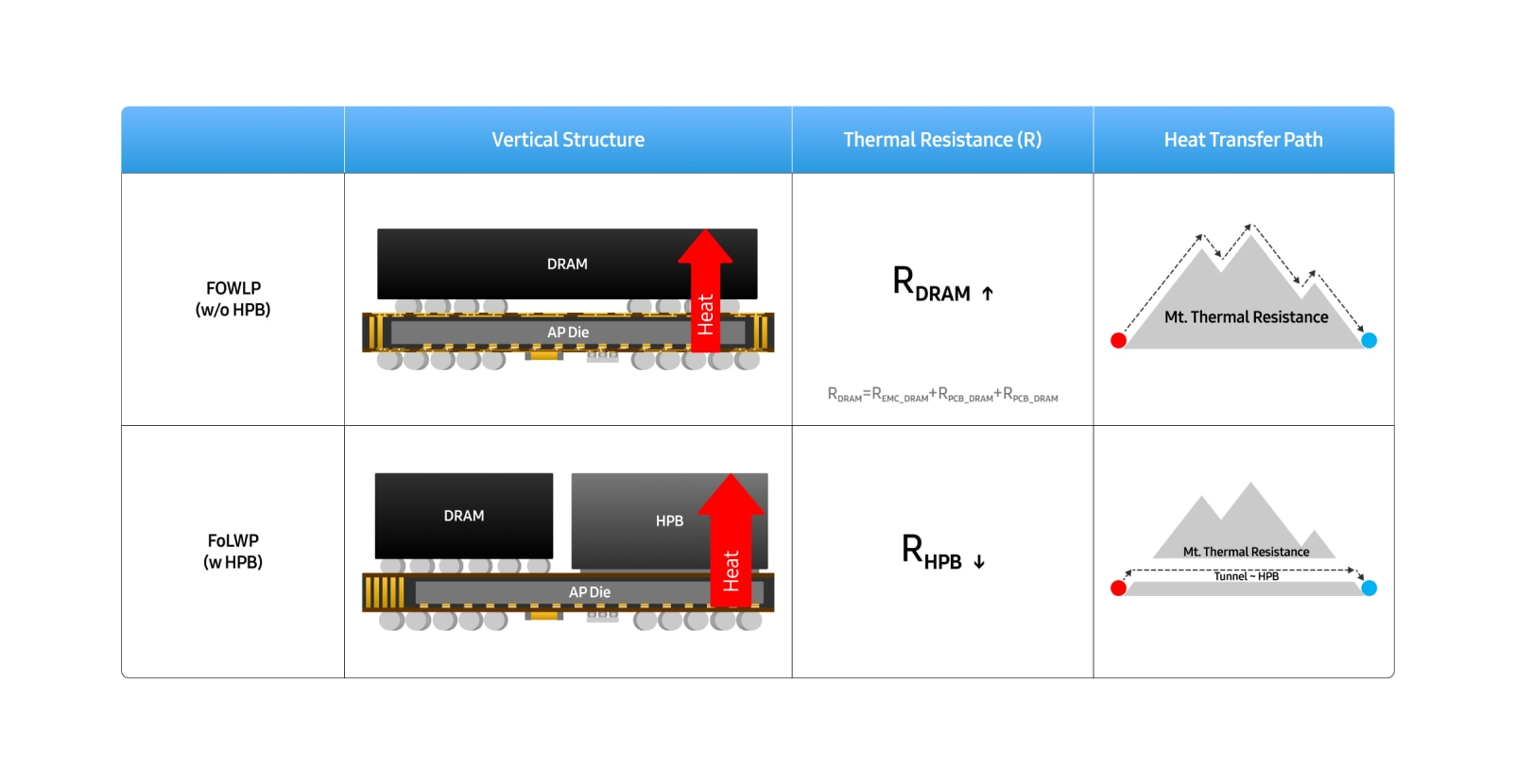
When the Exynos 2400 was introduced, Samsung advertised it reduces thermal resistance by 16%. Since 2024, the company has used the WLP process to ensure optimal heat management. In the Exynos 2600 chip, it also adds a Heat Path Block (HPB) technology to further improve thermal management.
Recommended For You
Heat Path Block layout. | Image by Samsung
Another advantage of the WLP process is size. By stacking components vertically, Samsung ensures its chip is exceptionally small, allowing it to experiment with thickness on its flagship lineups.
Despite its numerous benefits, WLP has reportedly become too complex and expensive to manufacture, practically forcing Samsung to adopt a different strategy. But what does the new design mean for users?
A dive into the unknown?
If Samsung moves away from WLP, this doesn't necessarily mean the Exynos 2700 will be less thermally efficient than the previous generation. The company is expected to retain the HPB system introduced with the Exynos 2600.
The Exynos 2400 was the first Samsung SoC with a WLP packaging. | Image by Samsung
The idea behind SbS is to actually expand the heat dissipation area, thus possibly enhancing the cooling efficiency. And with HPB on deck, the upcoming chip might actually surpass its predecessor.
The Exynos 2700 is being developed without setbacks using the flagship technology competitiveness secured from its predecessor, the Exynos 2600. We expect to further expand our market share by enhancing AI performance.
Shin Seung-cheol, Executive Vice President and Head of System LSI Sales at Samsung Electronics
Expensive doesn't always mean impressive
At first glance, Samsung's shift seems worrying. With Exynos' historical track record, any major change raises doubt. But looking deeper, I'm actually feeling optimistic.
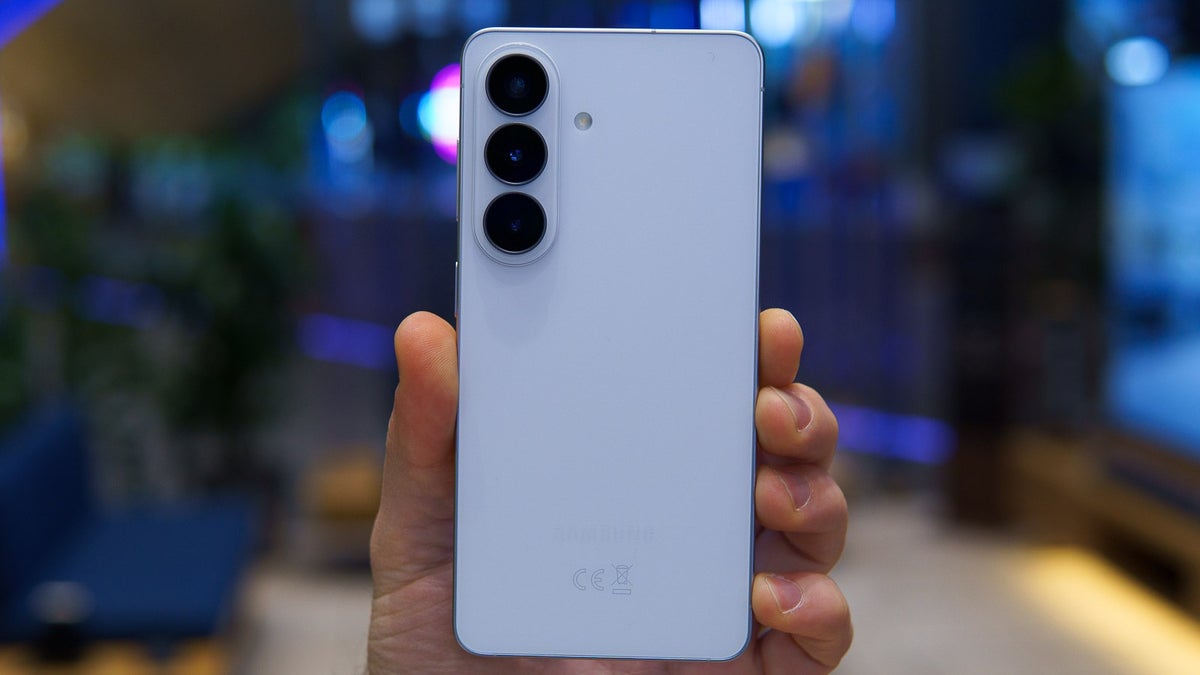
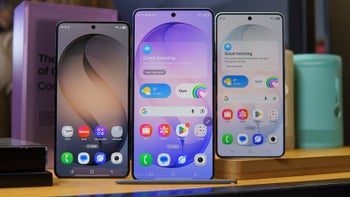
Will the Galaxy S27+ be more powerful than its predecessor? | Image by PhoneArena
As I see it, the tech giant realistically can't abandon its in-house silicon efforts. By continuing to develop Exynos, it maintains leverage in negotiations with Qualcomm while preserving a solid option if the external supply rules suddenly change. Without Exynos, that key advantage is inevitably lost.
If it can't step back from the project, then the logical solution is to keep developing it. Taking risks is one of the best ways to ensure progress is happening, and I find myself looking forward to the Galaxy S27 more than I initially expected.
Six-month unlimited plan is now 57% off
$90
$210
$120 off (57%)
Mint Mobile is now allowing you to get whichever plan you like for either three, six, or 12 months for just $15/mo. If you go for the six-month unlimited service, for instance, you'll now have to pay just $90 upfront instead of $210.
Polina Kovalakova, a News and Affiliate Content Writer, has nurtured a passion for mobile technology since the era before smartphones. With a history of exploring a variety of devices, her insights into the mobile world are both broad and nuanced. Polina's non-partisan view extends to appreciating nearly every smartphone brand, a reflection of her open-minded approach to technology. Polina is equally passionate about uncovering the best online deals, tirelessly working to ensure her readers snag top-tier tech at unbeatable prices.
A discussion is a place, where people can voice their opinion, no matter if it
is positive, neutral or negative. However, when posting, one must stay true to the topic, and not just share some
random thoughts, which are not directly related to the matter.
Things that are NOT allowed:
Off-topic talk - you must stick to the subject of discussion
Offensive, hate speech - if you want to say something, say it politely
Spam/Advertisements - these posts are deleted
Multiple accounts - one person can have only one account
Impersonations and offensive nicknames - these accounts get banned
To help keep our community safe and free from spam, we apply temporary limits to newly created accounts:
New accounts created within the last 24 hours may experience restrictions on how frequently they can
post or comment.
These limits are in place as a precaution and will automatically lift.
Moderation is done by humans. We try to be as objective as possible and moderate with zero bias. If you think a
post should be moderated - please, report it.
Have a question about the rules or why you have been moderated/limited/banned? Please,
contact us.












Things that are NOT allowed:
To help keep our community safe and free from spam, we apply temporary limits to newly created accounts: