WWDC 2026 just wrapped up, and Apple unveiled a slew of new Apple Intelligence features. But how exciting are they, really?
I don't know how you felt, but while watching the keynote, I kept thinking one thing: why does this all feel like déjà vu?
Apple Intelligence is just Gemini, but backwards
I'm not going to lie: the addition of AI in the Shortcuts app was nice. But from then on, everything felt like a fiasco. In essence, Apple didn't release anything original (not that it was supposed to).
Every new AI feature the Cupertino tech giant introduced on June 8, 2026, has already been on Android phones... for a couple of years.
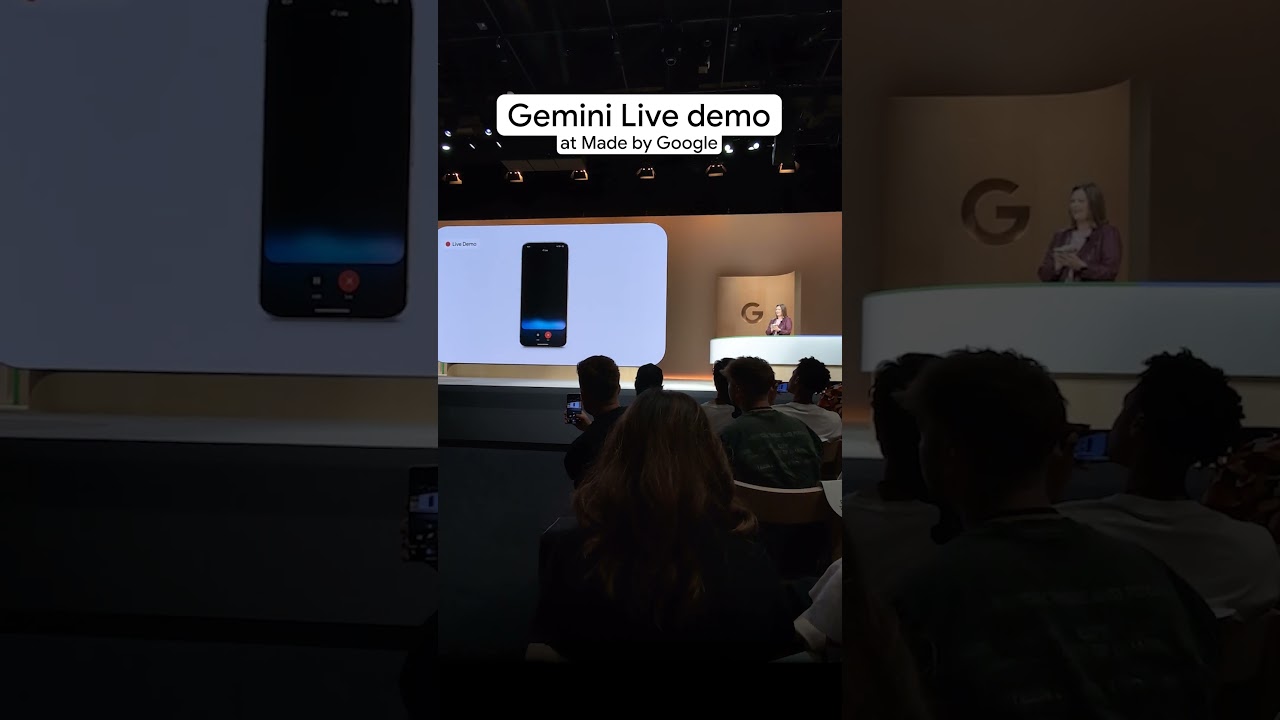
Examples are abundant, but one is especially notable. Apple Intelligence brings Siri AI, a conversational AI assistant. The highlight is that you can brainstorm ideas, ask questions, and even engage in conversations. That's nearly identical to what Gemini Live does on Google Pixel phones.
In fact, Gemini Live was launched in 2024 and has been continuously perfected, while it feels like Apple is just now making its baby steps in the AI assistant future.
The wait was long and frustrating
Apple Intelligence took its time to (actually) roll out. | Image by Apple
Apple first talked about Apple Intelligence in 2024, devoting 40 minutes of its important WWDC 2024 event to the capabilities of its new models. Back then, the company revealed a number of seemingly exciting presentations about how AI would look and work on iPhone.
Recommended For You
But then, it became clear that Apple didn't make an announcement. Instead, it showed a demo. A demo that painfully took two years to materialize.
Remember when Apple showcased on-screen awareness in 2024, explaining it would bring the feature to users in the 'coming year'? That quickly became 2026, but at least iPhone users finally get the feature.
The same goes for in-app actions, which was also teased during that prophetic WWDC 2024 event. Two years later, this is finally happening, with Shortcuts getting AI power to make it super easy to organize your routines.
The new and improved Siri is here. | Teaser by Apple
Don't get me wrong: it's always better late than never. But at this stage, everything feels like a desperate attempt to advance in something Apple doesn't appear to be really devoted to. Otherwise, it would have built its own AI models, right?
It even uses Gemini!
During WWDC 2026, Apple executives attempted a roast, claiming that some companies advance in AI simply for AI. And yet, the Cupertino tech giant actually works hand in hand with Gemini for its new Siri AI and the new Apple Intelligence features.
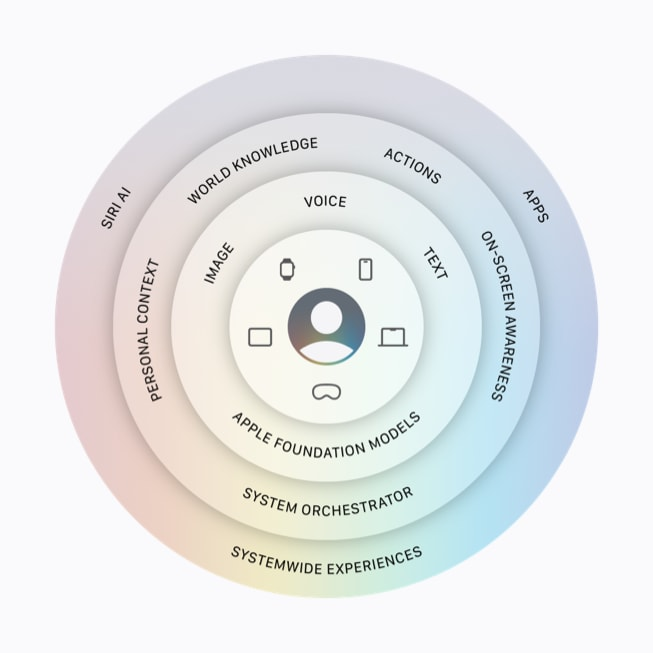
Yes, the Apple Foundation models, as the company calls them, are built in collaboration with Google and its own Gemini models.
This was an especially curious element of the whole event for me. Apple is first talking about how its own AI is better because it's more private and then admits its own AI isn't exactly 100% in-house.
And yet, I understand the logic behind all that. Why should you spend billions of dollars developing something that has already been developed? It's easier to just jump in and add your own sparkle of originality on top.
Plus, if Apple actually had to work on developing AI models completely in-house, I suspect many of the AI features it introduced would have been delayed for at least another two years.
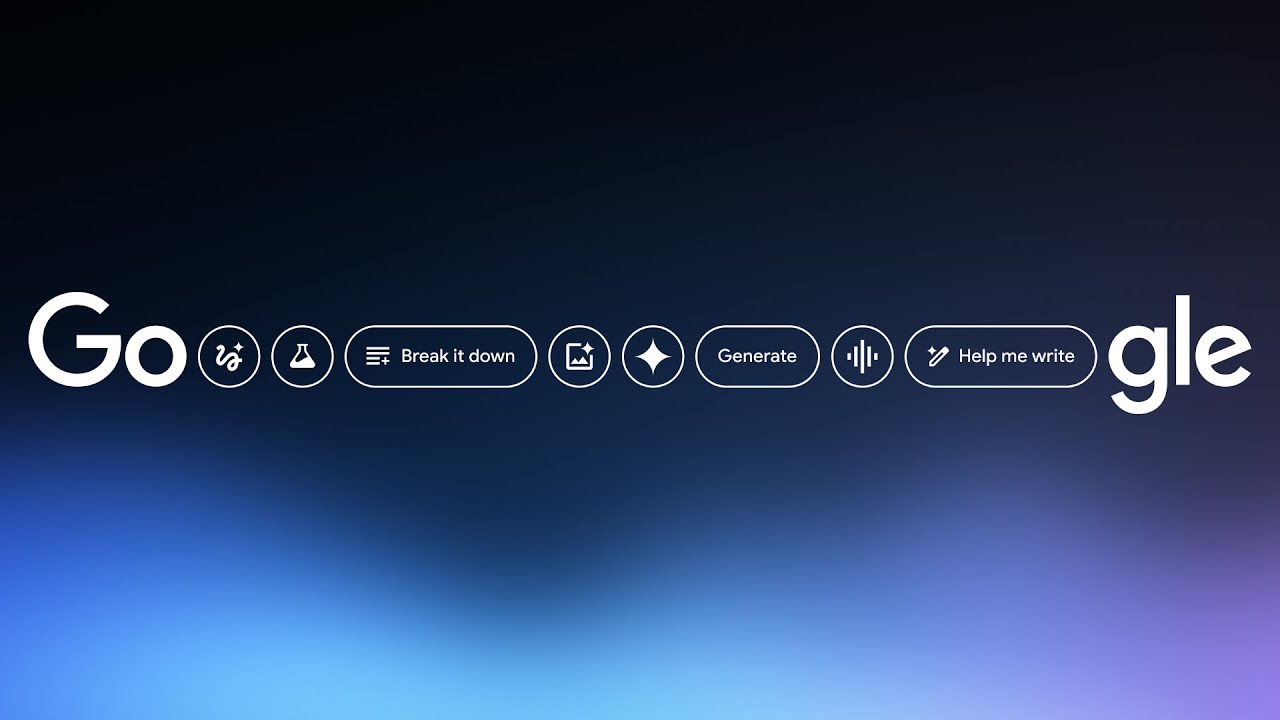
Gemini is the solution many didn't think they needed. | Teaser by Google
Back in 2024, Google launched its Gemini, an AI assistant that provides relevant information, takes action on your behalf, and more. With Gemini and Google AI, Pixel (and Android) users can get things done faster and optimize their daily routines.
Gemini, for example, can be used to look up upcoming concerts of your favorite musicians and set reminders. It also leads you straight to a Ticketmaster link, where you can buy tickets and have your details already filled in. Convenient, right?
During the WWDC 2026 Siri AI demo, Apple's shows that the assistant has some great new capabilities, such as letting users look up nutritional details using the Camera app. It also looks up details about their favorite singer's next concert.
But unlike Gemini, Siri AI won't fill in details for you, allowing you to just hit the 'buy' button and be all set with tickets. The WWDC demo shows Siri doing something much simpler: setting a reminder.
The privacy issue
Apple talked about 'privacy' and 'security' almost as much as it did about Apple Intelligence during WWDC 2026. The company explained that even AI tasks that are processed in the cloud don't get to Apple.
The Apple Intelligence architecture looks genuinly cool, but that's about it. | Image by Apple
Moreover, user information is being deleted immediately, reinforcing its privacy-first approach to AI. Privacy is indeed a major focus for Apple and has always been, and that truly matters if you want users to feel safe while using their devices.
Where does Google stand? Put simply, with Google, user data isn't 100% secure. Some of its AI features are on-device, but others are processed in the cloud, with Google using relevant info to continuously train its models.
Long before Google introduced Personal Intelligence, which allows Gemini to reference previous conversations to bring more relevant answers, some users had already noticed the assistant appearing to retain details from past interactions. One colleague of mine, for example, said Gemini remembered conversations and personal details even after he had deleted those chats.
I, for one, hate repeating myself. And when Gemini remembers things I've shared in the past, I can quickly get the answer I need and just move on with my day. Having to constantly explain myself and repeat context is tedious and, to me, undermines the whole idea of AI's convenience.
The bottom line is this: you either prefer convenience and personalized conversations with some privacy trade-offs, or you opt for the privacy-first approach and receive slightly fewer AI tricks on your devices.
Discrepancies that matter
Apple emphasizes keeping things secure and private when introducing features other brands have developed and released a couple of years ago. Others 'simply' advance in AI.
To me, Google's AI kingdom is much bigger, more complex, and filled with riches. Even if it has a weak spot here or there, I'm willing to take the risk.
For those who don't really need AI, though, Apple's approach will prove a way better.
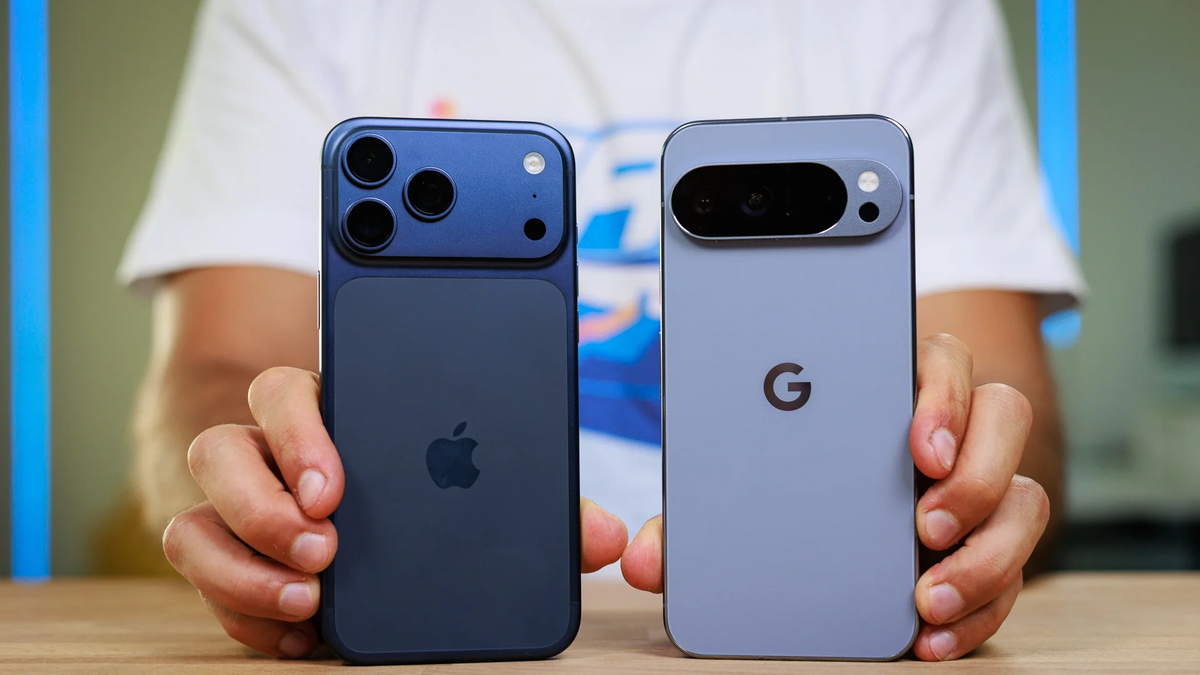
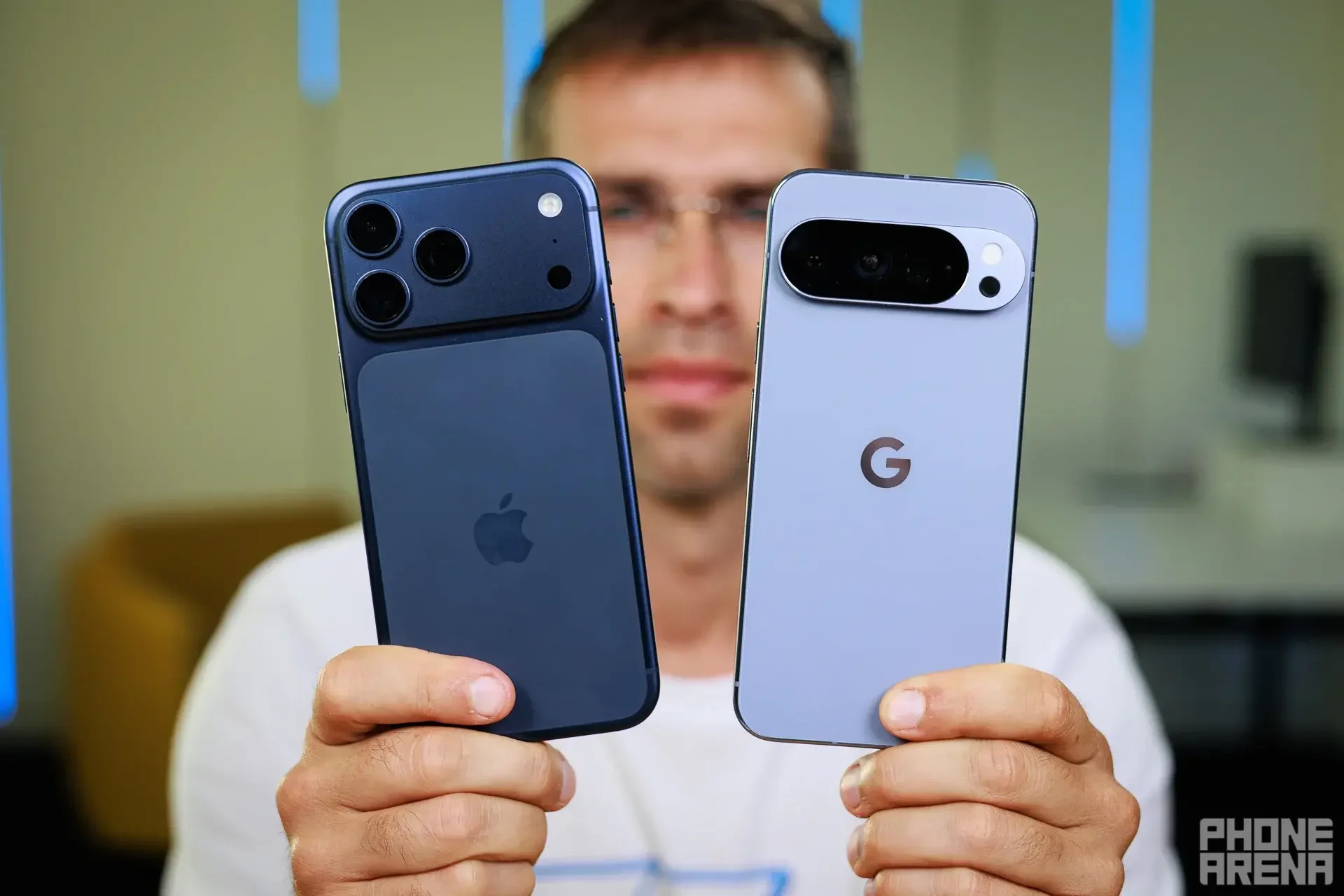
Which one do you choose, young Neo? | Image by PhoneArena
What about the industry as a whole? I think it's largely divided right now. In one corner stay Google, Samsung, and other major players, who continuously push for AI advancements.
In the other corner is Apple. It's also starting to play the AI game, but I still feel like it's either arriving late to the party or it's delivering on what it promised simply because it has to. Maybe, just maybe, the Cupertino tech giant doesn't believe the AI trend will live on and is simply waiting for this new craze to die out.
The backbone of AI
At the end of the day, all I'm trying to say is that Apple is playing catch-up like never before.
In fact, if we strip Apple Intelligence of its privacy-related flex, I don't think the company has much of a foundation to stand on. Ultimately, the features we saw today were neither new nor groundbreaking.
And after making grand AI promises at WWDC 2024, only to delay many of those features for two years, Apple has only made Gemini look better in my eyes.
Trade in your old phone for cash at ecoATM!
Recycle your used phone and get instant cash. Find out how at ecoATM!
Polina Kovalakova, a News and Affiliate Content Writer, has nurtured a passion for mobile technology since the era before smartphones. With a history of exploring a variety of devices, her insights into the mobile world are both broad and nuanced. Polina's non-partisan view extends to appreciating nearly every smartphone brand, a reflection of her open-minded approach to technology. Polina is equally passionate about uncovering the best online deals, tirelessly working to ensure her readers snag top-tier tech at unbeatable prices.
A discussion is a place, where people can voice their opinion, no matter if it
is positive, neutral or negative. However, when posting, one must stay true to the topic, and not just share some
random thoughts, which are not directly related to the matter.
Things that are NOT allowed:
Off-topic talk - you must stick to the subject of discussion
Offensive, hate speech - if you want to say something, say it politely
Spam/Advertisements - these posts are deleted
Multiple accounts - one person can have only one account
Impersonations and offensive nicknames - these accounts get banned
To help keep our community safe and free from spam, we apply temporary limits to newly created accounts:
New accounts created within the last 24 hours may experience restrictions on how frequently they can
post or comment.
These limits are in place as a precaution and will automatically lift.
Moderation is done by humans. We try to be as objective as possible and moderate with zero bias. If you think a
post should be moderated - please, report it.
Have a question about the rules or why you have been moderated/limited/banned? Please,
contact us.












Things that are NOT allowed:
To help keep our community safe and free from spam, we apply temporary limits to newly created accounts: