Editorials · Insider Reaction
The Galaxy A57 leans embarrassingly close to the Galaxy A56: progress or regress?
The mid-range arena will soon welcome another player, but who'll want to play with it?
This article may contain personal views and opinion from the author.
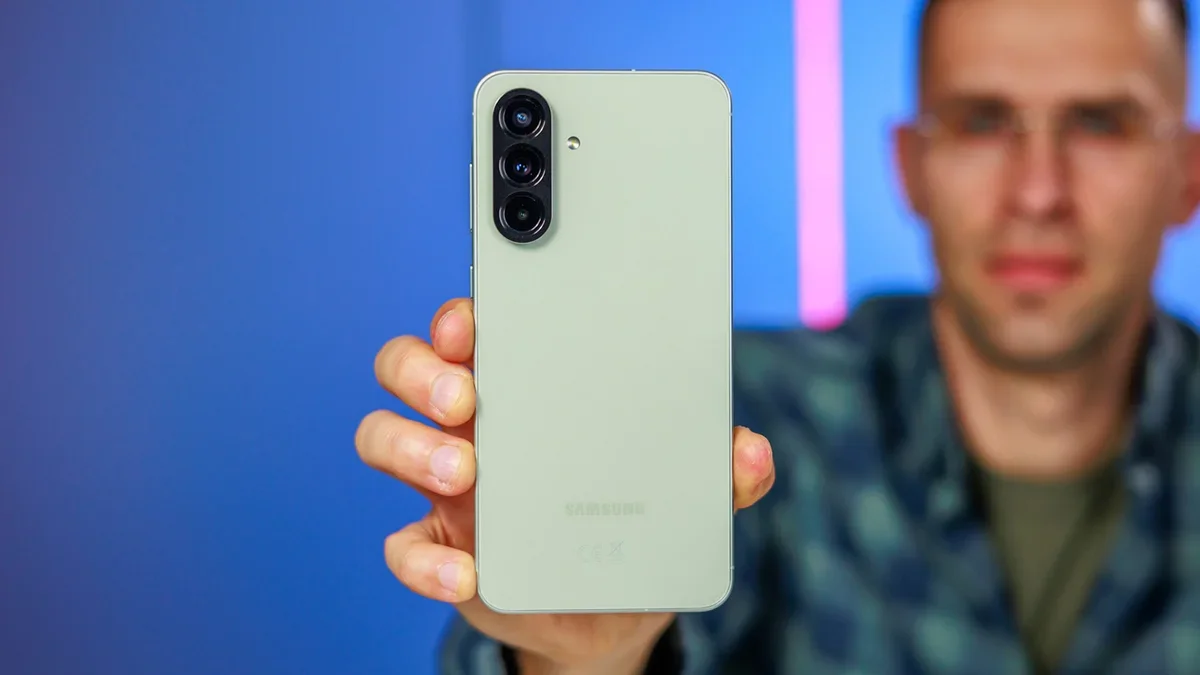
That's the Galaxy A56 for reference. | Image by PhoneArena
But you have to choose carefully.
Leaving Apple and the iOS genre aside, I think most people will end up with a Samsung phone from their Galaxy A5x series, especially if the hypothetical buyer is not particularly tech-savvy. I'm not saying that Sammy's mid-rangers should be avoided – they're fine – but I think this series' popularity owes much to Samsung's overall reputation and recognition across the world.
Since the Galaxy A57 is the next installment (and it's approaching fast; it's expected in March… or even earlier), it's logical to dive a bit deeper into this particular mid-ranger.
Big leap? Not so fast
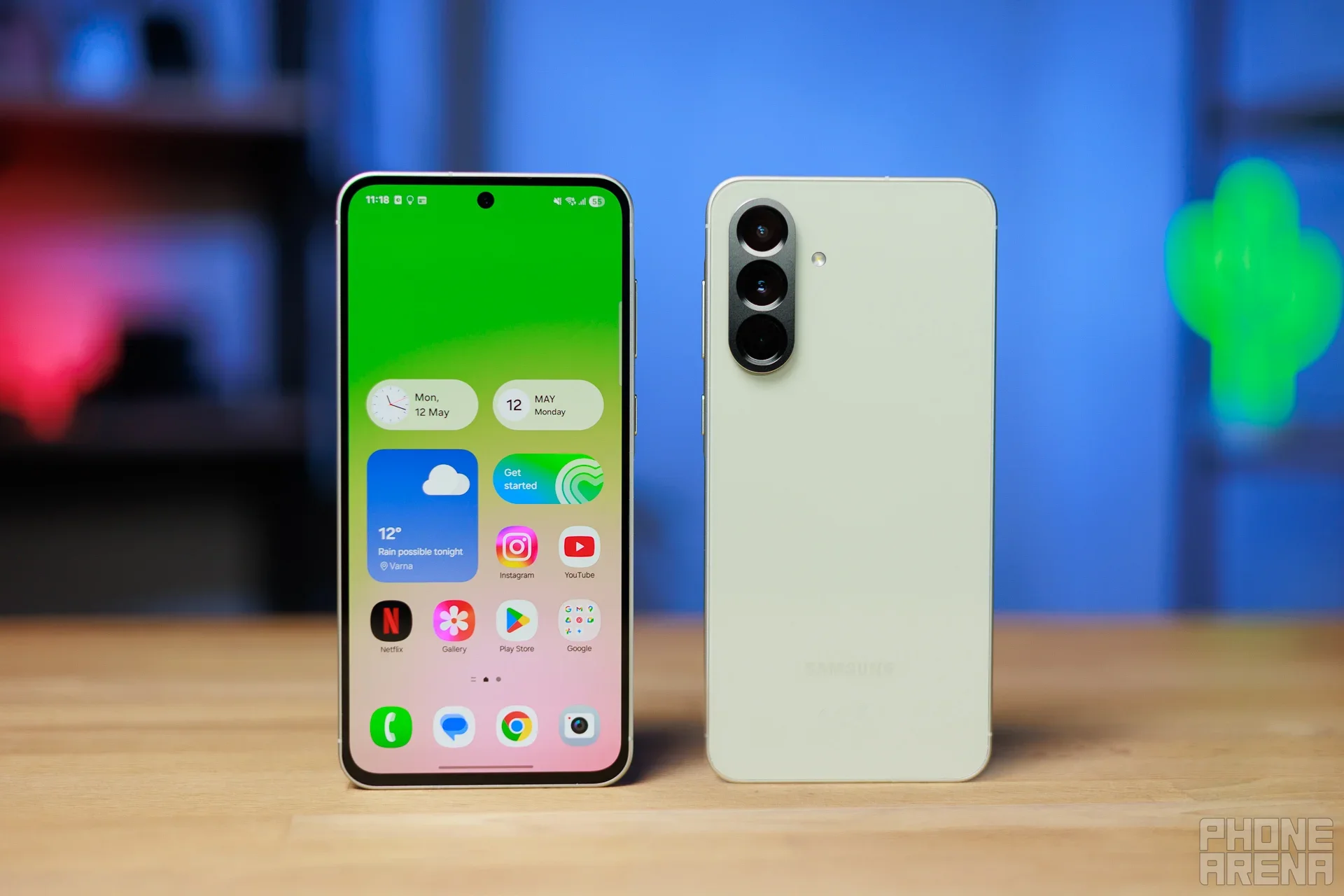
The A56 will 'donate' itself to the A57, as it seems. | Image by PhoneArena
Now, about the Galaxy A57. If you were hoping for a big leap forward from the A56, brace yourself: Samsung is playing it safe. On paper, the most notable upgrade is the Exynos 1680 chipset, which should bring a GPU and efficiency bump thanks to its 3nm process.
That's promising, and it could mean smoother gaming and better heat management, but everything else seems largely recycled. Early info speaks of the same 6.6-inch Super AMOLED display, same triple-camera setup led by a 50MP main sensor, same 12MP selfie cam, and worst of all, the battery remains at 5,000mAh with 45W charging.
Samsung could have pushed the envelope a little more here, especially when rivals are steadily upping battery size and charging speed in this price tier.
Don't get me wrong, the A57 will absolutely, definitely, positively work fine for the average user. Apps will run smoothly, the display will look vibrant, and the cameras are competent enough for casual snaps.
But it's hard to ignore that Samsung is basically repeating what it did last year, only swapping in a slightly faster chipset.
Hello, Moto!
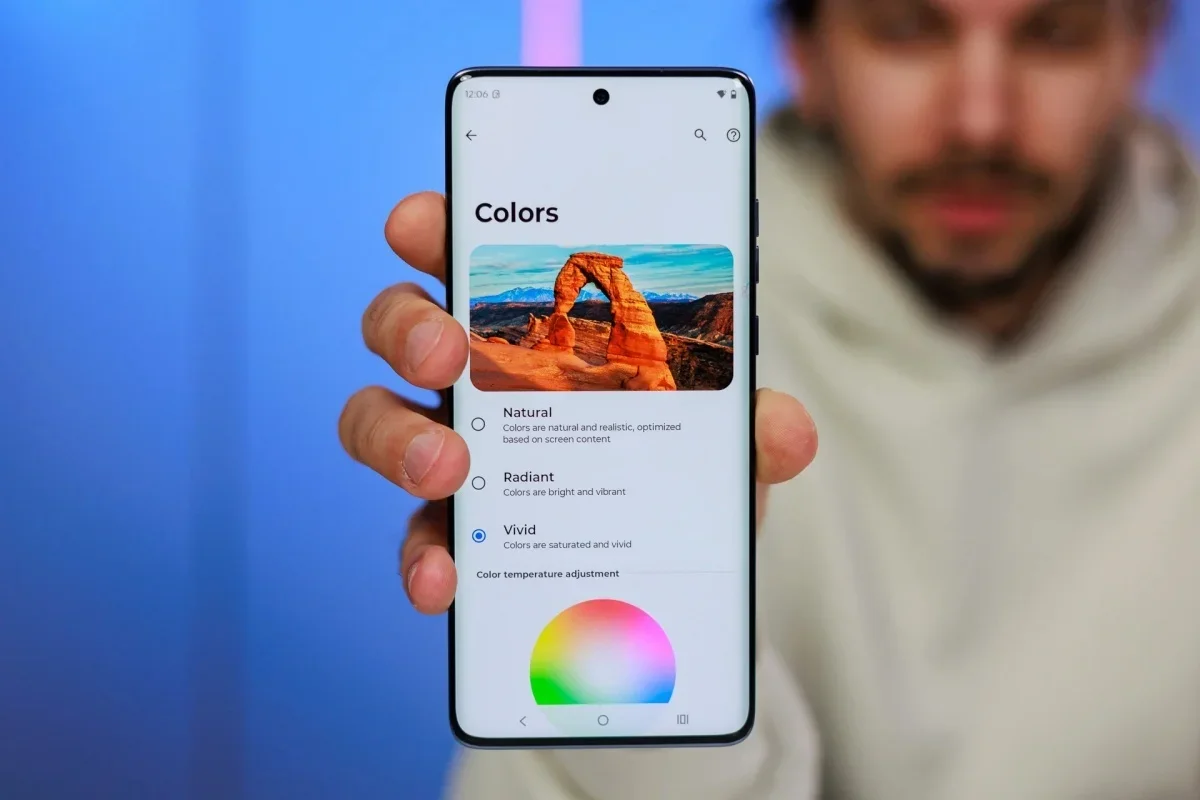
The Edge 70 Fusion might get an even better display. | Image by PhoneArena
Contrast that with the upcoming Motorola Edge 70 Fusion, which feels like a phone built to impress.
The rear 50MP camera (Sony LYTIA sensor) and 32MP front shooter promise solid imaging capabilities, while the Snapdragon 7s Gen 3 processor, paired with 8 or 12 GB of RAM and 256 GB of storage, should translate to a decent performance level.
Sure, in synthetic benchmarks the Snapdragon 7s Gen 3 may fall slightly behind even the Galaxy A56's Exynos 1580 – but the Edge 70 Fusion's 7,000mAh battery more than makes up for it. Oh, yes, it also supports 68W charging speeds, which is a revelation in a world of 45W speeds.
Of course, you'll get fewer software updates with Motorola, so keep that in mind.
Which one to choose?
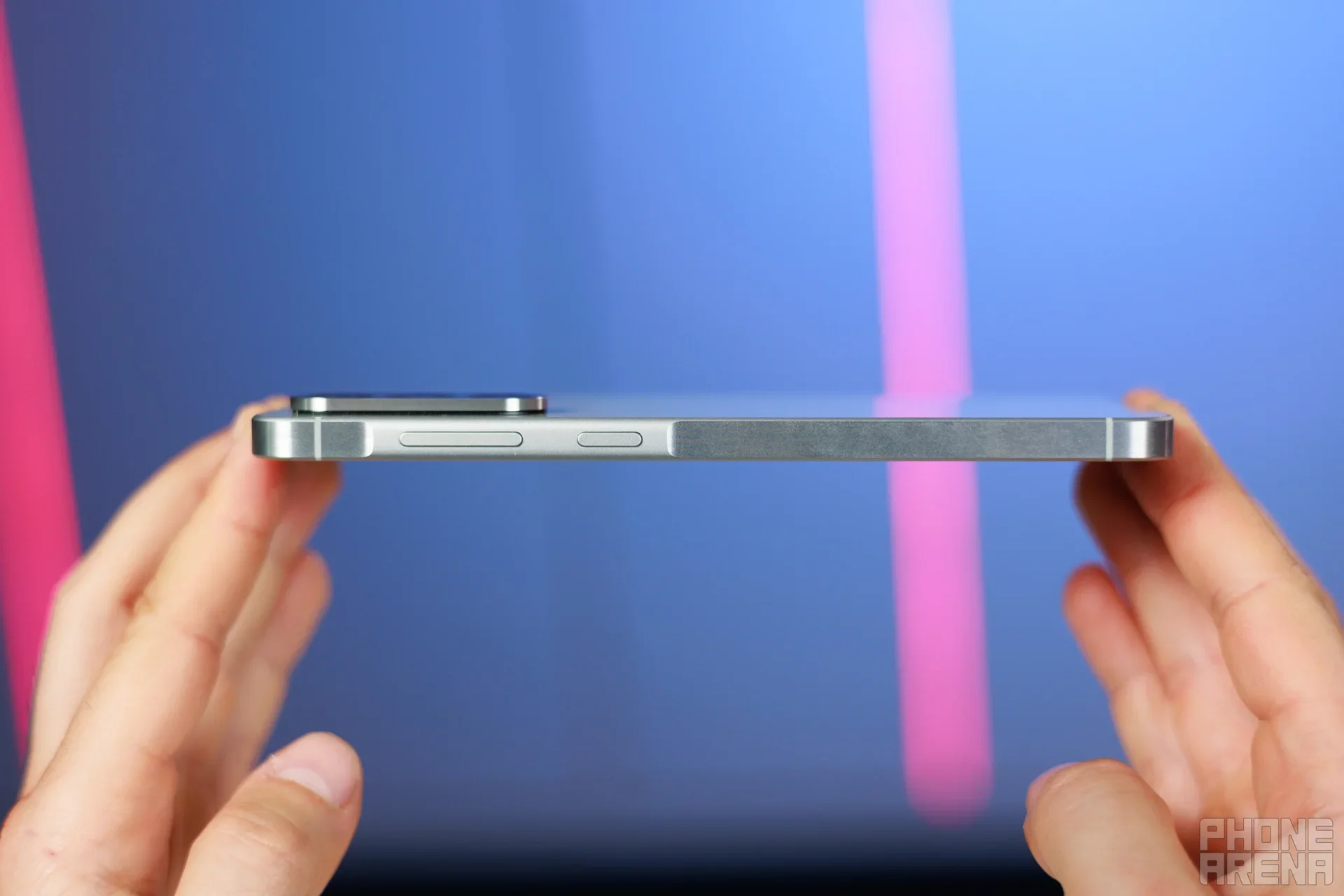
Mid-rangers are cool... and plenty. | Image by PhoneArena
Now, let's be honest: neither phone is a flagship, and that's fine. Mid-rangers have limits, and anyone looking for top-tier gaming or photography knows to spend more.
But if I had to pick between the two, I'd lean toward the Moto. Even if Samsung's Exynos 1680 delivers a noticeable performance boost over the Snapdragon 7s Gen 3 (and I expect it to), the Edge 70 Fusion's enormous battery and high-end display are simply too compelling to ignore. Realistically, most mid-range buyers aren't chasing the absolute fastest chip, but crave reliability, long battery life, and a solid overall experience.


Popular stories




Latest News



Things that are NOT allowed:
To help keep our community safe and free from spam, we apply temporary limits to newly created accounts: