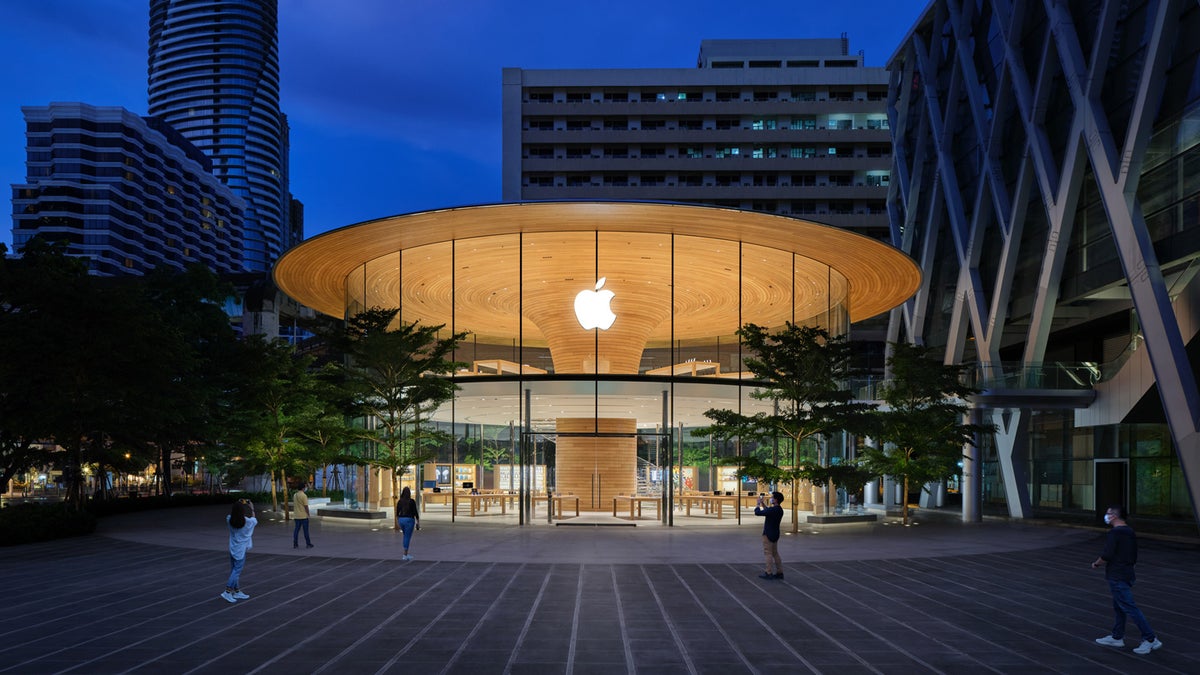
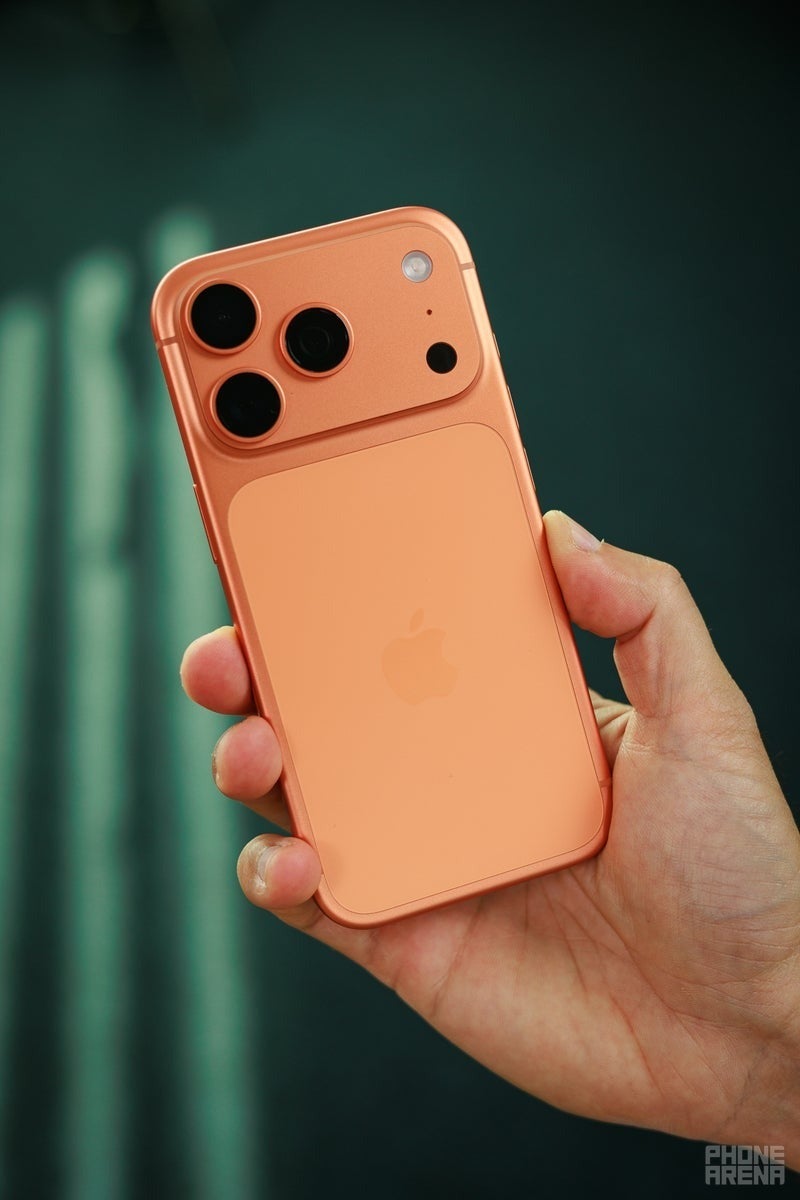
Apple just delivered one of its strongest quarters in years. Surprising, right? After all, the company has felt rather stagnated and even lacking in the smartphone race as of late. But the iPhone 17 series is selling exceptionally well. Maybe it is because of the redesigned Pro models or the long-overdue upgrades that came to the base model with the iPhone 17. Whatever the reason is, Apple has enjoyed a successful few months.
But the truth is that Apple can’t afford to celebrate the present for too long, because there is still a looming inevitable issue—the company’s problem with artificial intelligence. In fact, the danger is that this success may delay a reckoning the company cannot afford to keep postponing.
You might be thinking to yourself “I don’t care about AI, so this is not important,” but the truth is that AI won't remain a simple means to enable gimmicky features. It is on its way to becoming the primary way people interact with their phones, and it could very well shift how we use them entirely.
So, the question is not whether Apple can sell another hit iPhone, but whether Apple can build the kind of phone that revolves around an AI-centric platform.
Winning the last cycle does not guarantee the next one
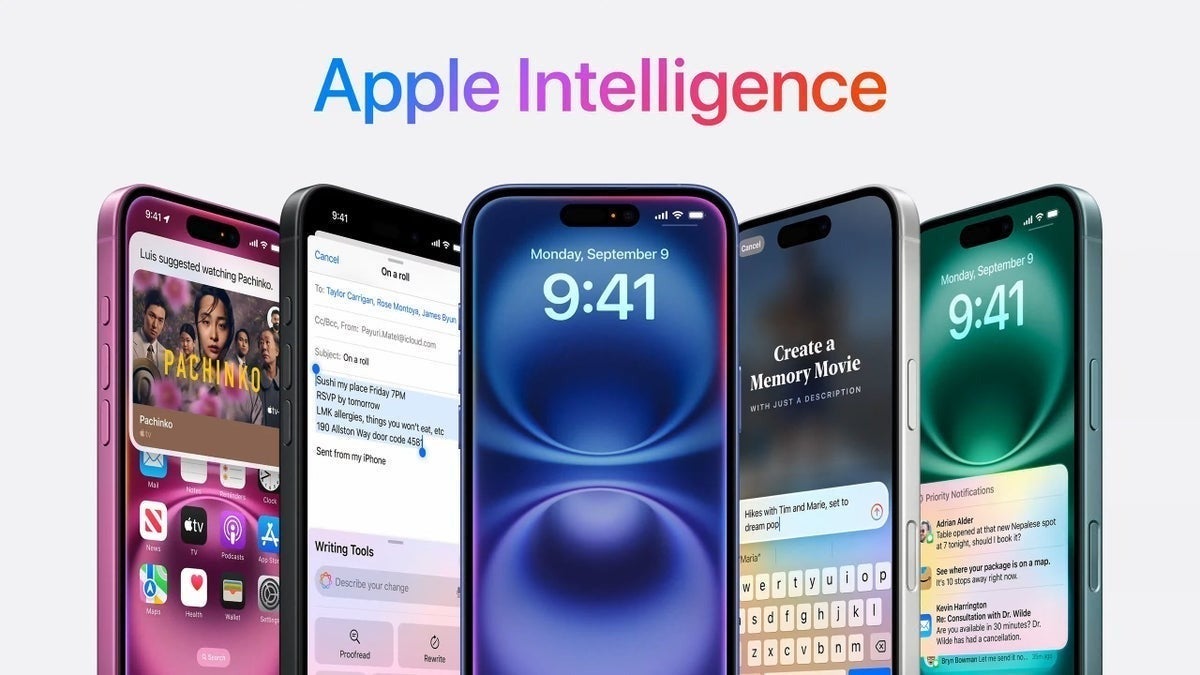
Apple executed almost perfectly on what it knows best. The iPhone 17 took few risks, avoided overpromising, and leaned into improvements that the user would experience daily, like battery life, performance, durability, and a new design. That restraint paid off. After the infamous iPhone 16 release, which was marketed to have AI features that did not exist at launch, Apple recalibrated and focused on the basics.
Recommended For You
Unfortunately for Apple, though, this won’t be enough to sustain its success in the future.
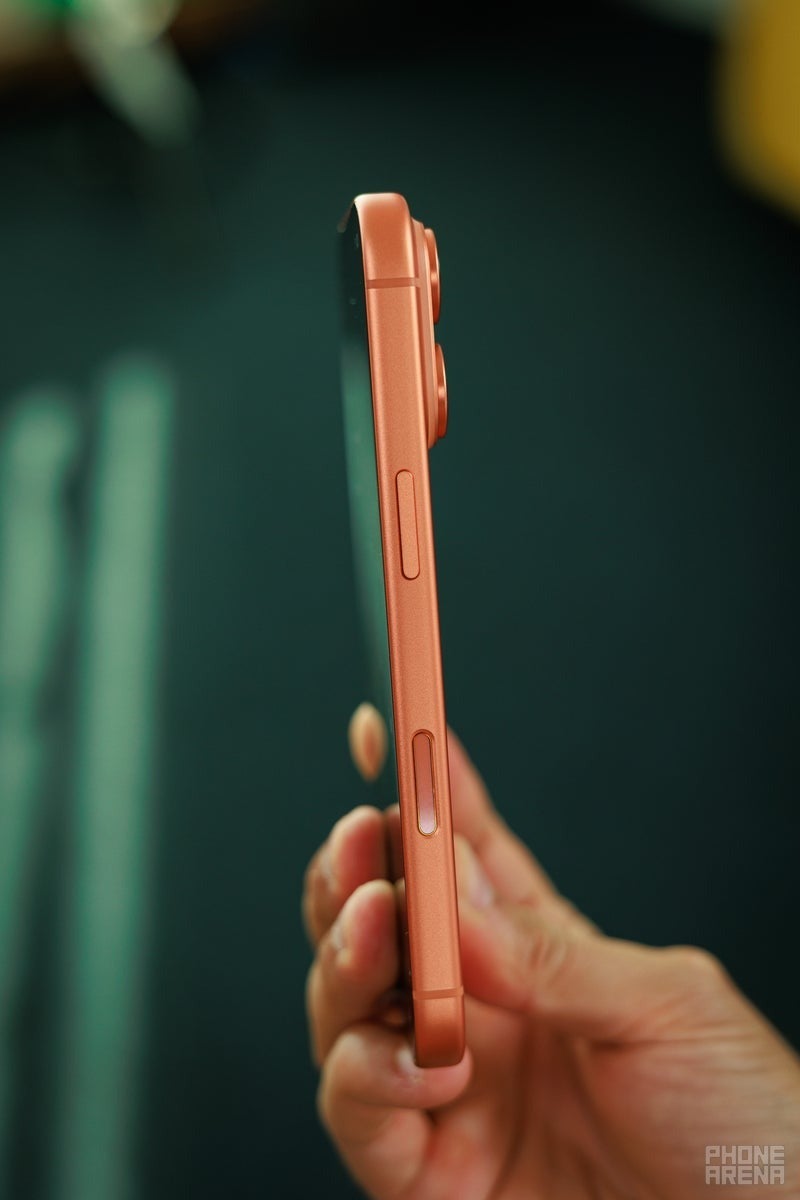
Much of the demand for the iPhone 17 comes from correct timing and pent-up changes that users were waiting for. Apple correctly gave people what they wanted with an exciting Pro model that felt more true to its name than any previous generation and an upgraded base model that finally felt like the flagship it was meant to be.
This success looks good in news articles, but in reality it masks the company’s ongoing issues with integrating AI into its devices. If left unchecked, AI can once again become a heated topic for next quarter, the next WWDC, or the next major update to iOS, and not in a good way.
Apple is still layering AI onto a legacy model
The way Apple currently handles AI on iPhones remains mostly reactive. Siri’s long-promised overhaul is supposedly coming soon, but it doesn’t sound like it will offer anything that the competition hasn’t already.
For Apple to make waves, it will have to do something different from the rest. It would have to lead with AI instead of catching up to it. One way that can be achieved is by making Siri the main and preferred way to interact with your phone. Maybe future iPhones don’t need a home screen with apps and folders. Perhaps there is a more intuitive way to find what you need.
It is not too farfetched of an idea. Apple has revolutionized the way we use smartphones before, so it can do it again.
Partnerships are only a bandaid
The company has seen numerous leadership changes, talent attrition, and public embarrassment, all of which forced Apple to accept what once would have been unthinkable: relying on a partner to stabilize its flagships.
The decision to rebuild Siri around Google’s Gemini models is a sensible one. In fact, I’d argue that’s what Apple should have done in 2024, when it made a big fuss about Apple Intelligence. Users want an assistant that works, and few of us care where the “intelligence” comes from. In the short term, this partnership would have likely delivered tangible improvements, like I expect it to do so with the iPhone 18.
That said, it’s important to note that Apple has not abandoned its own models. It still plans to invest heavily in servers powered by custom silicon and it still believes proprietary AI is essential in the long run.
Great hardware won’t be able to solve this problem forever
The iPhone succeeded because multitouch redefined interaction. The App Store succeeded because it redefined distribution, same goes for iTunes. Today, AI is what’s redefining the way we interact with our phones, and Apple knows this.
Executives know the app-centric model will eventually feel dated. They know AI agents and conversational interfaces are coming. What is still not clear, though, is whether Apple is moving fast enough to build toward that future instead of filling the gaps in the present.
As long as iPhones continue to sell, the pressure to make uncomfortable structural changes diminishes. Yet when the next computing paradigm fully asserts itself, catching up will be far harder than leading.
The real test starts now
None of this suggests Apple is doomed or incapable. Quite the opposite. Apple has scale, cash, talent, and the trust of billions of users, all of which allow it some leeway to make mistakes, even big ones.
But time is only an asset if you make use of it.
Apple seems to be undergoing a transition right now. Siri is being rebuilt. Leadership has shifted multiple times in several teams. Partnerships with competitors are being formed. All of these are necessary stepping stones before the company reaches some new destination.
The real question is whether Apple will use the breathing room provided by the iPhone 17’s success and Google’s partnership to commit fully to an AI-native future, or whether it will continue optimizing the past while competitors design the next interface from the ground up.
So, while the iPhone 17 proves Apple can still score some wins right now, it does not guarantee that it is ready for what comes next.
Trade in your old phone for cash at ecoATM!
Recycle your used phone and get instant cash. Find out how at ecoATM!
Aleksandar is a tech enthusiast with a broad range of interests, from smartphones to space exploration. His curiosity extends to hands-on DIY experiments with his gadgets, and he enjoys switching between different brands to experience the latest innovations. Prior to joining PhoneArena, Aleksandar worked on the Google Art Project, digitizing valuable artworks and gaining diverse perspectives on technology. When he's not immersed in tech, Aleksandar is an outdoorsman who enjoys mountain hikes, wildlife photography, and nature conservation. His interests also extend to martial arts, running, and snowboarding, reflecting his dynamic approach to life and technology.
COMMENTS (1)
COMMENTS (1)
All comments need to comply with our
Community Guidelines
PhoneArena Community Rules
A discussion is a place, where people can voice their opinion, no matter if it
is positive, neutral or negative. However, when posting, one must stay true to the topic, and not just share some
random thoughts, which are not directly related to the matter.
Things that are NOT allowed:
Off-topic talk - you must stick to the subject of discussion
Offensive, hate speech - if you want to say something, say it politely
Spam/Advertisements - these posts are deleted
Multiple accounts - one person can have only one account
Impersonations and offensive nicknames - these accounts get banned
To help keep our community safe and free from spam, we apply temporary limits to newly created accounts:
New accounts created within the last 24 hours may experience restrictions on how frequently they can
post or comment.
These limits are in place as a precaution and will automatically lift.
Moderation is done by humans. We try to be as objective as possible and moderate with zero bias. If you think a
post should be moderated - please, report it.
Have a question about the rules or why you have been moderated/limited/banned? Please,
contact us.







![Another batch of Galaxy S26 series users in the US are getting a nice surprise today [UPDATED]](https://m-cdn.phonearena.com/images/article/183643-wide-two_350/Another-batch-of-Galaxy-S26-series-users-in-the-US-are-getting-a-nice-surprise-today-UPDATED.webp)
Things that are NOT allowed:
To help keep our community safe and free from spam, we apply temporary limits to newly created accounts: