Editorials · Reviewer Insight
Why the OnePlus 15 camera fails where every flagship excels
How did OnePlus mess this one up?
This article may contain personal views and opinion from the author.
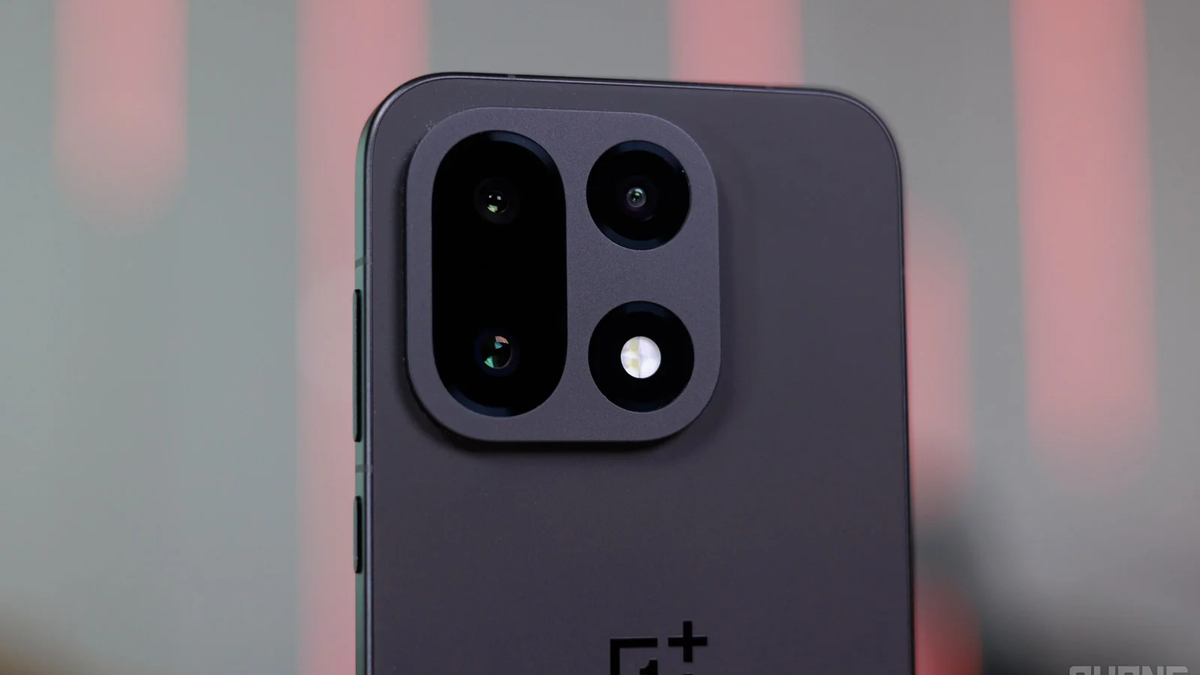
There are a lot of things that you can criticize the OnePlus 15 for, and honestly, I can't really blame you. It's a solid phone overall, but the fact that it's now mostly associated with controversy due to the downgrades in comparison with the previous OnePlus 13 is definitely not a great sign.
If you are willing to overlook the multitude of minor yet accumulating downgrades, like the weaker audio, vibration, and smaller fingerprint recognition area, there's one pretty major problem with the OnePlus 15 camera that I can't really accept with an open heart.








Ultrawides are great when done right
The point of an ultrawide camera?
Easy, to fit significantly more of the scene in the frame in comparison with the main wide camera or get real close and intimate with your subject in order to achieve a more dramatic result. This has been the one persistent and unbroken rule that more than 9 out of 10 phones out there adhere to, and has been this way since the arrival of ultrawide cameras on phones.
The majority of ultrawide cameras on phones have been giving us a roughly 120º field-of-view, which on most phones means their ultrawide is usually a 13/14mm full-frame equivalent. Or, in layman's terms, the 0.5X-0.6X zoom level you see on the dial in the viewfinder. That's pretty much the standard these days, and the added width in all dimensions makes these cameras actually useful in real life.
The cardinal sin of cameras
The OnePlus 15 foregoes all that.
The phone comes with an unusually narrow 116º ultrawide camera, roughly a 16mm equivalent. It might not sound as the difference between a 120º and a 116º ultrawide camera (or between 13mm and 16mm, for that matter) would be dramatic, but in real life, it absolutely is.
As a result, the OnePlus 15 feels more like a "wider" wide camera rather than an ultrawide. This kind of defeats the purpose of having this camera on board, doesn't it?
But let's check out some camera samples and see for ourselves. We took the OnePlus 15 against some rival devices including the Samsung Galaxy S25 Ultra, iPhone 17 Pro, and the Pixel 10 Pro, and here's what each ultrawide was capable of fitting in the frame.
First, let's see how the OnePlus 15 wide compares versus its ultrawide.


Not bad, you might think. Well, wait till you see how this compares against the other flagships.










It's not even a contest: all other flagships fit so much more in the viewfinder.
Here's another comparison which also lets you see how tighter and narrower the OnePlus 15 ultrawide is.




Just take a few steps back…
"But Peter," some of you might say, "why don't you just take a couple of steps back, you'd be able to fit just as much in the frame as a regular ultrawide would!"
Well, no, that's sometimes neither physically possible, nor artistically up to par with what you might have in mind when imagining the photo.
And then again, if we force the photographer to take a few steps back, can't we just use the regular main camera instead? Zooming with your feet is a legit technique, but it beats the purpose of having a dedicated ultrawide lens at the back of your phone.
That's also not the real use of an ultrawide camera. Contrary to what I might have implied previously, the rudimentary cookie-cutter way of using an ultrawide camera––fitting as much of the scene as possible––isn't what you use them for.
A ultrawide camera is best used when brought as close to the subject as possible in order to let you become part of the action, get real close and personal and accentuate both the subject and the scene you're shooting. That's what Ken Rockwell has been preaching, and I see no reason why this wouldn't be true for phone cameras either.


Popular stories



Latest News


Things that are NOT allowed:
To help keep our community safe and free from spam, we apply temporary limits to newly created accounts: