Many cellphone users prefer a capacitive touchscreen over a resistive one. The former is the type of display you will find on the iPhone, the BlackBerry Storm and the G1,among others. It works with a finger and will not work with a regular stylus. The latter display is what you will find on the LG Dare or even the Touch Pro2. This screen works when two layers are forced together by use of a finger or a stylus, a pen cap or anything that can apply pressure to the screen.
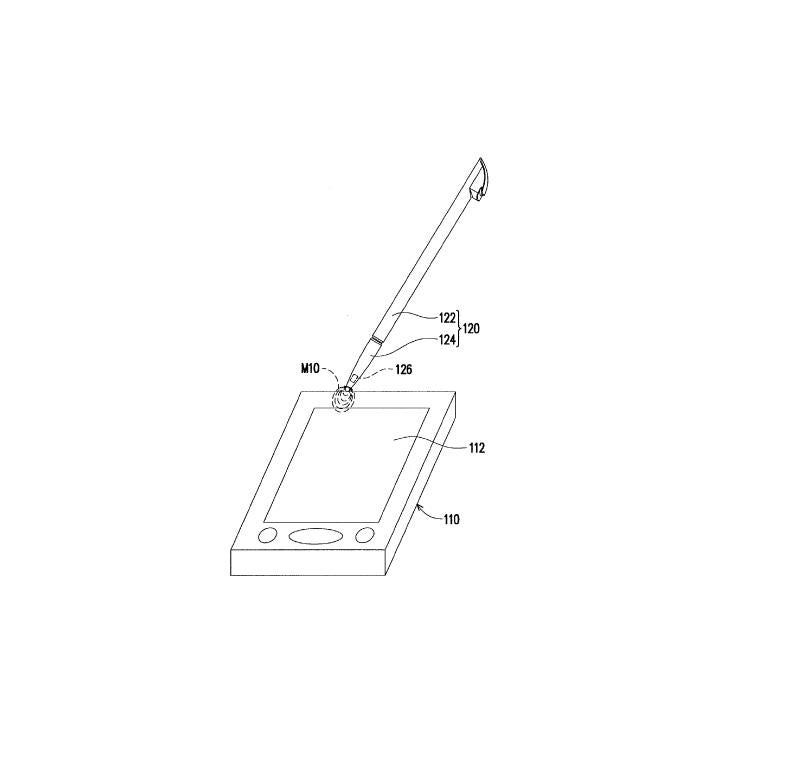
While many owners of touchscreen devices prefer the capacitive screens because of their sensitivity to touch, there are many who prefer the precision of using a stylus. It could be that someone with large fingers cannot click on the correct links. In some Asian markets, using a stylus is greatly preferred over the use of one's fingers on a touchscreen handset. And yet, for many, a capacitive screen conveys a sense of a higher quality device. The problem here is how to get the sensitivity and richness of a capacitive display together with the precise data entry of a stylus on a resistive screen. HTC has stepped in with a solution that seems to appease most touchscreen users. The Taiwanese firm has patented a magnetic stylus that will work on a capacitive display to allow those who favor using a pointing device to have one that will allow for precise clicking on a link and still allow for the greater sensitivity and higher build quality than one would have with a resistive screen.
Recommended For You
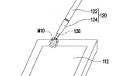
The HTC stylus has a magnetic head that produces a current. When the current comes in contact with a capacitive screen, the screen responds the same way as if it were touched by a finger, but with more precision. HTC's product allows users to be precise while at the same time, allow for the rich appearance and responsiveness of a capacitive display.
Get Visible as low as $20/mo for 1 year. Limited time offer with code: FRESHSTART
$20
/mo
$25
$5 off (20%)
Offer Ends 6.1.2026 at 11.59pm ET. New members get $5/mo off the $25/mg Visible plan, $35/mo Visible+ plan, or $45/mo Visible+ Pro plan for the first 12 months. Promo code FRESHSTART required at checkout.
Alan, an ardent smartphone enthusiast and a veteran writer at PhoneArena since 2009, has witnessed and chronicled the transformative years of mobile technology. Owning iconic phones from the original iPhone to the iPhone 15 Pro Max, he has seen smartphones evolve into a global phenomenon. Beyond smartphones, Alan has covered the emergence of tablets, smartwatches, and smart speakers.
A discussion is a place, where people can voice their opinion, no matter if it
is positive, neutral or negative. However, when posting, one must stay true to the topic, and not just share some
random thoughts, which are not directly related to the matter.
Things that are NOT allowed:
Off-topic talk - you must stick to the subject of discussion
Offensive, hate speech - if you want to say something, say it politely
Spam/Advertisements - these posts are deleted
Multiple accounts - one person can have only one account
Impersonations and offensive nicknames - these accounts get banned
To help keep our community safe and free from spam, we apply temporary limits to newly created accounts:
New accounts created within the last 24 hours may experience restrictions on how frequently they can
post or comment.
These limits are in place as a precaution and will automatically lift.
Moderation is done by humans. We try to be as objective as possible and moderate with zero bias. If you think a
post should be moderated - please, report it.
Have a question about the rules or why you have been moderated/limited/banned? Please,
contact us.







Things that are NOT allowed:
To help keep our community safe and free from spam, we apply temporary limits to newly created accounts: