Every product we review or recommend is thoroughly tested by our in-house experts in real-world conditions, following our
review methodology
and
ethics statement
to ensure honest, independent, and data-driven results.
We may earn a commission if you make a purchase from the links on this page.
The Pixel 10 Pro Fold is the company's latest attempt to recapture a larger portion of the foldable phone market, which is currently pretty much dominated by Samsung.
The new Google foldable is pretty much a carbon copy of its predecessor but still introduces several key improvements. It's the first one with a fully custom 3nm Tensor chipset, the Tensor G5, it gives us cool new AI features, a brighter display, and, most importantly, the Pixelsnap system, which is Google's alternative to Apple's MagSafe.
However, many other aspects of this phone are straight up the same as on the Pixel 9 Pro Fold, making the Pixel 10 Pro Fold one of the laziest updates Google has released recently.
The Pixel 10 Pro Fold starts at $1,799, and while many might balk at that price tag, it's still worth noting that the Galaxy Z Fold 7, Samsung's best current foldable, is pricier.
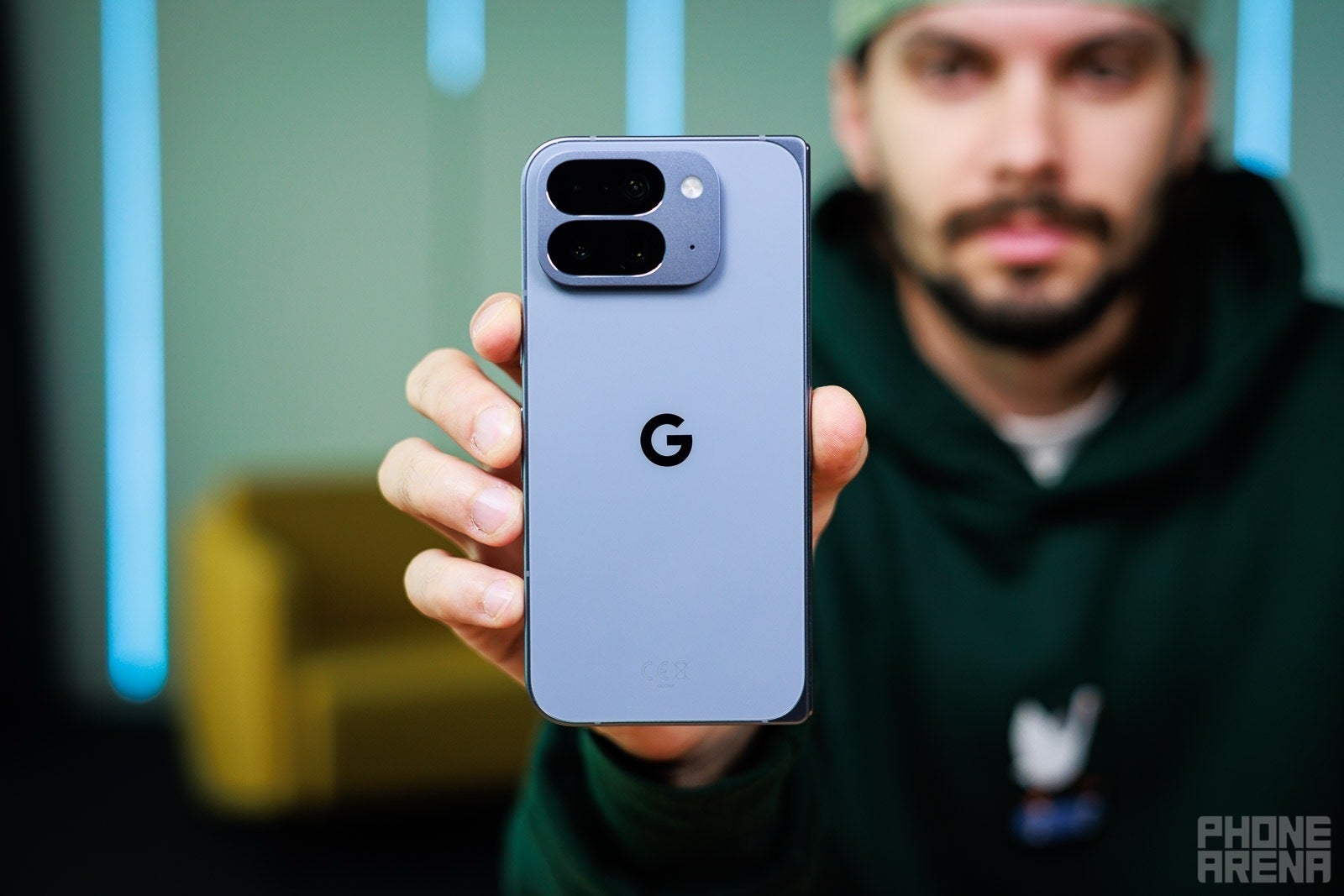
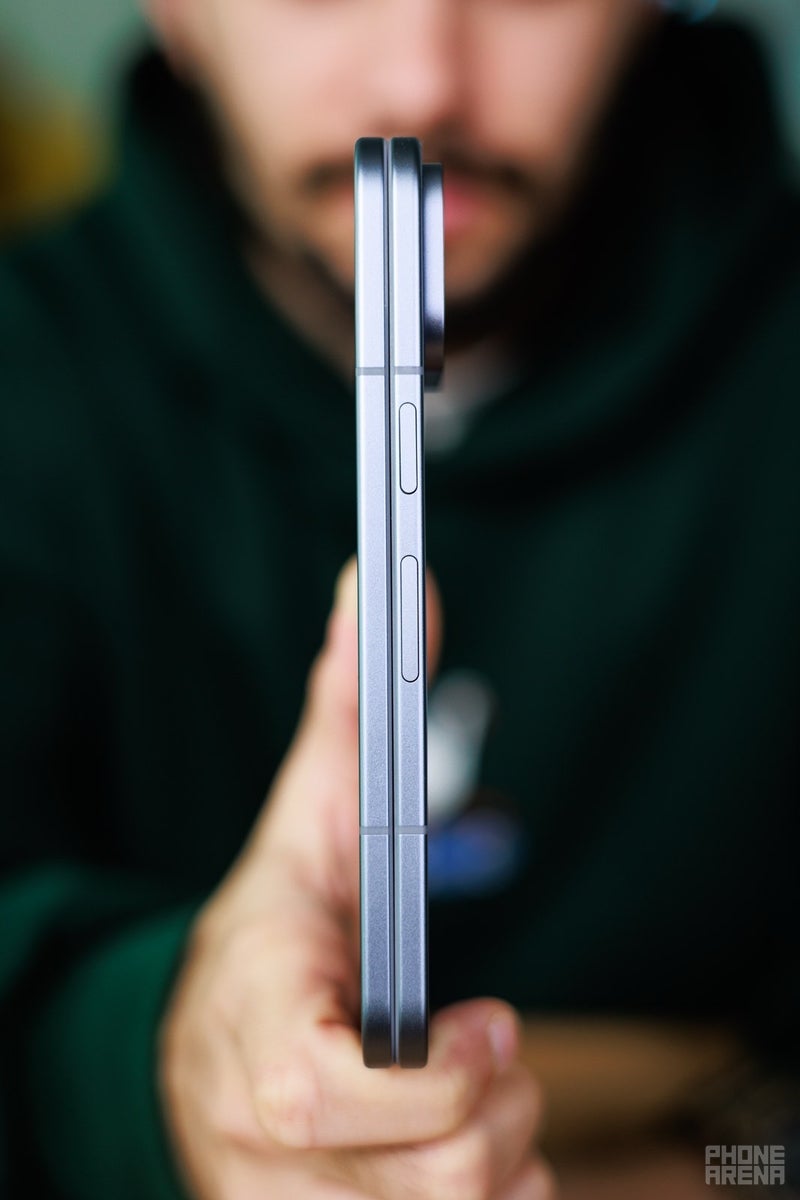
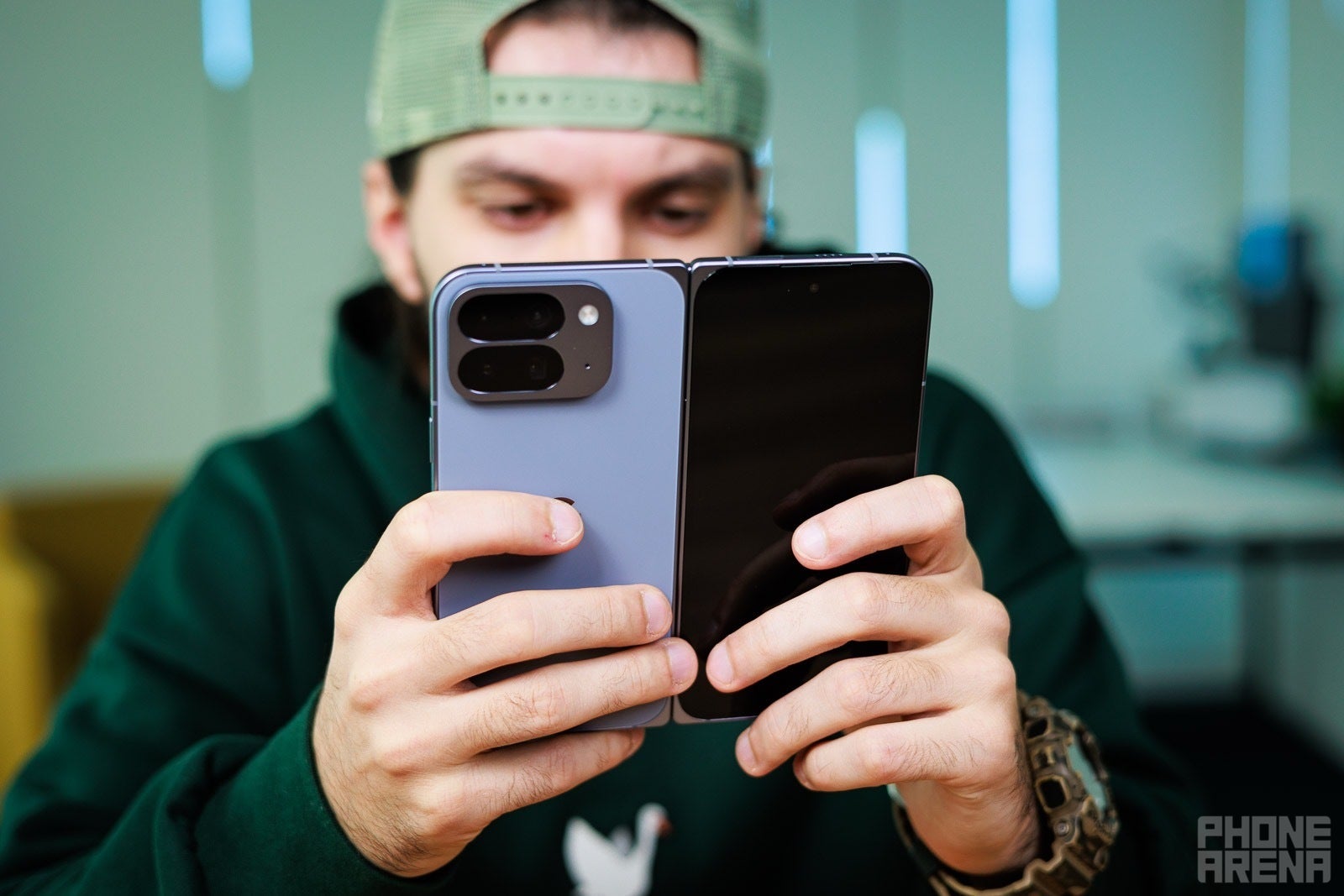
If you've ever stumbled upon a picture of the Pixel 9 Pro Fold or seen one in real life, then congratulations, you've essentially seen the new one as well. Google seems to have loved the design direction it took with last year's foldable phone so much that it decided to reiterate it in 2025 as well.
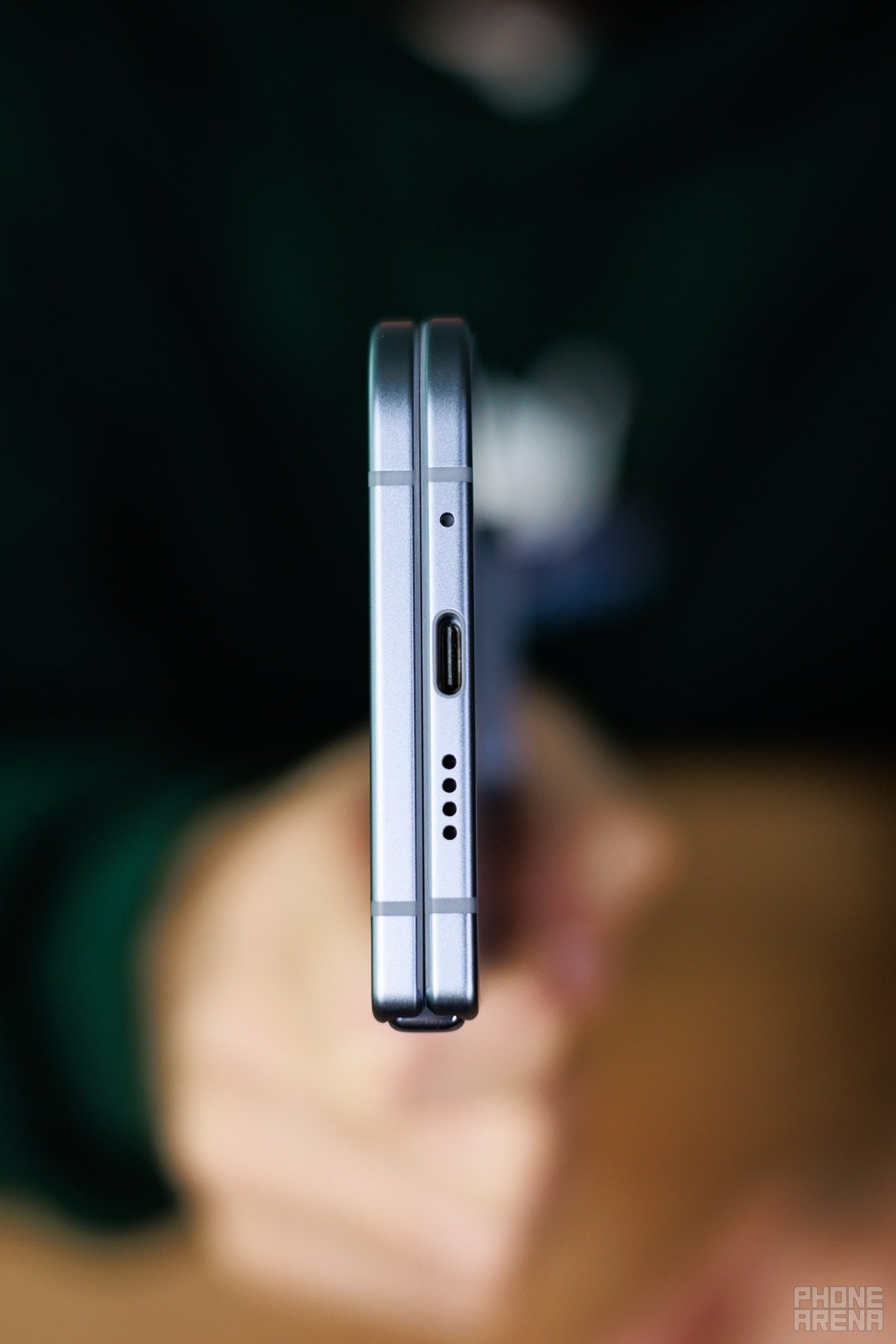
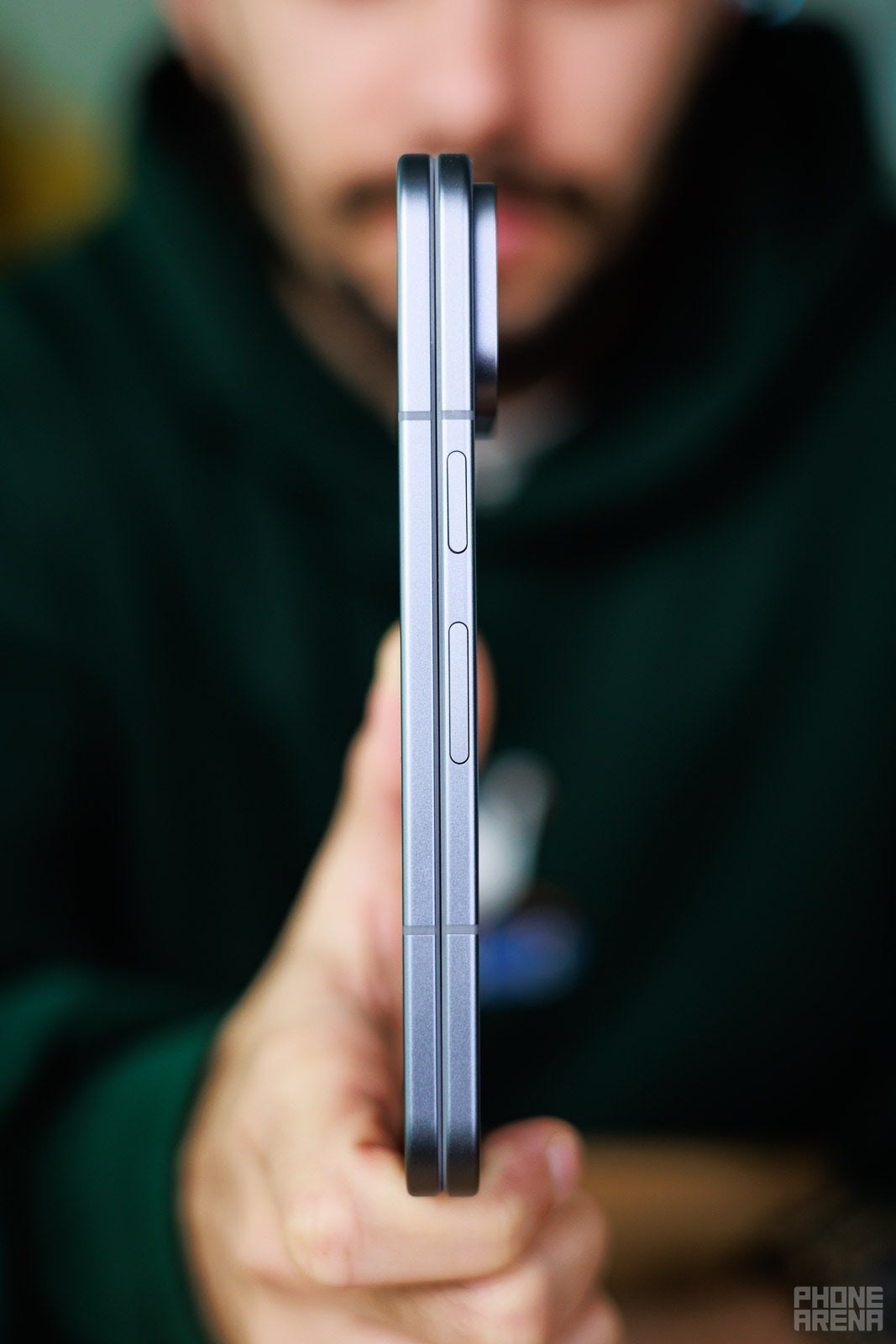
The build materials feel very premium, though, combining an aluminum frame with a Gorilla Glass Victus 2 protecting both the external display and the backplate. The phone feels good in the hand and is surprisingly natural to use the external screen, which is wide and spacious.
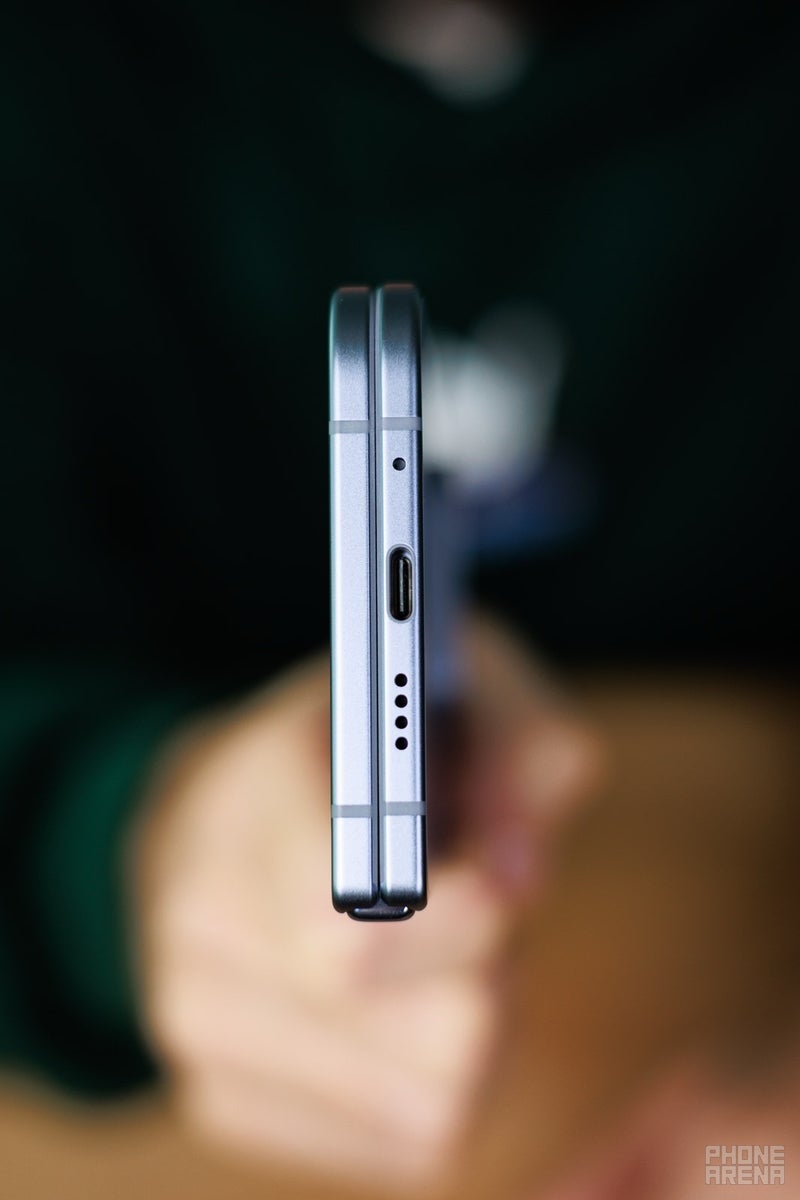
No two ways around it––after handling devices like the Galaxy Z Fold 7, Oppo Find N5, and the Honor Magic V5 this year, the Pixel 10 Pro Fold feels like an unrefined brute in comparison. It's rather thick, very heavy, and the unsymmetrical design language is a taste that I never acquired.
The new gearless hinge mechanism has allowed Google to fully protect the innards of the Pixel 10 Pro Fold from both liquids and dust, making it the first IP68-rated foldable phone. That's a commendable achievement!
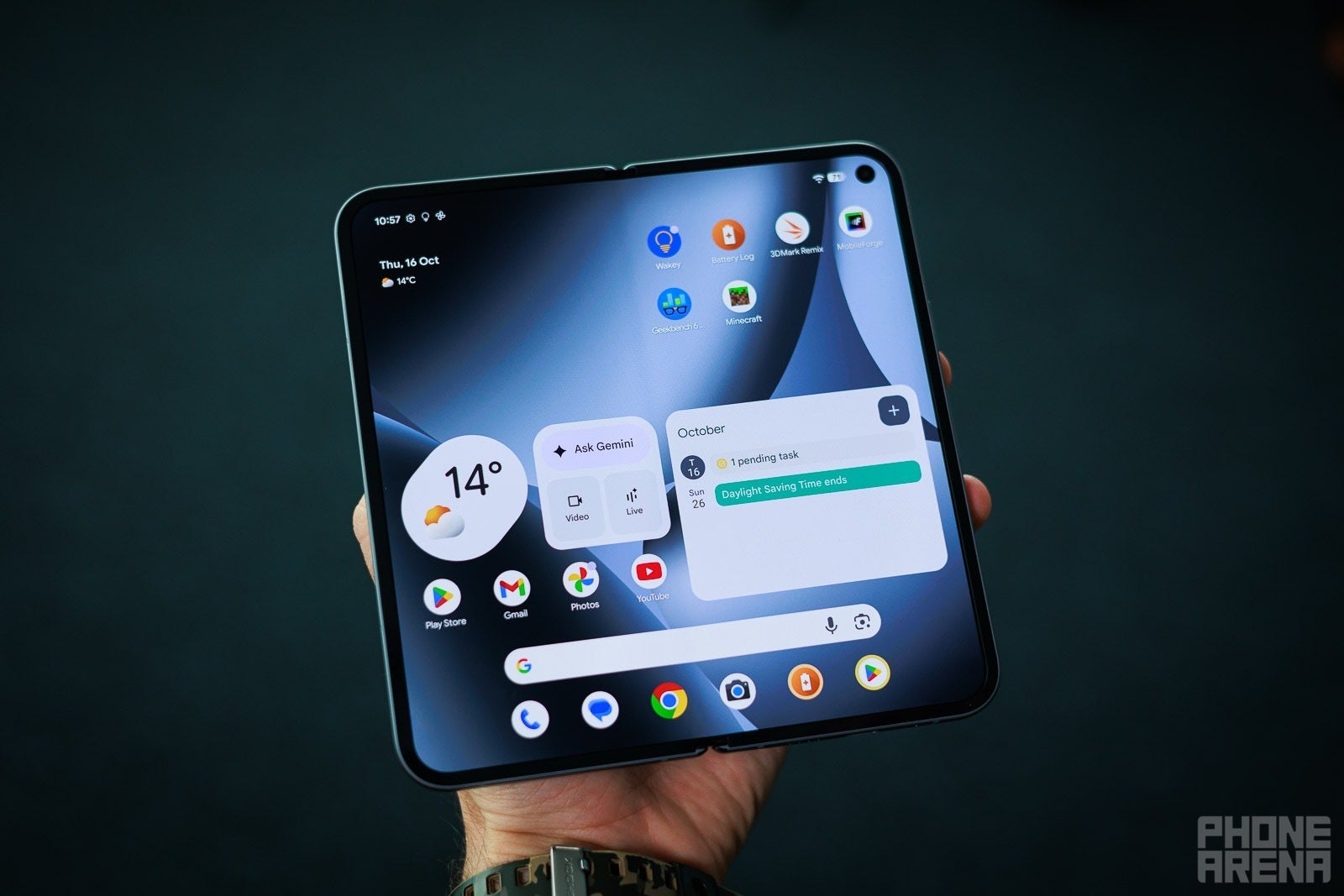
However, the new hinge mechanism hasn't eliminated one of the more aggravating aspects of Google's foldables-–the screen crease. It's still deep and wide and easily noticeable when you unfold the device. What's worse is that running your fingertip across the display traps it in that crease for a brief moment, and every time this happens you're internally reminded that this problem doesn't exist on most other foldable phones anymore.
The hinge is very sturdy. You can leave the phone propped open at pretty much any angle, aside from the most acute or obtuse ones, and it will stay in place. The phone also folds with a satisfying thud, which is very rewarding.
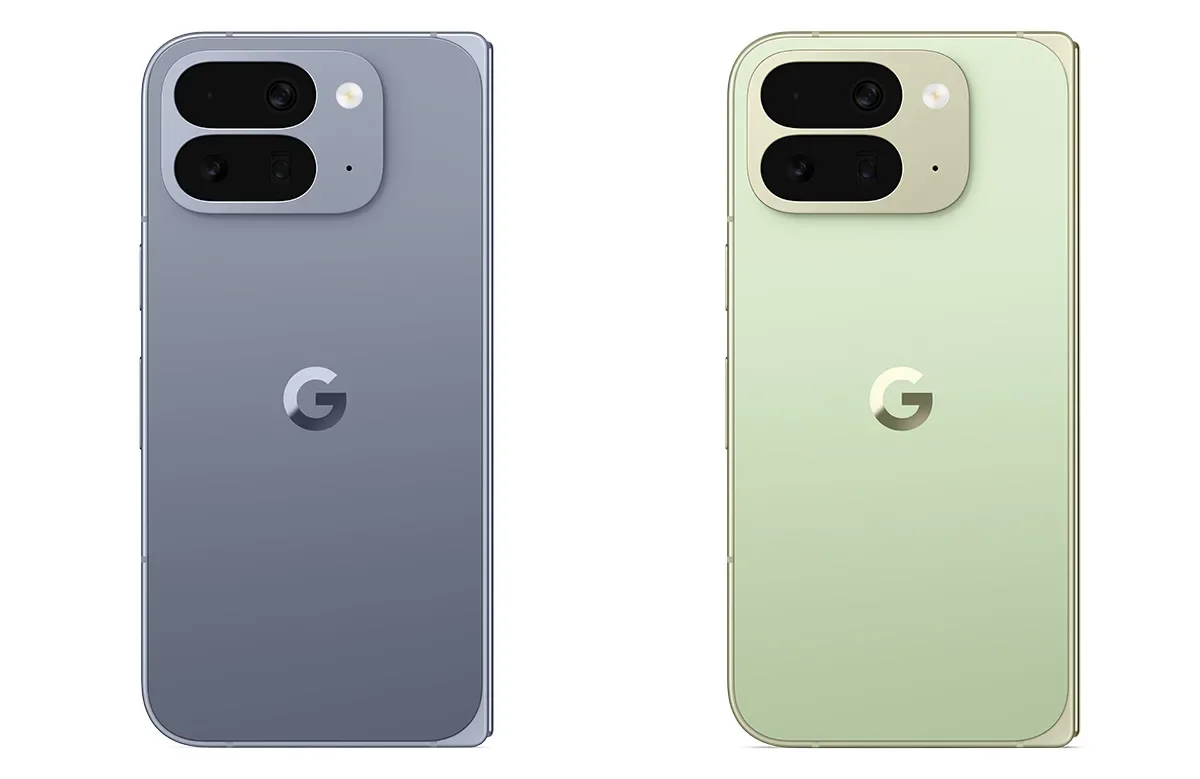
Pixel 10 Pro Fold colors
The Google Pixel 10 Pro Fold arrives in two colors, Jade and Moonstone. A bit of conservativeness and a bit of playfulness here.
Moving on to the highlight of the phone––its displays.
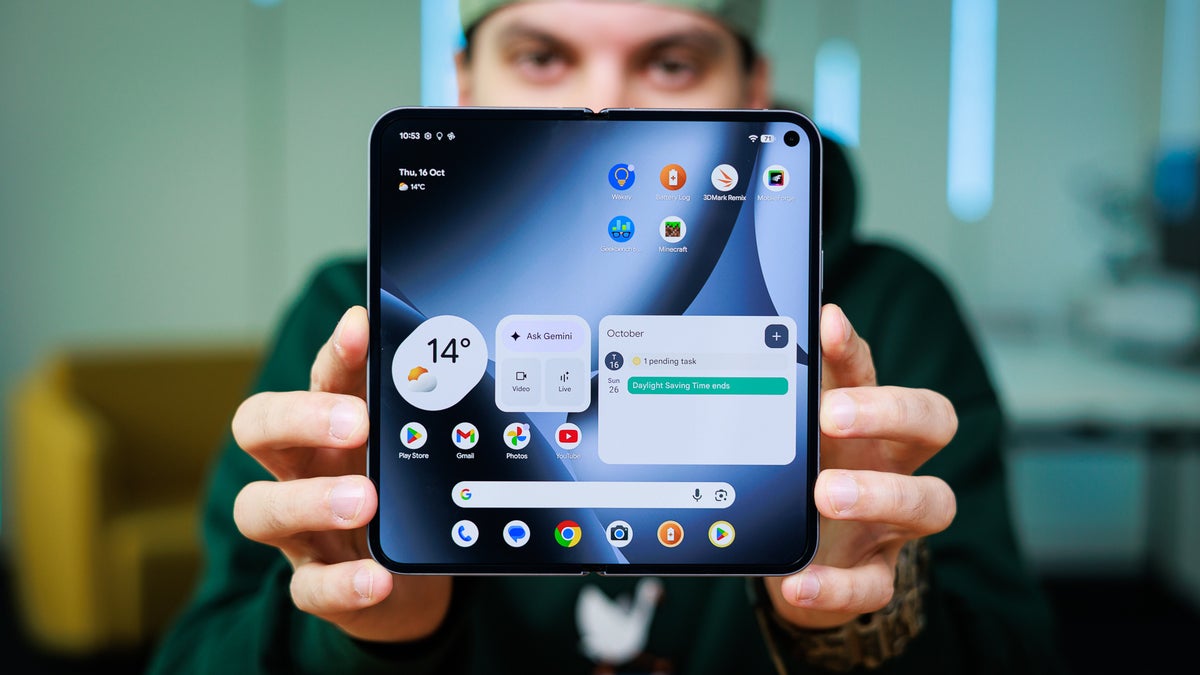
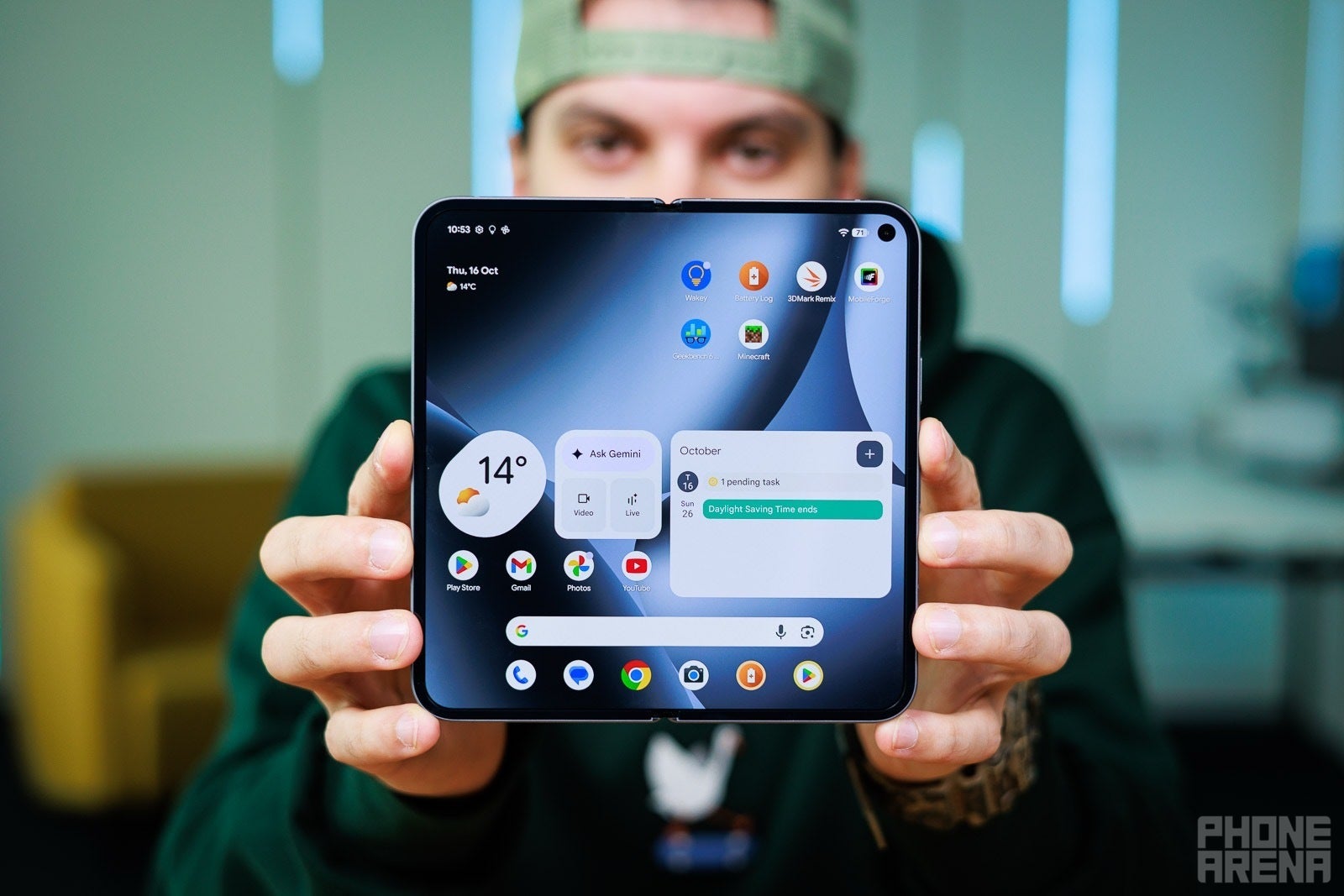
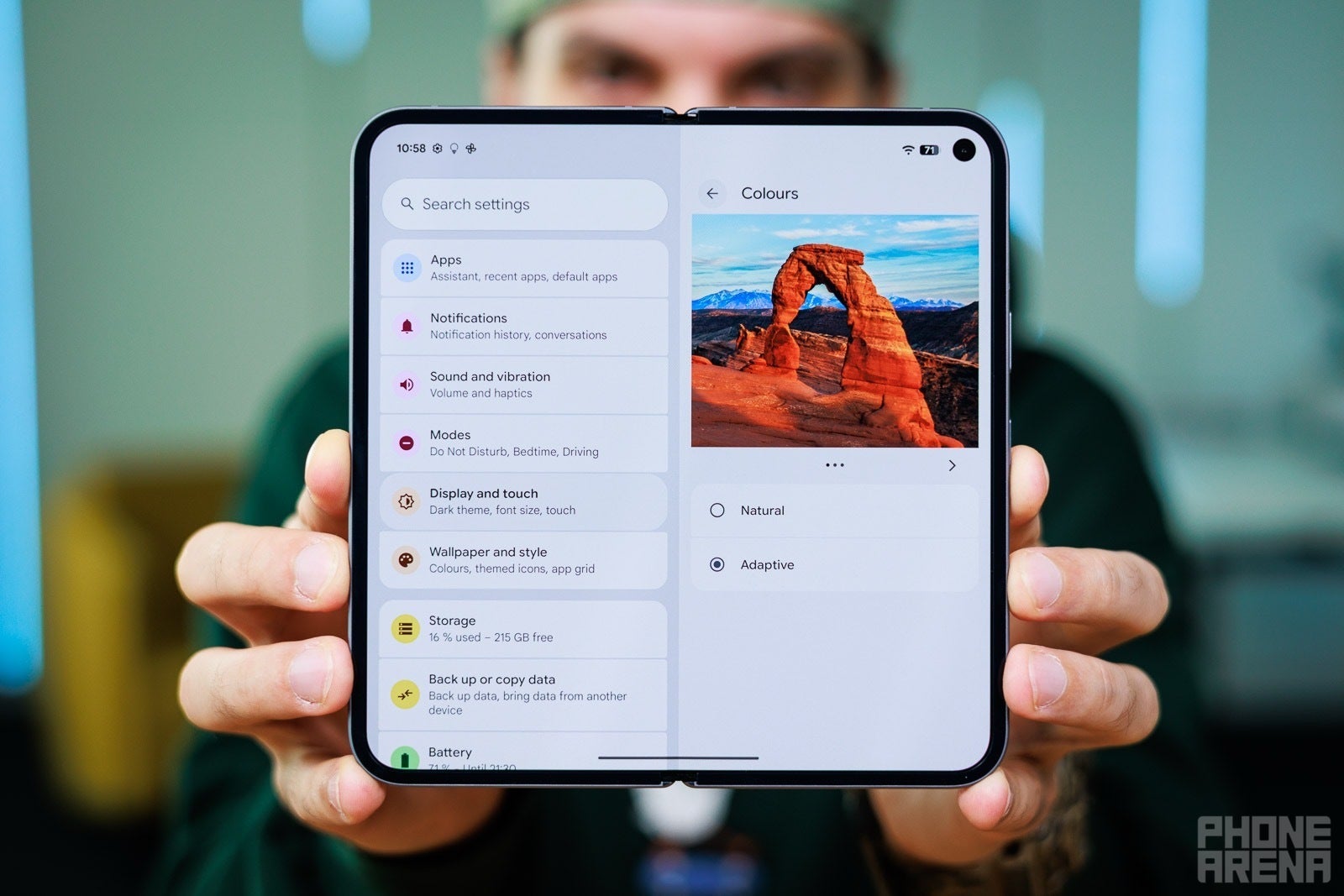
The inner display is the star of the show (Image by PhoneArena)
On the inside, we have a massive 8-inch OLED display, protected by Ultra Thin Glass, and capable of hitting up to 120 Hz and 3,000 nits of peak brightness. As we mentioned, there's also a rather massive crease that you might eventually get used to (I simply couldn't).
The outer screen is excellent as well. It's a 6.4-inch OLED one that also gets up to 120 Hz and is protected by Gorilla Glass Victus 2. What I love most about it is the width that makes it oh-so-usable in regular everyday scenarios; typing and interacting with your content is extremely comfortable, and you don't necessarily have to unfold your device every time you need to interact with it in a meaningful way.
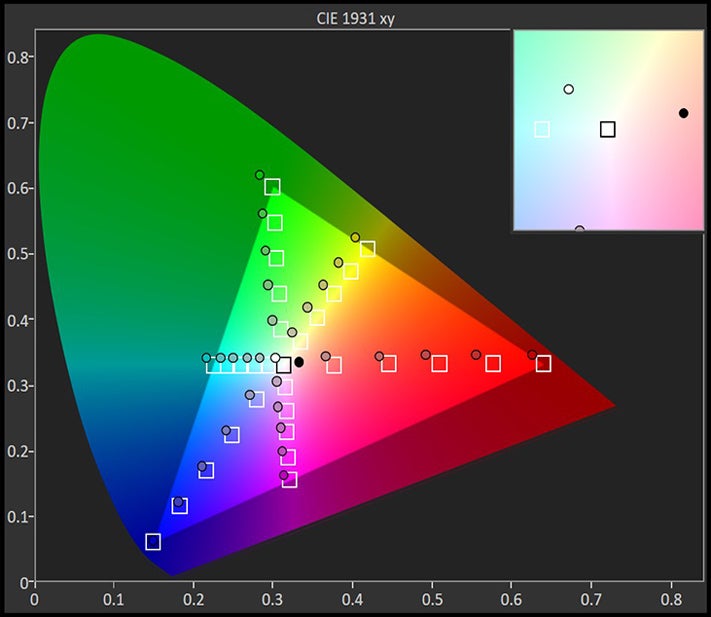
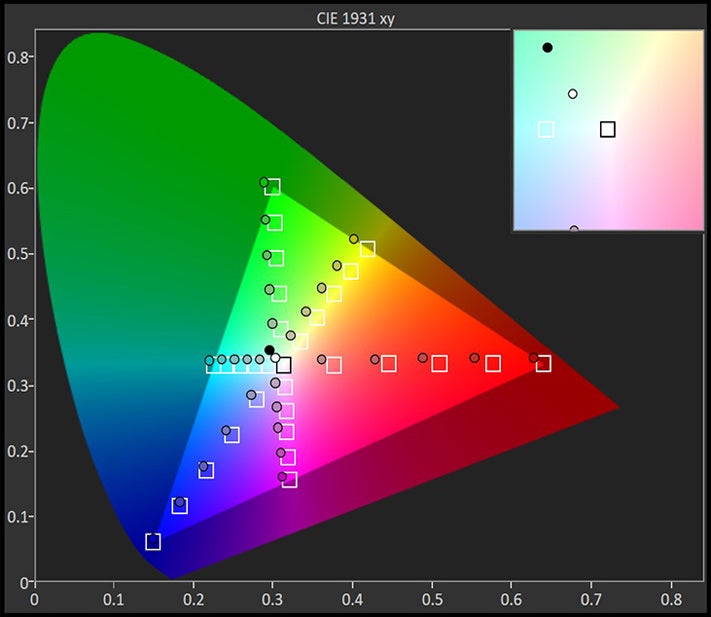
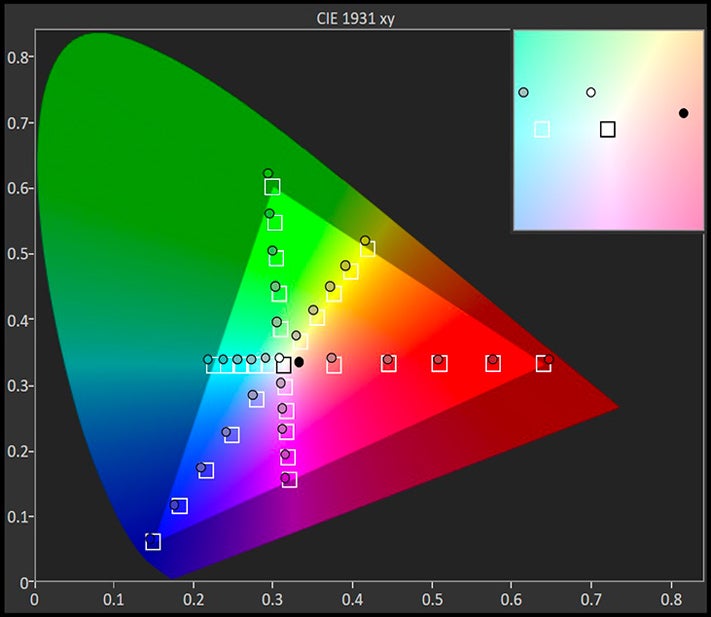
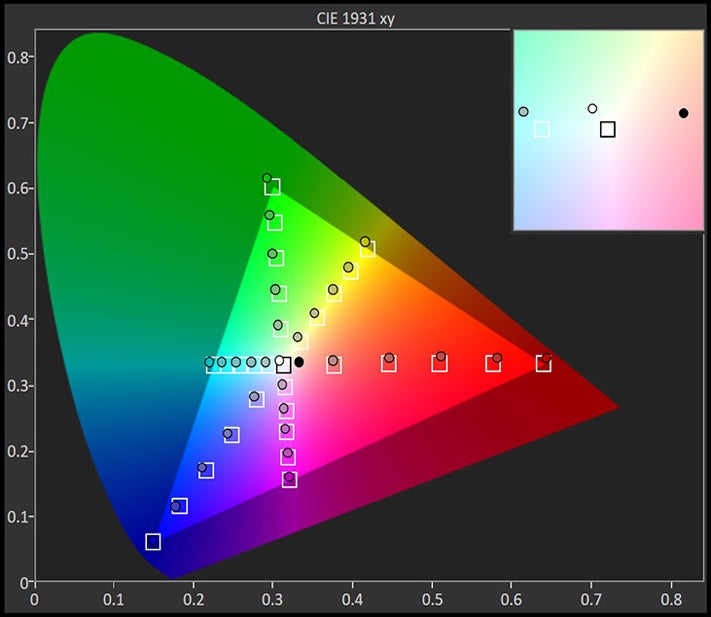
Both displays are good, and our in-house display benchmark tests confirm this. We measured the display at up to 2,626 nits, which is spectacular! This way, it beats its predecessor and the Galaxy Z Fold 7 by a little. However, you should keep in mind that both the outer and inner screens are quite reflective, so you might have some issues with legibility in complex ambient lighting conditions.
The CIE 1931 xy color gamut chart represents the set(area)of colors that a display can reproduce,with the sRGB colorspace(the highlighted triangle)serving as reference.The chart also provides a visual representation of a display's color accuracy. The small squares across the boundaries of the triangle are the reference points for the various colors, while the small dots are the actual measurements. Ideally, each dot should be positioned on top of its respective square. The 'x:CIE31' and 'y:CIE31' values in the table below the chart indicate the position of each measurement on the chart. 'Y' shows the luminance (in nits) of each measured color, while 'Target Y' is the desired luminance level for that color. Finally, 'ΔE 2000' is the Delta E value of the measured color. Delta E values of below 2 are ideal.
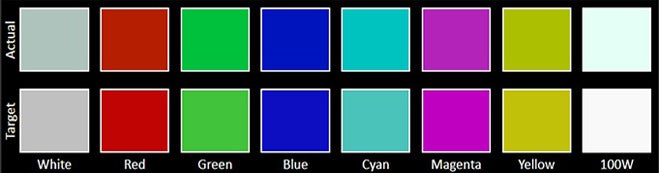
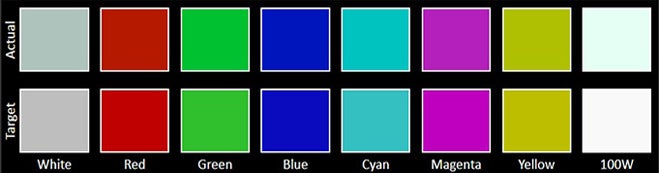
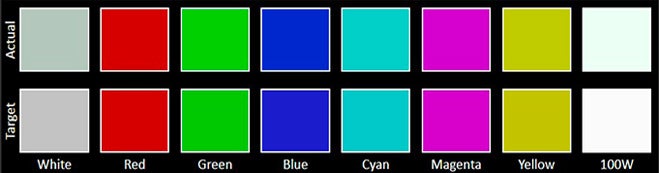
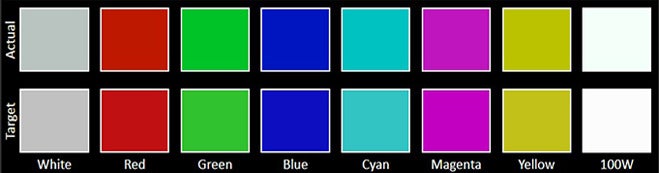
The Color accuracy chart gives an idea of how close a display's measured colors are to their referential values. The first line holds the measured (actual) colors, while the second line holds the reference (target) colors. The closer the actual colors are to the target ones, the better.
The Grayscale accuracy chart shows whether a display has a correct white balance(balance between red,green and blue)across different levels of grey(from dark to bright).The closer the Actual colors are to the Target ones,the better.
The only issue with the displays is the brightness adjustment. It's logarithmic, so the first 90% of the slider will bump the brightness up to about 500-600 nits, and the rest of the remaining brightness is reserved for the last 10% of the slider. I don't like that, as the auto brightness on this phone is a bit finicky and too conservative, so adjusting the brightness manually is way harder than it should be.
The biometrics are… fine. The face unlock works well, but the more secure side-mounted fingerprint sensor is a bit finicky. It's placed on a rather narrow button and often doesn't unlock the phone on the first try, so you have to retouch the button. Not very ergonomic.
Pixel 10 Pro Fold Camera
More sizzle than steak
Google Pixel 10 Pro Fold
PhoneArena Camera Score
BEST 158
138
PhoneArena Photo Score
BEST 165
147
Main (wide)
BEST 87
77
Zoom
BEST 30
25
Ultra-wide
BEST 26
20
Selfie
BEST 30
26
PhoneArena Video Score
BEST 155
128
Main (wide)
BEST 83
69
Zoom
BEST 27
19
Ultra-wide
BEST 24
18
Selfie
BEST 28
23
The Pixel 10 Pro Fold achieves a rather middling score of just 138 in our custom camera test. That's essentially mid-range phone territory and definitely not something you'd expect out of a $1,799 foldable phone. The phone does fine in terms of still photography, where it achieves a score of 147 points (very comparable to the Galaxy Z Fold 7's 149-point score), but it's the video that once again drags the score down. The Pixel 10 Pro Fold is mostly a disappointment in terms of video with its lowly 128-point score, which is comparable to what the iPhone 13 got a few years ago. Totally not becoming of its high price tag and the premium status that a foldable phone has.
That was mostly expected, as the Pixel 10 Pro Fold has an identical camera setup as the Pixel 9 Pro Fold. The main camera uses a 48MP Sony IMX787 sensor with an F1.7 aperture and a narrower than usual 25mm focal length. The ultrawide camera is a 10.5MP F2.2 one using a 1/3.4" Samsung S5K3LU sensor, and the 5X telephoto uses a 10.8MP S5K3J1 sensor.
We also have 10MP selfie cameras on both the internal and external displays.
The software highlight of the camera is the new Camera Coach feature. The premise is great: the context awareness of Gemini AI is used to analyze the scene in your viewfinder, and the Camera Coach will suggest helpful tips on how to change your framing to capture a better photo. However, it's a bit gimmicky to use, and occasionally the prompts are a bit odd. If you're stuck in a rut, however, it might come in handy.
Photos generally look okay, with a decent dynamic range, good details, and mostly realistic color science. Yet, the signature moody and contrasty Pixel style is present here, of course, which is mostly an acquired taste in comparison to, say, an iPhone or a Galaxy, which are definitely bigger people pleasers.
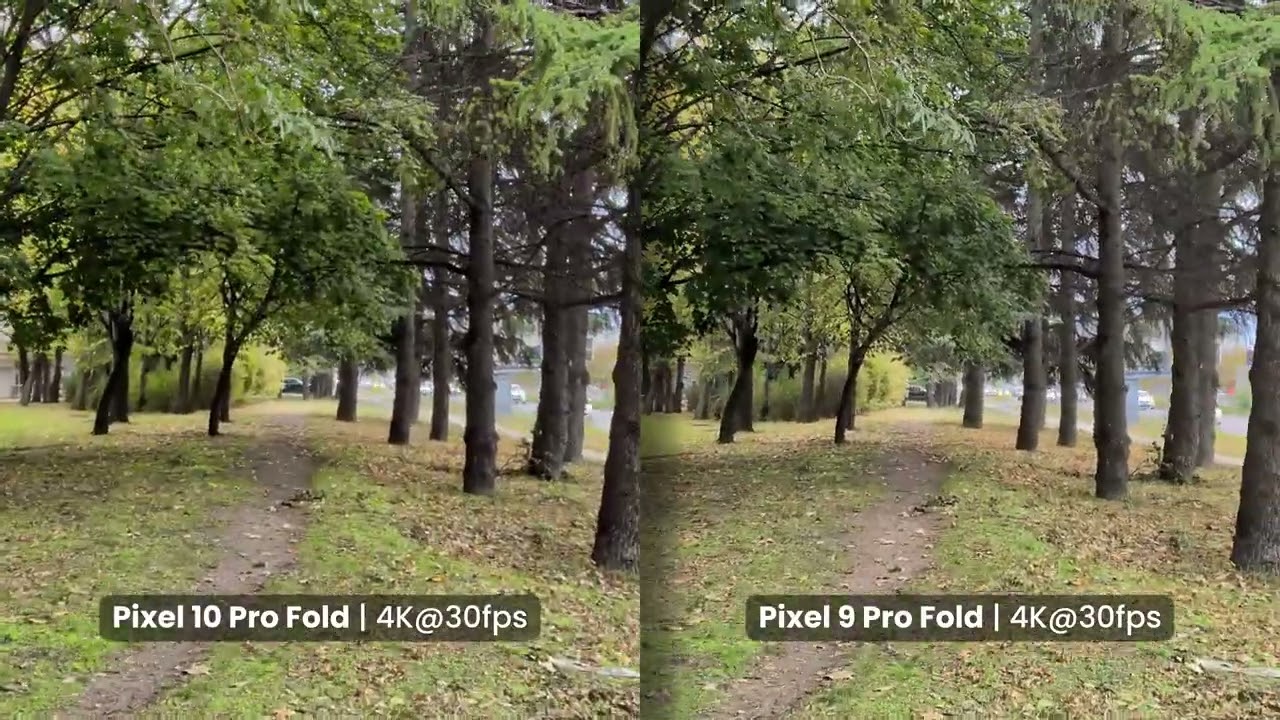
Video quality is pretty much identical with the Pixel 9 Pro Fold, but isn't anything to write home about. The Pixel 9 Pro Fold shows us a bit warmer colors, but the stabilization on the Pixel 10 Pro Fold is slightly better. Anyway, you shouldn't pick a Pixel if you shoot a lot of video or vlogs, you'll quickly be underwhelmed.
Pixel 10 Pro Fold Performance & Benchmarks
Disappointing, especially for graphics
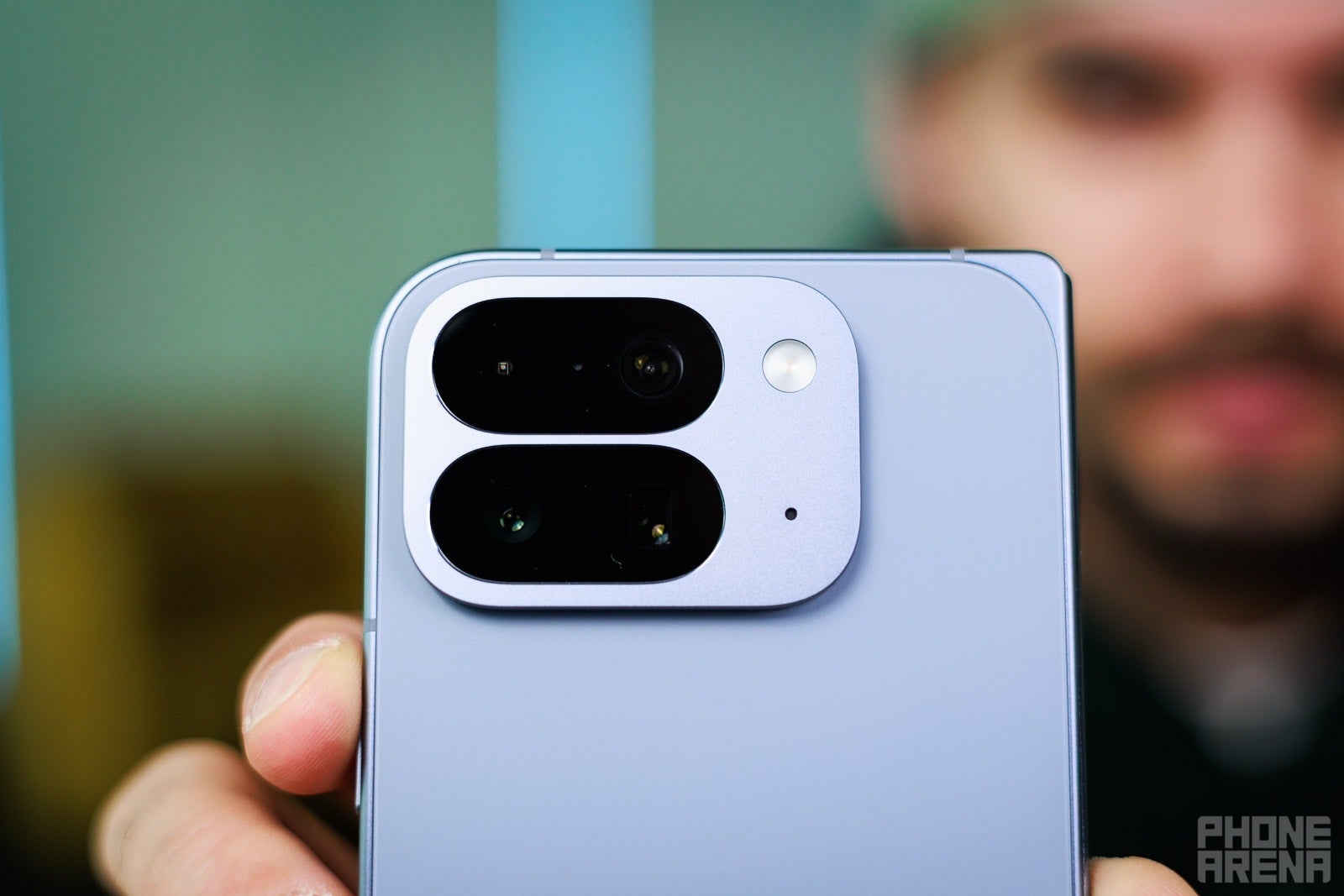
Not a gaming device (Image by PhoneArena)
We had really high hopes for the Tensor G5 chipset inside the Pixel 10 Pro Fold. After all, it was supposed to be Google's first truly custom chipset built on a 3nm manufacturing process, so the performance and efficiency should have been much better than before, right?
Well, sadly, the Tensor chipset lineup, now in its fifth generation, continues to be specifically tailored for AI and with middling performance in comparison with its rivals. The Pixel 10 Pro Fold works perfectly fine in everyday tasks, but anything remotely tasking can quickly lead to palpable warming up at the back, more than what you'd get from a Pixel 10 Pro XL, for example. The form factor probably has a lot to do with this.
CPU Performance Benchmarks:
Geekbench 6 Single Higher is better
Google Pixel 10 Pro Fold2320
Google Pixel 9 Pro Fold1962
Samsung Galaxy Z Fold 72948
OPPO Find N52684
Geekbench 6 MultiHigher is better
Google Pixel 10 Pro Fold6288
Google Pixel 9 Pro Fold4405
Samsung Galaxy Z Fold 79365
OPPO Find N57244
Geekbench 6: A high single-core score is what makes your phone feel snappy during everyday tasks like opening apps, typing and browsing. The multi-core score matters most when doing heavier work like video editing or gaming.
In our synthetic benchmark tests, the Pixel 10 Pro Fold achieves better scores than its predecessor but fails to beat its other big-name rivals.
GPU Performance
3DMark Extreme(High)Higher is better
Google Pixel 10 Pro Fold3248
Google Pixel 9 Pro Fold2555
Samsung Galaxy Z Fold 75358
OPPO Find N55577
3DMark Extreme(Low)Higher is better
Google Pixel 10 Pro Fold2304
Google Pixel 9 Pro Fold2243
Samsung Galaxy Z Fold 72823
OPPO Find N53430
Wild Life Extreme is a heavy graphics workload used to measure a device's sustained GPU performance and thermal throttling. It uses older mobile rendering techniques and is friendly to older or lower-end mobile devices.
In terms of graphics performance, things aren't looking too great for the Pixel 10 Pro Fold. Sure, it does achieve higher initial peak performance in comparison with the Pixel 9 Pro Fold, but quickly throttles down to its levels.
The phone comes with some 16GB of RAM in all three storage versions: 256GB, 512GB, and 1TB. Yes, we do have a 1TB version for the first time on a foldable Pixel, which is great but will cost you a pretty penny. Also, do keep in mind the storage is UFS 3.1, which is much slower than the UFS 4.0 you'd get inside the Galaxy Z Fold 7.
Pixel 10 Pro Fold Software
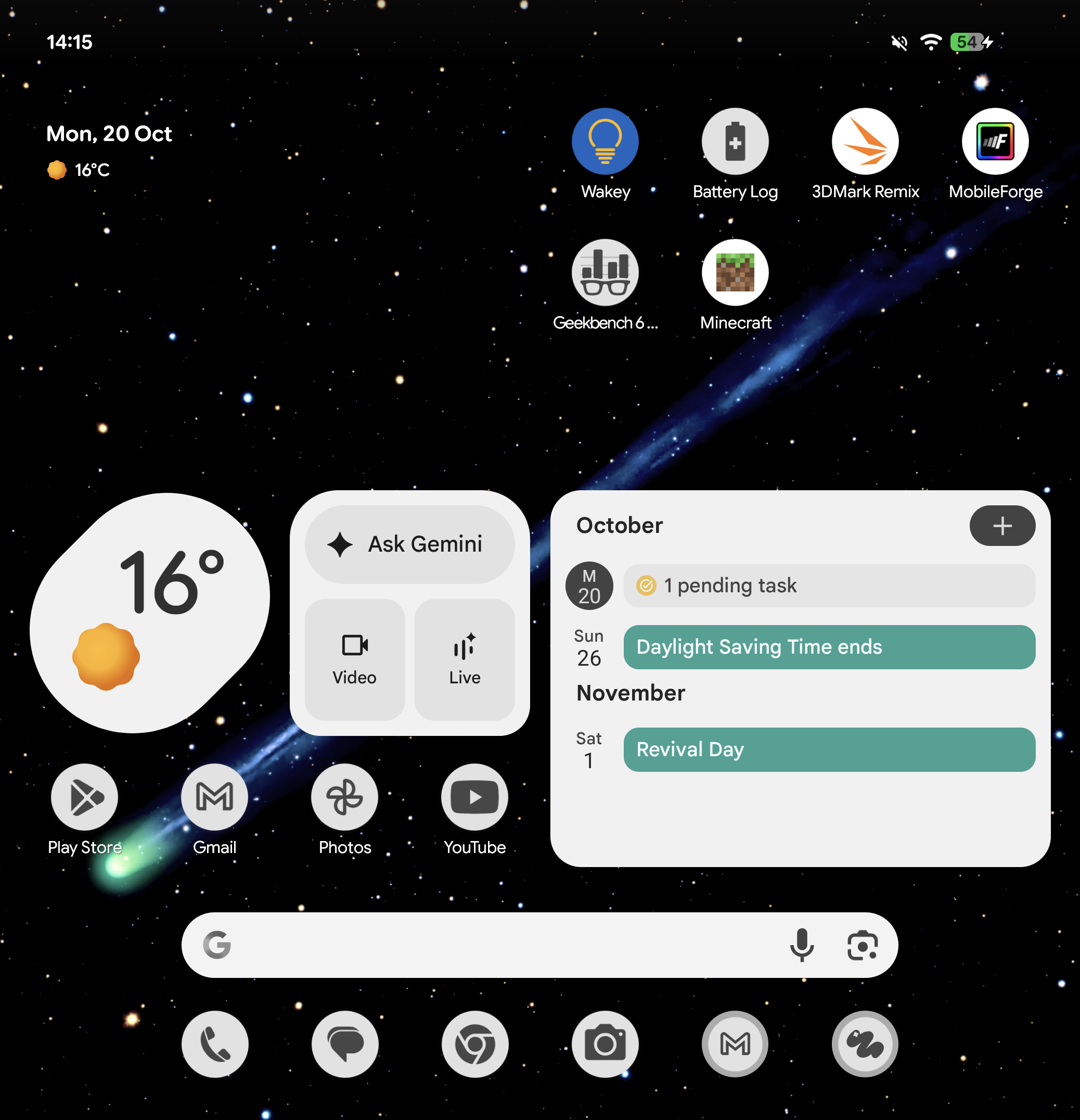
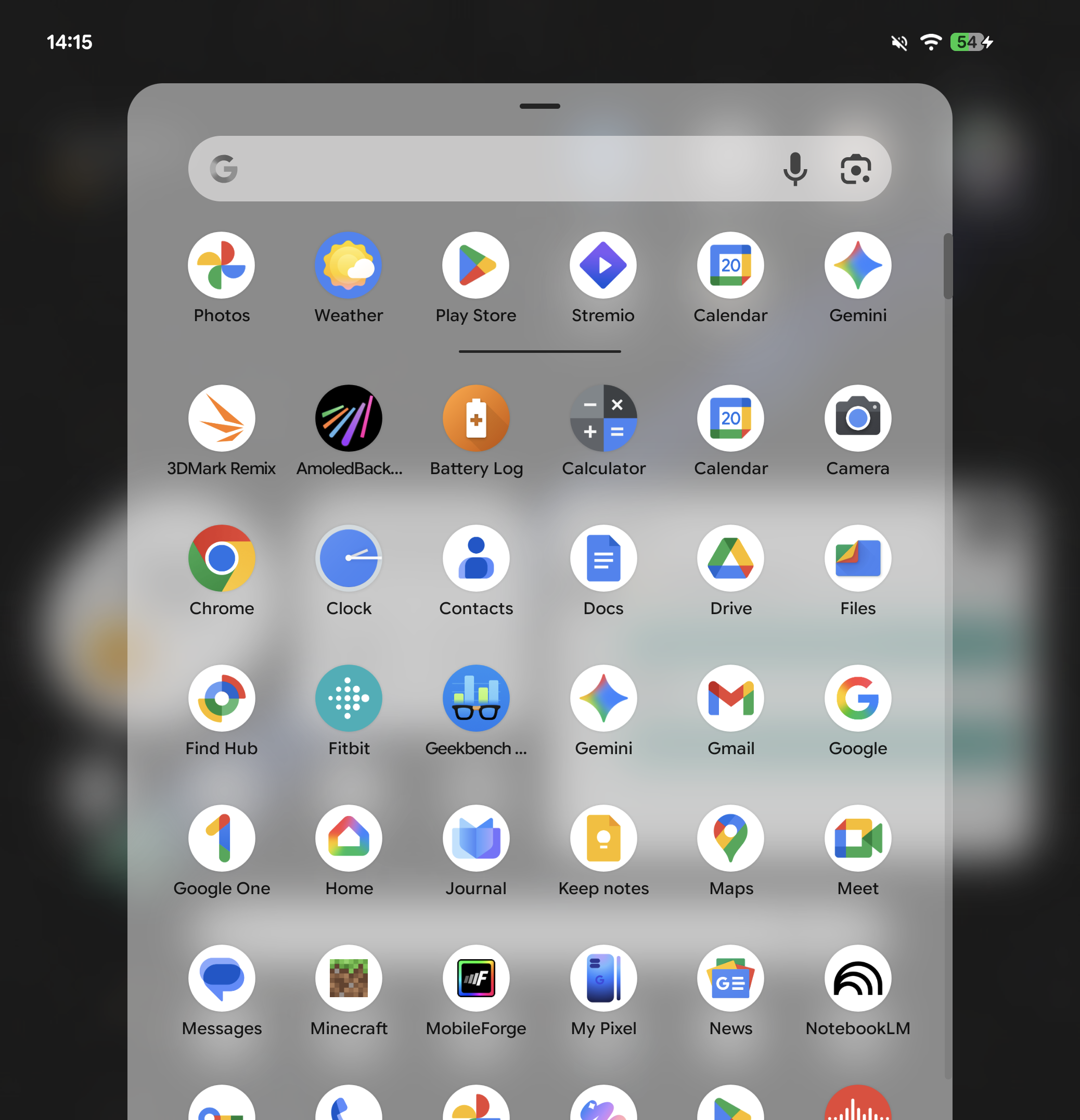
The Pixel 10 Pro Fold comes with Android 16 on deck, and it's a perfect match for the foldable. The Material 3 Expressive design language goes very well with the curved elements of the screen, making for a rather cohesive blend between hardware and software. Of course, the big selling point of all recent Pixels has been the tightly integrated Gemini AI, and the Pixel 10 Pro Fold is no different.
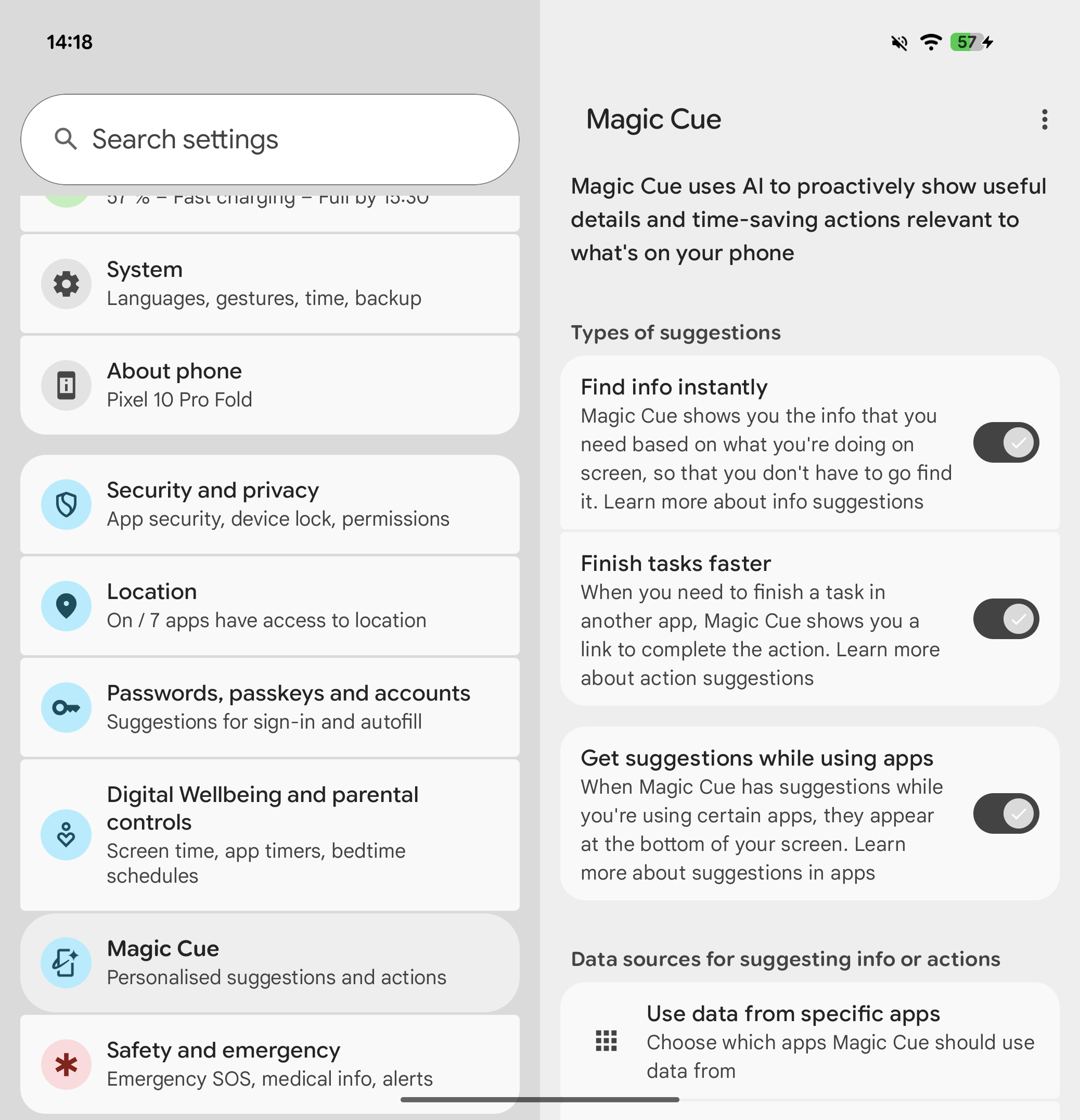
Probably the most useful new feature is called Magic Cue, and it sounds a bit scary on paper, but I promise it's fine. Magic Cue is always aware of what's on your screen, and whenever you stumble upon compatible on-screen content, like emails or text messages, it will automatically scour through your emails, past messages, calendar items, or even your gallery to intelligently suggest relevant replies, useful information, or follow-up actions. Think of it as a smart on-device butler that takes care of your data.
Yes, it sounds a bit intrusive, but let's face it: you're using a phone made by Google running on software optimized by Google, so it would be odd to really draw the privacy line at Magic Cue. If anything, Google promises this feature is processed only on-device thanks to the Gemini Nano model, so your privacy is protected.
Other cool new AI features allow you to edit images in the Photos app with a simple prompt. There's also a new digital journal app in which you may write down your day-to-day experiences. The rest of the Gemini suite is also on board, so things like Add Me, Hold For Me, and call screening are all aboard.
The Pixel 10 Pro Fold will enjoy seven years of software upgrades, which is great.
Pixel 10 Pro Fold Battery
Not great
Google Pixel 10 Pro Fold
( 5015 mAh )
Battery Life Estimate
5h
16m
Ranks #122 for phones
tested in the past 2 years
Average is
7h
38m
Browsing
16h
37m
Average is
18h
23m
Video
6h
26m
Average is
10h
52m
Gaming
3h
38m
Average is
10h
Charging speed
21W
Charger
54%
30 min
1h
34m
Full charge
Ranks #112 for phones released in the
past 2
years
There's a 5,015 mAh inside the Pixel 10 Pro Fold, and thanks to it, it's a strictly one-day phone, similar to most foldables out there, especially if you use the inner screen more. And if you aren't, why would you get a pricey foldable in the first place?
Thing is, the battery life of the Pixel 10 Pro Fold isn't great. It fares well in our custom web browsing and video playback tests, in which the screen is set at 200 nits of brightness to ensure consistent results, but our 3D gaming test proves too tough of a nut for the foldable phone, in which it lasted for just three hours and 38 minutes, way below average. The Pixel 9 Pro Fold fared significantly better in that same test.
The rest of the Pixel 10 series also struggled in the 3D gaming battery test, and the culprit is most certainly the inefficient and underperforming GPU inside the Tensor G5. Definitely not a phone that gamers should consider.
The Pixel 10 Pro Fold will accept up to 30W of wired charging power, and that one is enough to fully charge the phone in an hour and a half. A 30-minute charge gets you 54%, which isn't bad.
The wireless charging has been upgraded to 15W, and the Qi2 standard has been fully applied here. The latter gives us a magnetic circle at the rear of the phone, which ensures a snug fit with Google's new Pixelsnap magnetic accessories, Apple's wider MagSafe ecosystem, or any other Qi2 accessories that might arrive down the line. It's a great addition to the phone that unlocks a whole new world of opportunities.
Pixel 10 Pro Fold Audio Quality and Haptics
The Pixel 10 Pro Fold has stereo speakers, and these sound awesome. As there are a few extra millimeters of inside space in comparison with the average thin foldable of today, the Pixel 10 Pro Fold delivers louder sound without distortion, with an expansive soundstage and boomy bass. Definitely a phone that will put a smile on your face when you pump up the volume!
The haptics are good, albeit not too strong. That's okay, as they are crisp and precise, delivering an excellent experience.
Should you buy it?
Should you get it?
The Pixel 10 Pro Fold is a mixed bag. On paper and in real life, it's barely an improvement over the Pixel 9 Pro Fold. The performance is marginally better, but the battery life and camera image quality have not moved an iota in the right direction.
There's a lot to love here still, like the large and expansive displays, the clean Android that offers a lovely experience here, as well as the good battery life if you do anything else rather than gaming, but overall, the Pixel 10 Pro Fold is a not-so-successful remix of the Pixel 9 Pro Fold.
It's a shame that this is how Google moves in 2025, when all of its rivals in the foldable phone space are turning things up to 11. Samsung finally gave us a thin Galaxy Z Fold, while China's finest, like the Oppo Find N5 and the Honor Magic V5, are in a league of their own in terms of performance, battery life, and image quality.
In such a tight space, the Pixel 10 Pro Fold feels like the awkward distant cousin that nobody wants to invite to the barbeque.
Overall, only consider the Pixel 10 Pro Fold if you are willing to live with its shortcomings, and even then, do consider saving up by getting the older yet oddly same-ish Pixel 9 Pro Fold.
Peter is a skilled writer with over 13 years of experience at PhoneArena. He has published nearly 300 phone reviews and comparisons. This vast experience helps him navigate the mobile tech landscape with ease. He enjoys everything Android but relies on a MacBook Pro daily.
A discussion is a place, where people can voice their opinion, no matter if it
is positive, neutral or negative. However, when posting, one must stay true to the topic, and not just share some
random thoughts, which are not directly related to the matter.
Things that are NOT allowed:
Off-topic talk - you must stick to the subject of discussion
Offensive, hate speech - if you want to say something, say it politely
Spam/Advertisements - these posts are deleted
Multiple accounts - one person can have only one account
Impersonations and offensive nicknames - these accounts get banned
To help keep our community safe and free from spam, we apply temporary limits to newly created accounts:
New accounts created within the last 24 hours may experience restrictions on how frequently they can
post or comment.
These limits are in place as a precaution and will automatically lift.
Moderation is done by humans. We try to be as objective as possible and moderate with zero bias. If you think a
post should be moderated - please, report it.
Have a question about the rules or why you have been moderated/limited/banned? Please,
contact us.














Things that are NOT allowed:
To help keep our community safe and free from spam, we apply temporary limits to newly created accounts: