For a brief moment, tri-fold phones make you question everything you thought you knew about mobile devices. A phone that unfolds into something tablet-sized feels like the logical endgame — the one device to replace them all.
Samsung certainly wants you to believe that for the Galaxy Z TriFold: a phone that opens up to a roughly 10-inch display. Why carry both a phone and a tablet when one device can do both?
Now that Samsung is bringing tri-folds to the US market — something Huawei could not do with the Mate XT — more people are starting to pay attention to this tri-fold phone trend.
The vision these devices represent seems to be quite clear: make tablets obsolete.
But once you actually think about how these devices are used day to day, that vision starts to crumble a little.
So let’s step away from the hype and look at the reality: are tri-fold phones really the beginning of the end for small tablets, or are they solving a problem that doesn’t actually exist?
The ergonomics are not in favor of tri-fold phones
Both Samsung’s Galaxy Z TriFold and Huawei’s Mate XT are engineering marvels — no one can deny that. Both come with powerful chipsets, beautiful displays, and are extremely thin when unfolded.
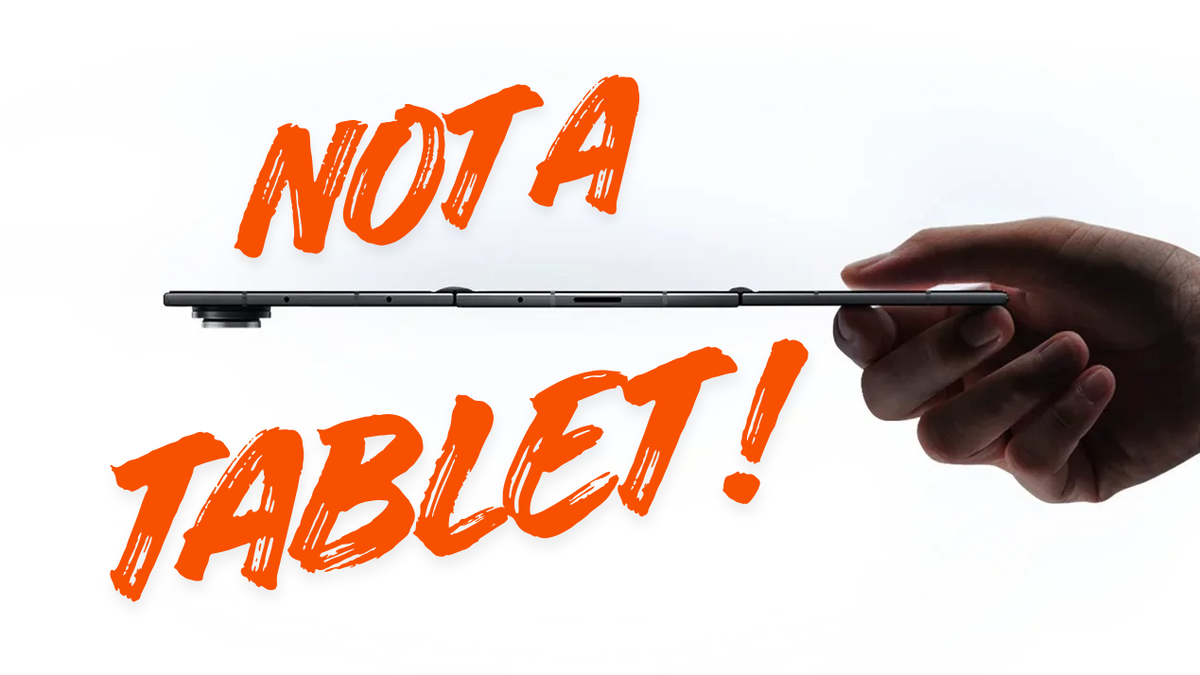
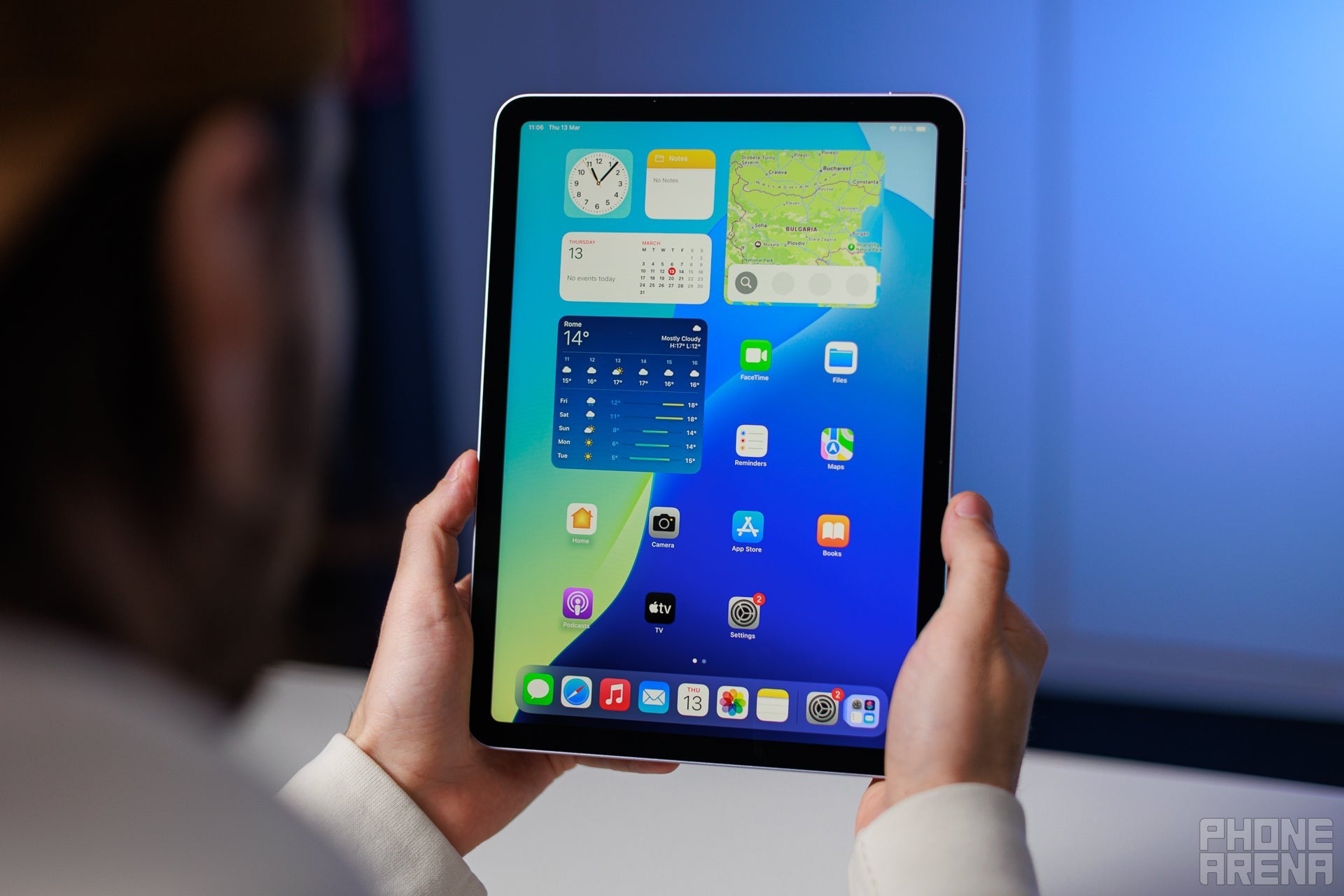
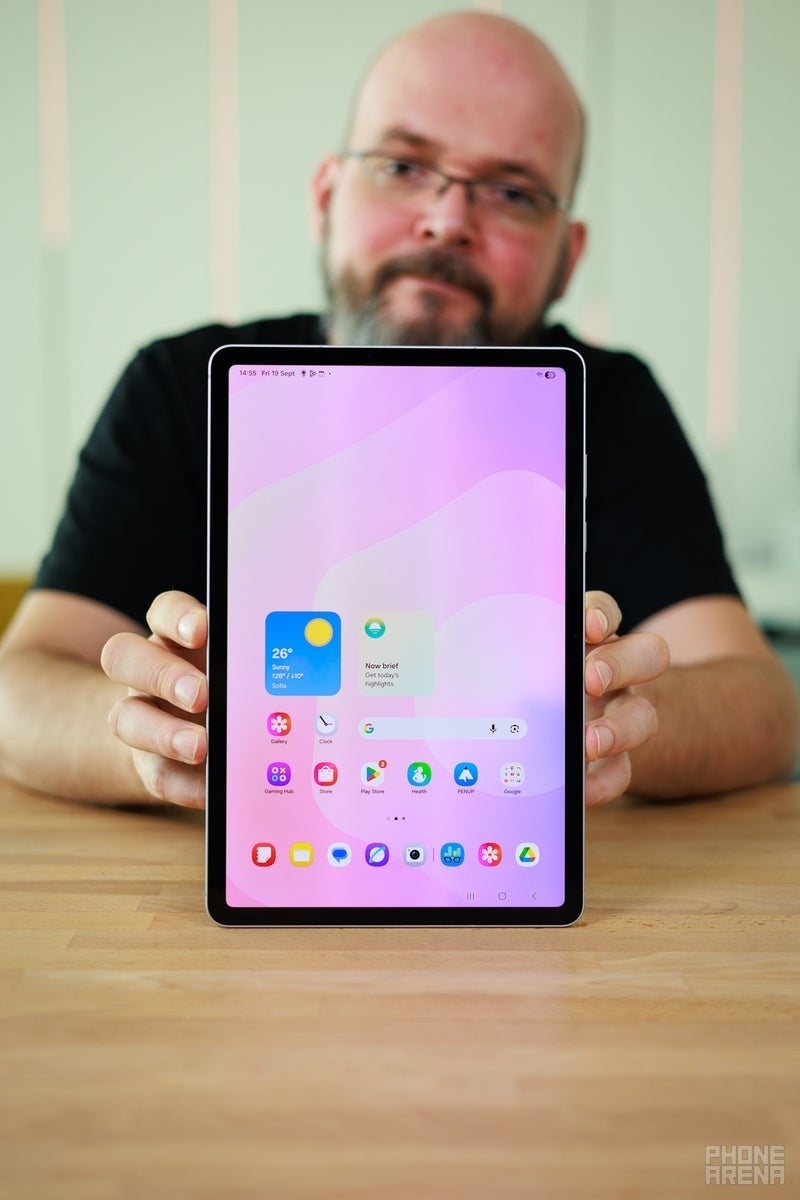
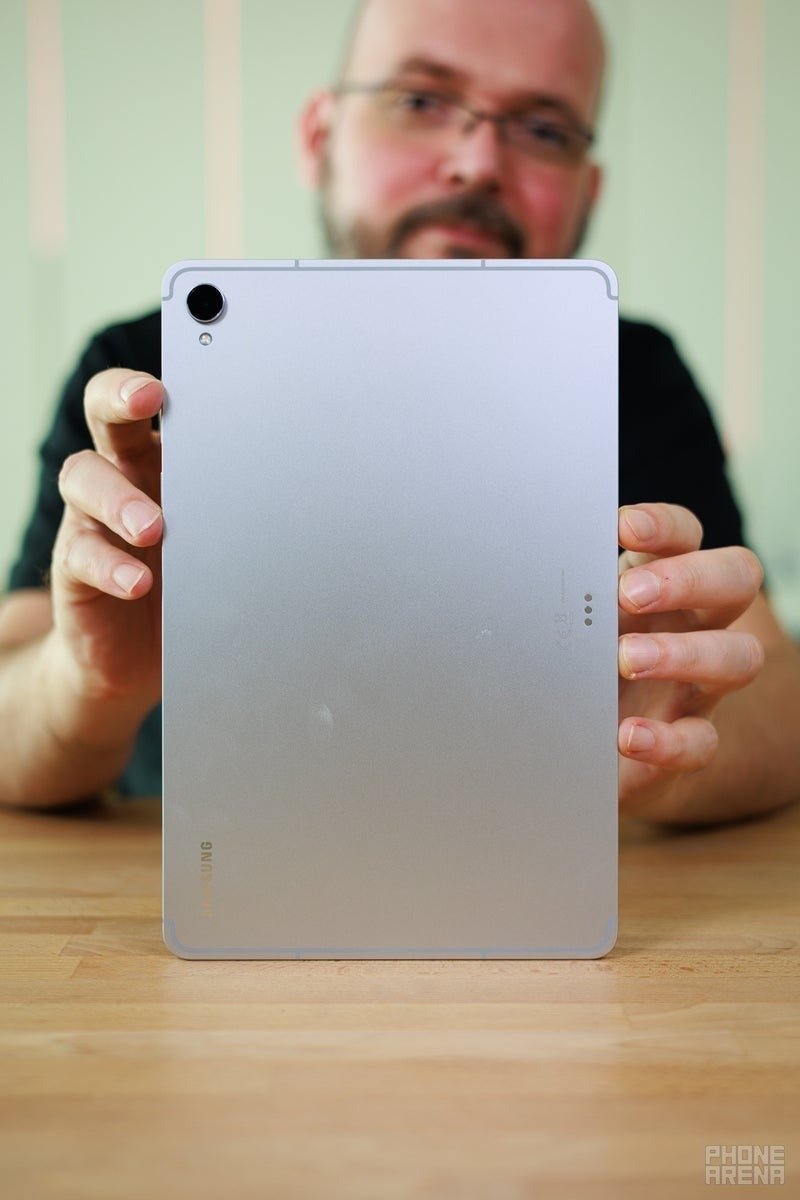
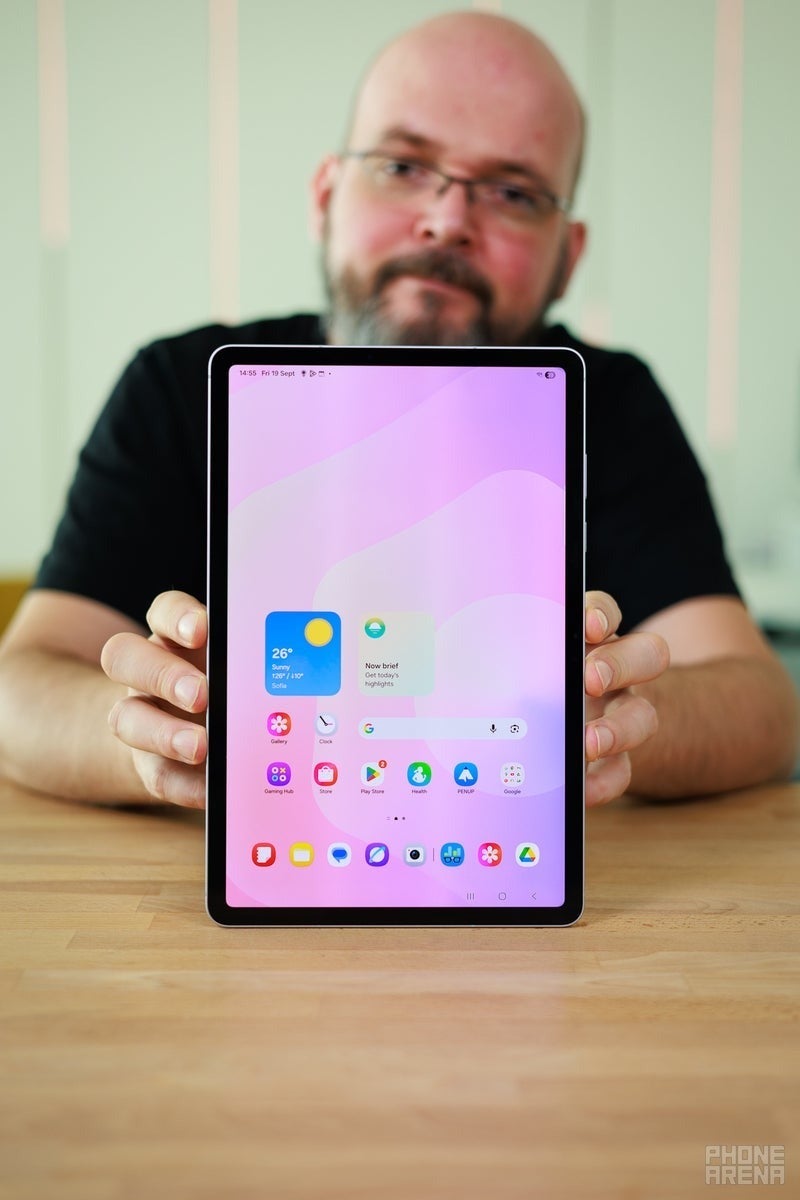
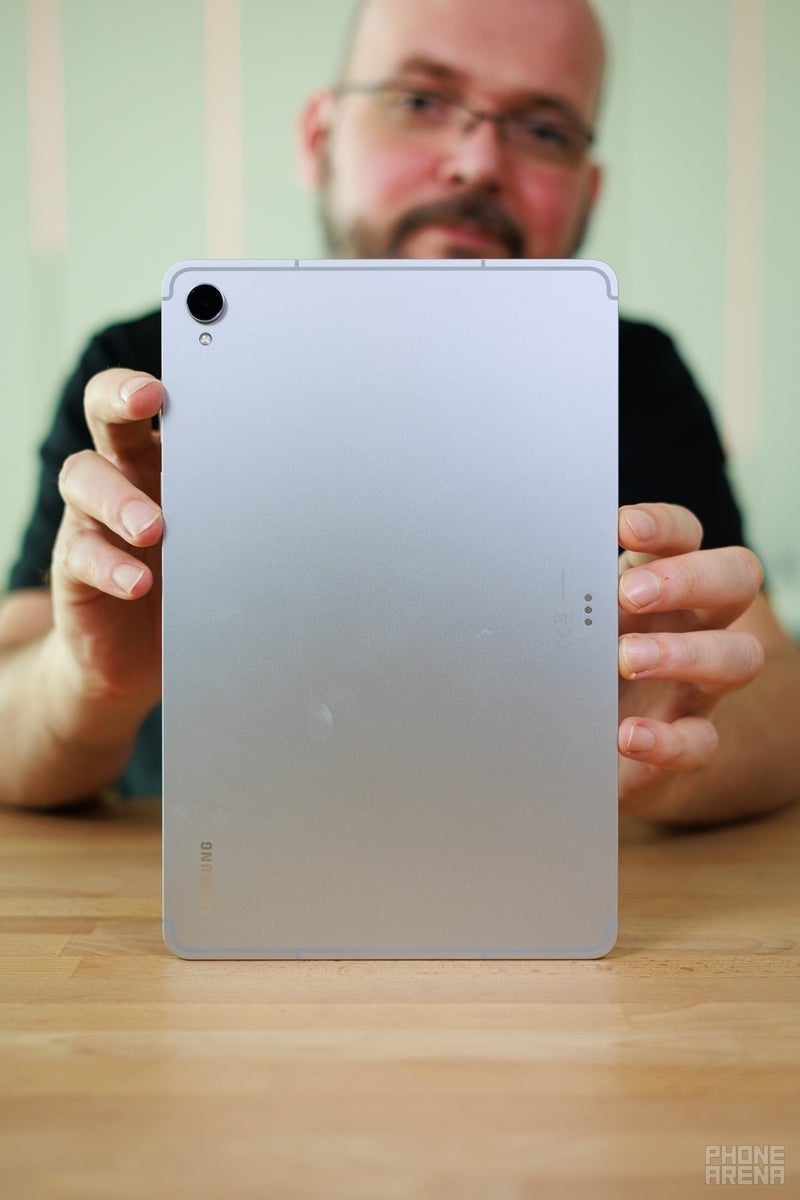
However, you have to also take into account that when they are folded, they become almost 13mm thick. For comparison, the Galaxy Tab S11 is just 5.6mm thick. And yes, these tri-fold phones might be lighter (hovering around 300 gram vs 450–500 grams for a small tablet), but they end up just being the worst of both worlds: dramatically thicker and heavier than regular phones, and still rocking a smaller display than an iPad Air or Galaxy Tab S11.
Recommended For You
What’s more, a tablet is specifically designed to be used for visual entertainment like movies and TV shows, so it has some perks like thicker bezels that allow users to hold them without interfering with the display.
Durability will be even weaker on tri-fold phones
If you’ve owned a foldable phone, you know very well about how easy it is to damage its soft surface, and this issue only grows with the display’s size. A tablet will withstand the test of time much better. Plus, tablets have a lot more options when it comes to screen protectors and cases to keep them extra safe.
There’s another fact to consider. Foldable phones are notoriously prone to breaking where the hinge is located, and two hinges means double weak points compared to a regular foldable phone. A tablet has a uniform body, which makes it much sturdier.
Many tablets, like Samsung’s Galaxy Tab S11, even have an IP rating that assures a certain level of dust and water resistance — something that foldable phones continue to lack in, despite some improvements in the last couple of years.
Tablets still win the accessory game by a landslide
The larger display that foldable phones offer to users is not only great for consuming media, but it also for improving your productivity workflow. There is more space to multitask, which helps you do things more quickly and efficiently.
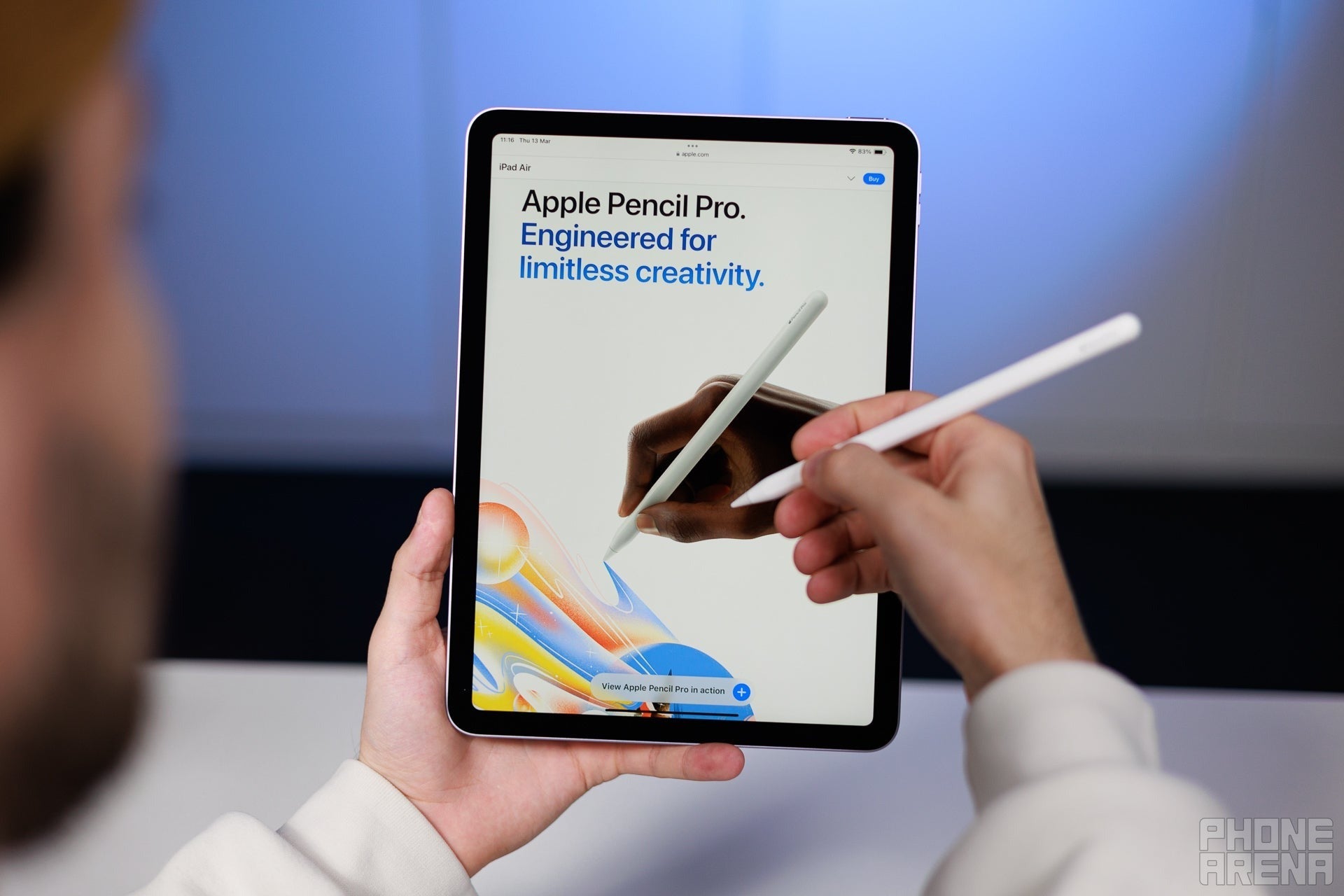
But many foldables, including Samsung’s Galaxy Z TriFold, don’t support styluses. To give credit where it's due, though, the Mate XT Ultimate does support Huawei’s M-Pen 3 stylus, which gives it an edge over its Samsung counterpart. Still, drawing on a tablet is much more realistic and intuitive than on a fragile foldable with creases.
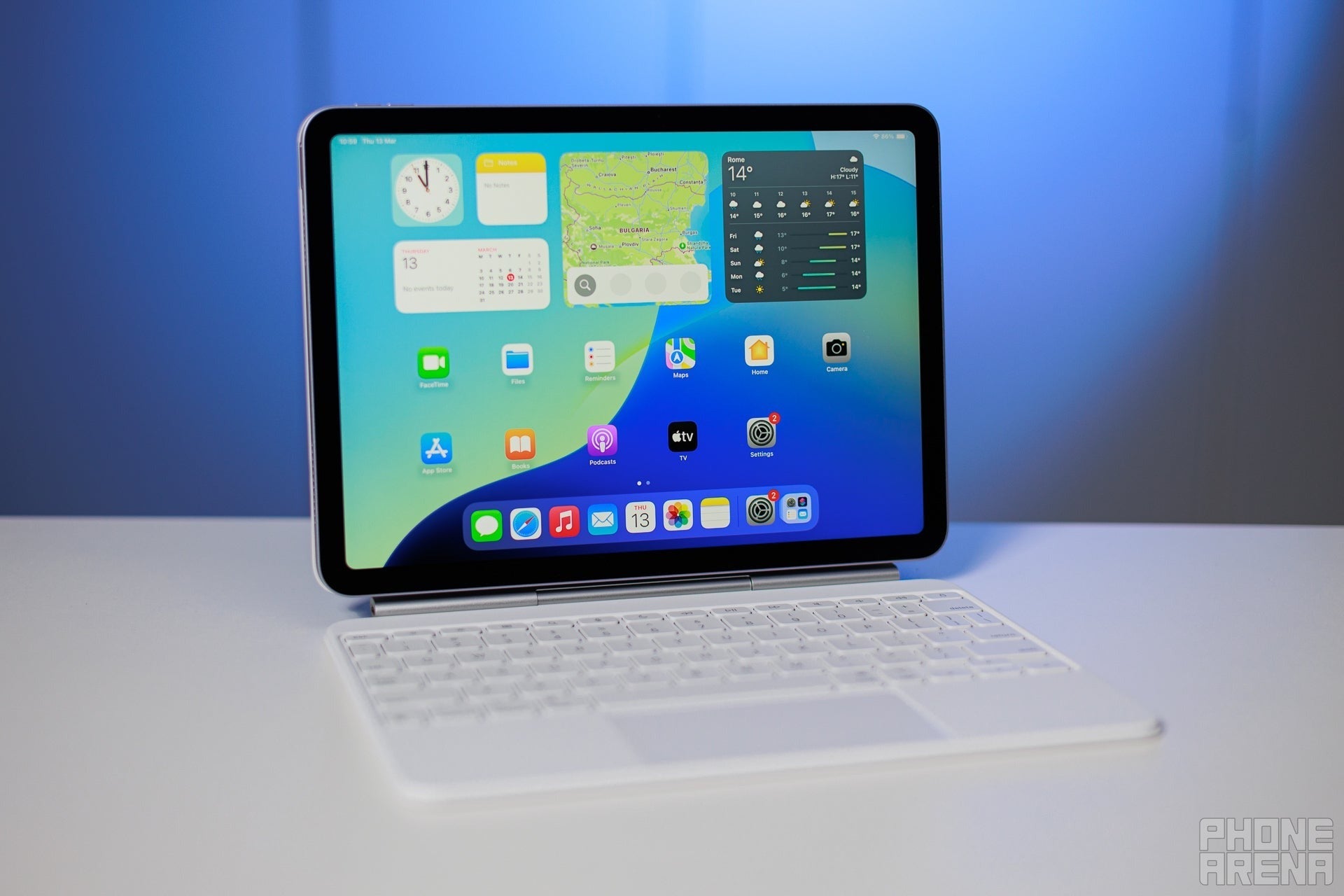
Tablets are even more versatile when it comes to accessories, though. They often have dedicated keyboards that you can buy separately, covers/cases that can keep them upright, and some of them come with a stylus in the box.
The biggest problem with tri-fold phones, and the main reason they can’t threaten compact tablets
Large foldable phones are still extremely expensive, and tri-folds — being the novelty they are — are even less accessible. For example, the Galaxy Z TriFold is expected to cost between $2,500 and $3,000 when it comes out, while the Huawei Mate XT costs €3,500 in Europe. Now let’s take a look at the prices for all compact tablets we reviewed in 2025:
Poco Pad X1: $400
Xiaomi Pad 7 Pro: $580
iPad Air M3: $600
Galaxy Tab S11: $800 (currently $700)
So, you can literally buy a tablet, a phone, a keyboard, a stylus, and a case for less than the cost of a single Galaxy Z TriFold.
What exactly is being “replaced” here? Tablets, or your entire savings account?
Smaller tablets aren’t going anywhere
Tri-fold phones are exciting because they show how far manufacturers are willing to push the idea of a pocket-sized device that becomes something bigger. They’re innovative, ambitious, and undeniably cool. But while traditional foldables have already earned their place, tri-folds still feel like experiments searching for a real purpose.
As they exist today, tri-folds inherit the drawbacks of both categories. Folded, they’re thicker and more awkward than a normal phone. Unfolded, they give you more room to work, but not enough to replace the comfort and usability of an 11-inch tablet. The result is a device that compromises the experience of both — a jack-of-all-trades that isn’t great at being either.
That’s why smaller tablets aren’t going anywhere. They’re still more comfortable, more durable, and far more accessible. Tri-folds may carve out a niche, but they’re not a substitute for a dedicated tablet, at least not yet.
Galaxy Z Fold 8: save up to $800
$1299
99
$2099
99
$800 off (38%)
The Galaxy Z Fold 8 is Samsung's first-ever passport-style device, offering a unique approach to the foldable experience. Right now, you can get the device with a maximum trade-in discount of up to $800. Alternatively, you can get it with a $250 Samsung Instant Savings, no trade-in required.
Aleksandar is a tech enthusiast with a broad range of interests, from smartphones to space exploration. His curiosity extends to hands-on DIY experiments with his gadgets, and he enjoys switching between different brands to experience the latest innovations. Prior to joining PhoneArena, Aleksandar worked on the Google Art Project, digitizing valuable artworks and gaining diverse perspectives on technology. When he's not immersed in tech, Aleksandar is an outdoorsman who enjoys mountain hikes, wildlife photography, and nature conservation. His interests also extend to martial arts, running, and snowboarding, reflecting his dynamic approach to life and technology.
COMMENTS (7)
COMMENTS (7)
All comments need to comply with our
Community Guidelines
PhoneArena Community Rules
A discussion is a place, where people can voice their opinion, no matter if it
is positive, neutral or negative. However, when posting, one must stay true to the topic, and not just share some
random thoughts, which are not directly related to the matter.
Things that are NOT allowed:
Off-topic talk - you must stick to the subject of discussion
Offensive, hate speech - if you want to say something, say it politely
Spam/Advertisements - these posts are deleted
Multiple accounts - one person can have only one account
Impersonations and offensive nicknames - these accounts get banned
To help keep our community safe and free from spam, we apply temporary limits to newly created accounts:
New accounts created within the last 24 hours may experience restrictions on how frequently they can
post or comment.
These limits are in place as a precaution and will automatically lift.
Moderation is done by humans. We try to be as objective as possible and moderate with zero bias. If you think a
post should be moderated - please, report it.
Have a question about the rules or why you have been moderated/limited/banned? Please,
contact us.






Things that are NOT allowed:
To help keep our community safe and free from spam, we apply temporary limits to newly created accounts: