Three of the Pixel 10 models are using an old Qi2 version, probably for very good reasons
The Pixel 10, Pixel 10 Pro, and Pixel 10 Pro Fold have a two-year-old version of Qi2 on and you can blame heat for it.
We may earn a commission if you make a purchase from the links on this page.
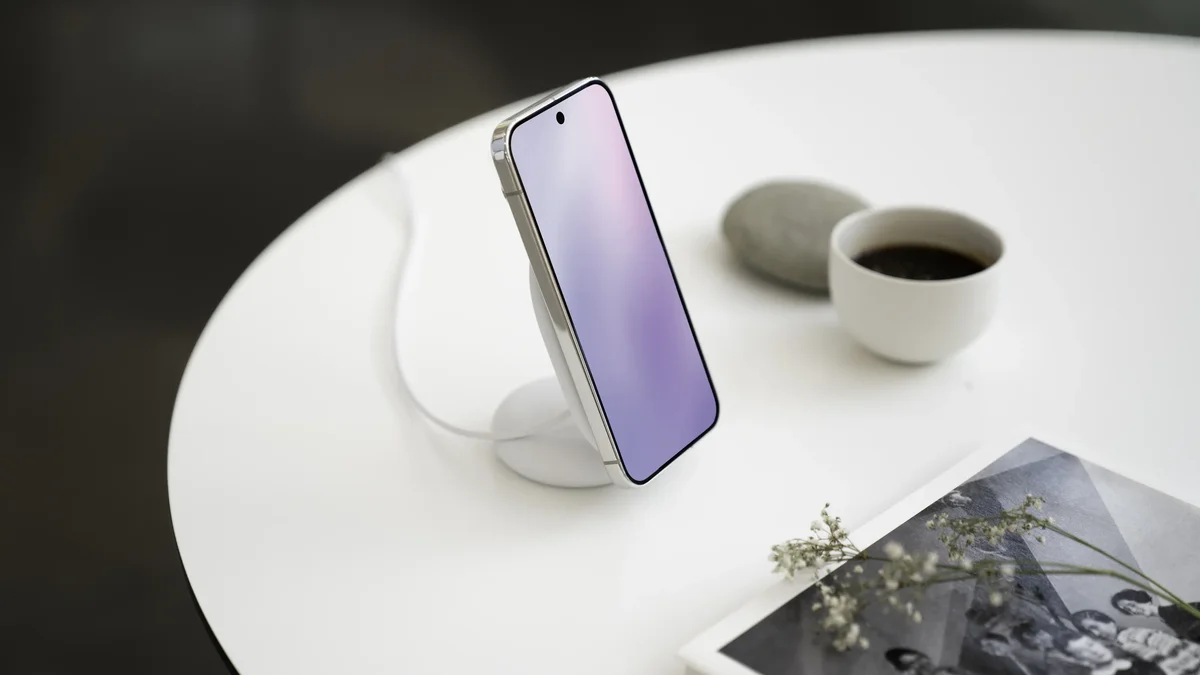
One of the best new features on the Pixel 10 series is the Qi2 support with magnets, but it appears that Google cut some corners on most of the new devices. While the Pixel 10 Pro XL supports 25W wireless charging, the rest of the lineup utilizes an older version of the Qi standard.
Listings on the Wireless Power Consortium (WPC) Qi Product Database show that the Pixel 10, 10 Pro, and 10 Pro Fold support a 2023 version of the Qi standard. The three devices have Qi 2.0.1, while the 10 Pro XL uses the latest version – Qi 2.2.0.
Qi2 had a slow start, initially implemented on very few Android devices and all iPhones since the iPhone 12. That changed with the Samsung Galaxy S25 series, which supports Qi 2.1.0 and is “Qi2 Ready”. That means the device doesn’t have built-in magnets, but can use the full Qi2 functionality through magnetic cases.
Unlike Samsung, Google has fully committed to Qi2 and is the first major Android manufacturer to adopt the standard with built-in magnets. The company has also been partnering with the WPC on the development of the Qi 2.2 standard and its ability for faster wireless charging with up to 25W.
The major differences between the Qi2 versions are the following:
When comparing the slower-charging Pixel 10 models with the competition it becomes clear that the difference is not that significant. The only other major devices that support Qi2 with magnets are Apple’s smartphones, and even the iPhone 16 series works with the 2.0.1 version of the standard.
Wireless charging is an amazing feature, and magnets make it even better. I personally see battery longevity as a priority over fast-charging abilities, so I’m fine with Google’s decision. However, I am curious if Apple will up its game and offer 25W MagSafe on all iPhone 17 models.
Listings on the Wireless Power Consortium (WPC) Qi Product Database show that the Pixel 10, 10 Pro, and 10 Pro Fold support a 2023 version of the Qi standard. The three devices have Qi 2.0.1, while the 10 Pro XL uses the latest version – Qi 2.2.0.
Users of the Pixel 10 devices with Qi 2.0.1 support shouldn’t be worried. The devices can work with the same chargers and only support up to 15W wireless charging anyway. It is, however, weird that Google doesn’t use the same version of the Qi2 standard, considering it allows for different charging speeds.
As for the charging speed difference, Google has an explanation. The company told Android Authority that it wanted to reduce heat and extend the battery longevity.
As for the charging speed difference, Google has an explanation. The company told Android Authority that it wanted to reduce heat and extend the battery longevity.
Qi2 had a slow start, initially implemented on very few Android devices and all iPhones since the iPhone 12. That changed with the Samsung Galaxy S25 series, which supports Qi 2.1.0 and is “Qi2 Ready”. That means the device doesn’t have built-in magnets, but can use the full Qi2 functionality through magnetic cases.
The major differences between the Qi2 versions are the following:
- Qi 2.0 – Adds Magnetic Power Profile, based on Apple’s MagSafe
- Qi 2.1 – Adds support for Magnetic Accessory Covers
- Qi 2.2 – Adds support for 25W charging
Do you use wireless charging?
199 Votes
Yes, all the time
50.25%
Yes, but rarely
23.12%
No, but I want to
13.57%
No, and I don’t want to
13.07%
When comparing the slower-charging Pixel 10 models with the competition it becomes clear that the difference is not that significant. The only other major devices that support Qi2 with magnets are Apple’s smartphones, and even the iPhone 16 series works with the 2.0.1 version of the standard.
Wireless charging is an amazing feature, and magnets make it even better. I personally see battery longevity as a priority over fast-charging abilities, so I’m fine with Google’s decision. However, I am curious if Apple will up its game and offer 25W MagSafe on all iPhone 17 models.


Popular stories
Latest News
Things that are NOT allowed:
To help keep our community safe and free from spam, we apply temporary limits to newly created accounts: