Apple could be forced by FCC to phase out recent U.S. iPhone models after 2 years
A rule proposal that could impact the iPhone and other smartphones in the U.S. was advanced to the next level after a unanimous vote.
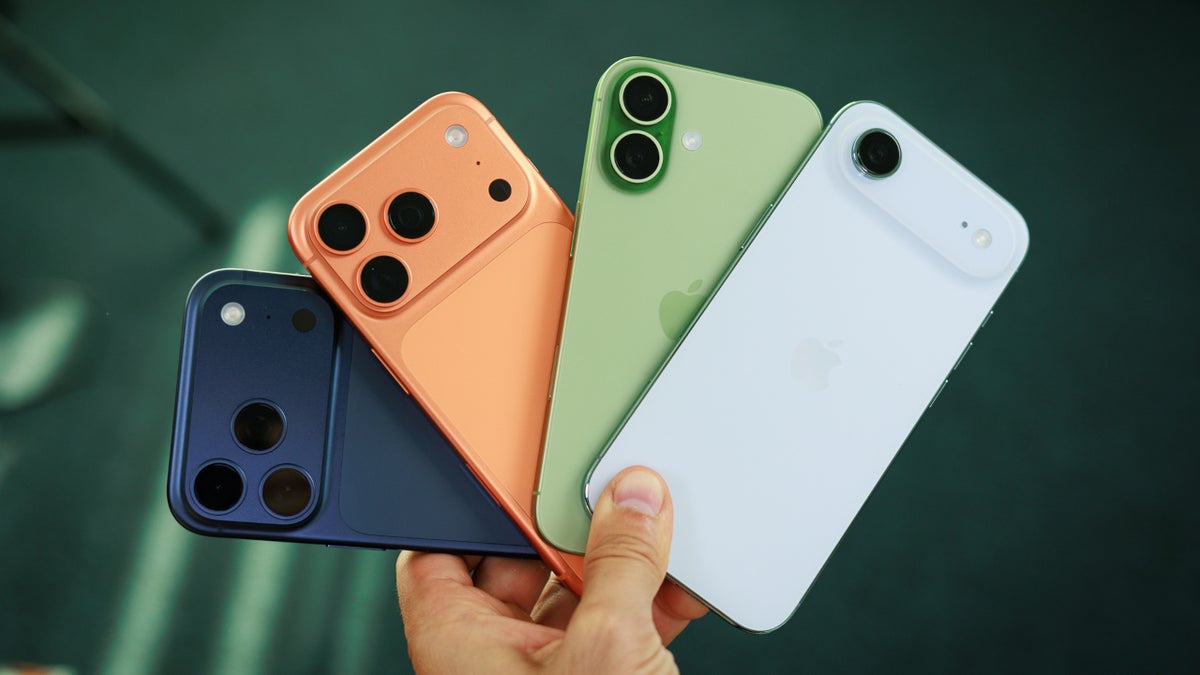
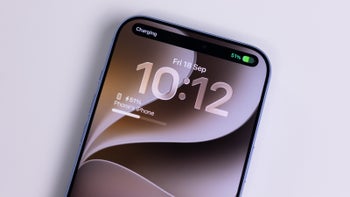
FCC lab ban could impact recent iPhone models. | Image by PhoneArena
A vote taken Thursday by the Federal Communications Commission (FCC) has moved the regulatory agency closer to finalizing a proposal that would prevent all Chinese labs from testing devices like smartphones, computers, and cameras for use in the U.S. The agency says that three-quarters of U.S. electronics are tested in China.
FCC unanimous vote takes proposal banning Chinese labs to next level
For example, before a smartphone can be sold in the U.S., it has to pass certain FCC equipment authorization tests that check out things like radio emissions, network compatibility, and compliance with other FCC rules. So one can say that, according to the FCC's own estimate, labs in China are responsible for the testing results relied on by the regulatory agency to determine whether 75% of the smartphones and other electronics used in the U.S. pass all FCC requirements.
The FCC is looking to punish labs from countries deemed security threats to the U.S., like China. This would be done by allowing American labs, or labs in countries friendly to the U.S., to run these tests using a streamlined process.
Yesterday's vote was unanimous and will be followed by the publication of a "Notice of Proposed Rulemaking" (NPRM) in the Federal Register. Next, the FCC will listen to 30-60 days of public comments by the industry and consumers.
Apple, Samsung, Google, and other smartphone manufacturers will be allowed to present objections
Smartphone manufacturers such as Apple, Samsung, and Google will submit to the FCC their feedback, objections, and their own rule change suggestions. Besides the phone manufacturers, other testing labs, industry groups, and foreign governments will also have the opportunity to pass this information to the regulatory agency.
What will Apple do if it has to pay more to test iPhone units?
1091 Votes
Eat the costs and keep prices the same.
21.91%
Raise prices forcing the consumer to pay.
78.09%
Next, the FCC does its own analysis of the above proposals and could decide to make revisions to the proposal. The FCC can also issue a "Further Notice," in which follow-up questions are asked to the phone makers, the labs, industry groups and foreign governments.
While Thursday's vote focused on labs in China, there is another proposal that would expand the ban to other countries without MRAs. The latter is a Mutual Recognition Agreement that allows two or more countries to agree to abide by the results of each other's tests.
Apple and China do not have a Mutual Recognition Agreement signed
Once all of the above is completed, the FCC commissioners vote again. If approved, the proposal is law and is legally binding. The final order will include the date when the new law will start to take effect, and whether existing certifications remain valid.
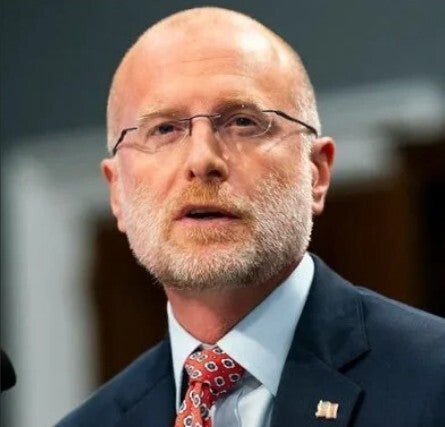
FCC Chairman Brendan Carr | Image by FCC
Here's a huge part of the proposal. Because the U.S. and China do not have an MRA agreement signed, older devices that relied on certifications from Chinese labs could only be sold for two years after the final rules are announced.
After 2 years, Apple can re-certify older iPhone units at labs recognized by the U.S.
While this means that iPhone models certified by Chinese labs only have two years to be sold in the U.S. under their original certifications, there is a way around. Apple and other companies are sure to use this workaround to avoid having to pull some of their products off the shelves.
The iPhone, and other products that were certified by Chinese labs, can be re-certified by U.S. labs or labs in countries where an MRA has been signed. That wouldn't be necessary until the two-year period expires. Future iPhone models would skip getting certified in China.
In China, all phones, including the iPhone, must be tested for the China Compulsory Certificate (CCC). Many of the labs in China that perform this testing will test iPhone models to FCC technical standards. This will no longer be allowed if the FCC proposal becomes law forcing Apple to ship assembled iPhone units to another country for testing.
As a result, should the FCC ban the use of Chinese labs for testing, it will cost Apple more to get the necessary testing completed, and it will also take more time to get this done. It is way too early to determine how this might impact iPhone prices and release dates.


Popular stories


Latest News


Things that are NOT allowed:
To help keep our community safe and free from spam, we apply temporary limits to newly created accounts: