The Galaxy Watch Ultra 2 might have a five-day battery life; what else could Samsung do with this incredible hardware?
Samsung could adopt dual-chip strategy to separate its upcoming premium and standard watches.
We may earn a commission if you make a purchase from the links on this page.
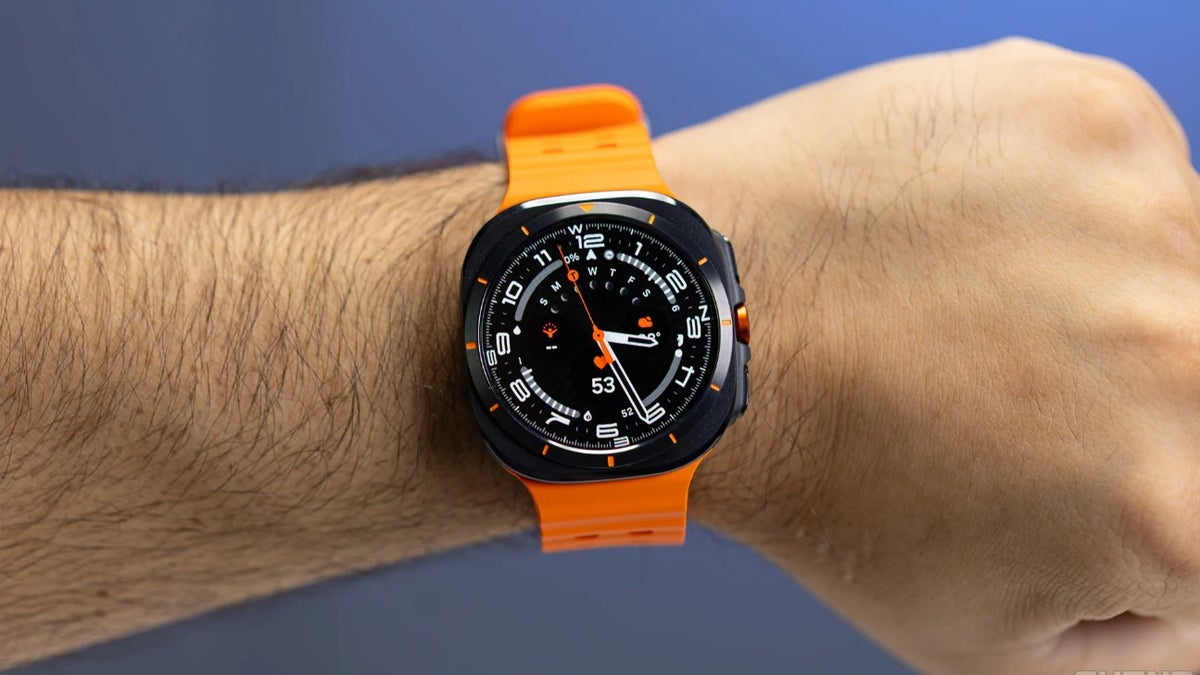
Galaxy Watch Ultra | Image by PhoneArena
Now that the Galaxy S26 series has been released, Samsung is likely looking towards launching its next products, which could possibly be its smartwatches. We'll most likely see two wearables from Samsung this year: the Galaxy Watch Ultra 2 and the Galaxy Watch 9. Both devices are expected to feature significant differences, one of which could be the use of different processors in each device.
At the recently held MWC event, Qualcomm unveiled its latest Snapdragon Wear Elite chipset for wearables. Soon after, Samsung officially confirmed that its next Galaxy Watch will use this new Snapdragon chip. However, it wasn't clear at the time which upcoming Samsung smartwatch – the Watch 9 or the Watch Ultra 2 – would use the new processor.
Qualcomm specifically mentioned in the press release that the Snapdragon Wear Elite chip is designed for AI-centric wearables. That basically means it will bring a plent of AI improvements to smartwatches. The processor features a dedicated Hexagon NPU, which will allow the wearable (the Watch Ultra 2, if rumors prove true) to support on-device AI models. It will also enable different AI-powered use cases, like smart replies, summarizing long text, advanced fitness coaching, and more.
A new chip for the Galaxy Watch Ultra 2
A reliable tipster, Jacob C, recently posted on X that the Galaxy Watch Ultra 2 could be powered by the Snapdragon Wear Elite. The Watch 9, on the other hand, will use the Exynos W10 (W1000) – the same SoC that the brand has used in some of its previous smartwatches, including the Galaxy Watch 8, Galaxy Watch 7, and original Galaxy Watch Ultra.
The tipster believes that Samsung is using the dual-chip strategy to differentiate the two smartwatches from each other. The more powerful Snapdragon chip will be used in the premium watch, whereas the standard model will continue to use the same in-house Exynos chipset.
What improvements do you want the Snapdragon chip to bring to the Galaxy Watch Ultra 2?
138 Votes
Faster performance.
5.07%
Better AI features.
5.07%
More battery life.
80.43%
More polished UI and overall experience.
9.42%
Snapdragon SoC could bring some real improvements
GALAXY WATCH 9 & 9ULTRA 2 UPDATE
— Jason C. (@_TheJasonC) March 6, 2026
Samsung may split processors across its next smartwatch lineup. In simple terms, the premium model could use a different chip to deliver stronger performance.
→ Ultra 2 reportedly testing Snapdragon Wear Elite
→ Standard Watch 9 expected to… pic.twitter.com/nZyf1WeikB
All these upgrades seem possible based on what Qualcomm has announced about its latest wearable chip. However, in addition to all this, I would want the new chip to deliver better battery life for the Watch Ultra 2. In our testing, the Galaxy Watch Ultra lasted for two days on regular usage.
This is definitely decent battery life for a smartwatch with a 590 mAh battery. It performs equally well in almost all departments, including battery life, compared to its main rival, the Apple Watch Ultra 2. But who wouldn't appreciate a little more juice and better performance in their Galaxy Watch?
All that said, I also believe the new AI-centric Snapdragon chip could lead to a slight price increase for the Ultra model. Whether that will actually happen remains to be seen when the device is officially unveiled. Until then, I would recommend taking even the information about Samsung's dual-chip strategy for its upcoming watches with a grain of salt, as it comes from a tipster rather than an official source.


Popular stories



Latest News




Things that are NOT allowed:
To help keep our community safe and free from spam, we apply temporary limits to newly created accounts: