As a tech reviewer, I scrutinize every phone, but my friends don’t notice any of it, and that made me question everything about smartphones today.
The things enthusiasts fixate on simply don’t matter to the average user. They don’t care about the incremental (or the massive) improvements to the GPU, the slightly thinner bezels or the lager camera sensor.
What really stands out to me is that people use their phones in almost identical ways, which means the experience feels nearly the same no matter how much the device costs or which brand made it.
So I was naturally led to a bigger question: have we reached peak smartphone, where the device becomes more of a standardized utility than something worth hyping up every year?
We are already heading that road anyway
If you’ve been paying attention, you’ve probably noticed just how similar all the phones look and feel nowadays. Heck, you don’t even need to have been paying attention to notice that…
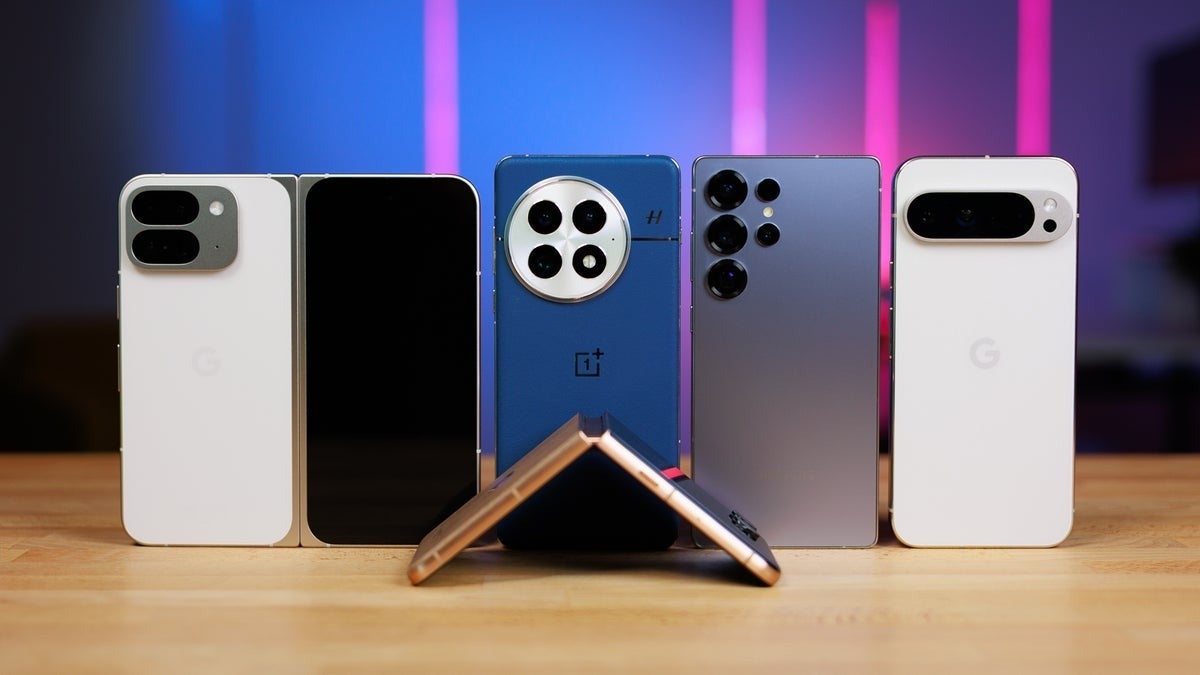
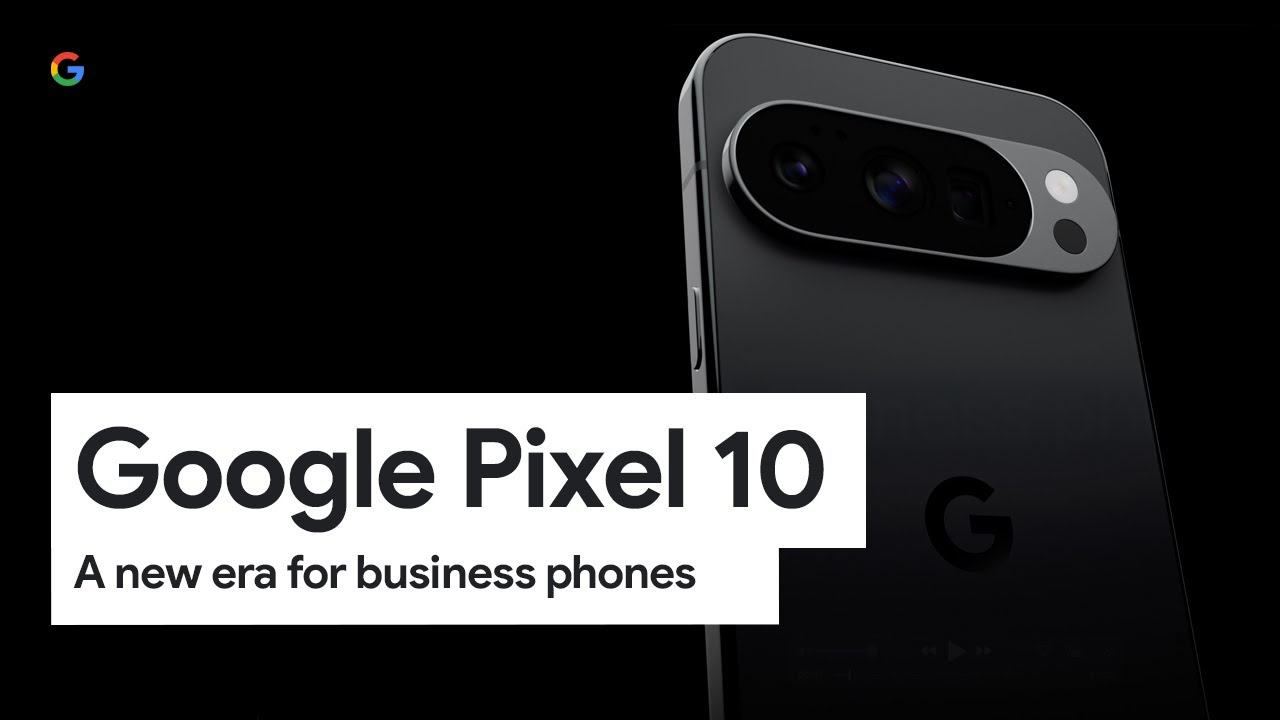
The latest example I can think of is the OnePlus 15, which many criticized for losing its identity and blindly following the industry trend of simplistic square slabs of metal and glass — the same as the Pixel 10, iPhone 17 and Galaxy S25.
And it doesn’t just end at hardware. iOS and all the different Android skins have long been stealing from each other, and the result of that is a more standardized experience; a bubble that feels safe, reliable, and familiar to the users. It almost feels like we are reaching an equilibrium.
Recommended For You
Of course, we still see small differences in camera quality, maybe in display quality too, but for the most part, the rest is kind of equally fine no matter what phone you go for. The basic things are covered: social media; messaging; photos of pets and lunch; browsing; maps; banking; YouTube, TikTok, Netflix; some casual gaming.
That’s even true when comparing phones from different price ranges, like the Pixel 9a and Pixel 10 Pro, for example. Yes, the 9a obviously lacks some of the high-end perks of the Pixel 10 Pro, but the essential phone experience is the same.
Are phones even where all the innovation is happening nowadays?
Smart wearables seem to be the future.
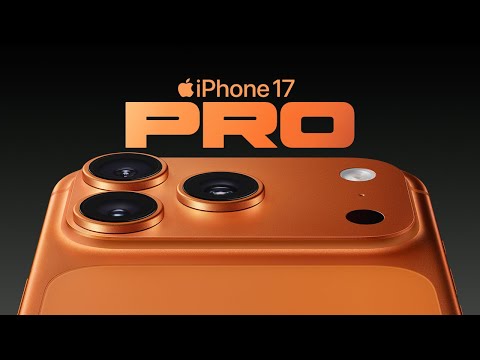
One of the funniest things about smartphones right now is that companies still market small changes as if they’re revelations. “This year: 12% faster GPU!”; “New anti-glare coating!”; “A new Pro color that’s just stunning!”
Meanwhile, I feel like the actual exciting things in mobile tech are happening everywhere else:
Wearables are getting smarter and more personal
AI assistants are slowly turning into personal life coaches
AR glasses are slowly taking shape
Health sensors are becoming more advanced and more integrated
And, generally, services are where companies now make money. The phone is just the hub for these innovations, a platform. The thing that syncs everything. It’s not the actual invention or upgrade.
So, when companies start betting their future on services, AI, and wearables instead of phones, it is pretty clear that they no longer consider said product as the cutting edge of mobile tech. Instead, it is simply a medium, and the small details it comes with don’t really matter as much as they used to.
So, I argue that phones didn’t stop evolving because engineers got lazy. They stopped evolving because there’s not much that can make them better.
The illusion of choice contrasted to a unified experience
If phones are largely the same, why do we still feel like choosing one is a big emotional decision? Because the industry is spectacular at selling the illusion of difference.
Most people who buy an iPhone Pro never shoot Apple ProRAW; Galaxy Ultra buyers rarely use the S Pen; nobody uses 10x zoom in real life (at least not often); benchmarks matter only to people who write about benchmarks.
But these features become talking points that fit nicely in a presentation or a comically hyped up event. Otherwise, said, shiny distractions that make new phones feel special. Users typically don’t utilize them, but they help justify a higher price tag.
Meanwhile, my non-tech friends treat their phones exactly like what they are — tools. They buy one, use it until it breaks, then replace it with whatever looks decent and fits the budget. Their decision-making process is shockingly short: “Does it run my apps? Does the camera look fine? Is it under X price? Does it look cool?” That last one really gets me…
The illusion of value: Why are we still treating phones like jewelry?
Phone manufacturers know one simple truth: if a device looks cool, people will assume they look cool for owning it. That’s why every promo video shoots a phone like it’s a luxury watch — slow rotations, dramatic lighting, metal gleaming like a necklace in a storefront window.
But most of us immediately slap a case on it. Two months later, we stop noticing the design altogether. It becomes — say it with me — a tool.
This is the illusion of value. The industry sells phones like fashion accessories, but we end up treating them like a utensil: something we touch constantly, depend on completely, and barely think about. The gap between how brands present these devices and how we actually use them is something I actually find quite funny.
Peak smartphone
Here’s my honest take. When I picture the distant future, I don’t see 50 different phone designs that are still trying to show who has the better product. I see a few, or maybe even one design that’s universal, reduced to a simple tool that people use — one that’s not defined by the brand that’s made it.
It might not even look anything similar to what phones look today, and it might have completely different functions, but it will be a unified tool, just like a wrench, or a utensil — you get the idea.
Different versions at different prices will probably still exist, but the difference will be akin to a plastic fork and a silver one. Materials are different, use is the same.
Phones will become so uniform, so predictable, that the only real difference will be how durable or premium they are. Not how inventive. Phones won’t disappear, but they’ll fade into the background.
We’re halfway there already.
Six-month unlimited plan is now 57% off
$90
$210
$120 off (57%)
Mint Mobile is now allowing you to get whichever plan you like for either three, six, or 12 months for just $15/mo. If you go for the six-month unlimited service, for instance, you'll now have to pay just $90 upfront instead of $210.
Aleksandar is a tech enthusiast with a broad range of interests, from smartphones to space exploration. His curiosity extends to hands-on DIY experiments with his gadgets, and he enjoys switching between different brands to experience the latest innovations. Prior to joining PhoneArena, Aleksandar worked on the Google Art Project, digitizing valuable artworks and gaining diverse perspectives on technology. When he's not immersed in tech, Aleksandar is an outdoorsman who enjoys mountain hikes, wildlife photography, and nature conservation. His interests also extend to martial arts, running, and snowboarding, reflecting his dynamic approach to life and technology.
COMMENTS (4)
COMMENTS (4)
All comments need to comply with our
Community Guidelines
PhoneArena Community Rules
A discussion is a place, where people can voice their opinion, no matter if it
is positive, neutral or negative. However, when posting, one must stay true to the topic, and not just share some
random thoughts, which are not directly related to the matter.
Things that are NOT allowed:
Off-topic talk - you must stick to the subject of discussion
Offensive, hate speech - if you want to say something, say it politely
Spam/Advertisements - these posts are deleted
Multiple accounts - one person can have only one account
Impersonations and offensive nicknames - these accounts get banned
To help keep our community safe and free from spam, we apply temporary limits to newly created accounts:
New accounts created within the last 24 hours may experience restrictions on how frequently they can
post or comment.
These limits are in place as a precaution and will automatically lift.
Moderation is done by humans. We try to be as objective as possible and moderate with zero bias. If you think a
post should be moderated - please, report it.
Have a question about the rules or why you have been moderated/limited/banned? Please,
contact us.









Things that are NOT allowed:
To help keep our community safe and free from spam, we apply temporary limits to newly created accounts: