Motorola is preparing to launch its first book-style foldable phone, and that alone makes 2026 an important year for the foldable market. But what makes the upcoming Razr Fold interesting isn’t that it wants to outdo Samsung or chase Oppo’s excellent hardware—it's that Motorola appears to be aiming at a much more realistic rival.
With Samsung’s Galaxy Z Fold line already dominant and Apple still looming in the distance, Motorola seems to be positioning its first large foldable as a balanced, more affordable alternative, and if it plays its cards right, that might be precisely what the market needs right now.
So the real question isn’t whether the Razr Fold can beat the Galaxy Z Fold 7, but whether Motorola can carve out a meaningful space for itself in a segment that’s just matured.
What we know about the Razr Fold so far
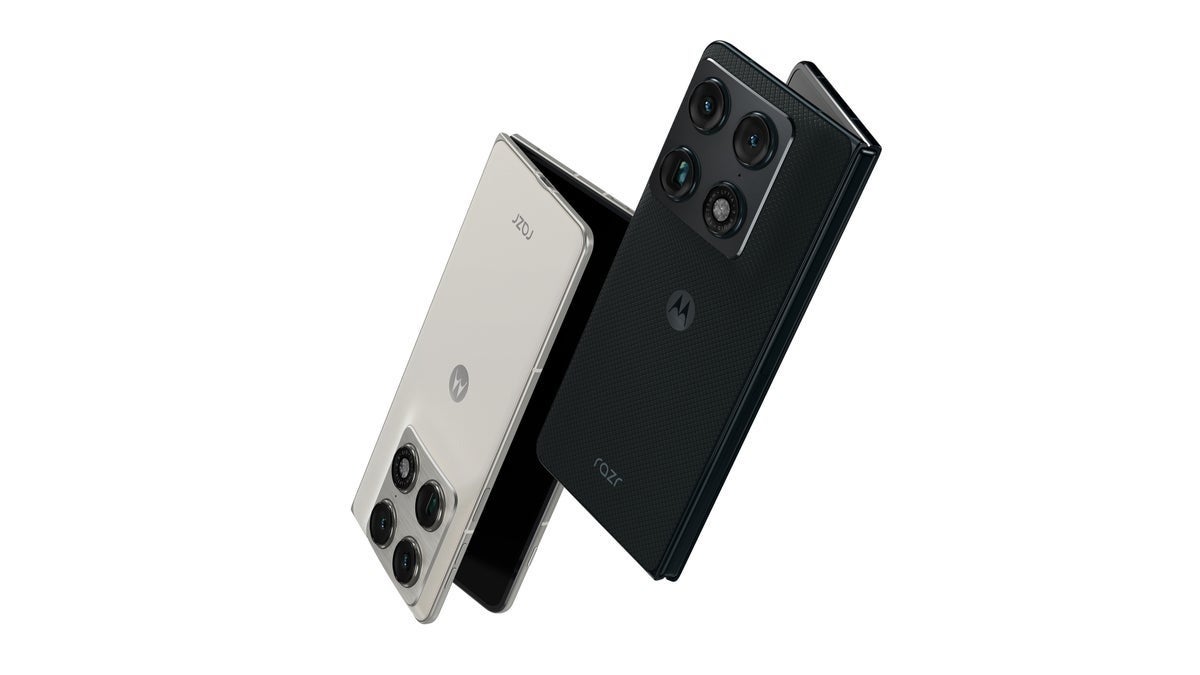
Image credit — Evan Blass
Officially, very little. Unofficially, enough to draw some early conclusions.
Motorola has confirmed that a book-style foldable is coming, but early 2026 appears to be more of a preview window than a full commercial launch. The device is expected to be teased during the Lenovo Tech World this month, with a wider release expected later this year. That already places it on a potentially awkward collision course with Samsung’s mid-year foldable cycle, which is in July.
Recommended For You
We still don’t have any leaked information about the Razr Fold’s specs or even its design, but Motorola’s marketing hints at premium displays, AI integration, and a strong camera system.
As for the price, based on Motorola’s tendency to make its devices more affordable, we can expect something closer to the Pixel 10 Pro Fold’s $1800 than the Galaxy Z Fold 7’s $2000 starting price.
The notion I’m getting from Motorola’s teasers, however, is that it is going the safe route. The Razr Fold probably won’t introduce any major breakthroughs that will redefine the form factor, but it will be a solid all-rounder that covers the basics, priced aggressively to undercut the competition.
It also seems to me that Motorola is deliberately launching after larger foldables have matured and before Apple arrives on the scene.
The competition in 2026
The Razr Fold (or whatever it ends up being called) will have a tough road ahead of it.
Samsung’s Galaxy Z Fold has reached a state of near perfection with the Z Fold 7—it solved long-standing complaints about thickness, weight, and usability. The upcoming Galaxy Z Fold 8 is expected to reduce the size even further while also adding in a larger battery, improved cameras, and an even less visible crease. Samsung owns the premium foldable segment, especially in the US.
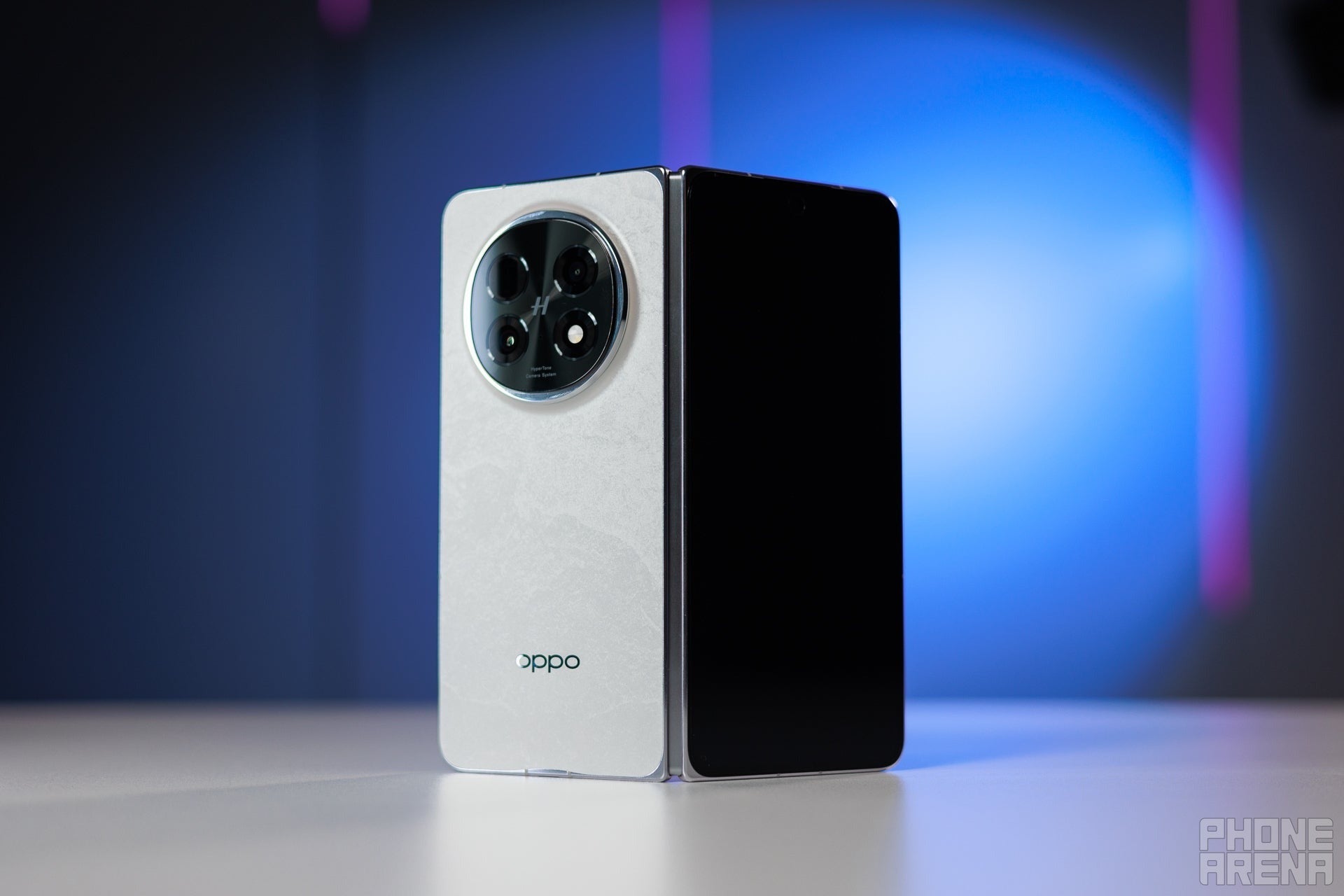
Image credit — PhoneArena
Oppo’s Find N series, on the other hand, is constantly pushing the physical limits of foldables. They are extremely thin, have class-leading battery capacity, near-invisible creases, and uncompromising flagship hardware. But the Find N series is not officially sold in the U.S. and Europe, so it is not a direct competitor to Motorola.
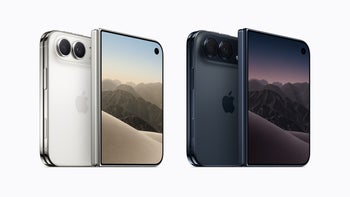
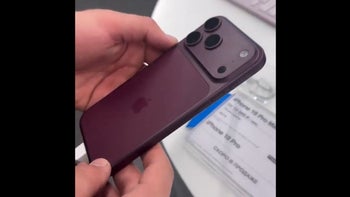
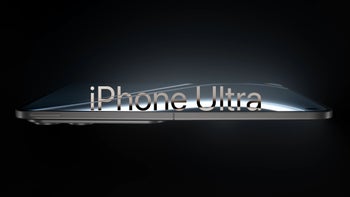
Then we have Apple’s foldable iPhone, which is rumored to arrive in late 2026. Based on the rumors so far, Apple will also avoid taking any major risks, meaning the first foldable iPhone won’t bring anything groundbreaking to the table. That said, iPhones live in their special consumer bubble, so Apple’s model won’t be a direct competitor to Motorola’s Razr Fold, much like the Oppo Find N.
Who Motorola is targeting with its first large foldable phone
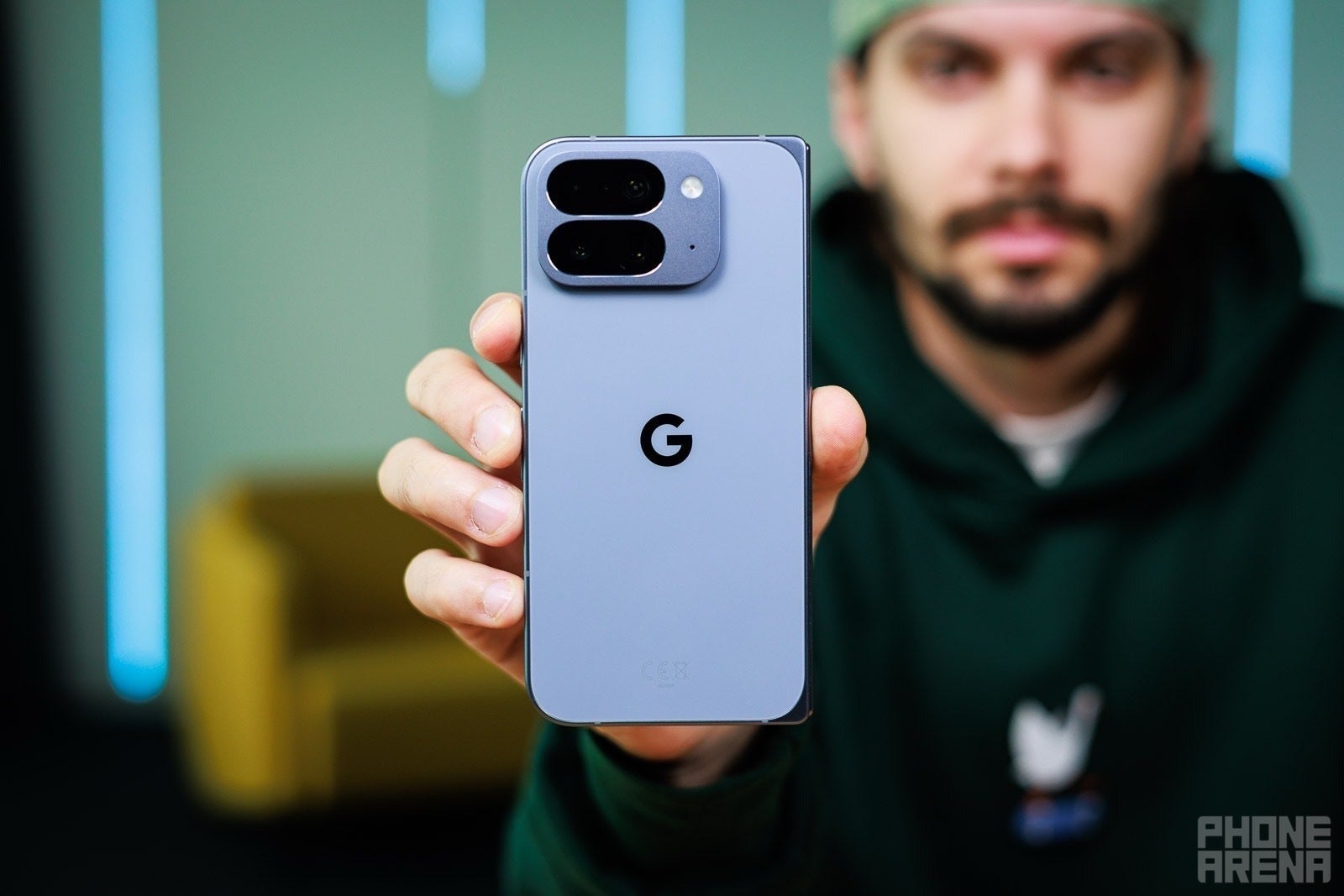
Image credit — PhoneArena
Motorola is most likely not ready to compete with the likes of Samsung and Oppo, and it probably can’t “steal” users from Apple either. The good news is that it doesn’t need to.
Instead, the most logical competitive target for the Razr Fold is Google.
Google has taken a different approach to foldables, prioritizing software features, AI integration, and usability over cutting-edge hardware and design. The Pixel 10 Pro Fold, in particular, has some pretty blatant compromises: it’s thick, heavy, and its performance is underwhelming, especially compared to Samsung and Oppo. Even with new improvements like an IP68 certification for dust and water resistance or the Qi2 magnetic charging, Google’s Pixel Fold is still lacking popularity, which leaves a convenient opening in the market for Motorola to come in and fill.
Motorola does not need to beat the Galaxy Z Fold 8 or Oppo Find N6. It needs to offer a more refined, better-balanced alternative to Google’s foldables.
Where the Razr Fold could realistically shine
Motorola’s success with the Razr series from these last few years gives us strong clues where it could stand out.
The Razr Ultra proved that Motorola understands how to design foldables that feel premium. The company has also shown a willingness to undercut competitors on price while still delivering an S-tier user experience.
So, if I take the Razrs we’ve seen so far as an example, these are the strengths I think we will see from the Razr Fold.
Design and ergonomics are likely to be a strong suit. Motorola has consistently prioritized comfort, materials, and visual identity in its recent devices, something that Google still struggles with in the foldable space despite its success on this front with non-foldable Pixels.
Pricing could be another major differentiating factor. While Samsung and Apple seem locked into the $2,000 tier, Motorola has room to position the Razr Fold slightly below that psychological barrier, making it more accessible without the need to cut major corners and market it as a budget option.
Finally, Motorola’s AI software ambitions appear more restrained than Google’s. That may actually work in its favor. A cleaner interface with fewer experimental AI features could appeal to users who want to avoid phones that focus on this new trend, like Pixels do.
The risks Motorola cannot ignore
A first-generation book-style foldable always carries risk, especially in a segment where expectations are now extremely high. Battery life, durability, and long-term software support will all be under intense scrutiny.
Motorola’s update policy, while improving, is still not as long as Samsung’s and Google’s, and that matters more at this price level. Camera performance is also a major weak point with Motorola phones, including the Razr Ultra. These are the things that will likely be an issue with the Razr Fold too.
It is also important for Motorola to get the timing right—more than ever before. If the Razr Fold launches too close to the Galaxy Z Fold 8, it risks being overshadowed. Launching before Apple’s foldable iPhone would help, as all the hype and attention will be completely focused on Apple’s first foldable once it comes out.
So, does the Razr Fold have a chance?
Yes, but only if everything goes according to plan.
The Razr Fold has to cover all the basics of what a large foldable phone should be in 2026 and cover them well. It needs to offer a reliable, well-priced, well-designed alternative for buyers who want a book-style foldable but are unconvinced by Google’s execution and unwilling to pay Samsung’s or Apple’s asking prices.
If Motorola positions the Razr Fold as the sensible, no-BS premium foldable rather than the most extreme or cutting-edge one, it could carve out its own cozy space in the market and grow from there in the future.
That may not sound glamorous, but in the foldable phone scene of 2026, a more realistic goal would be to enter the market successfully and secure a position instead of trying to dominate it immediately with a flashy entrance.
Six-month unlimited plan is now 57% off
$90
$210
$120 off (57%)
Mint Mobile is now allowing you to get whichever plan you like for either three, six, or 12 months for just $15/mo. If you go for the six-month unlimited service, for instance, you'll now have to pay just $90 upfront instead of $210.
Aleksandar is a tech enthusiast with a broad range of interests, from smartphones to space exploration. His curiosity extends to hands-on DIY experiments with his gadgets, and he enjoys switching between different brands to experience the latest innovations. Prior to joining PhoneArena, Aleksandar worked on the Google Art Project, digitizing valuable artworks and gaining diverse perspectives on technology. When he's not immersed in tech, Aleksandar is an outdoorsman who enjoys mountain hikes, wildlife photography, and nature conservation. His interests also extend to martial arts, running, and snowboarding, reflecting his dynamic approach to life and technology.
COMMENTS (1)
COMMENTS (1)
All comments need to comply with our
Community Guidelines
PhoneArena Community Rules
A discussion is a place, where people can voice their opinion, no matter if it
is positive, neutral or negative. However, when posting, one must stay true to the topic, and not just share some
random thoughts, which are not directly related to the matter.
Things that are NOT allowed:
Off-topic talk - you must stick to the subject of discussion
Offensive, hate speech - if you want to say something, say it politely
Spam/Advertisements - these posts are deleted
Multiple accounts - one person can have only one account
Impersonations and offensive nicknames - these accounts get banned
To help keep our community safe and free from spam, we apply temporary limits to newly created accounts:
New accounts created within the last 24 hours may experience restrictions on how frequently they can
post or comment.
These limits are in place as a precaution and will automatically lift.
Moderation is done by humans. We try to be as objective as possible and moderate with zero bias. If you think a
post should be moderated - please, report it.
Have a question about the rules or why you have been moderated/limited/banned? Please,
contact us.











Things that are NOT allowed:
To help keep our community safe and free from spam, we apply temporary limits to newly created accounts: