AI has been everywhere over the past few years. The word itself has become so common in tech that it now pops up in almost every new announcement – whether it’s a smartphone, tablet, laptop… or, especially, software.
And with the next iOS 27, Apple could be using it again, of course masked behind Apple Intelligence – which, yes, is still AI. Reports suggest Siri will finally become a chatbot with this update. Honestly, that’s not too surprising, but it still makes me ask: do we really need another chatbot, even if it’s Apple’s?
The Siri makeover
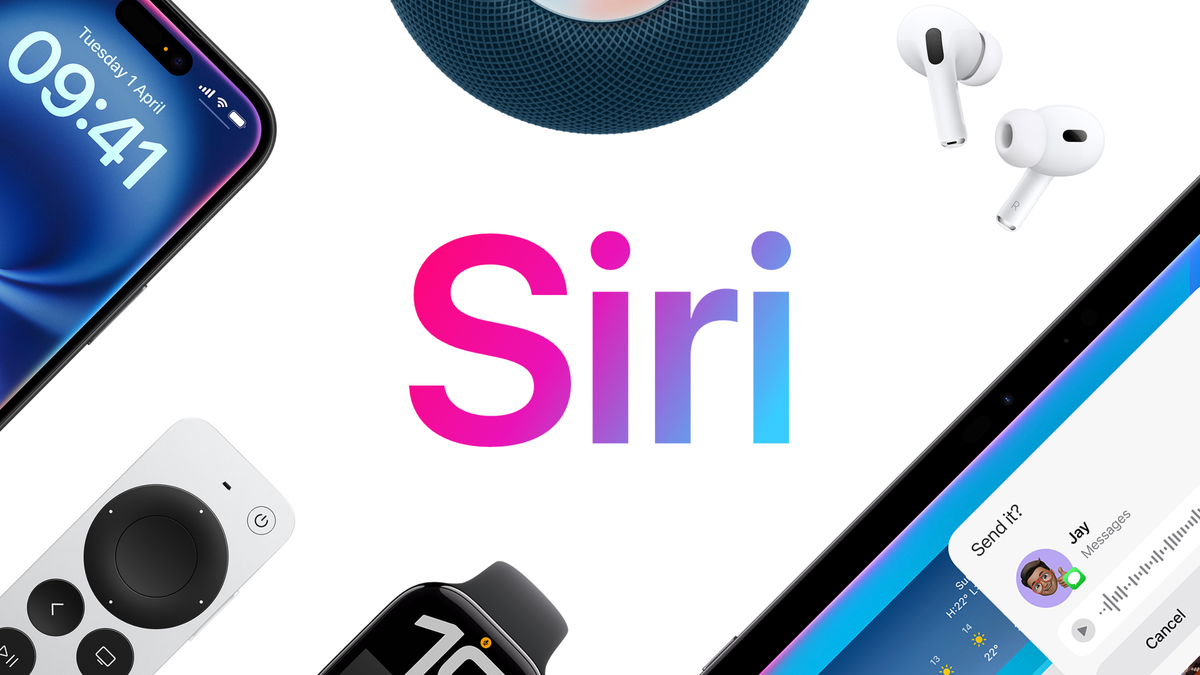
We are still waiting for the upgraded Siri to reach our iPhones. | Image by Apple
Apple wants to revamp Siri and turn it into a full-fledged AI chatbot to compete with ChatGPT, Gemini, and Claude. The project, codenamed Campos, could be deeply integrated into the next iOS 27, iPadOS 27, and macOS 27, potentially replacing the current voice assistant entirely.
And let’s be real – the Siri we have now isn’t exactly impressive (or even working), and in 2026, especially from one of the world’s biggest tech companies, that is embarrassing.
In practice, it should cover all the basics of modern chatbots: web searches, summarizing information, generating content, helping with coding, and analyzing uploaded files. But Apple’s version will add something its competitors don’t: access to personal device data. Siri will be able to see what’s on your screen, adjust device settings, and integrate seamlessly with apps like Mail, Photos, Messages, Music, and TV.
Recommended For You
To give some perspective, Gemini can already connect to Gmail, Google Drive, Docs, and more, letting you do things like “Summarize that email from my boss” or “Find the PDF about my flight.” Siri will do the same, but natively across Apple apps, something no other app has access to right now. You could, for example, ask it to draft an email based on a calendar event – all hands-free.
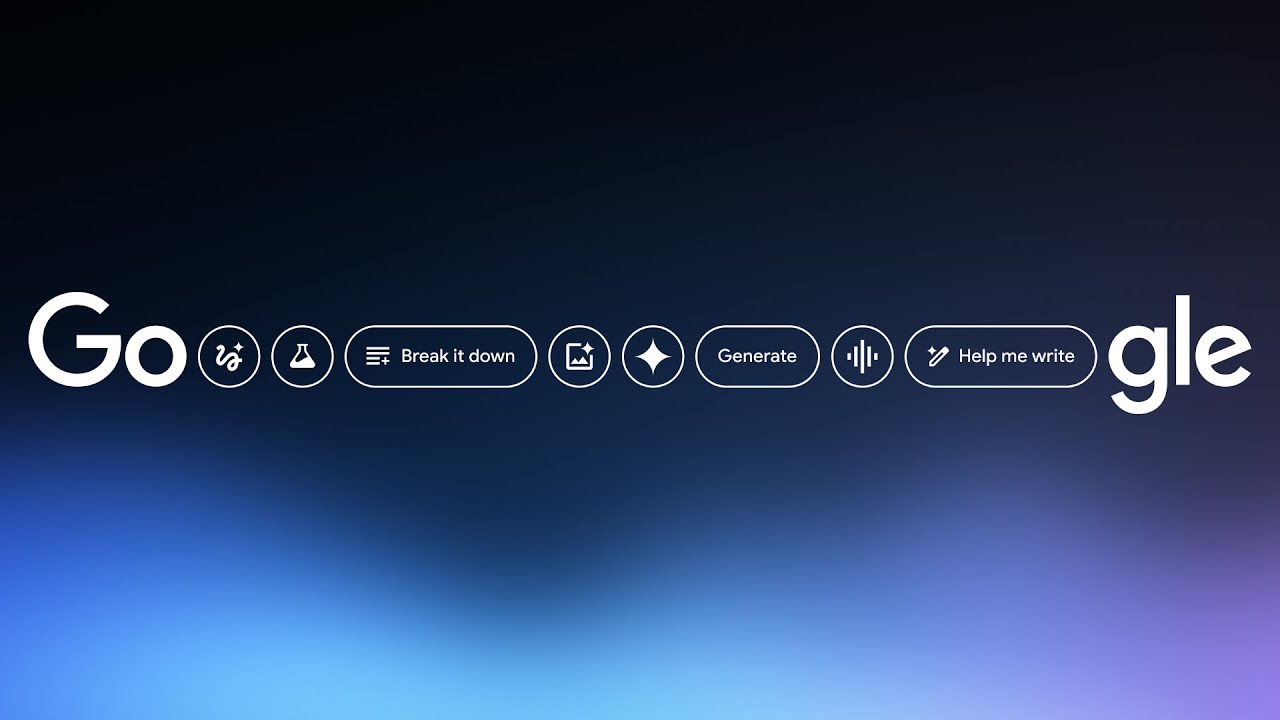
Gemini on iOS comes with a few limitations compared to Gemini on Pixel phones, but it’s still a very capable assistant. | Video credit – Google
But do we actually need it?
Here’s the thing: even with Apple’s spin, I can’t help but wonder why we need another chatbot. There are already plenty, and Siri will likely feel similar to what’s already out there.
Many iPhone users have already chosen a chatbot they like. Over time, these AI assistants learn your style, habits, and interests, essentially becoming personal helpers. Switching to Siri would mean starting from scratch, which can be annoying.
I mean, the timing here is tricky. Apple missed the initial AI boom, and most users who wanted a smart assistant on their phone have already picked one – often ChatGPT or Gemini. Now, Apple is entering the scene after habits have formed. Privacy may be slightly better with Siri, but beyond that, it might not offer enough to make users switch.
Why Siri might still succeed
Still, Apple has advantages that could make Siri a hit. First, it’s Apple. The company knows how to create hype, polish software, and make even small improvements feel significant. Even if the AI engine is Google’s Gemini, Apple’s tweaks and ecosystem integration could make the experience feel fresh.
And integration is a major factor. Siri could work seamlessly across Apple apps, handling tasks like drafting emails, summarizing photos, or managing calendar events. For iPhone users who live entirely in the Apple ecosystem, that kind of smooth, connected experience could be compelling.
And I’m pretty sure that even though Apple Intelligence supports the iPhone 15 Pro and newer models, the upgraded Siri could still end up exclusive to even newer iPhones. That alone would be enough to push upgrades, just like what happened with the iPhone 16 series, where Apple Intelligence was heavily promoted, only for many features to arrive late or not at all. Which could be a bummer for many, but a win for Apple.
So, what does all this mean? On one hand, Siri might not offer anything revolutionary. Users already relying on ChatGPT, Gemini, or Claude may not feel the need to switch, especially if they’ve invested time training their AI. Starting over with a new assistant is inconvenient, and privacy alone might not be enough of a reason.
On the other hand, Apple’s polish, ecosystem integration, and brand appeal could make Siri a success. Even arriving late, Apple knows how to make products feel essential and desirable.
For me personally, the question isn’t whether Siri will succeed – it probably will – but whether we really needed it in the first place. The AI assistant market is crowded, and users have already chosen tools that work for them. Siri’s arrival might be more about refining the experience for Apple users than revolutionizing AI.
Still, it’s hard not to be curious. Can Apple take Gemini, wrap it in its ecosystem, and make Siri feel like the assistant we didn’t know we needed? Or will it mostly be a polished version of what’s already out there?
What do you think? Do we need Siri now that ChatGPT, Gemini, and Claude are so far ahead? And can Apple deliver an experience compelling enough to make us switch?
MacBook Pro (M1 series) flash sale! Limited time offer!
Save $40 on MacBook Pro (M1 series) from Back Market. Discount automatically applied at checkout. Offer ends 25 October 2026 at 23:59.
Tsveta, a passionate technology enthusiast and accomplished playwright, combines her love for mobile technologies and writing to explore and reveal the transformative power of tech. From being an early follower of PhoneArena to relying exclusively on her smartphone for photography, she embraces the immense capabilities of compact devices in our daily lives. With a Journalism degree and an explorative spirit, Tsveta not only provides expert insights into the world of gadgets and smartphones but also shares a unique perspective shaped by her diverse interests in travel, culture, and visual storytelling.
A discussion is a place, where people can voice their opinion, no matter if it
is positive, neutral or negative. However, when posting, one must stay true to the topic, and not just share some
random thoughts, which are not directly related to the matter.
Things that are NOT allowed:
Off-topic talk - you must stick to the subject of discussion
Offensive, hate speech - if you want to say something, say it politely
Spam/Advertisements - these posts are deleted
Multiple accounts - one person can have only one account
Impersonations and offensive nicknames - these accounts get banned
To help keep our community safe and free from spam, we apply temporary limits to newly created accounts:
New accounts created within the last 24 hours may experience restrictions on how frequently they can
post or comment.
These limits are in place as a precaution and will automatically lift.
Moderation is done by humans. We try to be as objective as possible and moderate with zero bias. If you think a
post should be moderated - please, report it.
Have a question about the rules or why you have been moderated/limited/banned? Please,
contact us.











Things that are NOT allowed:
To help keep our community safe and free from spam, we apply temporary limits to newly created accounts: