The 'Mechanical Eye': Why the iPhone 18 Pro will ruin older smartphone cameras for you
Everybody loves bokeh. That gentle blur on the beautiful portrait you snapped is making the object pop up even more. Could the iPhone 18 Pro get the best optical bokeh ever?
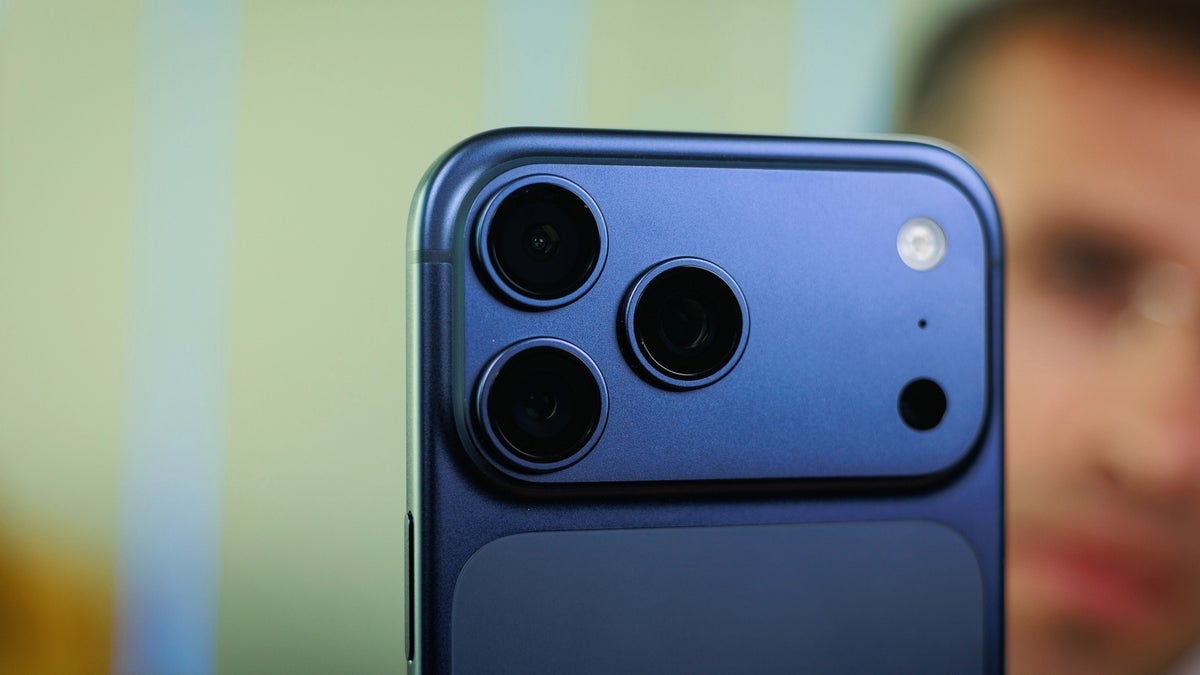
Everybody loves bokeh. That gentle blur on the beautiful portrait you snapped is making the object pop up even more. For more than a decade, smartphone cameras have been quietly cheating, trying to emulate this effect with software algorithms and processing power. But that's about to change. Enter the iPhone 18 Pro and its mechanical eye camera.
Apple's next flagship has the potential to revolutionize smartphone photography, but before we dive deep into the details of the system, let's explain what "bokeh" means and why it is so pleasing.
What is "bokeh?"
Creamy bokeh on a point-and-shoot camera | Image by Photography Lite
"Bokeh" is a term in photography taken from Japanese, and it literally means "blur" or "haze." You're probably familiar with the effect, many photographers use it on a daily basis to emphasize their shots and for other artistic purposes.
It's the blur that occurs behind an object when you snap it with a certain aperture lens at a certain speed. It's an artifact of the lens, to be precise. When an object is "in focus," the light rays from a single point on that object converge perfectly into a single point on the sensor.
For objects further away (or closer) than that focal point, those rays haven't converged yet, hitting the sensor as a blurred disc instead of a point.
Recommended For You
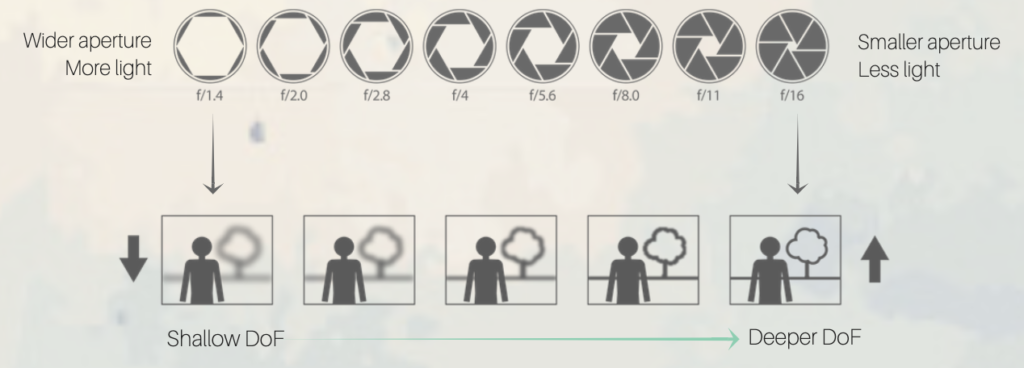
The aperture and depth of field are connected | Image by Light Stalking
In order to get this effect naturally and without software algorithms, you need a wide-aperture lens. Aperture is the opening within a camera lens that controls the amount of light reaching the sensor.
The wider the aperture (smaller f-numbers), the shallower the depth of field gets, and the more pronounced the "bokeh" effect is produced. At f/1.2-1.4 you get a bigger "bokeh" effect than at f/1.8 or f/2.0.
The software bokeh
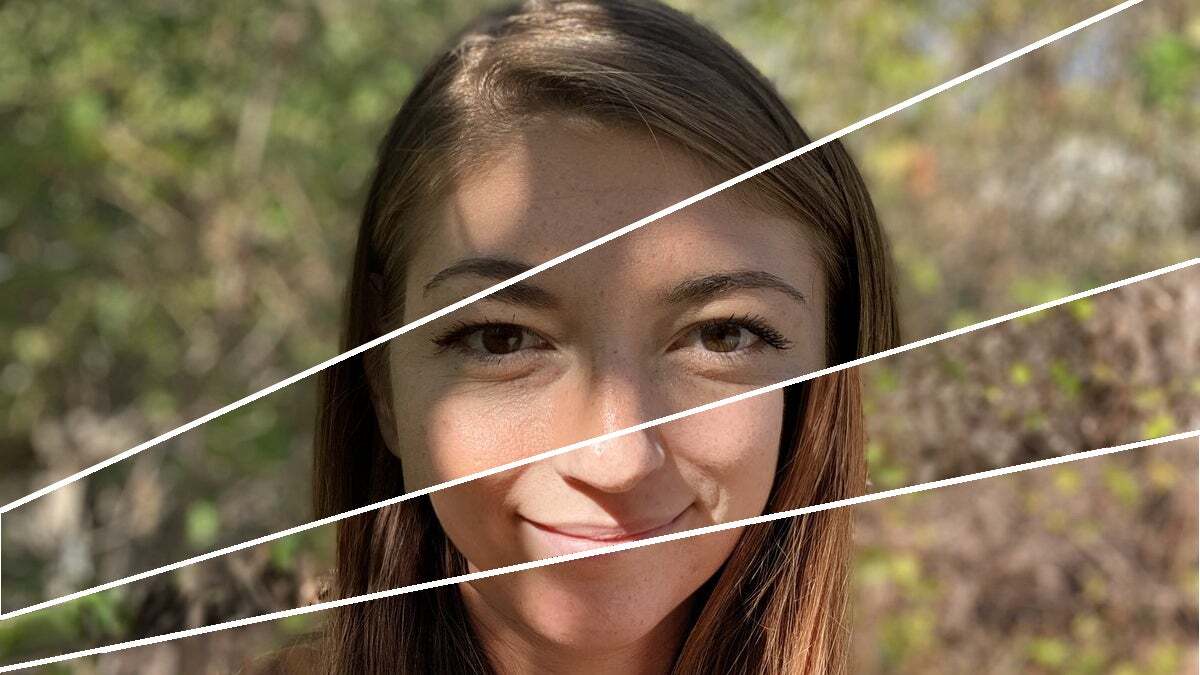
Different phones handle software bokeh differently | Image by PhoneArena
Smartphone cameras need to be universal, and if you slap a wide aperture lens on a smartphone, it will produce blurry photos with unrecognizable backgrounds. And while it's good for portraits and certain scenarios, this approach will render the camera useless in most every other scenario.
To get around this problem, smartphone brands create software "bokeh" by adding a depth sensor to the camera system and telling the software to blur the objects that are far away from the focal point.
This works to some extent, and modern "bokeh" algorithms have evolved quite a bit, producing great images. But still, not only are there artifacts (blurred zones that should be in focus), but many people subjectively and subconsciously like natural optical "bokeh" better than its software counterpart.
Could the iPhone 18 be the game-changer in smartphone photography?
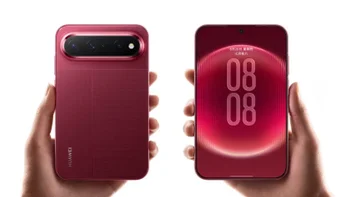
The iPhone 18 could get DSLR-like variable aperture camera | Image by Envo
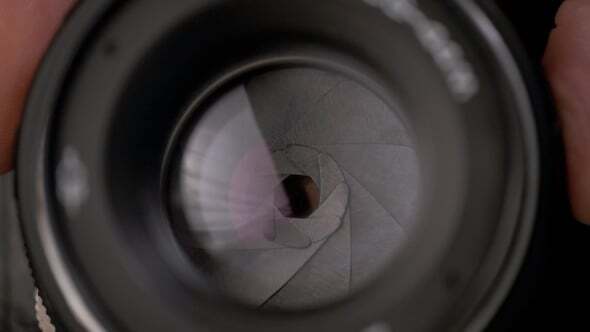
What Apple is believed to have done with the iPhone 18 is equip it with a variable aperture system on its main camera. This is a physical diaphragm that controls the light passing through the lens, effectively changing the aperture of the camera. The system has been used in DSLR and other cameras for decades.
How would this work? Currently, all newer iPhone Pro models feature a fixed aperture of ƒ/1.78. This number corresponds to a lens open at maximum. Putting a diaphragm in front would only further limit the light and increase the aperture number.
In order for this system to be flexible, Apple has to change the lens on the main camera of the iPhone 18 Pro to something with an aperture of f/1.4.
That way you would have your "bokeh" shots at a maximally open diaphragm, and when you need depth of field and focus, you just close the diaphragm and get to that "normal" f/1.78 aperture on the iPhone 18 main camera. If need arises, the system can close the "eye" of the iPhone 18 Pro to f/4.0 or more for even sharper photos.
If done right, this could make smartphone photography, and portraits in particular, simply amazing. But there's a caveat.
Do you think the iPhone 18 Pro needs a variable aperture camera?
105 Votes
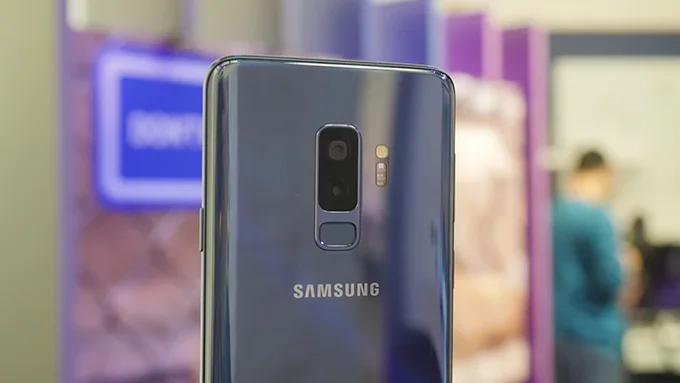
Surprise! Variable aperture on а smartphone has been done before
The Galaxy S9+ and its variable aperture main camera | Image by PhoneArena
The system didn't work very well, and the resulting shots suffered from different artifacts and defects. At the time, camera features such as Night Mode, HDR stacking, and AI sharpening were much more important and marketable and also cheaper, as they required just software and no moving parts. So, Samsung abandoned the variable aperture idea.
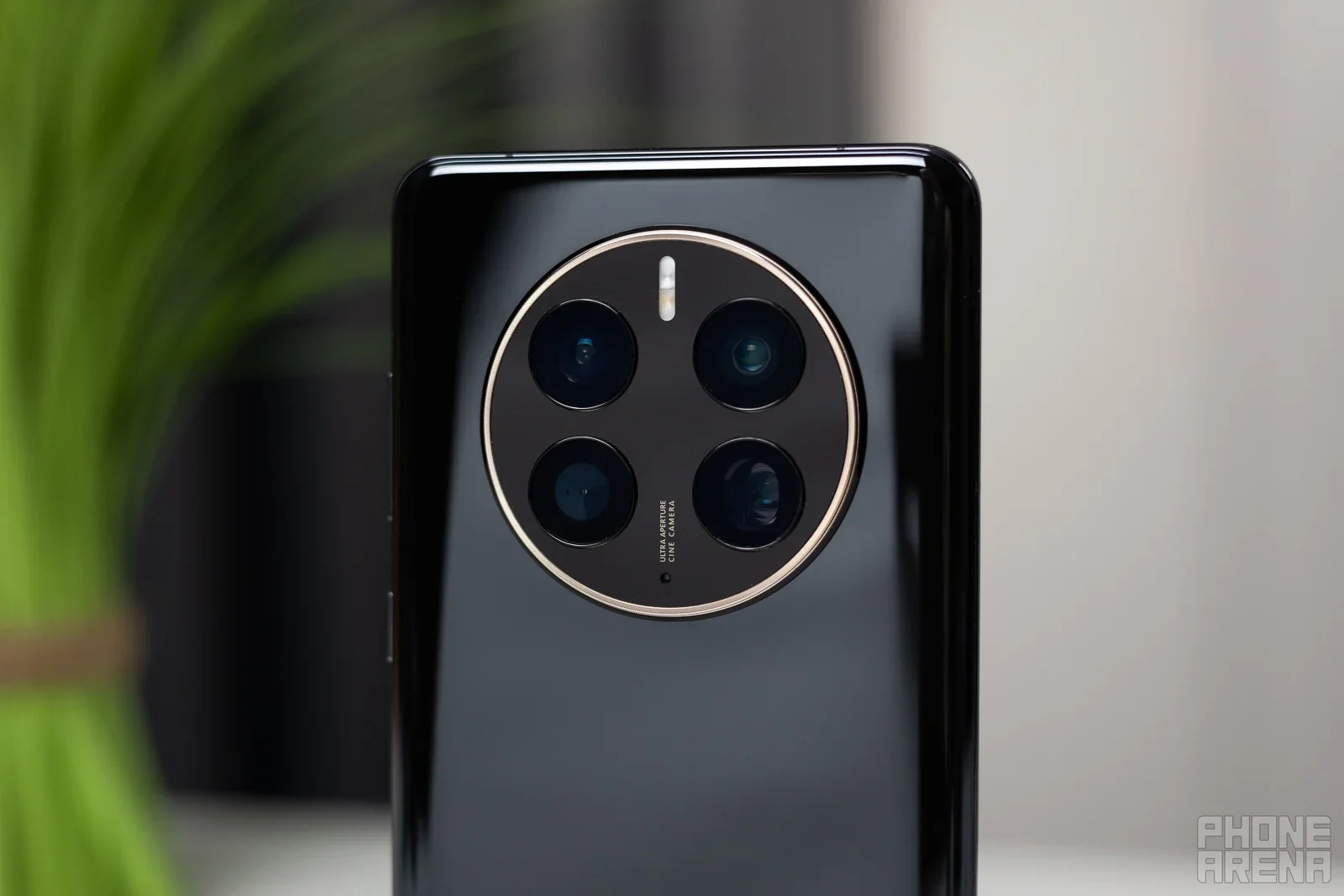
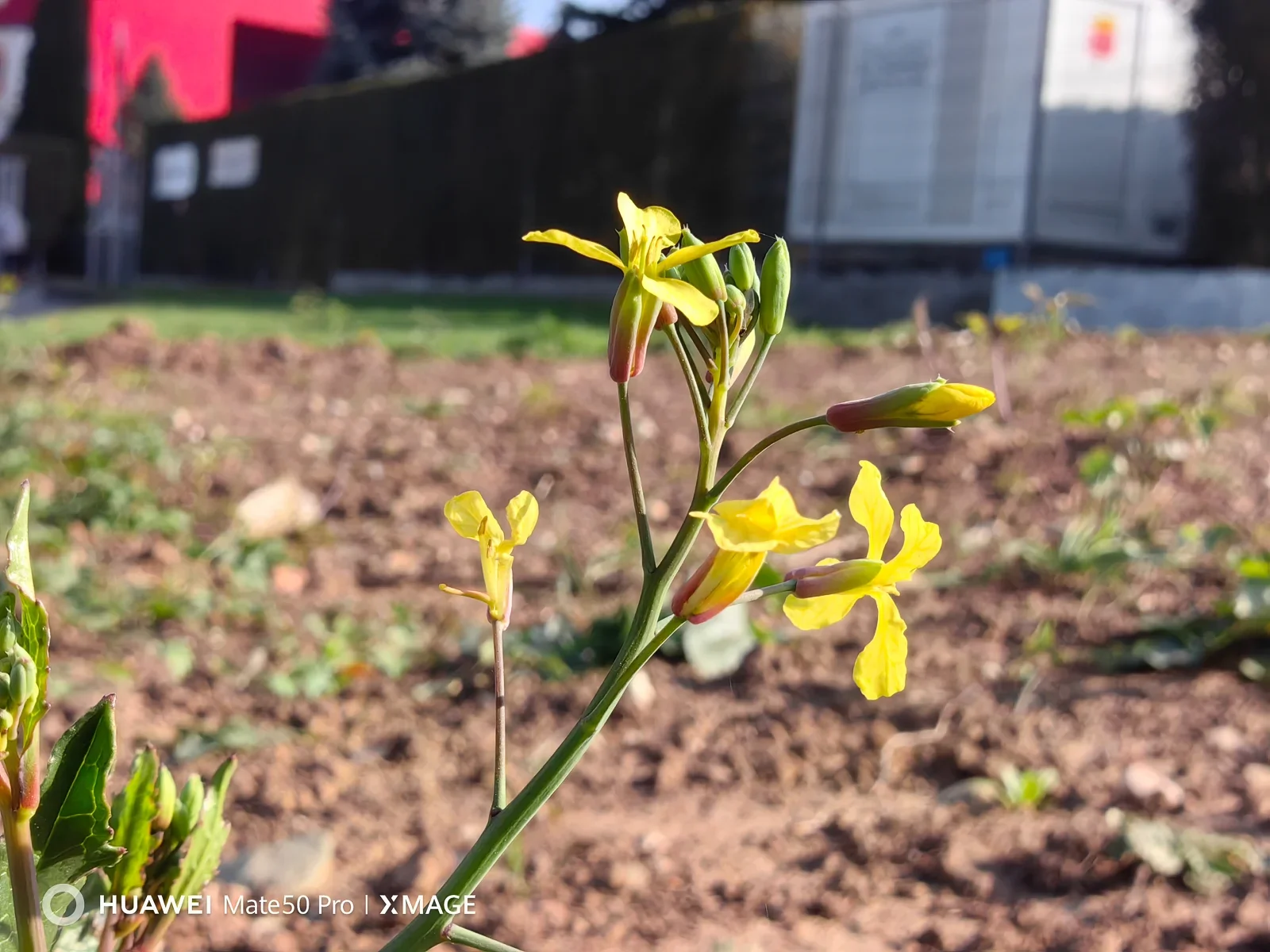
The Huawei Mate 50 Pro took the system to another level | Image by PhoneArena
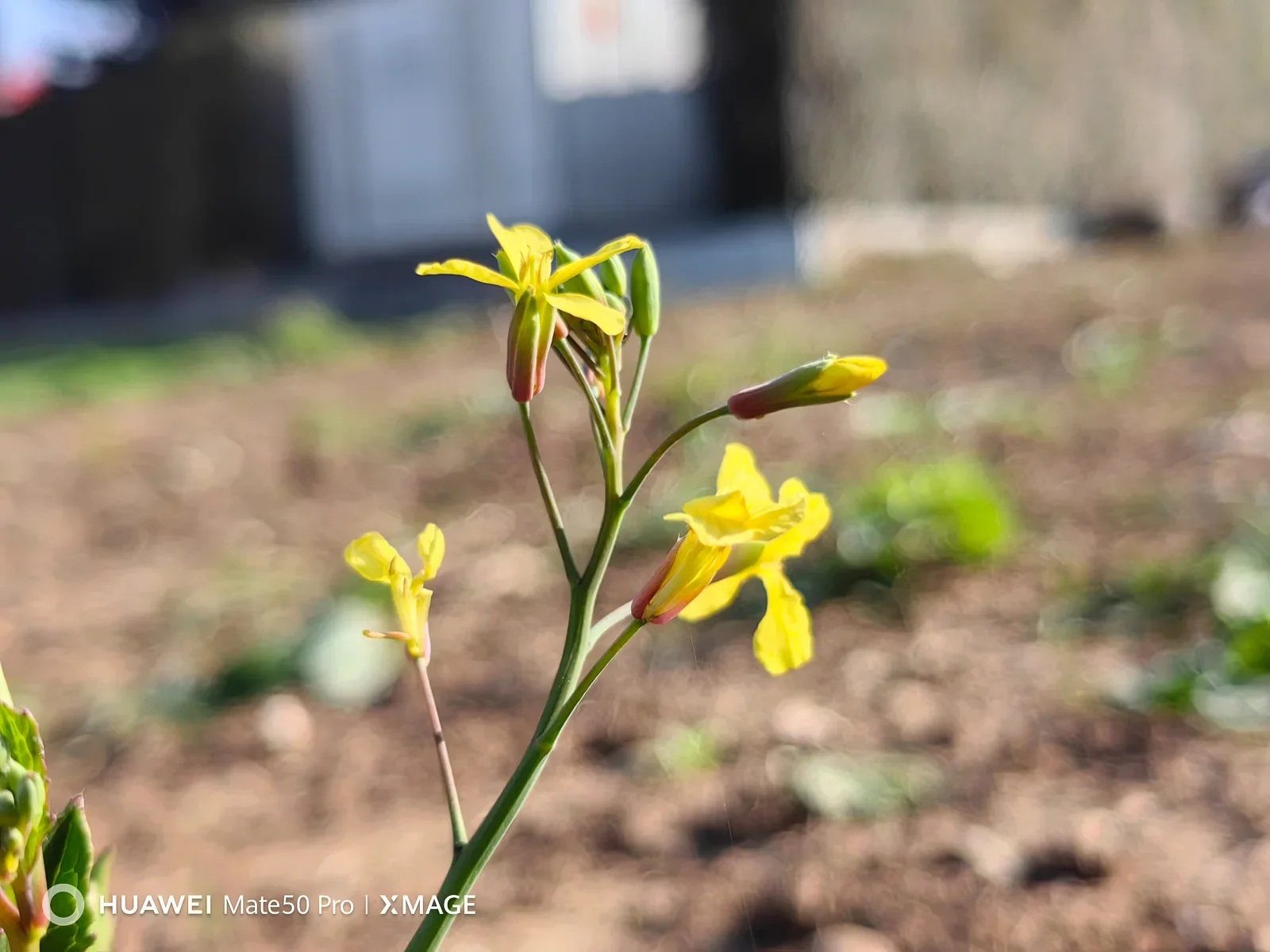
Fast forward to 2022, when Huawei launched its Mate 50 Pro model, featuring a first-of-its-kind variable aperture system. It was able to change the aperture in eight steps from f/1.4 to f/4.0 and produced some interesting photos.
I had the chance to review and test this phone extensively, and my opinion to this day is that the system had a lot of potential but was inconsistent with the results. Sometimes I would get a great "bokeh" at f/1.4, but most of the time there were a lot of strange artifacts and defects.
< f/1.4f/4.0 >
The feature was also buried in the menus and the phone still used software algorithms for auto shots and even portrait mode. So, Huawei abandoned the system after testing it for a couple of generations in the Pura lineup.
How would the iPhone 18 Pro be different? Why do I think Apple can succeed where others have failed?
Good timing and great sensors
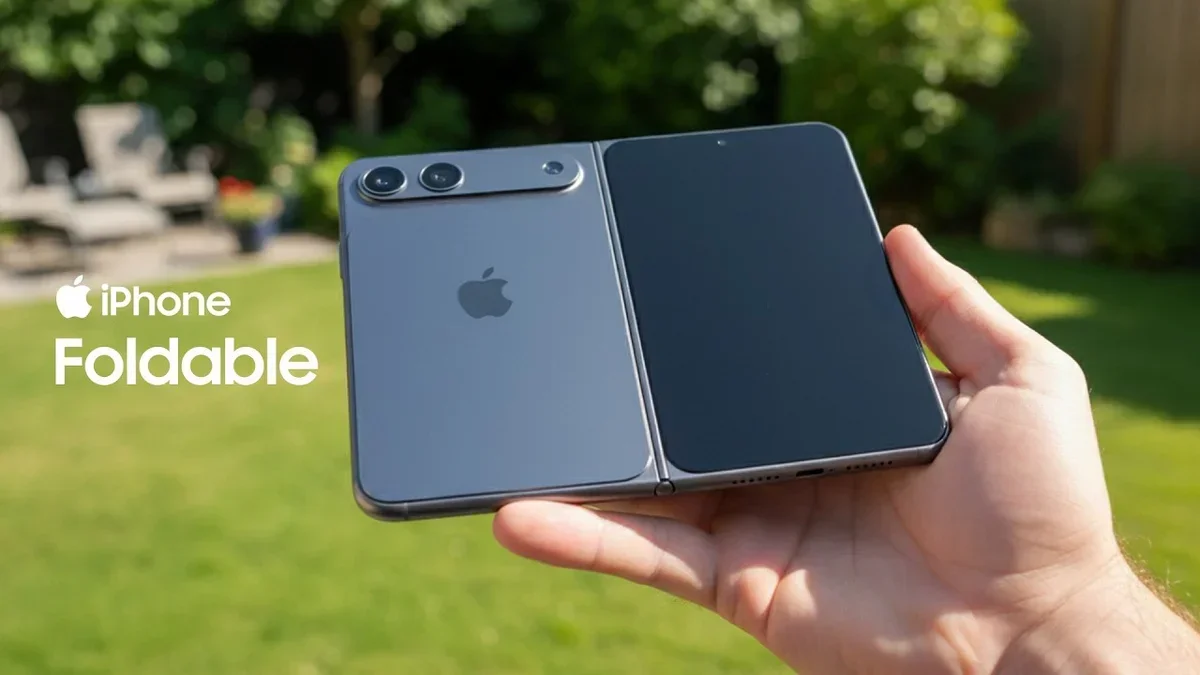
The iPhone Fold could help the variable aperture system in an unexpected way | Image by Jon Prosser
The iPhone 18 Pro will feature a large sensor and huge computational power under the hood. The advancements in technology tied with microactuators and moving parts in smartphones in general will help a lot too.
Apple is gearing up to release its first foldable — the iPhone Fold or the iPhone 18 Ultra. No matter how it ends up being called, designing the hinge for sure gave Apple expertise in small moving mechanisms.
I believe Apple can make a continuous variable aperture system that works reliably and flawlessly. Coupled with the big sensor under the lens, and the current focus on portrait photography and "bokeh," the iPhone 18 Pro could strike gold.
Smartphone companies seem to have fixed the night mode, sharpness problems, and other issues deemed "more important" than "bokeh" in the past, so the timing could be just right.
What do you think about it? Do you believe that Apple can crack the variable aperture with the iPhone 18 Pro, and is it that important in the first place?
iPhone 13 Pro flash sale! Limited time offer!
Save $30 on iPhone 13 Pro from Back Market. Discount automatically applied at checkout. Offer ends 20 September 2026 at 23:59.
Mariyan, a tech enthusiast with a background in Nuclear Physics and Journalism, brings a unique perspective to PhoneArena. His childhood curiosity for gadgets evolved into a professional passion for technology, leading him to the role of Editor-in-Chief at PCWorld Bulgaria before joining PhoneArena. Mariyan's interests range from mainstream Android and iPhone debates to fringe technologies like graphene batteries and nanotechnology. Off-duty, he enjoys playing his electric guitar, practicing Japanese, and revisiting his love for video games and Haruki Murakami's works.
A discussion is a place, where people can voice their opinion, no matter if it
is positive, neutral or negative. However, when posting, one must stay true to the topic, and not just share some
random thoughts, which are not directly related to the matter.
Things that are NOT allowed:
Off-topic talk - you must stick to the subject of discussion
Offensive, hate speech - if you want to say something, say it politely
Spam/Advertisements - these posts are deleted
Multiple accounts - one person can have only one account
Impersonations and offensive nicknames - these accounts get banned
To help keep our community safe and free from spam, we apply temporary limits to newly created accounts:
New accounts created within the last 24 hours may experience restrictions on how frequently they can
post or comment.
These limits are in place as a precaution and will automatically lift.
Moderation is done by humans. We try to be as objective as possible and moderate with zero bias. If you think a
post should be moderated - please, report it.
Have a question about the rules or why you have been moderated/limited/banned? Please,
contact us.









Things that are NOT allowed:
To help keep our community safe and free from spam, we apply temporary limits to newly created accounts: