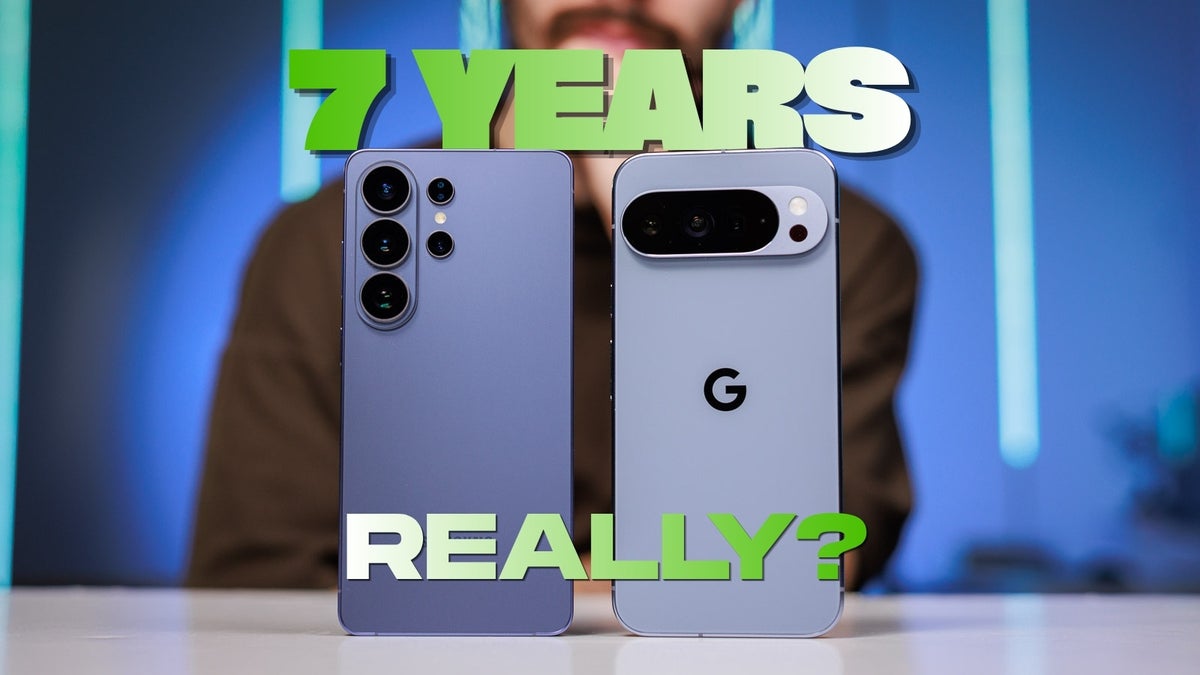
After years of Android phones being overshadowed and mocked by Apple’s typical 5-year device support, Google and Samsung (and many others) said “Enough is enough!” and any new Galaxy or Pixel comes out with a staggering promise of seven years of full updates.
Meaning, if you buy a new model now, in 2026, it will supposedly receive new Android builds, features, and security patches all the way until 2033.
On paper, this is a massive win for the environment, our wallets, and digital security. But in practice, it has birthed a deep consumer dilemma known as The Long Support Paradox.
The friction, on the surface, comes from battery health concerns. While the software can be refreshed for nearly a decade, the physical cell in your phone will be prone to wear-and-tear. So, let's start with that:
First concern: Lithium-Ion vs. Father Time
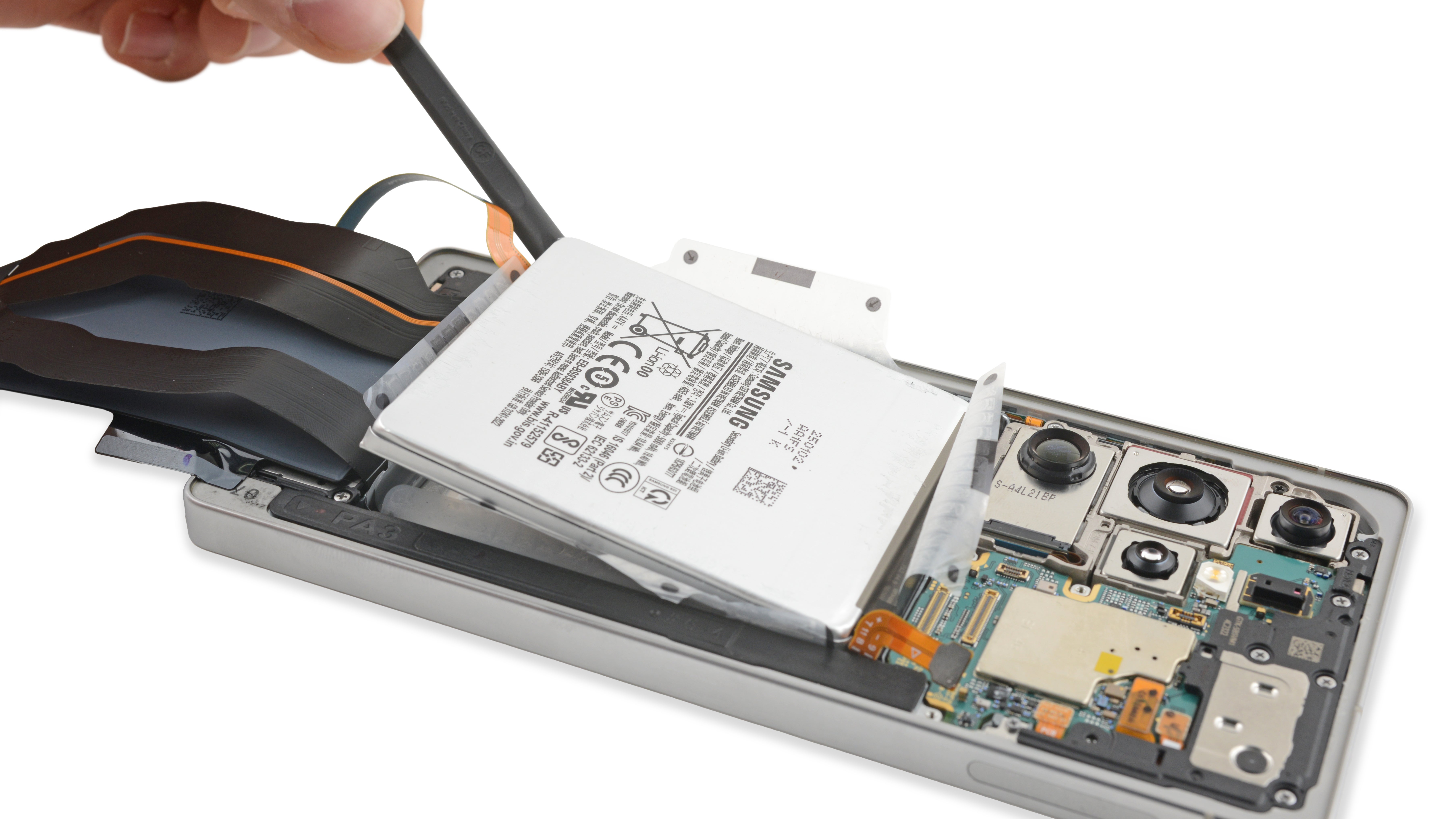
Credit to Samsung, its battery repairs have been made easier | Image by iFixIt
The most immediate bottleneck to keeping a Google Pixel or a Samsung Galaxy phone for seven years is the battery.
While operating systems receive clean, digital updates, the lithium-ion batteries powering them physically degrade with every single charge cycle. A full cycle counts when you recharge your phone from 0% to 100% once.
However, it’s a cumulative ordeal — of course you are not hitting 0% every single day. But every time you plug in to top up, the battery’s cells are getting a jolt of energy and going their aging process one little bit at a time.
Recommended For You
Most modern smartphone batteries are rated to retain about 80% of their original capacity after roughly 1,000 full charge cycles. There’s a slight deviation between brands, but 1,000 is the golden middle, sometimes it’s 800, sometimes it’s 1,200.
An average user will typically use about 60%-70% of their battery per day before plugging back in. That’s roughly 220-255 cycles per year.
So, with that clean math, your phone should be good up to year 4. At this point, you should start noticing battery life being shorter and phone performance dropping, as the processor can no longer pull the same high power from the battery for sustained periods of time.
You can still reach the 7-year finish line
Ultimately though, you should be fine with a simple battery replacement down the line. It’ll run you around $100, and that’s still infinitely better than spending another $1,000+ for a brand-new phone.
We don't call a car's 100,000-mile warranty an "illusion" just because you have to change the tires and the oil along the way.
But that gets me thinking…
Second concern: What will the software look like 7 years from now?
Alright, so manufacturers are promising a staggering 7 years of support. That’s pretty generous, but we still haven’t had one of these newer devices reach their 7th year. So, we can only expect what history has taught us so far.
Operating systems do not stay the same size. Every year, Android and iOS get heavier, packing in more background processes, more complex security encryption, and increasingly demanding AI models.
To top it off, manufacturers often find a reason for “that particular” new feature to only be available on the newest flagships. Often, the argument is that the older device hardware just “can’t handle” these fantastical new features.
And also often, that turns out to be a lie. Either a savvy jailbreaker will find a way to make it run on a 2-year-old phone, or there may be no excuse at all.
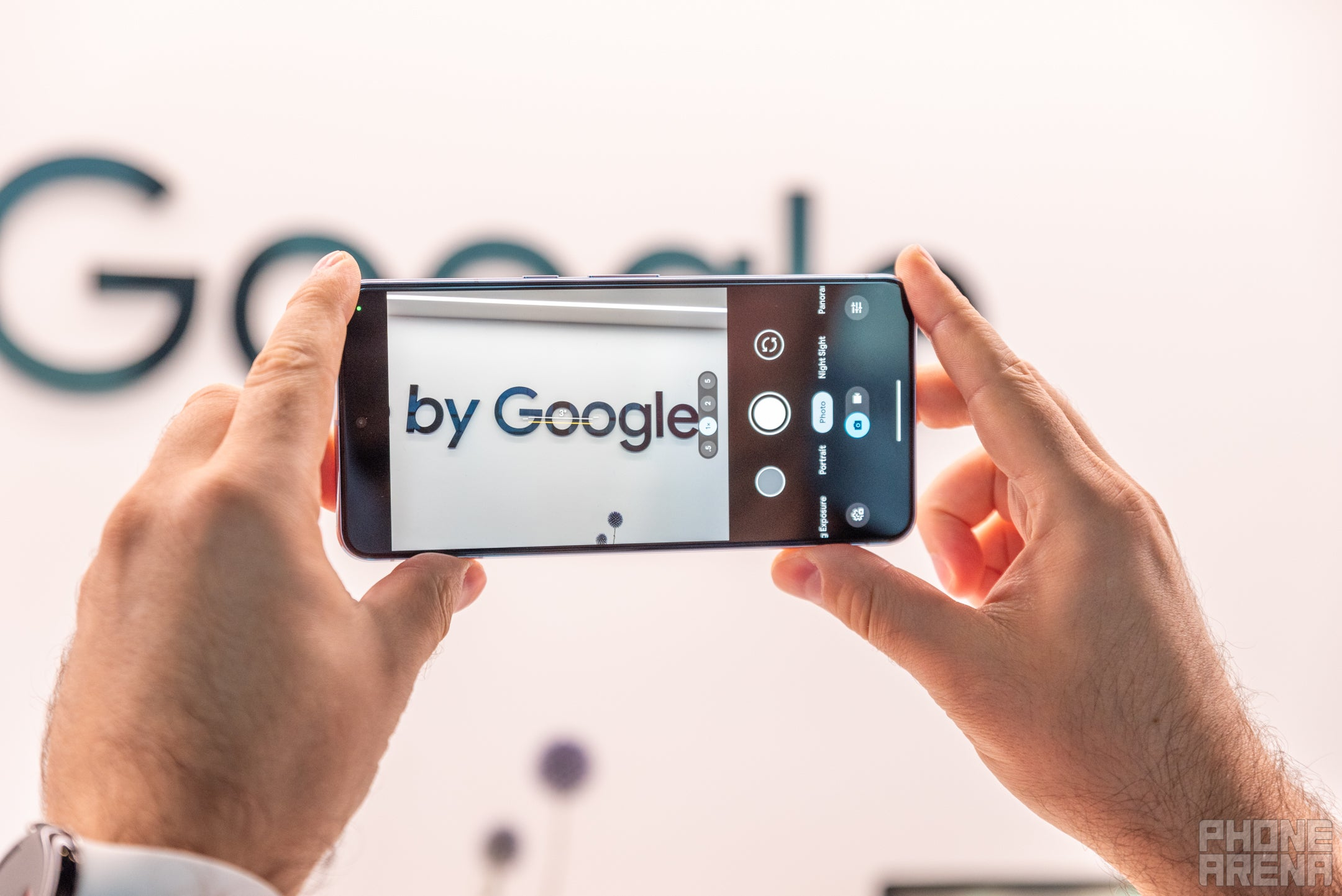
Google's Video Boost feature exclusive to Pro models | Image by PhoneArena
Take Google’s Video Boost feature for example. It launched exclusively on the Pixel 8 Pro. However, that’s absurd, because it’s all calculated in the cloud — Google says so itself. Your video gets uploaded and processed entirely off-device.
So, the Pixel 8 didn’t get it, and even worse — the Pixel 7 Pro, which was only 12 months old at the time, also didn’t.
Sure, you could make the argument that companies have the right to offer premium features to the customers that pay the premium Pro price. But did the users that spent the money on a Pixel 7 Pro just 12 months before the Pixel 8 series released not deserve a premium bone to be thrown their way?
Take it more like a 7-year facelift commitment
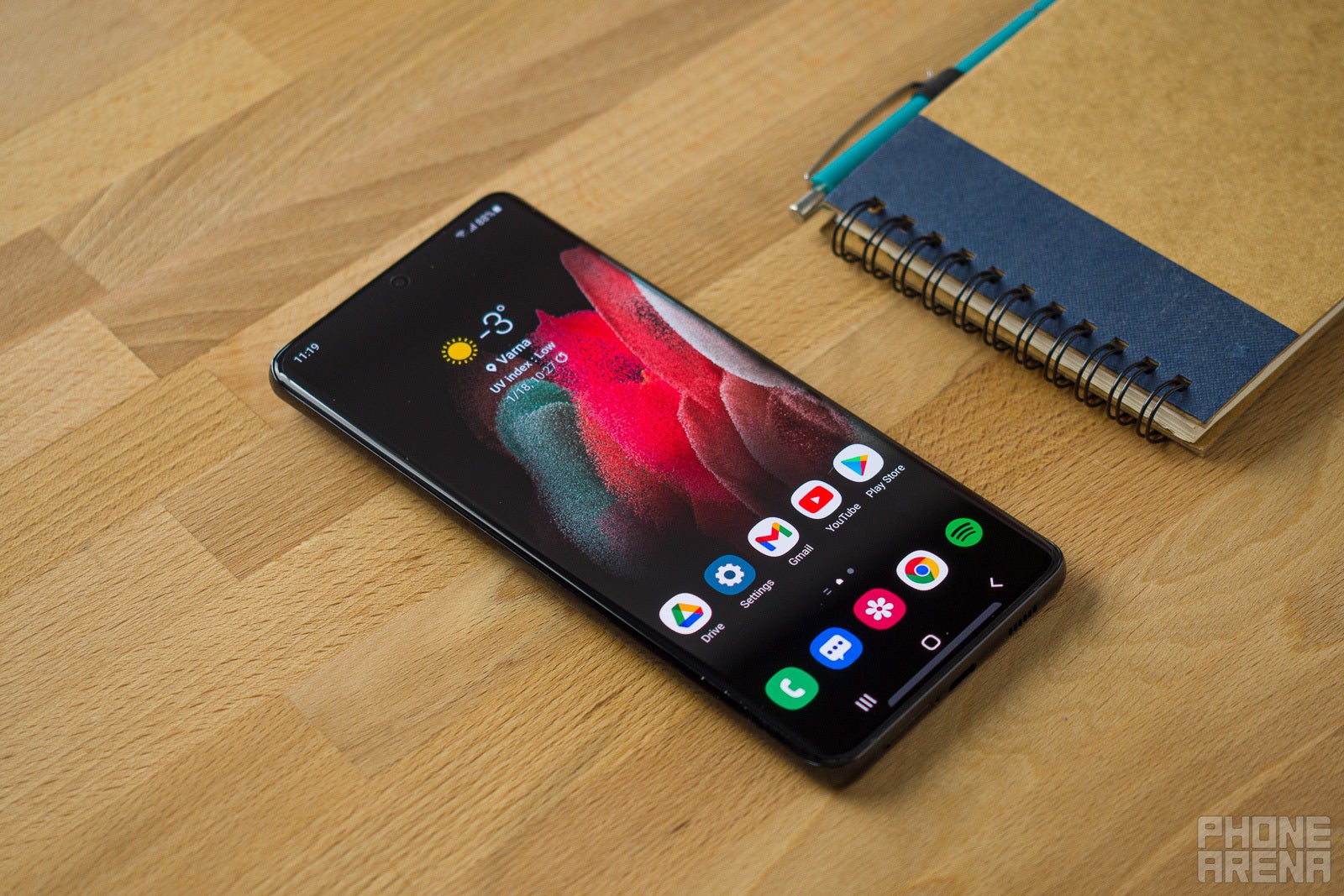
Galaxy S21 Ultra received One UI 7 in 2025, but it was stripped of any of its modern features | Image by PhoneArena
It’s not just Google — we’ve also seen Samsung and Apple give us “cut-down” versions of the new software for older phones. Sure, some minor new features may trickle downwards, but some are inexplicably locked to the newer devices. Like the Photographic Styles 2.0 on iPhones 16 and up.
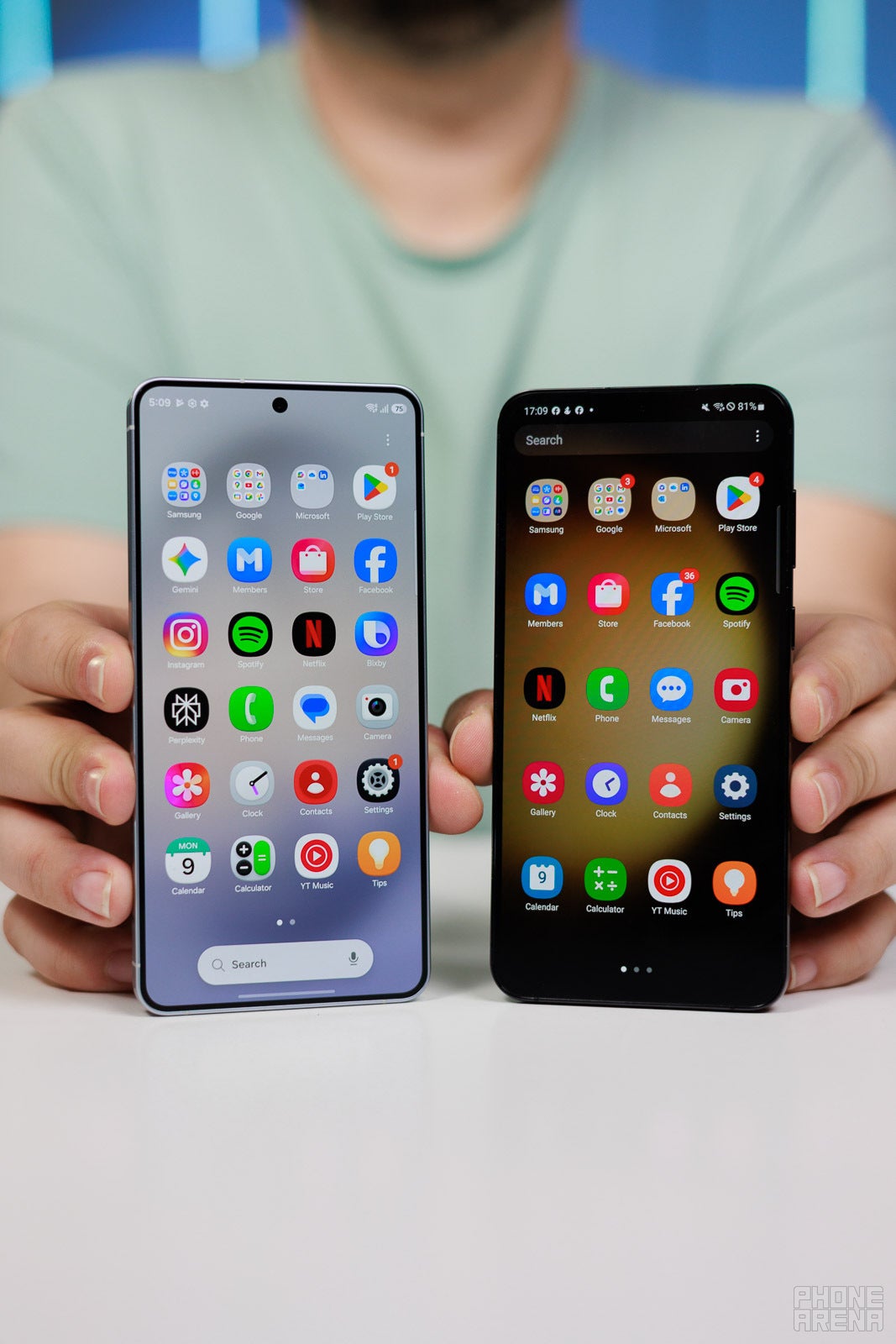
The Galaxy S21 Ultra had a long run — it got Android 15 in 2025, and actually received its last security patch early in 2026. But through all its updates, no Galaxy AI features made it down to the S21 Ultra. No instant-slow-mo, no generative image editing. Granted, it's very believable that this was a hardware limitation.
We get the new look and icons, if there are any. And yes, we get the latest security patches and certificates, which is very much appreciated.
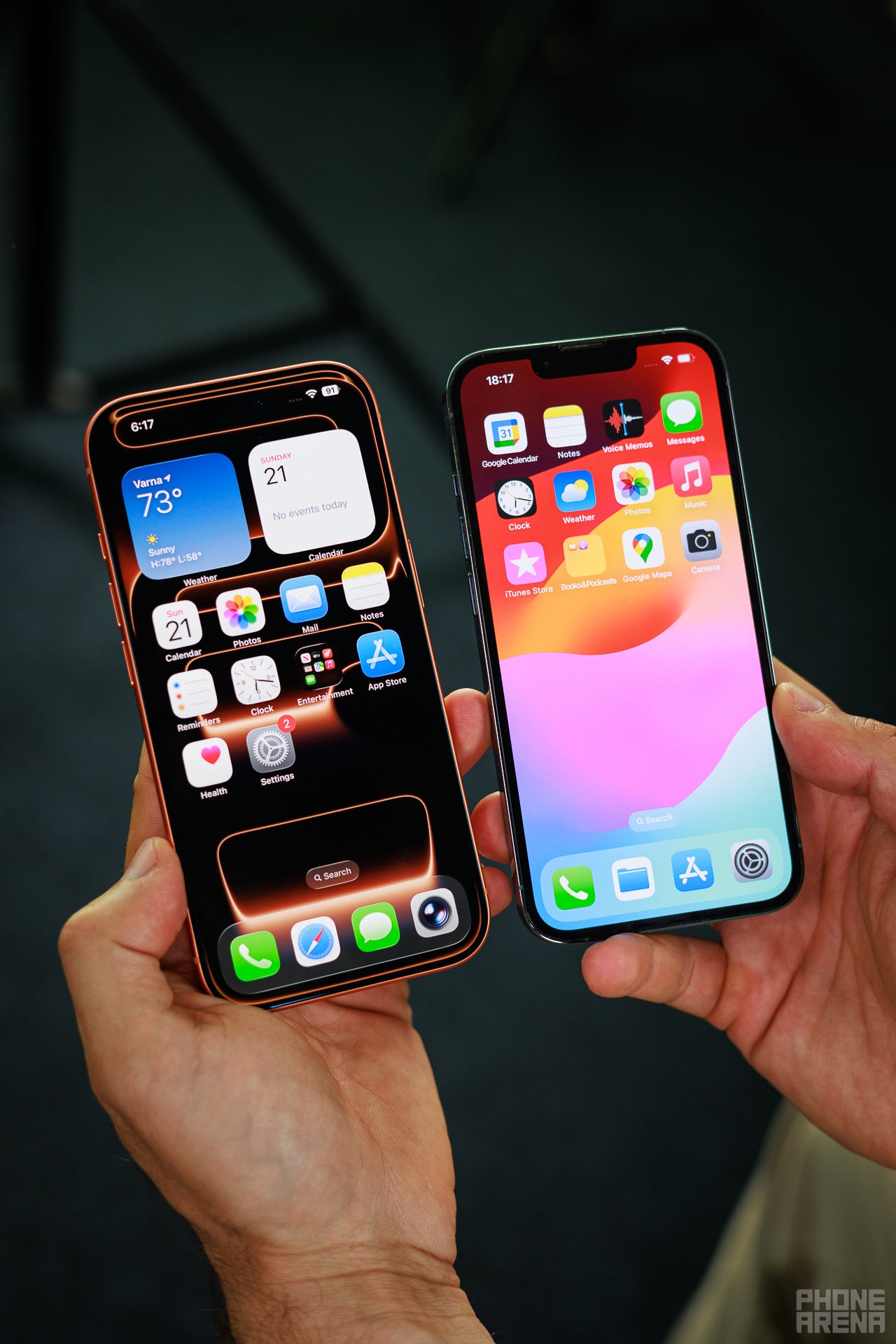
But any updates in looks can also be a double-edged sword. Like Liquid Glass on iOS 26, which very much slaughters the performance of older iPhones (that are still rated as supported and do get iOS 26 pushed to them).
And heavier software causes the processor to draw more power and generate more heat, and whoops, we are back to negatively affecting that battery health.
Manage your expectations
Look, this is not all doom and gloom. Buy that shiny new phone and run it until its screen coating wears off. But the reality check here is that you will only be getting the pristine new features for the next 2-3 years, if you are lucky. After that, you are at the mercy of the marketing department.
For many, that doesn’t matter. Fair enough, you will get the security patches and essential updates, that’s plenty enough to keep that car running until its wheels eventually fall off.
But the 3-year phone update cycle is still alive and well. It has just taken a new form — a bit more shadowy, a bit more subtle.
Free Galaxy A17 5G with Straight Talk
Get a free Galaxy A17 with Straight Talk. To claim this deal, you need to pair the phone with activation on a Silver Unlimited Plan or higher. This tier costs $45 per month. Offer valid through 01/10/27 while supplies last online.
Preslav, a member of the PhoneArena team since 2014, is a mobile technology enthusiast with a penchant for integrating tech into his hobbies and work. Whether it's writing articles on an iPad Pro, recording band rehearsals with multiple phones, or exploring the potential of mobile gaming through services like GeForce Now and Steam Link, Preslav's approach is hands-on and innovative. His balanced perspective allows him to appreciate both Android and iOS ecosystems, focusing on performance, camera quality, and user experience over brand loyalty.
A discussion is a place, where people can voice their opinion, no matter if it
is positive, neutral or negative. However, when posting, one must stay true to the topic, and not just share some
random thoughts, which are not directly related to the matter.
Things that are NOT allowed:
Off-topic talk - you must stick to the subject of discussion
Offensive, hate speech - if you want to say something, say it politely
Spam/Advertisements - these posts are deleted
Multiple accounts - one person can have only one account
Impersonations and offensive nicknames - these accounts get banned
To help keep our community safe and free from spam, we apply temporary limits to newly created accounts:
New accounts created within the last 24 hours may experience restrictions on how frequently they can
post or comment.
These limits are in place as a precaution and will automatically lift.
Moderation is done by humans. We try to be as objective as possible and moderate with zero bias. If you think a
post should be moderated - please, report it.
Have a question about the rules or why you have been moderated/limited/banned? Please,
contact us.








Things that are NOT allowed:
To help keep our community safe and free from spam, we apply temporary limits to newly created accounts: