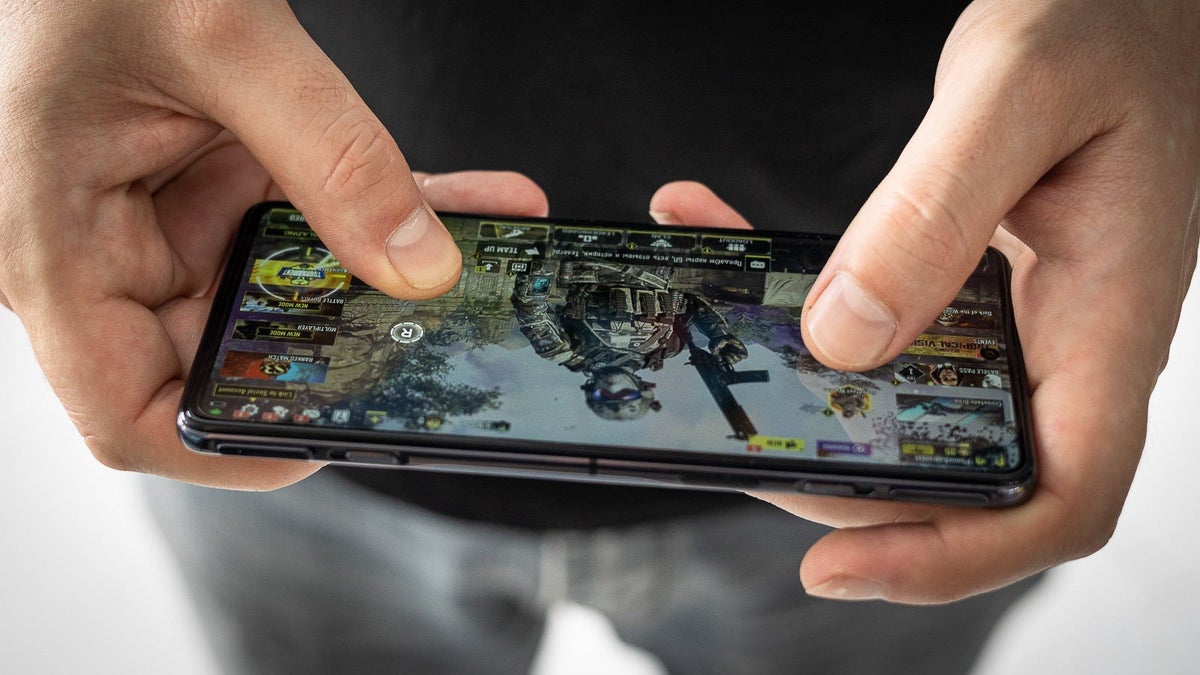
Since the day gaming phones entered the market, they’ve represented a loud, unapologetic counterculture to mainstream smartphones. A gaming phone typically had a larger battery, shoulder triggers for extra controls, dazzling RGB lights, active cooling to sustain long gaming sessions, and chipsets that were pushed harder than anything else on the market. They were niche products, but they wore that badge proudly.
Unfortunately, that niche has been losing popularity among buyers, and it seems the biggest manufacturer in the gaming phone industry has taken notice.
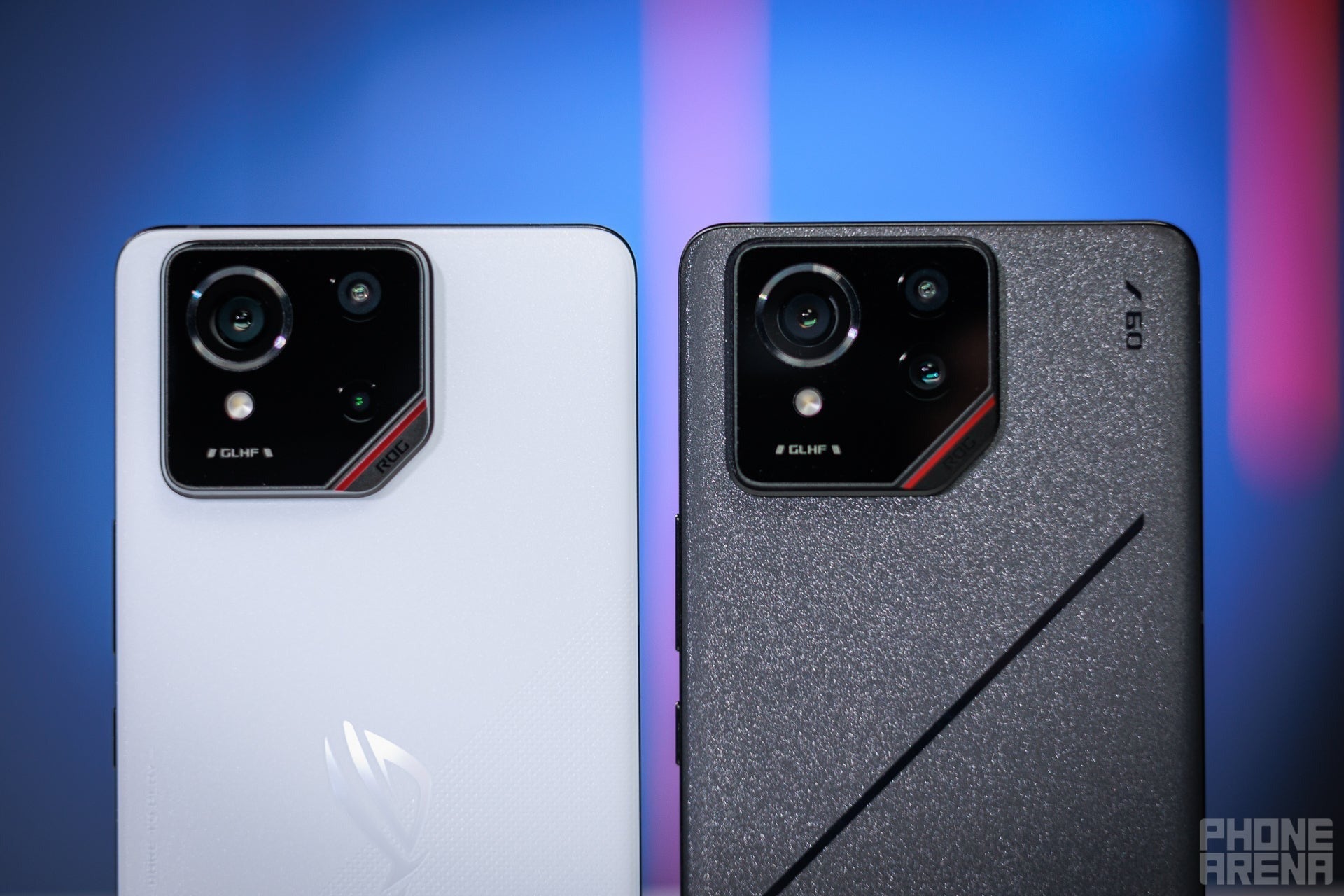
Asus is apparently pausing new Zenfone and ROG Phone launches for the year, and I’m afraid this is more than just a company-specific hiccup. To me, it feels more like a signal that the gaming phone category, at least as we know it, is struggling to justify its existence.
So what does the future hold for gaming phones?
Gaming phones won the wrong battle
If we take a brief look at recent gaming phones, it’s clear that they still excel at all aspects that made them appealing.
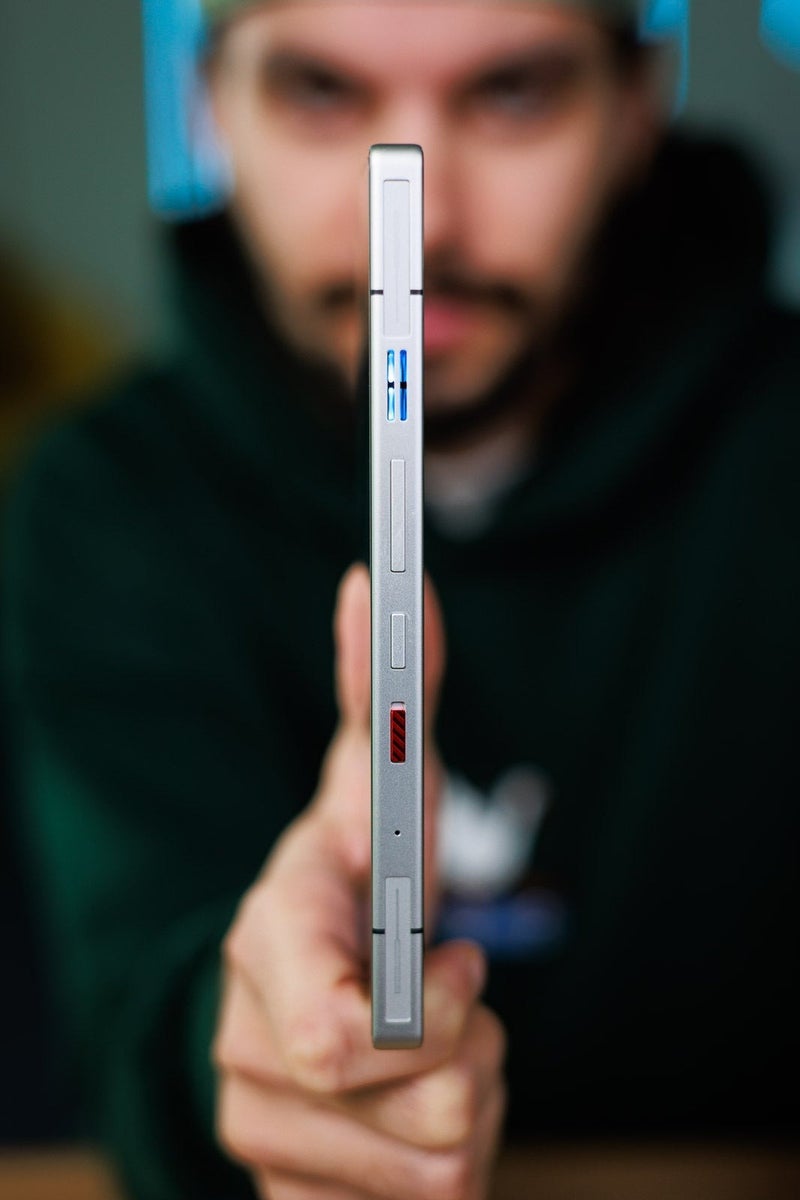
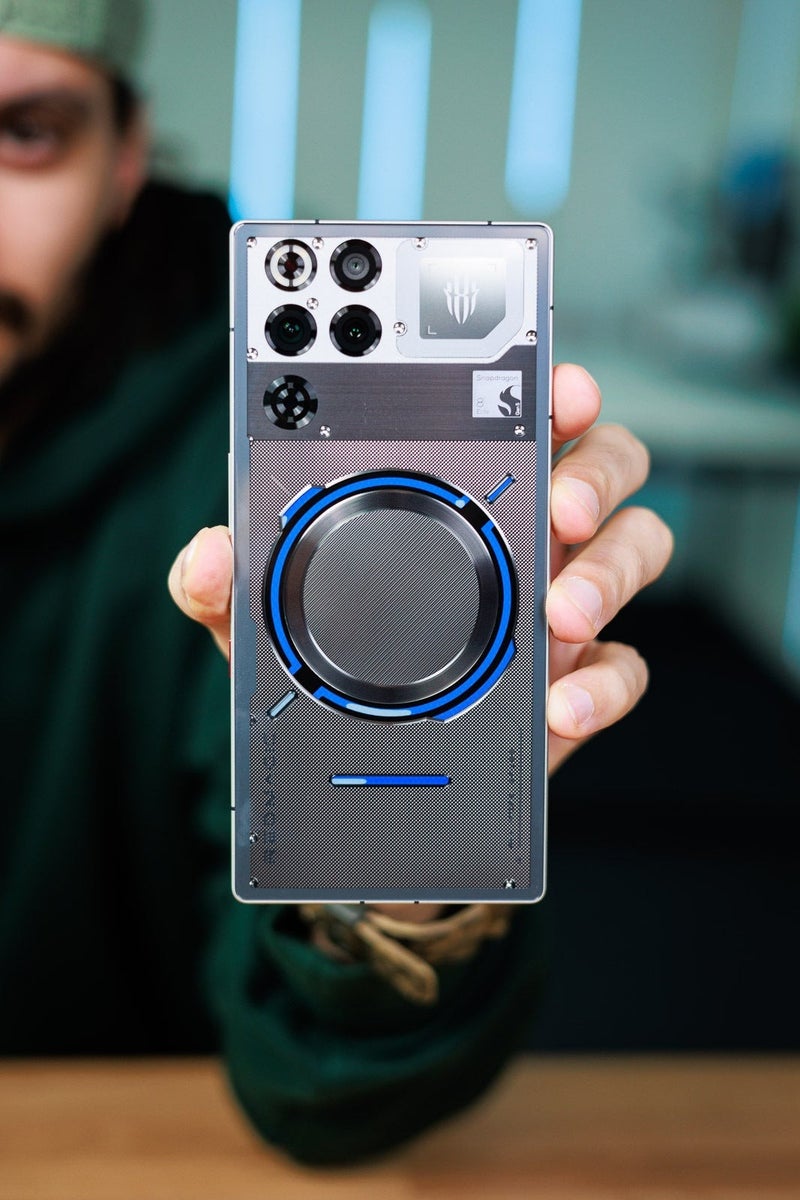
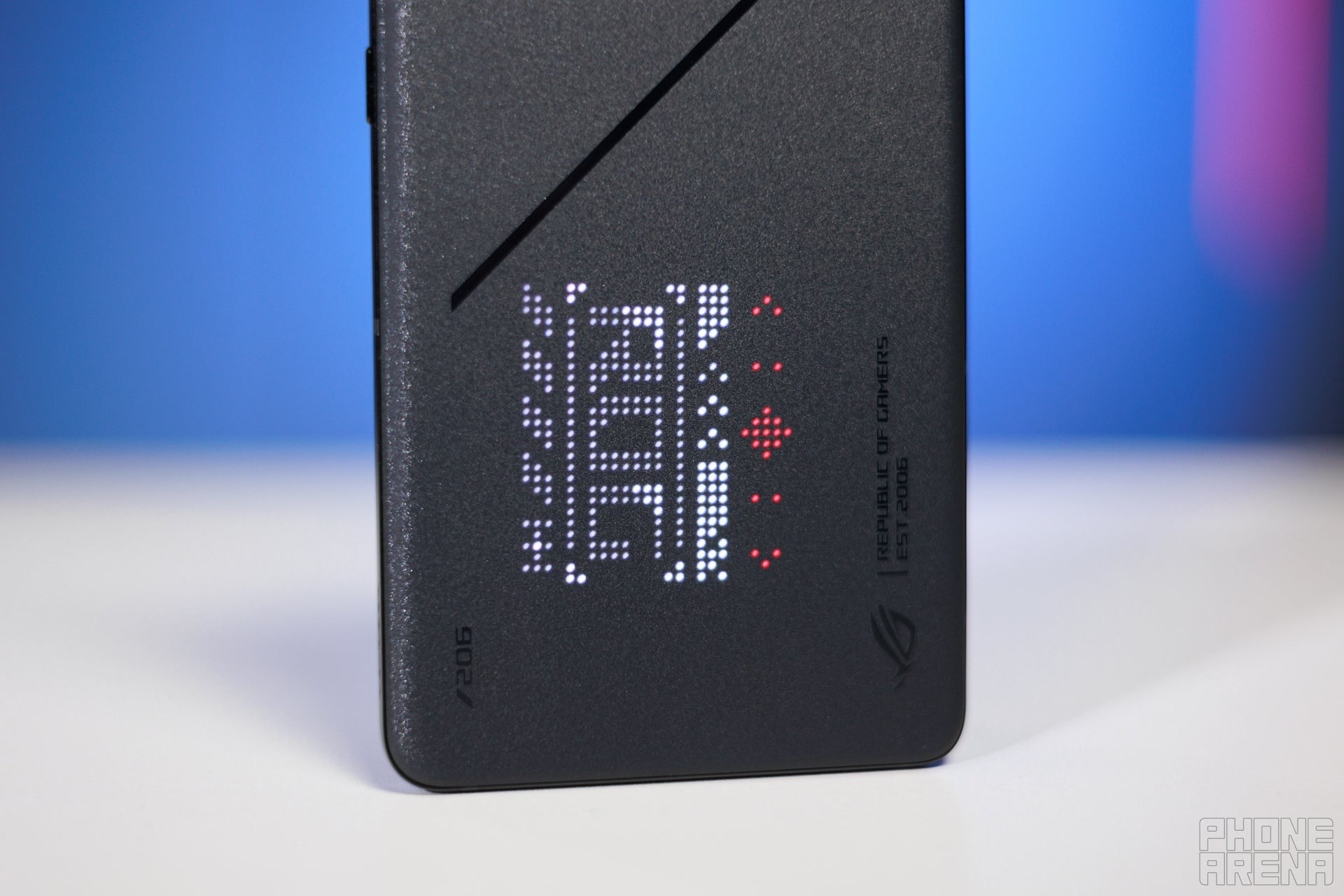
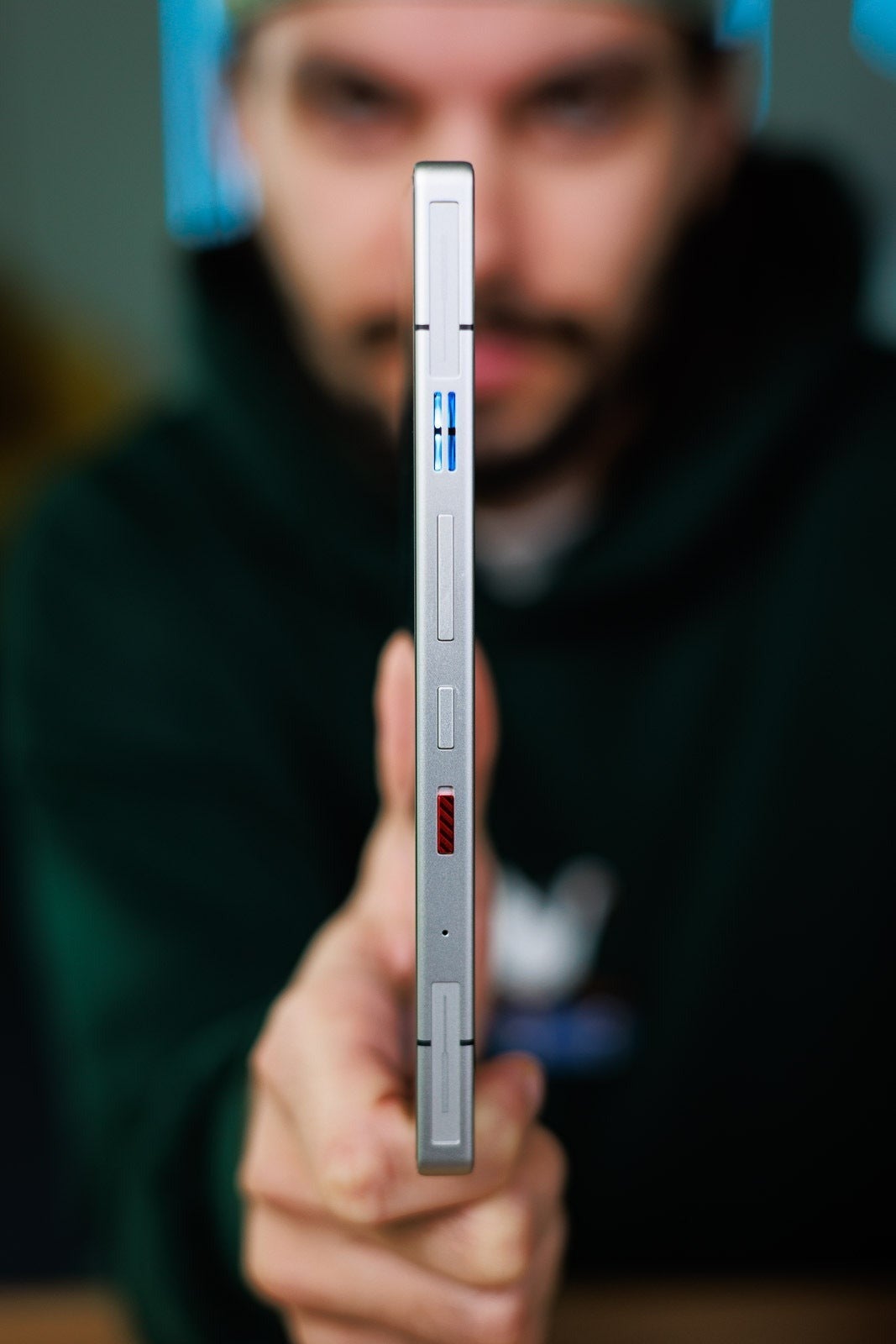
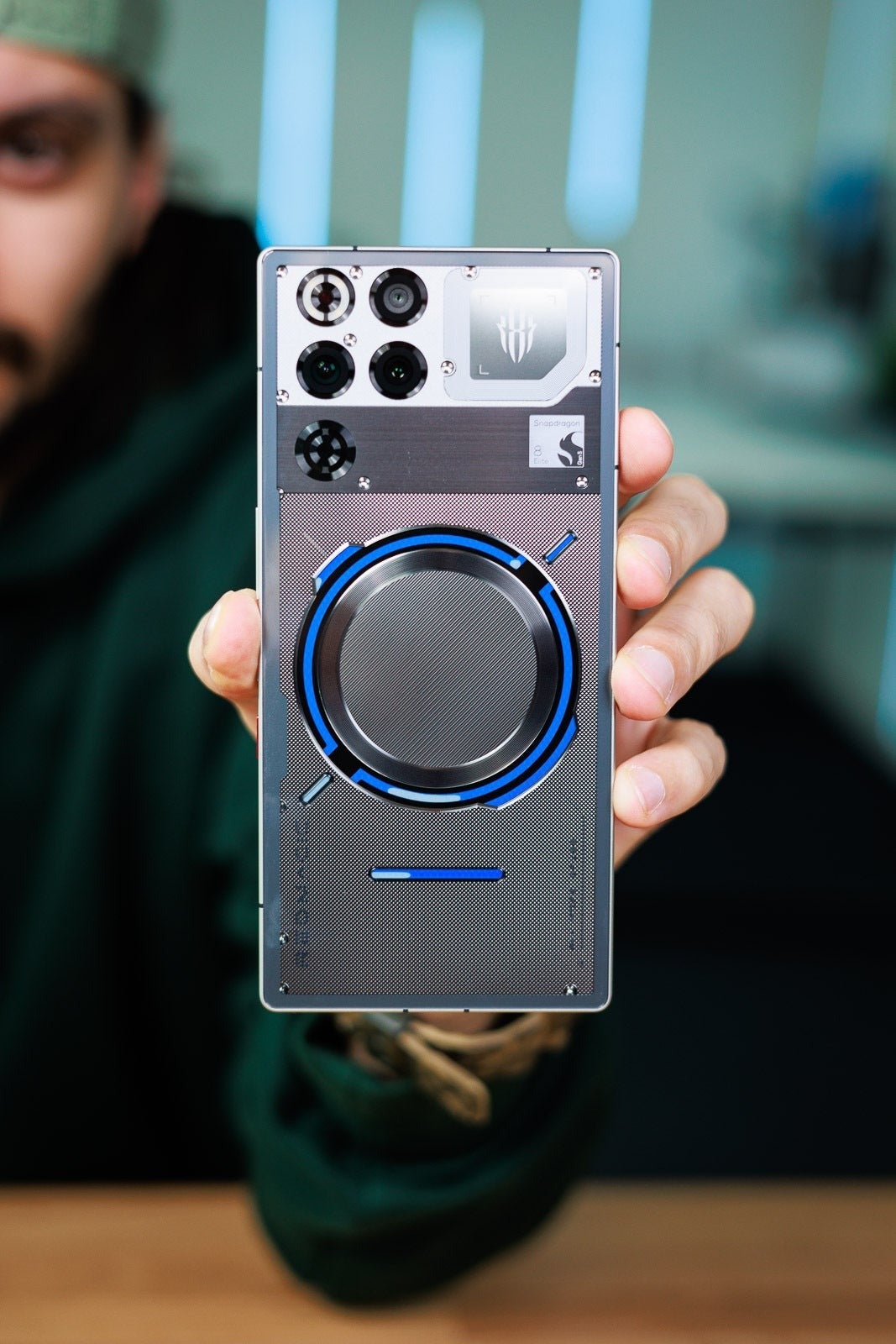
The ROG Phones and RedMagic flagships offer extreme performance and can sustain it comfortably for hours thanks to active cooling systems and massive thermal chambers. Not to mention their massive batteries that let you play for long periods of time before needing to recharge and the shoulder triggers that genuinely improve the gaming experience. None of that is marketing fluff.
Recommended For You
But things have changed. In 2026, regular flagship phones have improved so much that they are now good enough to offer 90% of the same experience.
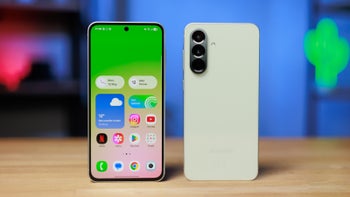
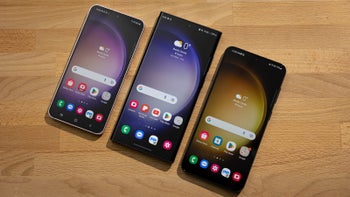
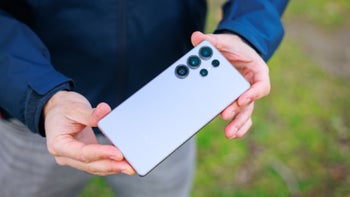
Phones like the Galaxy S25 Ultra, iPhone 17 Pro Max, or a performance-focused Android flagship like the OnePlus 15 can already run demanding games (even AAA games) at high frame rates without melting in your hand. Yes, they still occasionally suffer from thermal throttling, but it is no longer as catastrophic as it used to be.
The gap between a “gaming phone” and a “flagship phone” has narrowed to the point of irrelevance. In fact, one might argue that gaming phones have almost lost their advantages, but regular flagship phones have kept and even improved theirs.
Cameras and updates still matter, even to gamers
Historically, it was assumed that gamers weren't concerned about the typical compromises that came with a gaming phone: weaker cameras, shorter software support, and bulkier designs.
But that seems to be less and less the case.
Recent ROG Phones and RedMagic devices have introduced some improvements to these weak points, but they are still far from matching what mainstream flagships offer.
For a device that often costs $1,000 or more, the trade-offs are difficult to justify, even if gaming is your primary use case.
The Black Shark 5 Pro showed what happens when a gaming phone tries to close that gap by offering a genuinely good camera system. It was praised for it. But it was also one of the last high-profile Black Shark phones to get widespread attention. Xiaomi then quietly stepped back from pushing the brand globally not long after.
The market reality Asus is facing
The current situation with Asus illustrates the core issue perfectly.
ROG Phones are arguably the most complete gaming phones ever made. And yet, it seems each year they lose popularity among users.
Asus tried a more mainstream approach with the Zenfone series, but it struggled to differentiate itself in a brutally competitive Android market dominated by Samsung, Google, and Apple. In other words, Asus has tried the niche high-end route and the more mainstream affordable one, and neither has worked.
Pausing launches in 2026 looks less like a surrender at this point and more like an acknowledgment that, currently, there is no strategy that would make gaming phones a sustainable product.
The irony in the defeat of gaming phones
Ironically, gaming phones may have become victims of what made them succeed in the first place.
The same high-tech features like active cooling systems, larger vapor chambers, massive batteries, and even hardware buttons are slowly bleeding into mainstream phone designs. Phones like the OnePlus 15 now deliver gaming-phone-level performance and stability without looking or behaving like gaming phones at all.
In fact, the OnePlus 15 is a perfect example of where the market is heading. Besides its impressive performance, it also comes with a massive battery and an effective thermal management system, all wrapped in a conventional flagship form factor with competitive pricing. Oddly enough, it also carries an infamously mediocre camera system, just what gaming phones are known for too, but that has been a weak point for OnePlus phones anyway.
Still, a phone like the OnePlus 15 is a far more appealing proposition for most buyers than a gaming phone and all the sacrifices it demands from buyers.
So, do gaming phones still have a place?
Maybe, but only as occasional “show-off” concept products.
Gaming phones still make sense as technological showcases that push performance limits and experiment with ideas mainstream brands are hesitant to adopt. They are valuable as testing grounds.
What no longer makes sense is expecting them to survive as a parallel smartphone category with any sort of wide appeal.
The future of mobile gaming is not “gaming phones versus flagships.” For me, it is how well peripheral devices like AR glasses can sync and work with your phone.
Asus hitting pause may not mark the end of gaming phones just yet, but I take it as a clear sign that the niche is dangerously close to being extinct.
Mint Mobile's 6-month plans now cost $10/mo
$10
/mo
$35
$25 off (71%)
Mint Mobile is celebrating its 10-year anniversary with a special offer on its six-month subscription plans. For a limited time, you can get your preferred tier (6GB, 17GB, 23GB or unlimited) for just $10/mo. That saves you between 50% and 71% on the carrier's mobile plans, making it way easier to recommend.
Aleksandar is a tech enthusiast with a broad range of interests, from smartphones to space exploration. His curiosity extends to hands-on DIY experiments with his gadgets, and he enjoys switching between different brands to experience the latest innovations. Prior to joining PhoneArena, Aleksandar worked on the Google Art Project, digitizing valuable artworks and gaining diverse perspectives on technology. When he's not immersed in tech, Aleksandar is an outdoorsman who enjoys mountain hikes, wildlife photography, and nature conservation. His interests also extend to martial arts, running, and snowboarding, reflecting his dynamic approach to life and technology.
COMMENTS (3)
COMMENTS (3)
All comments need to comply with our
Community Guidelines
PhoneArena Community Rules
A discussion is a place, where people can voice their opinion, no matter if it
is positive, neutral or negative. However, when posting, one must stay true to the topic, and not just share some
random thoughts, which are not directly related to the matter.
Things that are NOT allowed:
Off-topic talk - you must stick to the subject of discussion
Offensive, hate speech - if you want to say something, say it politely
Spam/Advertisements - these posts are deleted
Multiple accounts - one person can have only one account
Impersonations and offensive nicknames - these accounts get banned
To help keep our community safe and free from spam, we apply temporary limits to newly created accounts:
New accounts created within the last 24 hours may experience restrictions on how frequently they can
post or comment.
These limits are in place as a precaution and will automatically lift.
Moderation is done by humans. We try to be as objective as possible and moderate with zero bias. If you think a
post should be moderated - please, report it.
Have a question about the rules or why you have been moderated/limited/banned? Please,
contact us.







Things that are NOT allowed:
To help keep our community safe and free from spam, we apply temporary limits to newly created accounts: