Editorials · Insider Reaction
The iPhone 17e rumors left me asking one question: why bother?
One camera, mid-range pricing, and refurbished 15 Pros make the e-series hard to defend.
This article may contain personal views and opinion from the author.
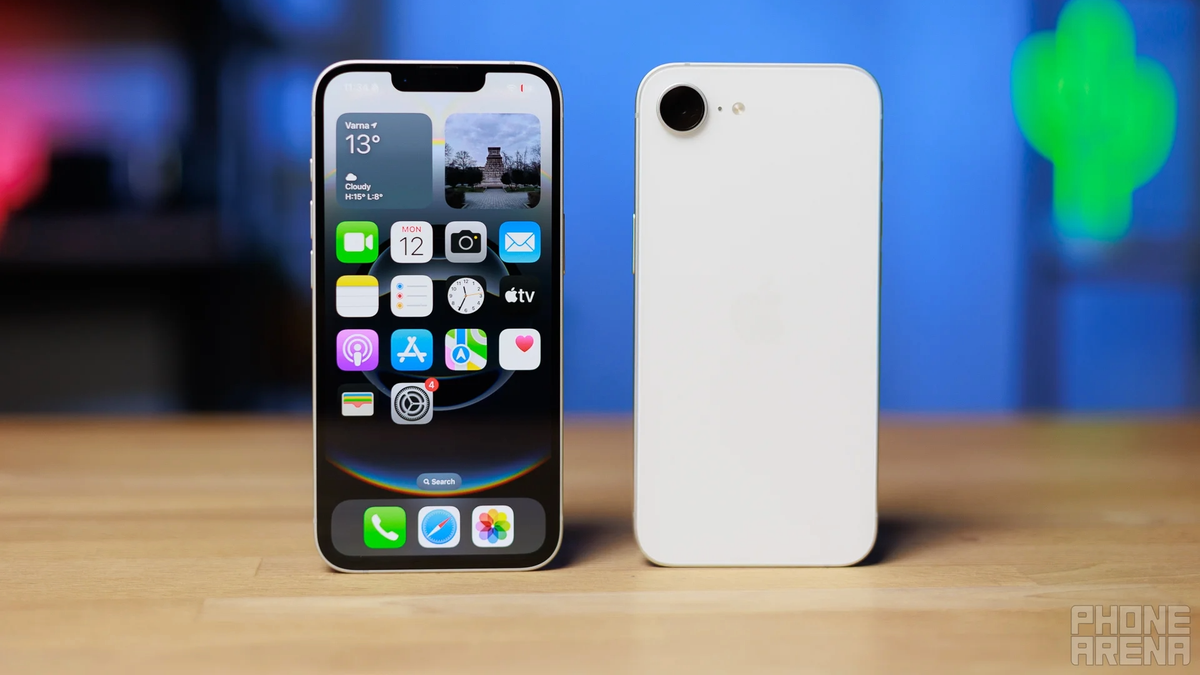
iPhone 16e. | Image credit – PhoneArena
$650 for what, exactly?
The iPhone 16e launched at $600, and rumors say the 17e, as being part of the iPhone 17 series after all, could land at $650. That's not outrageous, but for a phone with only a handful of upgrades over an already "meh" predecessor… it's a stretch.

Video credit – PhoneArena
But that's where the upgrades stop. We're still looking at 60Hz refresh rate in 2026 (seriously, Apple?), a single 48 MP camera and the usual new chip that's basically just table stakes at this point. So, unless you're buying it purely because it's the "cheapest" iPhone of the bunch, there's not a lot to brag about here.
The "budget" iPhone that's not really budget
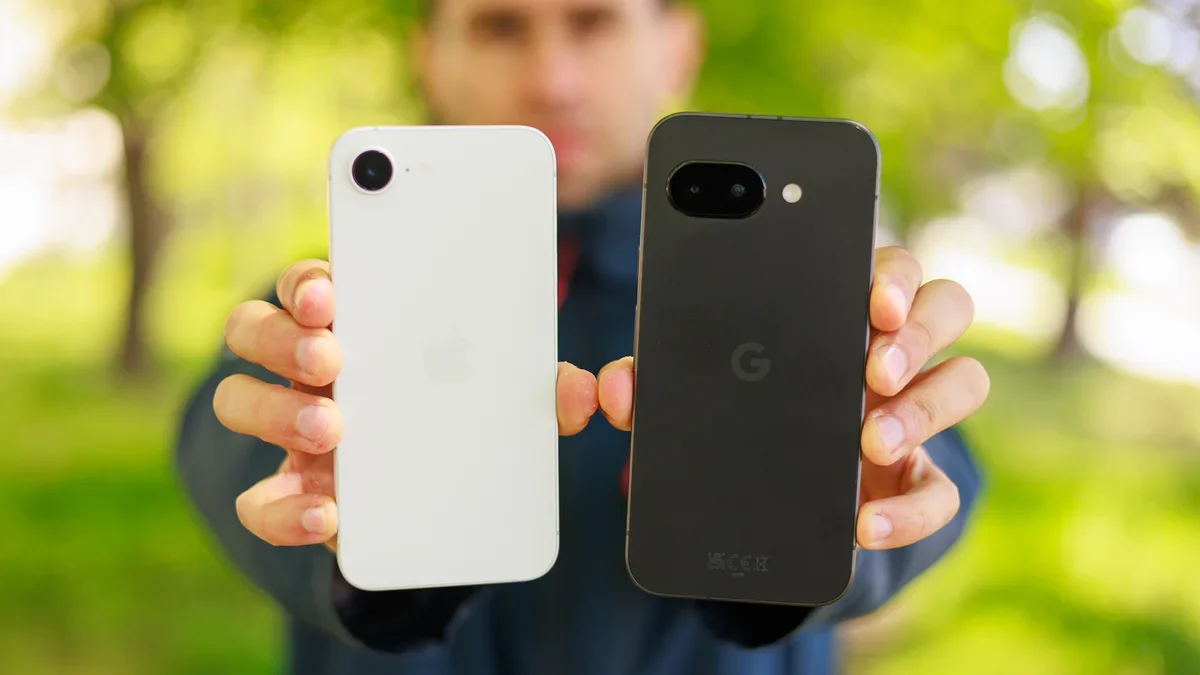
iPhone 16e and Pixel 9a. | Image by Image credit – PhoneArena
Even if Apple raises prices across the lineup – let's say the base iPhone 17 hits $850 – the e-series doesn't suddenly feel appealing. $650 isn't exactly "budget." It's mid-range territory, and honestly, competitors in that price bracket wipe the floor with it.
And then there's Apple itself cannibalizing the 17e's purpose. Sure, it's technically cheaper than the flagship iPhones, but not by much – especially once you factor in trade-ins and carrier deals.
iPhone 17e: stuck in no man's land
This is the same issue we saw with the iPhone 16e when we reviewed it: who exactly is this phone for?
Yet people are still buying it. The 16e grabbed 7% of US iPhone unit sales in Q1, slightly more than the iPhone SE did the year before. Though fair warning, the iPhone SE 3 (2022) was already a two years old by then, so it's not a perfect comparison, but that is what stats offer right now. So clearly, there's some demand for the "cheapest iPhone."
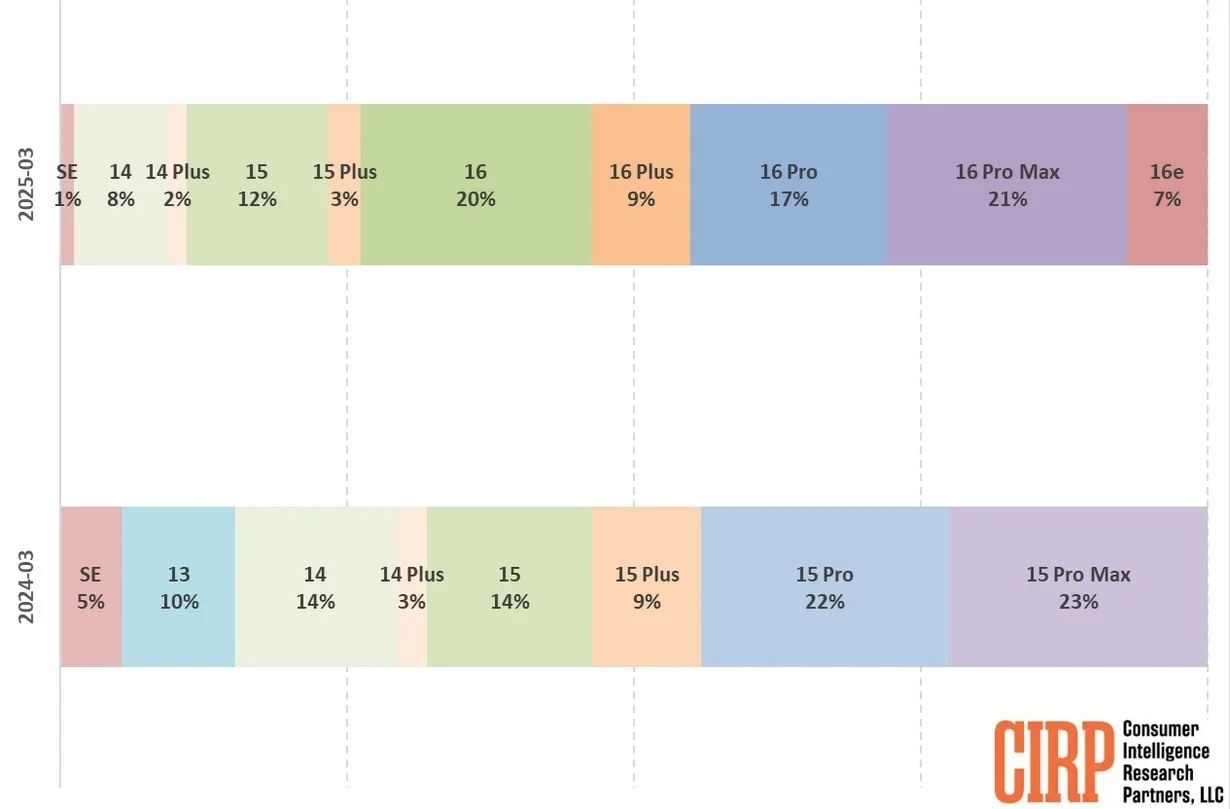
iPhone 16e sales gave a nice boost to Apple’s lower-priced iPhones in the US during Q1.
But with minimal upgrades and 60Hz still alive in 2026, that number could drop. For $650, you could easily grab a refurbished iPhone 15 Pro or even a 15 Pro Max next year – right now, those go for about $730 on Amazon, and prices will likely drop once the 17 series launches. Refurbished, yes, but still far more capable: better specs, features, cameras, and build, plus Apple Intelligence support.
Same problem, different brand
So yeah, I'm going to say the exact same thing I said about Samsung's Galaxy S25 FE: if Apple wants this lineup to actually matter, it either needs to cut the price or seriously beef up the specs.
Otherwise, the iPhone 17e will just be stuck in limbo – too expensive to be "budget," too underwhelming to be exciting, and too close in price to better iPhones that actually make sense to buy.


Popular stories

Latest News


Things that are NOT allowed:
To help keep our community safe and free from spam, we apply temporary limits to newly created accounts: