Google takes aim at the Apple Watch with this newest Pixel Watch update
New gestures and on-device AI are finally closing the gap with Apple.
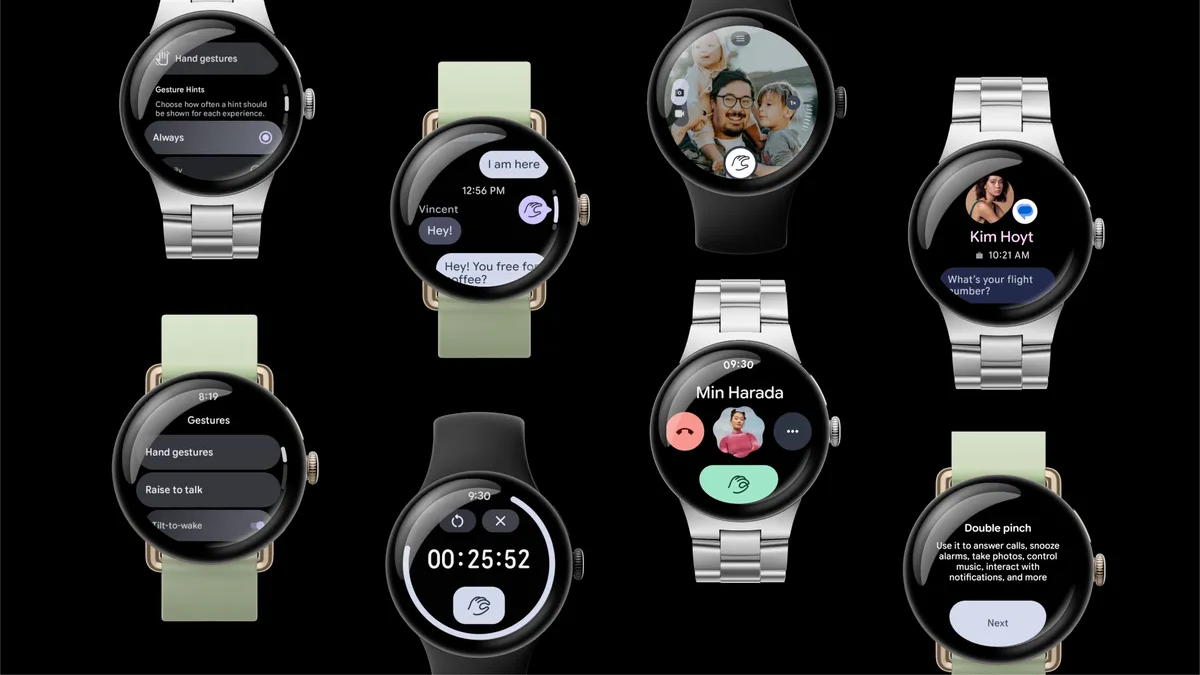
Google is rolling out a massive update for the Pixel Watch ecosystem just in time for the holidays, finally bringing true one-handed control to your wrist. If you’ve ever tried to dismiss a notification while holding a cup of coffee or anything else, your life is about to get a lot easier.
Google announced today that it is releasing two major updates that lean heavily on AI to make wrist-based computing more practical. The headline feature here is the introduction of "Double pinch" and "Wrist turn" gestures, which allow you to navigate the watch interface without ever touching the glass.
While "Raise to Talk" was already a user favorite for chatting with Gemini, this update takes convenience much further. Helpful on-screen hints will now pop up to let you know exactly when these gestures are available, ensuring you aren't flailing your wrist around blindly.
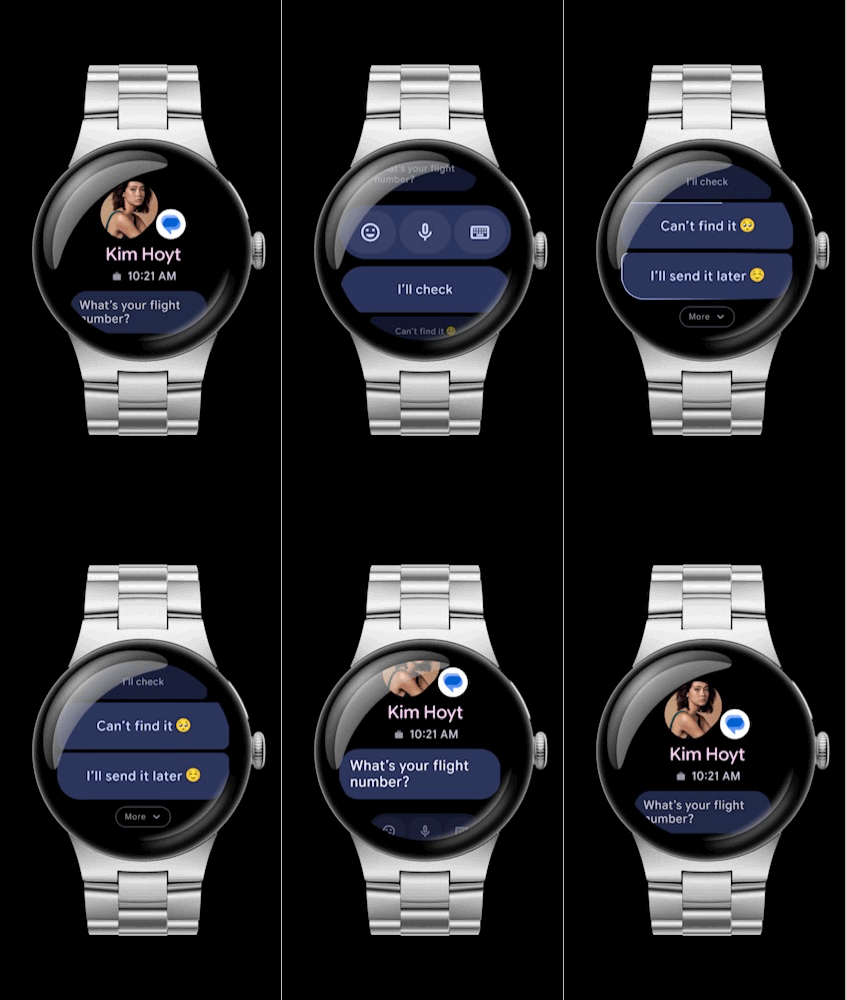
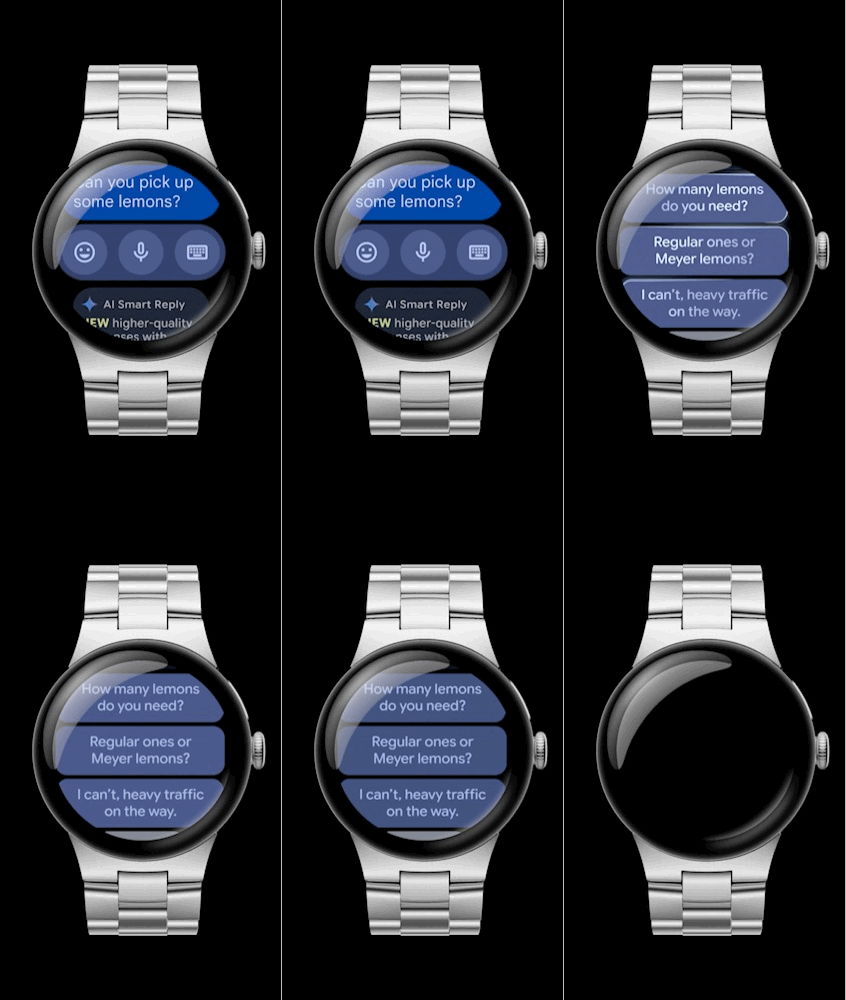
The update also includes a significant under-the-hood upgrade for Pixel Watch 3 and newer (including the aforementioned Pixel Watch 4). These devices will utilize an on-device Gemma-based language model to generate enhanced Smart Replies. This new model is reportedly twice as fast and three times more memory-efficient than the previous generation, allowing it to work even when you aren't tethered to your phone.
This update is a direct answer to one of the biggest competitive gaps in the wearable market: Apple’s "Double Tap." When Apple introduced their one-handed gesture on the Series 9 and Ultra 2, it changed the way people used their watches, turning them from two-handed devices into truly passive tools. For Google to remain competitive, this feature wasn't just nice to have—it was necessary.
The addition of the on-device Gemma model is equally significant. By processing Smart Replies locally on the watch, Google is removing the lag often associated with cloud-based AI. This matters immensely for users who are out for a run or in areas with spotty service.
This is very nice to see. Touchscreens on wrists have always been too much of a small touch target, easily smudged, and practically impossible to use accurately when you're moving. Moving toward physical gesture control feels like the natural evolution of the form factor.
Getting hands-free with Pixel Watch
Google announced today that it is releasing two major updates that lean heavily on AI to make wrist-based computing more practical. The headline feature here is the introduction of "Double pinch" and "Wrist turn" gestures, which allow you to navigate the watch interface without ever touching the glass.
New things the Pixel Watch 4 can now do with gestures:
- Snooze alarms: Easily silence your morning wake-up alarm.
- Manage time: Start, stop, or pause timers and stopwatches.
- Call control: Answer or end phone calls without tapping the screen.
- Smart replies: Select a suggested response to send immediately.
- Notification management: Scroll through your feed or dismiss alerts entirely.
- Media control: Pause or play your music tracks on the go.
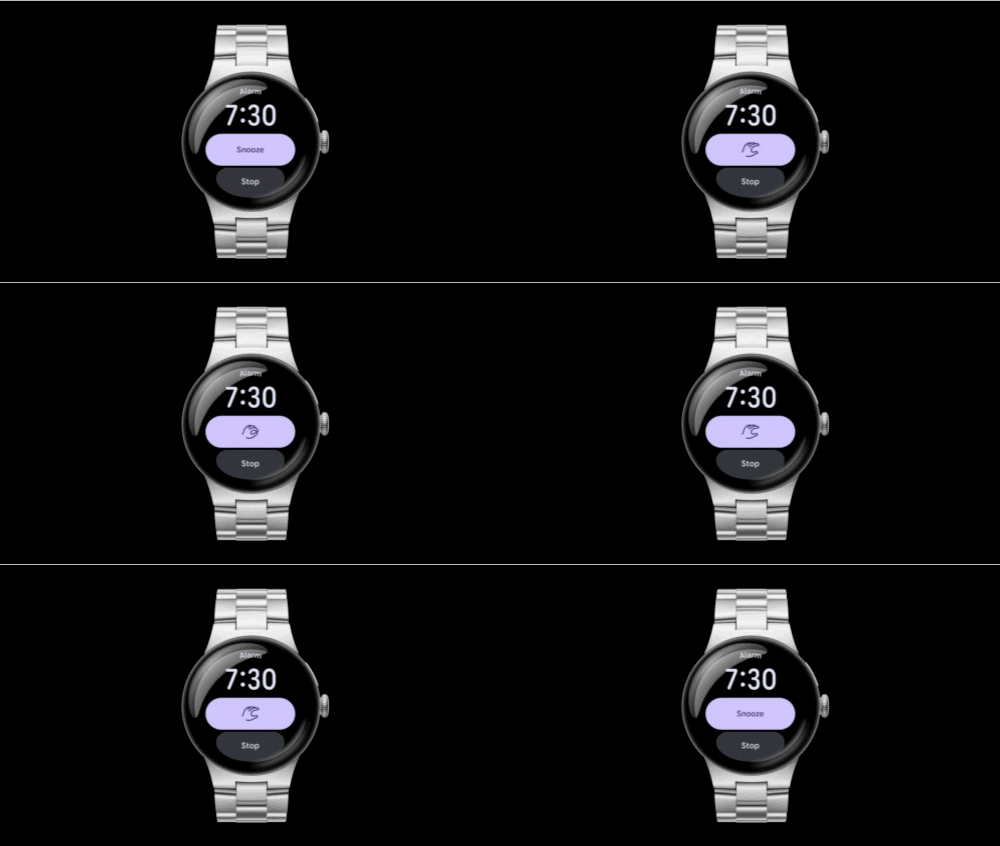
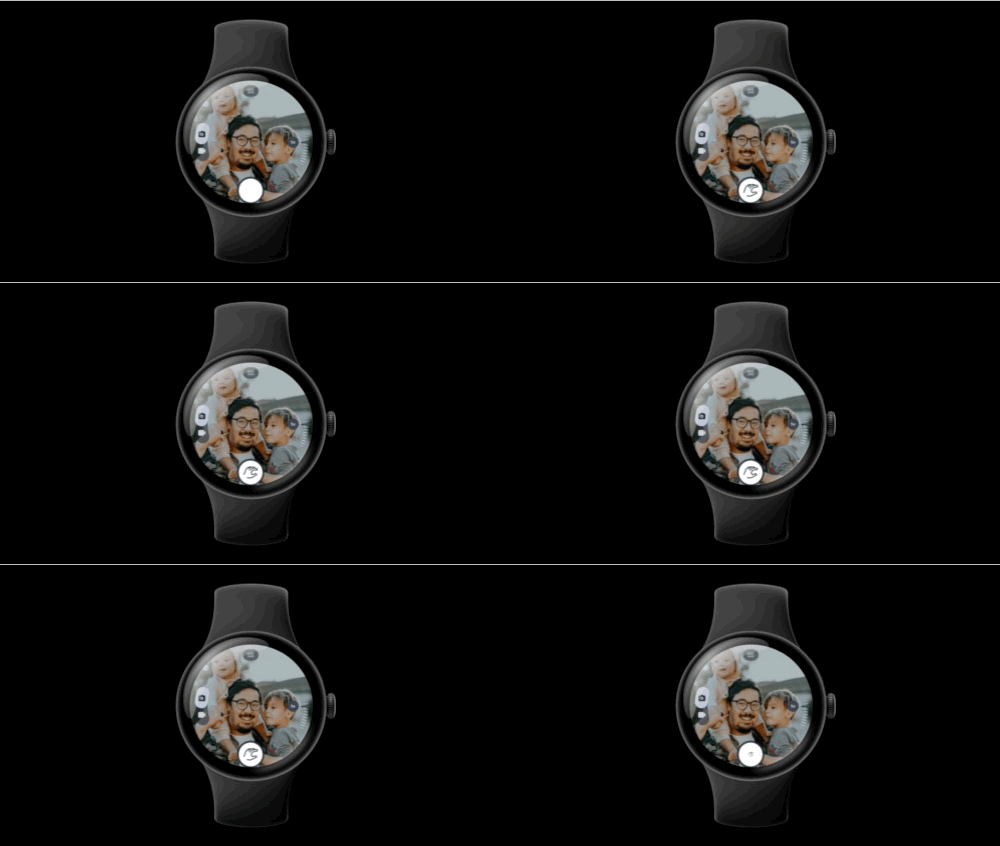
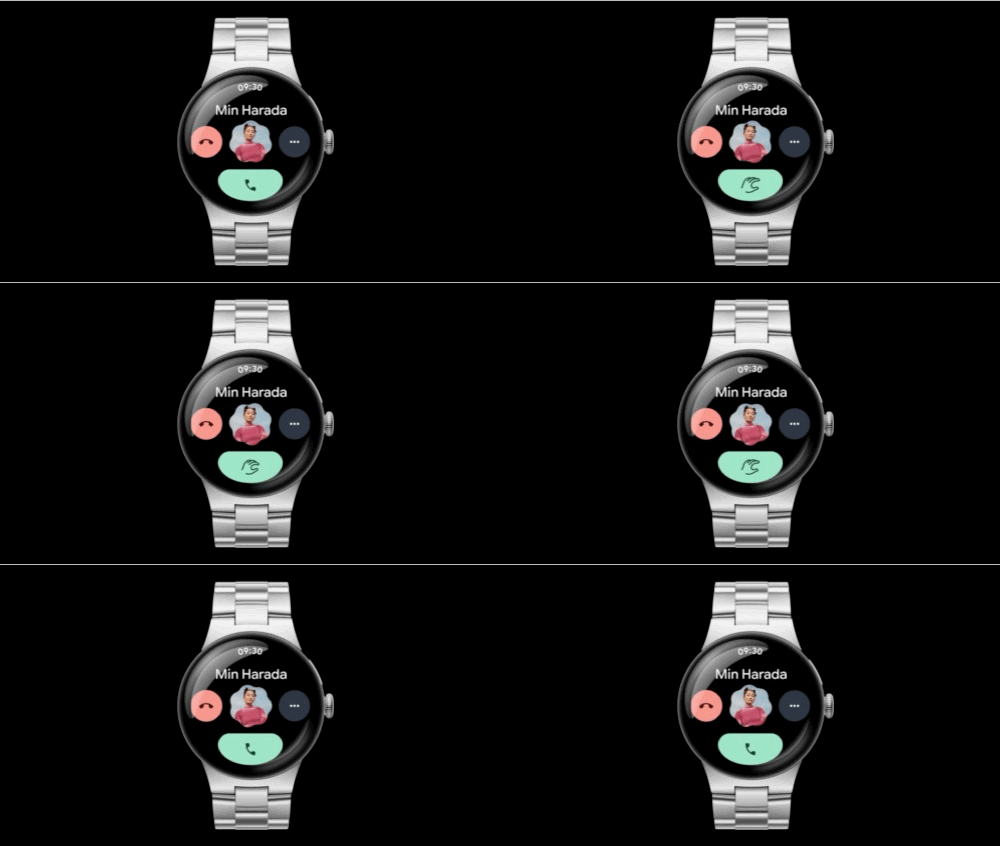
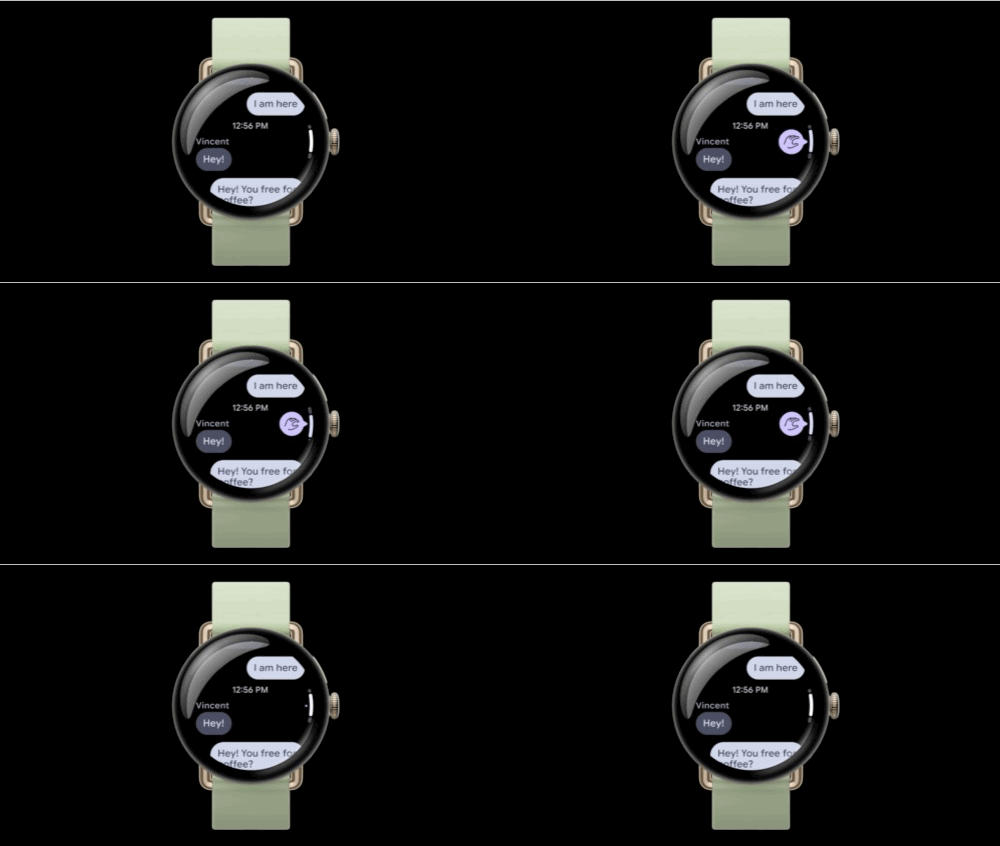
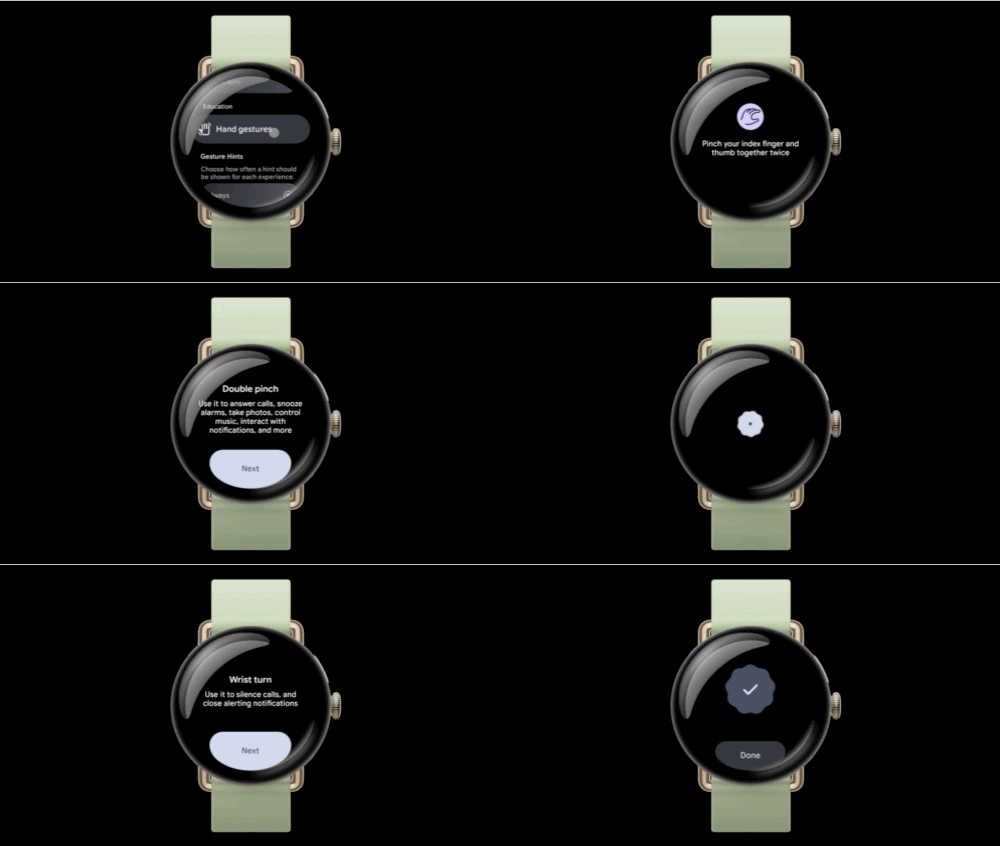
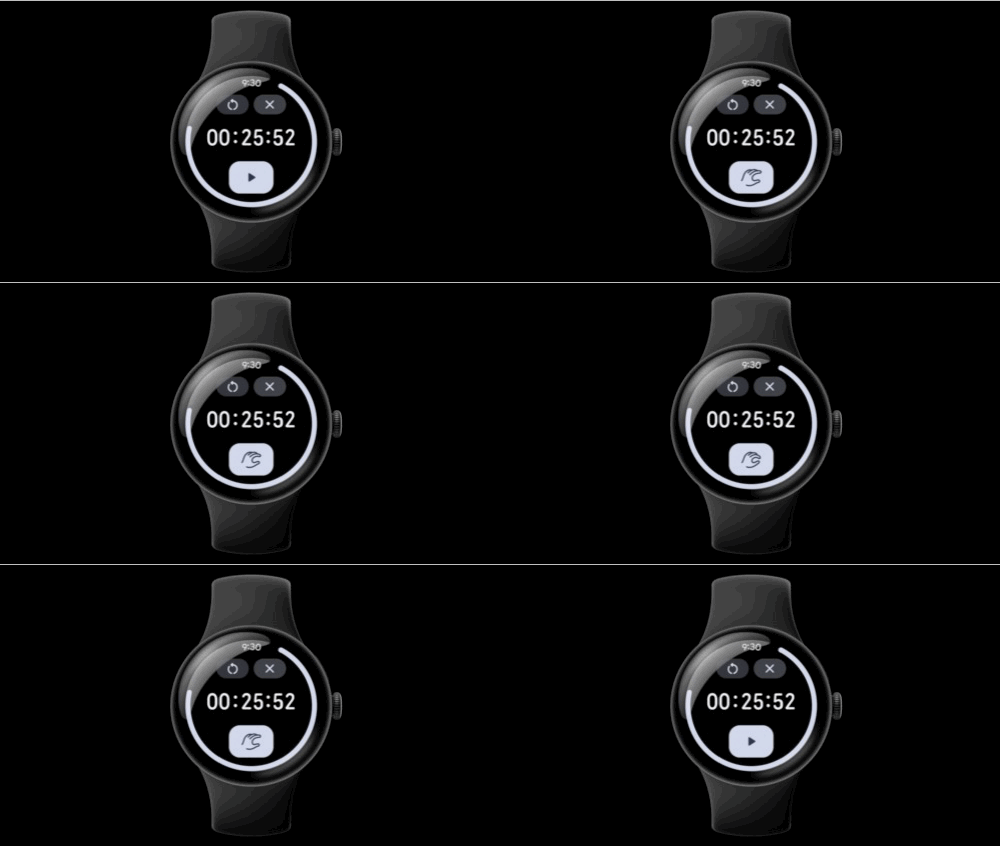
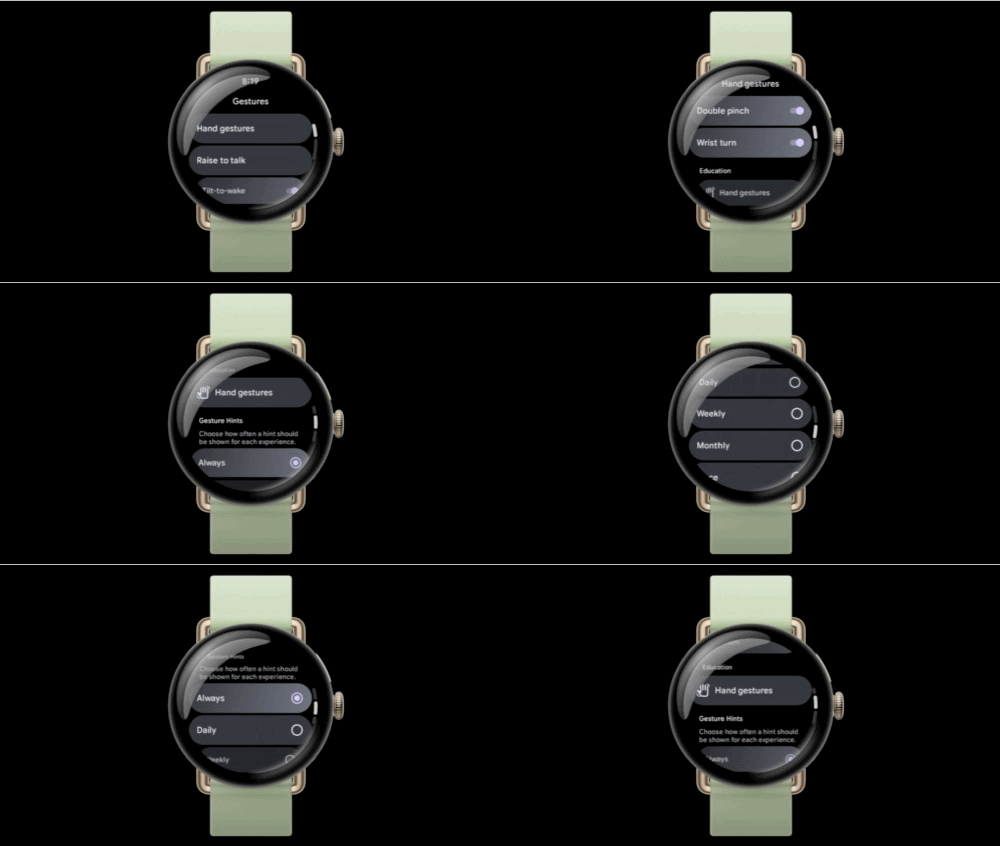
New one-handed gestures on Pixel Watch 4. | Images credit — Google
Going after the Apple Watch's accessibility gestures
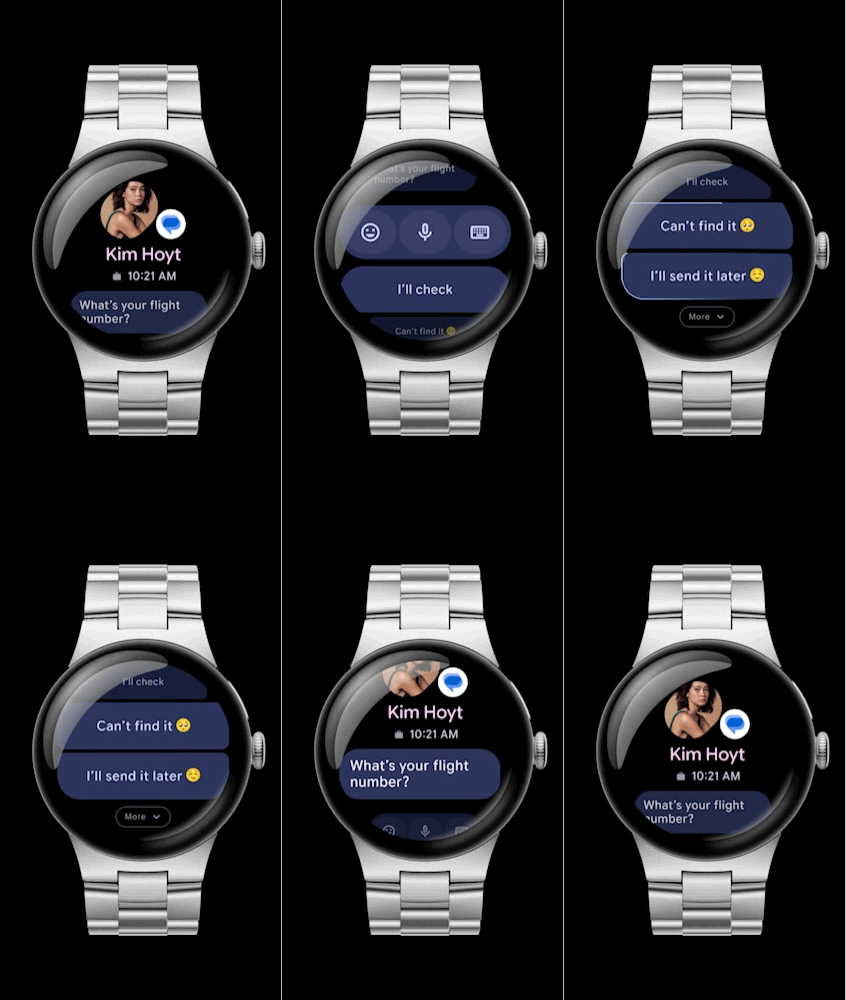
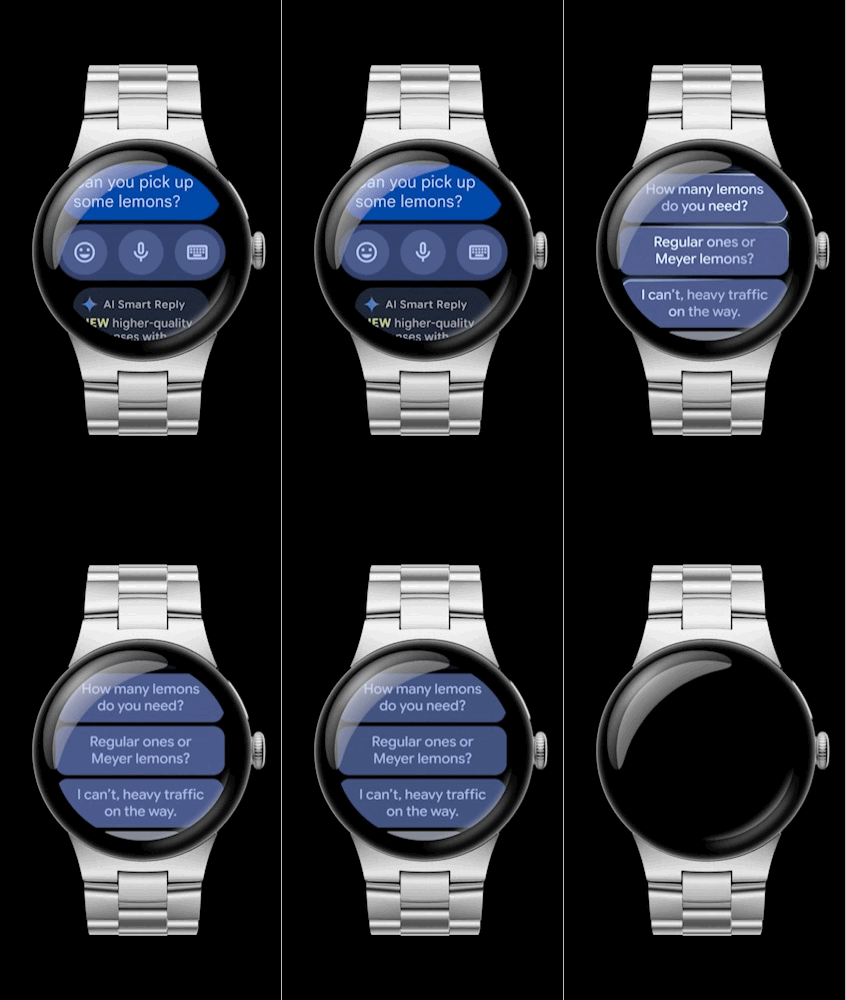
New Enhanced Smart Replies on the Pixel Watch 3 and Pixel Watch 4. | Images credit — Google
This update is a direct answer to one of the biggest competitive gaps in the wearable market: Apple’s "Double Tap." When Apple introduced their one-handed gesture on the Series 9 and Ultra 2, it changed the way people used their watches, turning them from two-handed devices into truly passive tools. For Google to remain competitive, this feature wasn't just nice to have—it was necessary.
Do you think these new gestures will help the Pixel Watch compete with the Apple Watch?
24 Votes
Yes, feature parity is needed for this product to compete.
70.83%
No, those with an Apple Watch/iPhone will not switch.
29.17%
It's a good move
This is very nice to see. Touchscreens on wrists have always been too much of a small touch target, easily smudged, and practically impossible to use accurately when you're moving. Moving toward physical gesture control feels like the natural evolution of the form factor.
I am particularly interested to see how the "Wrist turn" holds up in daily usage compared to the "Double pinch." If Google’s implementation is too sensitive, we might see accidental scrolls while talking with our hands. However, if they’ve nailed the detection, this makes the Pixel Watch infinitely more usable for commuters and parents.
The promise of untethered, faster AI replies is the cherry on top; if it works as advertised, the days of waiting for a spinning loading circle just to say "OK" might finally be over.


Popular stories


Latest News

Things that are NOT allowed:
To help keep our community safe and free from spam, we apply temporary limits to newly created accounts: