Samsung has reportedly sent LPDDR6X samples even before the LPDD6 release
Qualcomm is rumored to have requested Samsung's next-gen DRAM solution.

LPDDR6 for illustrative purposes. | Image by JEDEC
Samsung officially unveiled LPDDR6, a next-generation low-power DRAM, during CES 2026. The product received an Innovation Award, though an actual launch is still some time away. Meanwhile, the company has reportedly already shipped samples of an even more powerful variant to Qualcomm.
Securing the lead ahead of time
According to Korean outlet The Bell (machine translated), it has been suggested that Samsung has shipped LPDDR6X samples to Qualcomm. This next-generation standard isn't expected to become a staple until at least the second half of 2027, clearly indicating that Samsung is pushing hard to secure its place on the DRAM market.
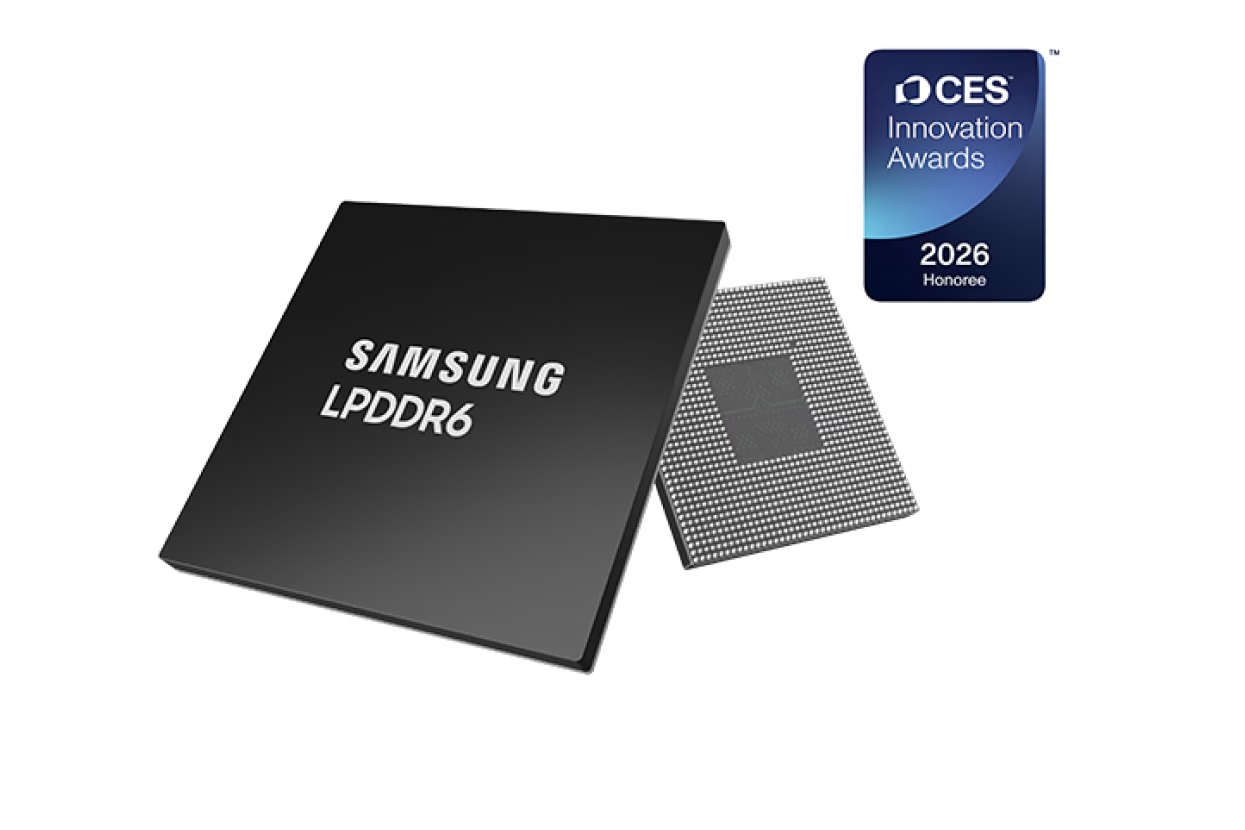
LPDDR6 dummy unit. | Image by Samsung
LPDDR6 supports blazing-fast data rates of up to 10.7 Gbps and features an expanded I/O count to maximize bandwidth, making it ideal for data-intensive mobile applications, edge computing, and AI workloads. With support for capacities up to 16 GB, it delivers an optimal balance of performance, energy efficiency, and reliability—making it an essential memory solution for next-generation, high-performance on-device AI.
Seunghyun Moon, Memory Product Planning Team at Samsung:
Do you think LPDDR6X will cause a new price craze in flagships?
32 Votes
Well, duh! It's obvious.
53.13%
I expect another $100 increase, but no more.
18.75%
I don't think so, things might stabilize until it debuts.
21.88%
I can't decide.
6.25%
It is expected that once finalized, LPDDR6 will operate at base speeds of 10.7 Gbps, possibly hitting a peak of 14.4 Gbps. The cherry on top is that LPDDR6 moves to a 24-bit channel, compared to a 16-bit channel on the LPDDR5X. In plain language, this means the newer DRAM will allow devices to handle heavy multitasking and AI effortlessly, all the while consuming less power.
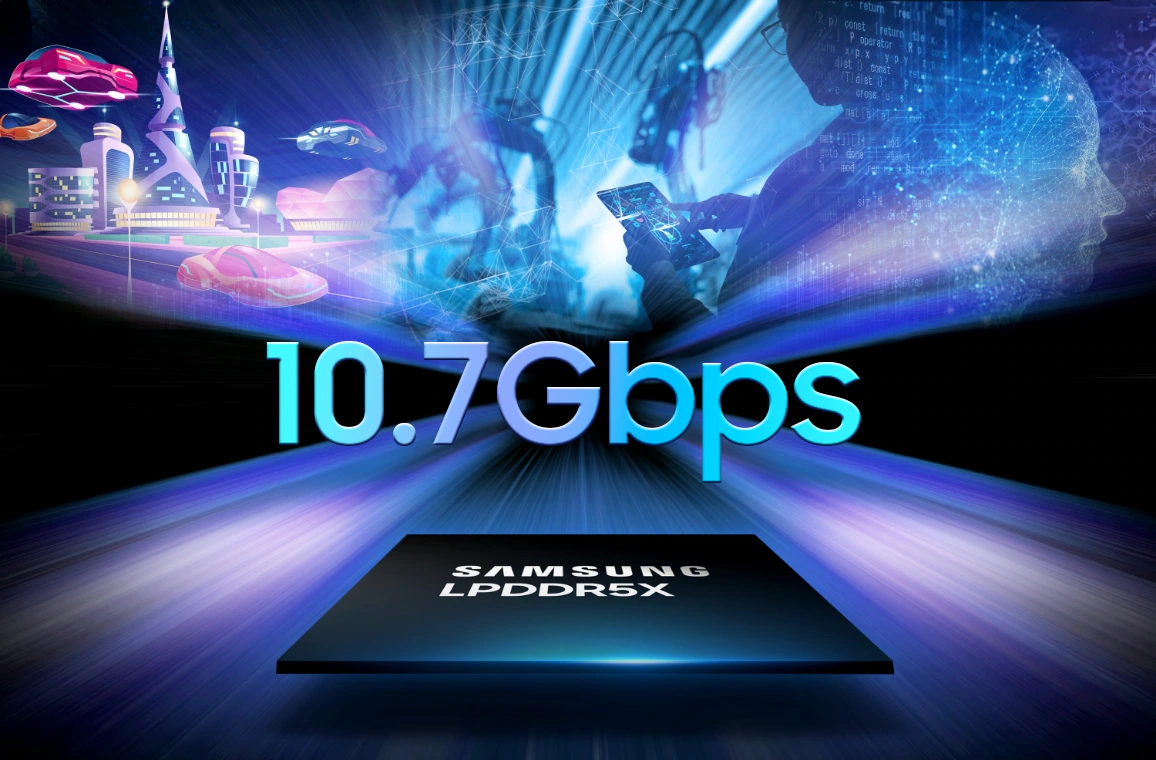
LPDDR5X has huge potential, but future DRAM technologies will quickly make it seem obsolete. | Image by Samsung
It's believed that Qualcomm has asked Samsung for the next-generation LPDDR6X samples to supercharge its AI250 accelerator for 2027. Clearly, the South Korean tech giant doesn't just double down on making faster memory — it aims to establish itself in the front line of next-gen AI solutions.
Why is this important?
Securing the first place in a competitive market is a major milestone for any company. But users don't necessarily care which brand is first. For enthusiasts, the main concern is how a next-gen technology can improve their tech experiences.
LPDDR6X has the potential to enter multiple fields, from mobile tech to automotive. It could be implemented in the future Snapdragon 8 Elite chips, delivering a massive boost in performance across the board.
LPDDR6X faces high expectations, and I can't wait to see just how it builds on an already advanced DRAM technology.


Popular stories





Latest News





Things that are NOT allowed:
To help keep our community safe and free from spam, we apply temporary limits to newly created accounts: