For years, I thought I knew exactly what I wanted from a smartwatch. Then a single switch to a brand I barely paid attention to proved me wrong. What followed was a surprisingly refreshing reminder that performance isn't always found where you expect it.
As a longtime user of Garmin's high-end Fenix, Forerunner, and Epix series watches, jumping to a Coros product was definitely an interesting experience.
In the early days of my amateur sports journey, like any self-respecting geek using a sports watch, I was obsessed with a few key features I thought were the most important: GPS accuracy and battery life.
As my running hobby became more serious, I started noticing more and more details that made these devices truly helpful for training, far beyond the beautiful (and not always accurate) GPS tracks they drew on maps.
The Rise of AMOLED — and the Downside
At one point, AMOLED displays entered the scene. Suddenly, beyond raw data, we got pleasant, contrasty colors that made both training and data consumption even easier.
Unfortunately, this nice upgrade drastically reduced battery life in smartwatch mode. For many serious hobbyists training 10+ hours per week, this was too big of a compromise. It was for me, too, as my previous AMOLED watch needed charging every 2–3 days. Annoying!
Recommended For You
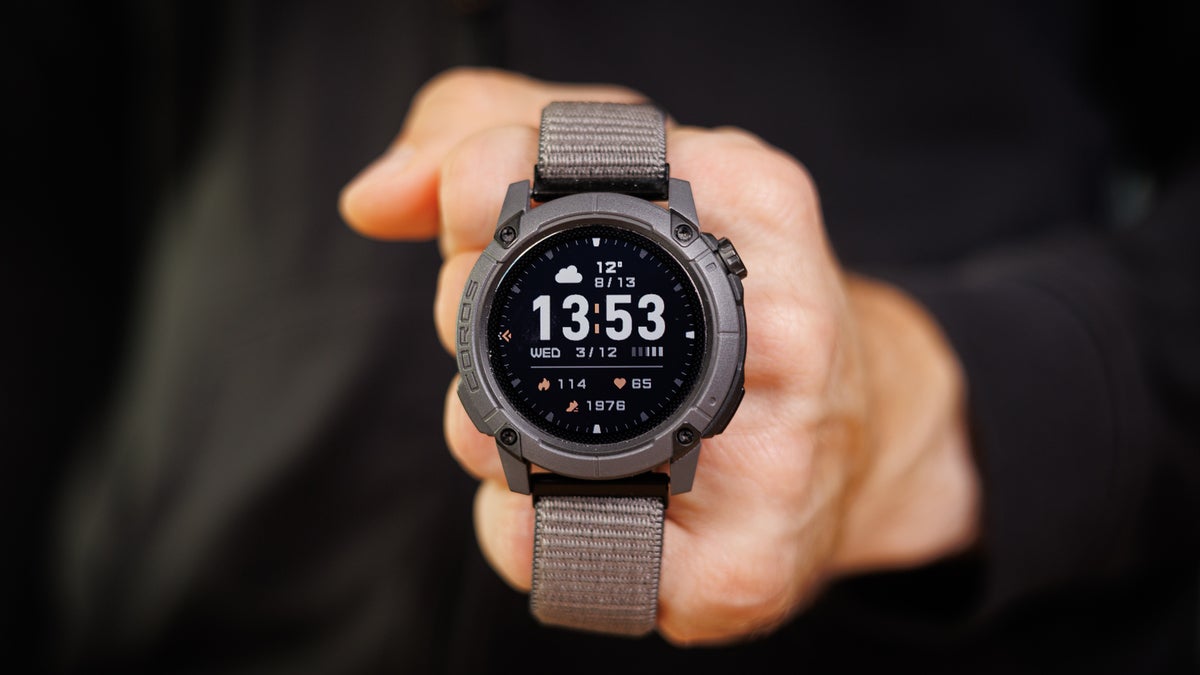
So I decided it was time for something new... or rather, something "old but reliable." Enter the Coros Nomad, a new value watch from a less-known brand with promising specs and one big "downgrade" — a MIP display.
Display: Surprisingly Good for MIP
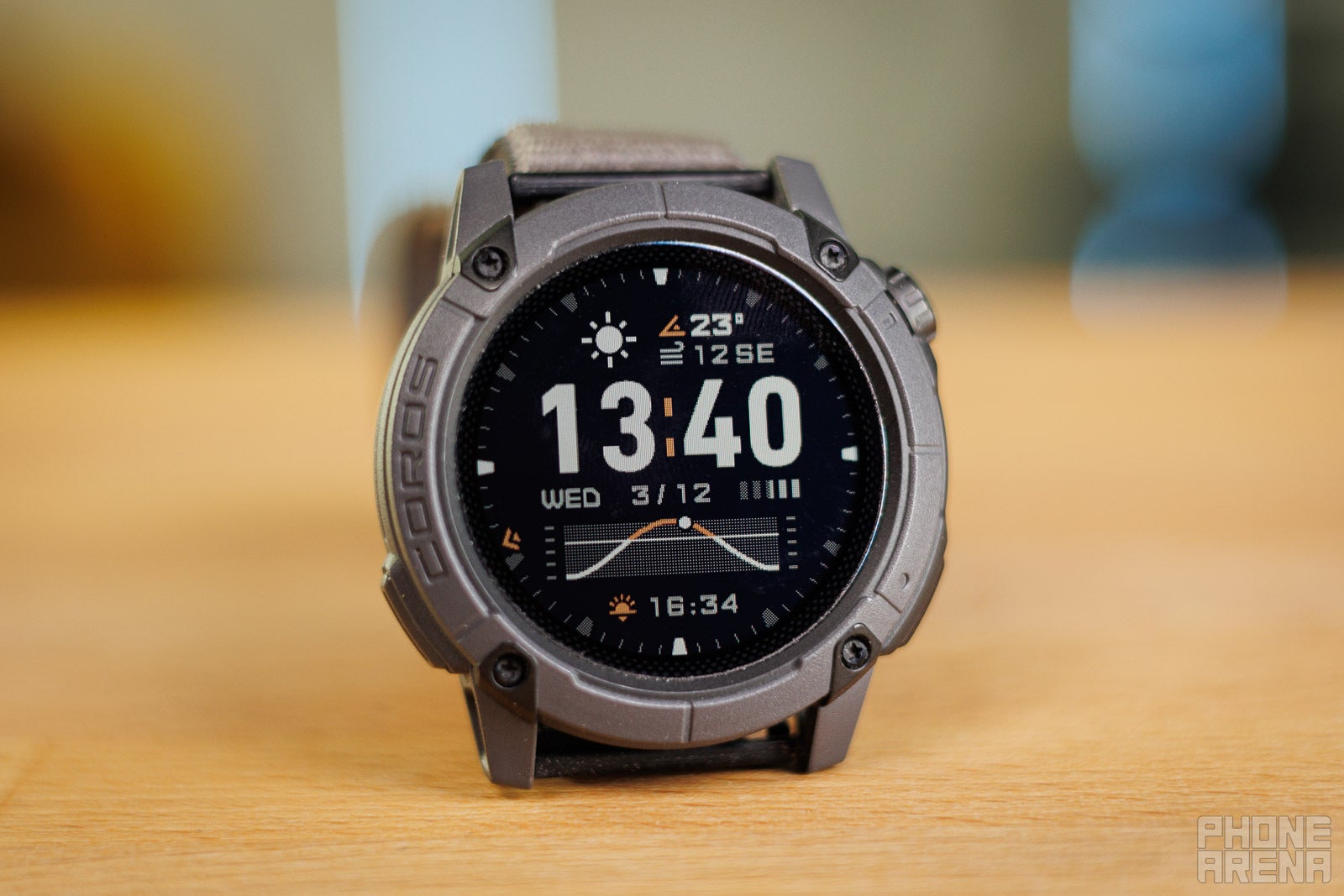
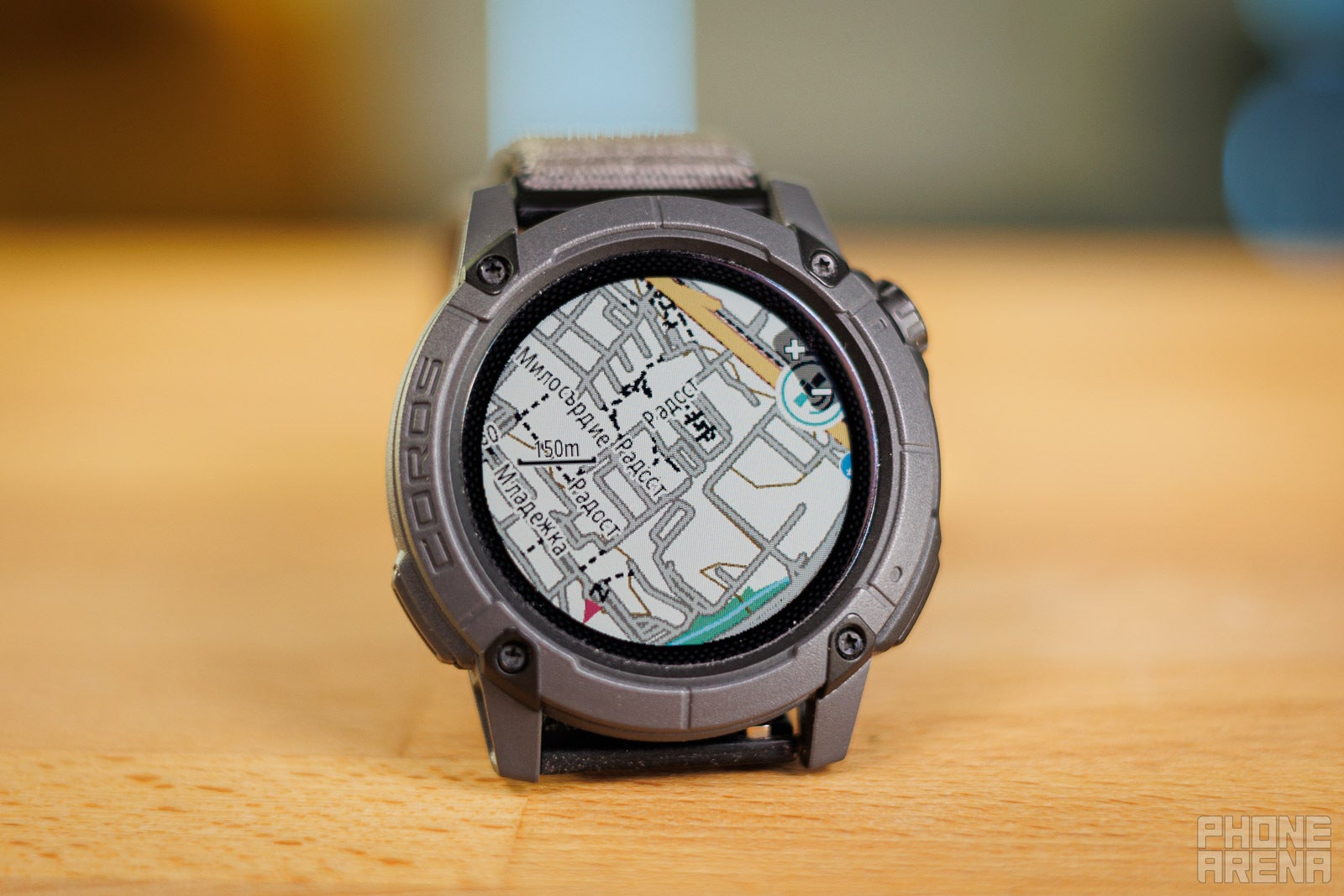
I was pleasantly surprised by the visibility and contrast of the MIP display. It's not as pretty as AMOLED, but perfectly usable, even for my imperfect eyesight. A nice improvement over older MIP generations!
One question that remains, however, is durability. The Coros Nomad has no sapphire screen version, so it's unclear how scratch-resistant the display coating is. After two months of daily wear, though, there isn't a single scratch, which is reassuring.
Build Quality and Comfort
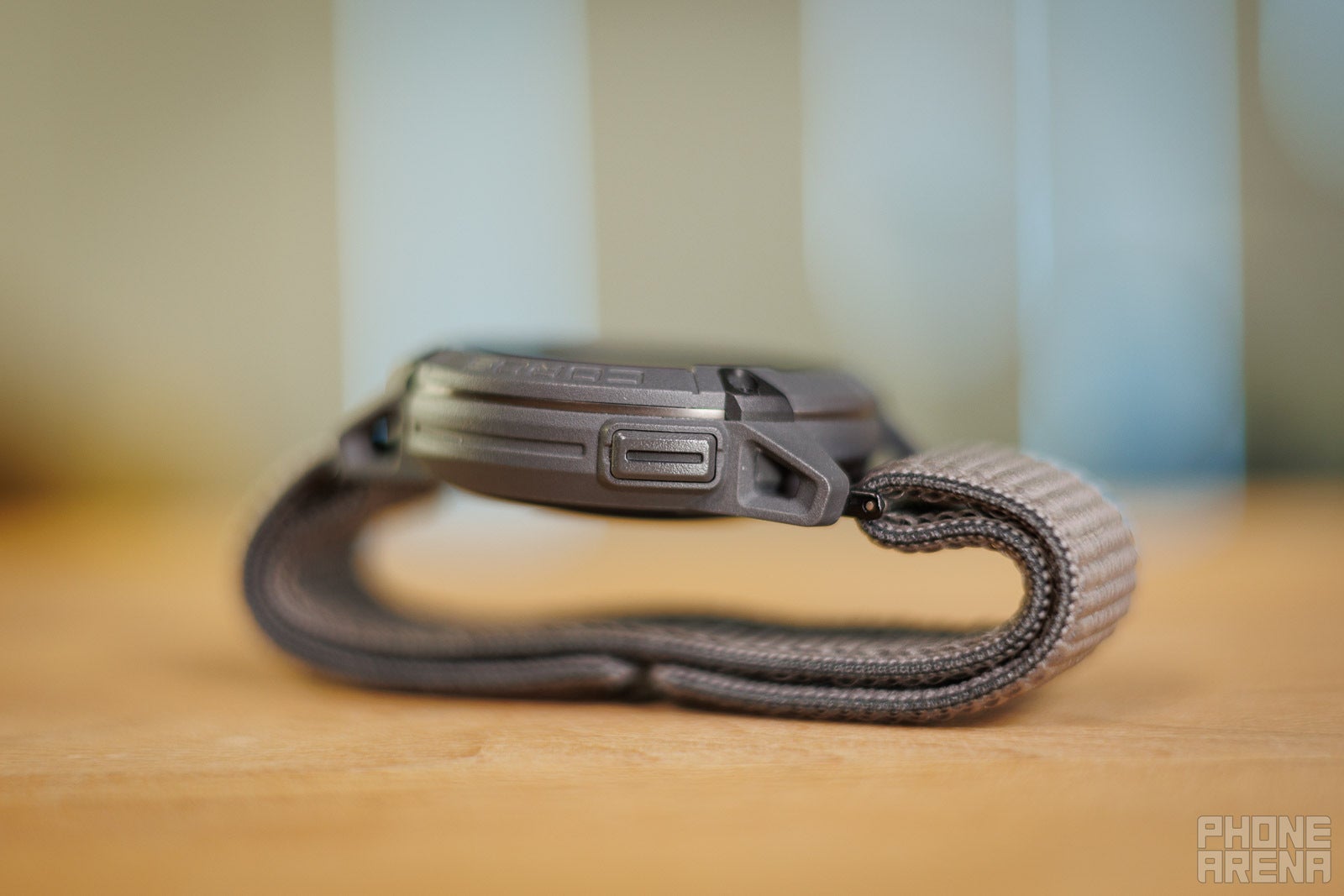
Let me be honest — the watch and its buttons feel like a mid-range device. In other words, it doesn't feel cheap, but it's not premium either. The weight of 61 g with a silicone strap or 49 g with a nylon band is practically unnoticeable.
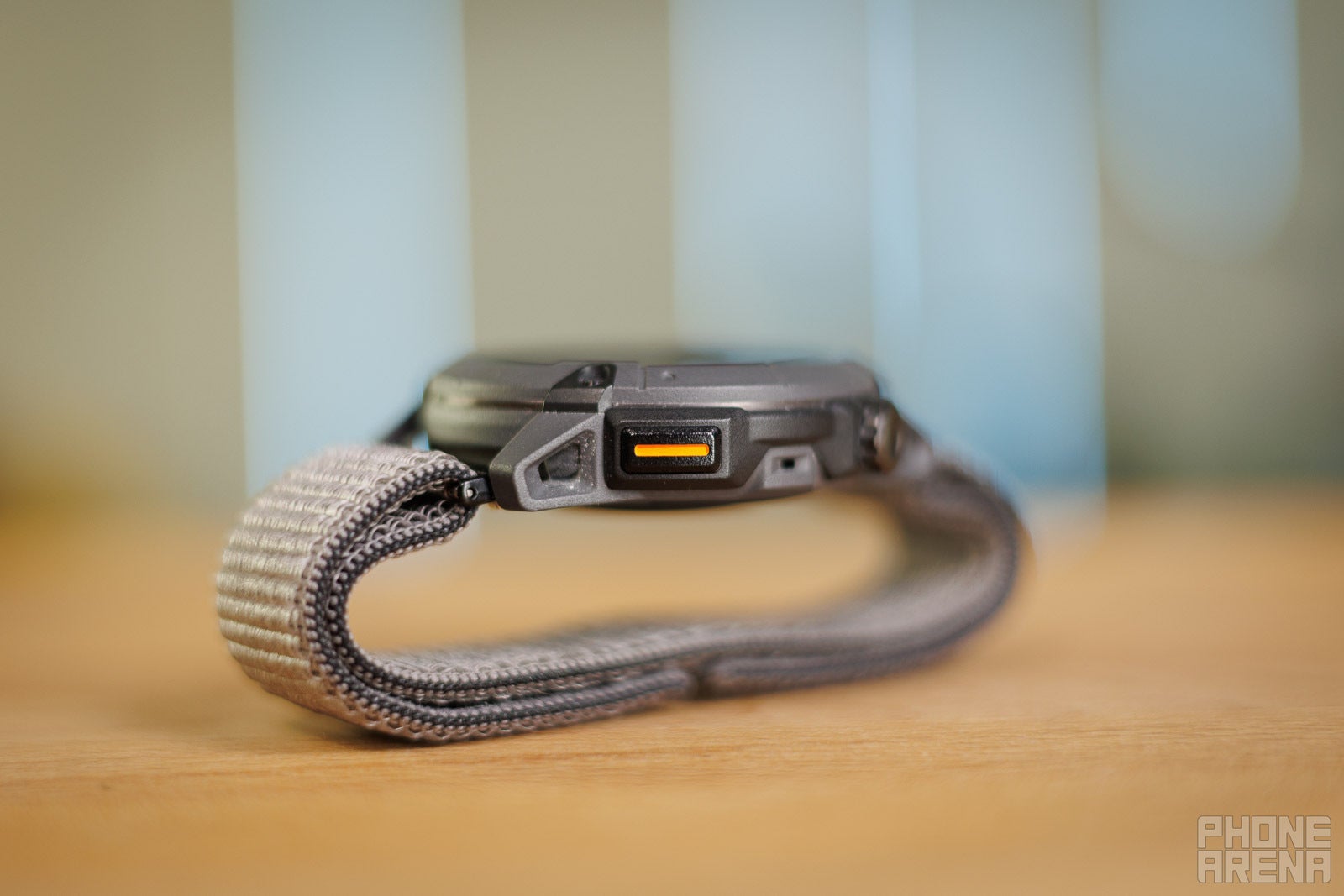
The case thickness is more substantial, but not irritating. The buttons have a satisfying click and the rotating crown works well, plus the watch responds quickly.
As for the bands, the included silicone one looked very comfortable at first, but it turned out to have one big issue. The metal part that connects the two ends touches the skin, and within a few days of using it I had a wound. I quickly replaced it with a nylon strap, and since then, thankfully, I've had no issues.
GPS and Accuracy
The GPS offers two modes: All Systems and Dual Frequency. The latter promises better accuracy in difficult environments like urban environments with tall buildings or dense forest trails.
After two months of use, I've had zero problems with the tracks. The distances measured are extremely accurate. The barometric altimeter also performs very well. I have checked the readings on routes with known elevation gain, and it has been spot on every time.
As with every watch, pace reading has a slight delay of about 10 seconds, but that’s perfectly manageable. Just keep in mind that the pace display reacts with a short lag.
User Interface: Simple and Effective
The Nomad's interface is simple, clear, and free of unnecessary visual clutter.
The default watchface is amazing. I like that it's full of useful information like weather, sunrise and sunset, sea conditions, barometric pressure, and more. And if you prefer, there are dozens of alternatives.
For the running activity screen (my main use) there are no big differences from other brands. You can customize the data fields in countless combinations.
Small Features That Make a Big Difference
A few simple but brilliantly designed features really impressed me, and if you ask me, they are better than the corresponding Garmin solutions.
For example, if you set a target pace or other intensity metric (heart rate, power, etc.), the watch gives a clear triple beep when you exceed the limit, and a double beep when you fall below it. It sounds trivial, but this Coros implementation is genius! You can run a structured workout without ever looking at the watch. Even after years with Garmin watches, I was never able to get used to the audio alerts, so the Nomad felt like a breath of fresh air.
Another great feature is the ability to open the map during an activity with a single press of the new third button on the left side. Super convenient! Previously, if you had more than two data screens, you had to scroll or click endlessly to reach the map. And now, it all happens with just a single tap.
You can't display data fields on the map screen. It's extremely useful to see your pace or another metric while navigating trails without switching screens. However, Coros is well-known for consistently adding new software features, so I'm hopeful they'll implement this sooner or later.
Maps and Navigation
The map renders quickly and smoothly. Combined with a preloaded GPX track, it becomes an indispensable tool for trail runners.
Battery Life: A Major Strength
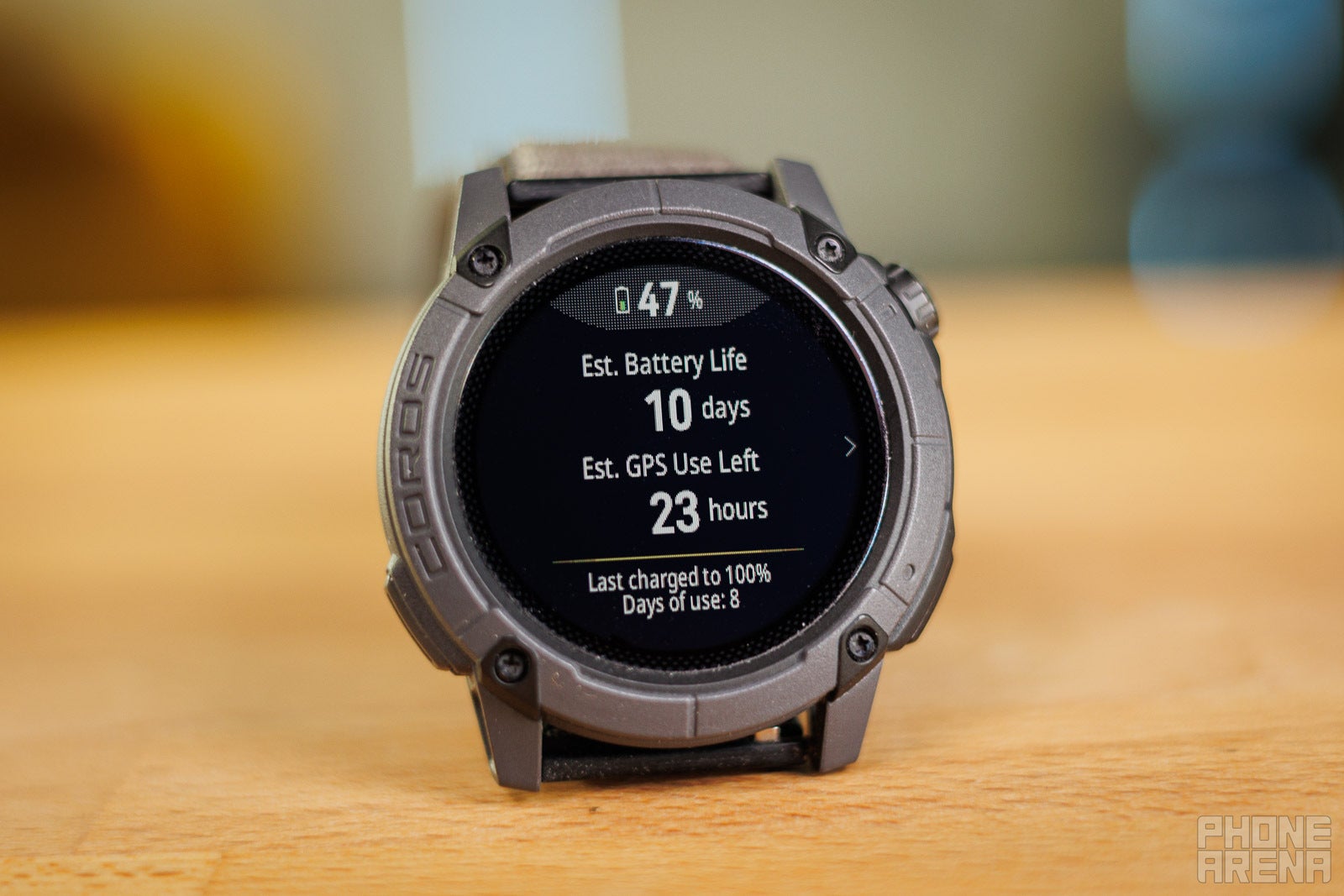
Battery life is far better than on any AMOLED watch. With my usage of 7–10 hours of sports per week, the watch lasts more than two weeks.
I haven't tested it in an ultramarathon yet, but judging by what I see, the manufacturer's specs seem accurate: • 50 hours in All Systems GPS • 34 hours in Dual Frequency
Heart Rate Sensor
The optical heart-rate sensor is disappointingly inaccurate during exercise, but that's not really bashing the Coros Nomad specifically, as that's been the case for every watch I've owned, including the Apple Watch, which is often praised for accuracy in online tests. And yes, I know how to position it correctly. This might have something to do with my physiology, as it's an issue I've encountered with so many wearables.
Fortunately, the Nomad works flawlessly with the Coros external arm sensor, which gives me reliable heart-rate data during training.
Conclusion: A Surprisingly Strong Value Choice
Me crushing an interval workout aided by the Nomad on my wrist
The Coros Nomad is an excellent budget (for its capabilities) option for hikers, runners, and athletes who like the watch's design. For the price, you get a capable, reliable device with excellent battery life. And considering Coros' history of long-term software support, it should be a dependable companion for years.
Six-month unlimited plan is now 57% off
$90
$210
$120 off (57%)
Mint Mobile is now allowing you to get whichever plan you like for either three, six, or 12 months for just $15/mo. If you go for the six-month unlimited service, for instance, you'll now have to pay just $90 upfront instead of $210.
Orhan Chakarov is PhoneArena’s longtime product photographer and device tester, known for his meticulous evaluations, clean studio work, and marathon-runner endurance that’s powered hundreds of reliable phone reviews since 2006.
COMMENTS (4)
COMMENTS (4)
All comments need to comply with our
Community Guidelines
PhoneArena Community Rules
A discussion is a place, where people can voice their opinion, no matter if it
is positive, neutral or negative. However, when posting, one must stay true to the topic, and not just share some
random thoughts, which are not directly related to the matter.
Things that are NOT allowed:
Off-topic talk - you must stick to the subject of discussion
Offensive, hate speech - if you want to say something, say it politely
Spam/Advertisements - these posts are deleted
Multiple accounts - one person can have only one account
Impersonations and offensive nicknames - these accounts get banned
To help keep our community safe and free from spam, we apply temporary limits to newly created accounts:
New accounts created within the last 24 hours may experience restrictions on how frequently they can
post or comment.
These limits are in place as a precaution and will automatically lift.
Moderation is done by humans. We try to be as objective as possible and moderate with zero bias. If you think a
post should be moderated - please, report it.
Have a question about the rules or why you have been moderated/limited/banned? Please,
contact us.

















Things that are NOT allowed:
To help keep our community safe and free from spam, we apply temporary limits to newly created accounts: