Can we stop pretending fingerprint scanners are the peak of phone security?
Every time I switch to an Android phone, I'm reminded of something that feels increasingly outdated: relying almost entirely on a fingerprint scanner for biometric security.
It might sound harsh, but after years of using 3D Face ID on iPhones, going back to a fingerprint scanner feels like a downgrade. And what's frustrating is that this isn't some weird technical limitation on Android — it's a choice that companies make consciously.
It's not like Samsung and Google cannot make a 3D Face ID system. They are simply choosing not to do that, mostly to avoid a slightly bigger punch hole. But that's a really weak trade-off.
Can you have BOTH a fingerprint reader and 3D Face ID?
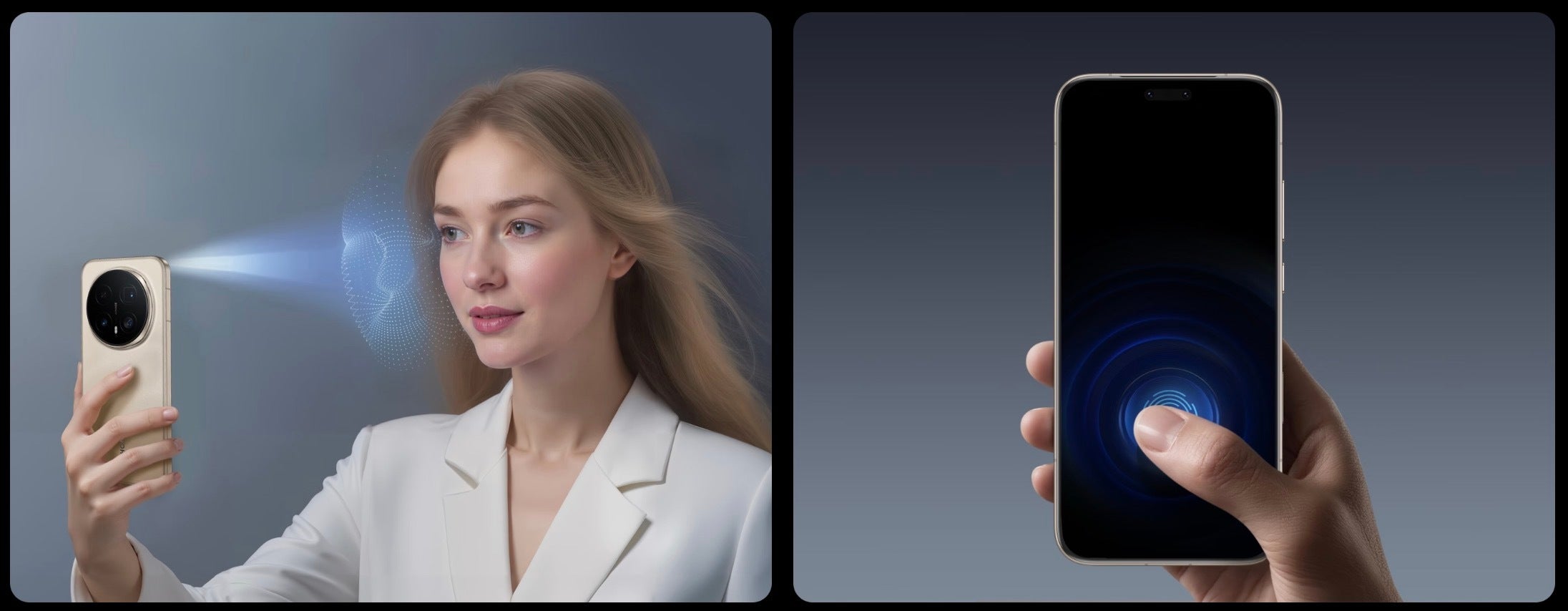
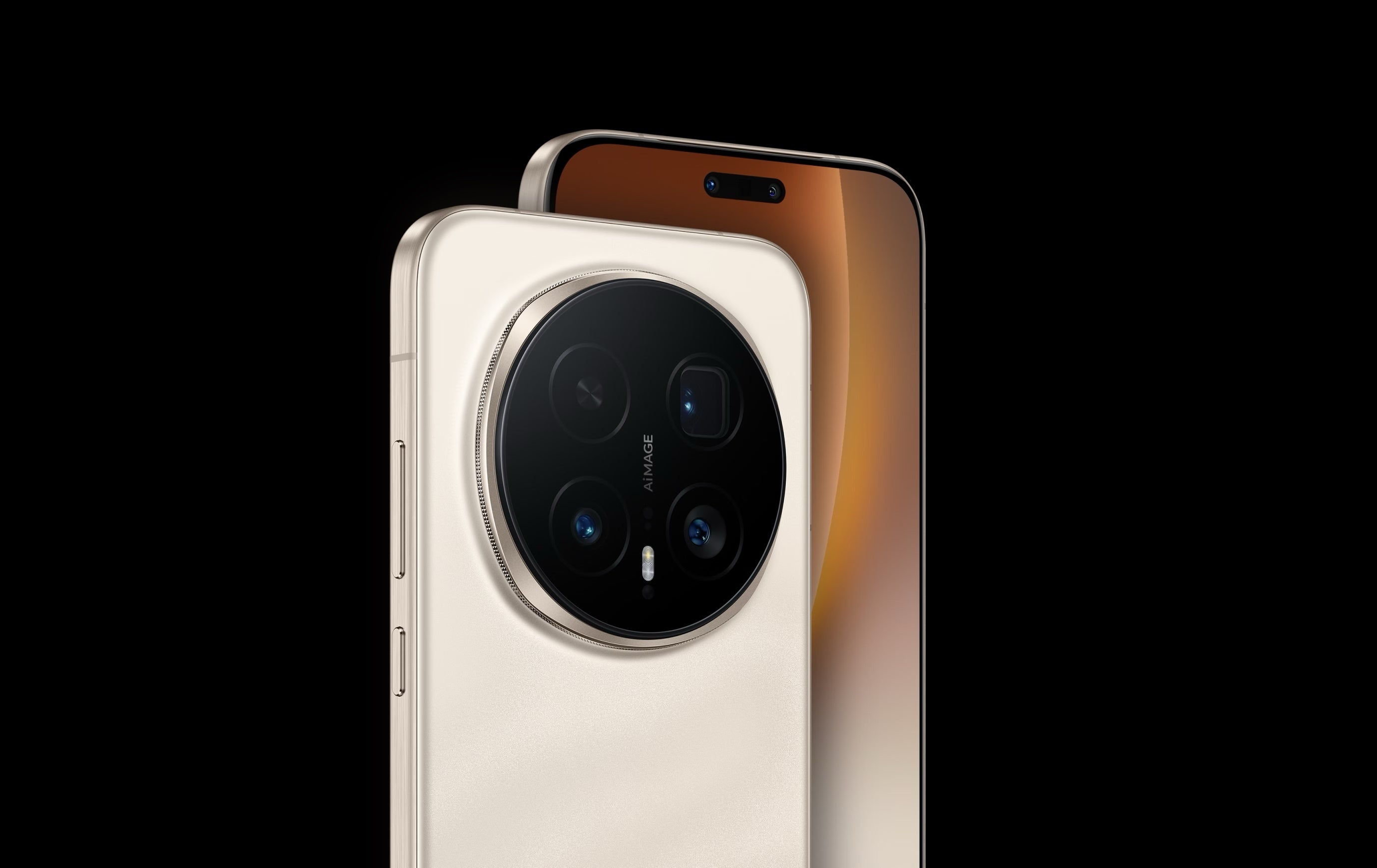
It turns out that you can have both an excellent fingerprint reader and 3D Face Unlock on an Android phone.
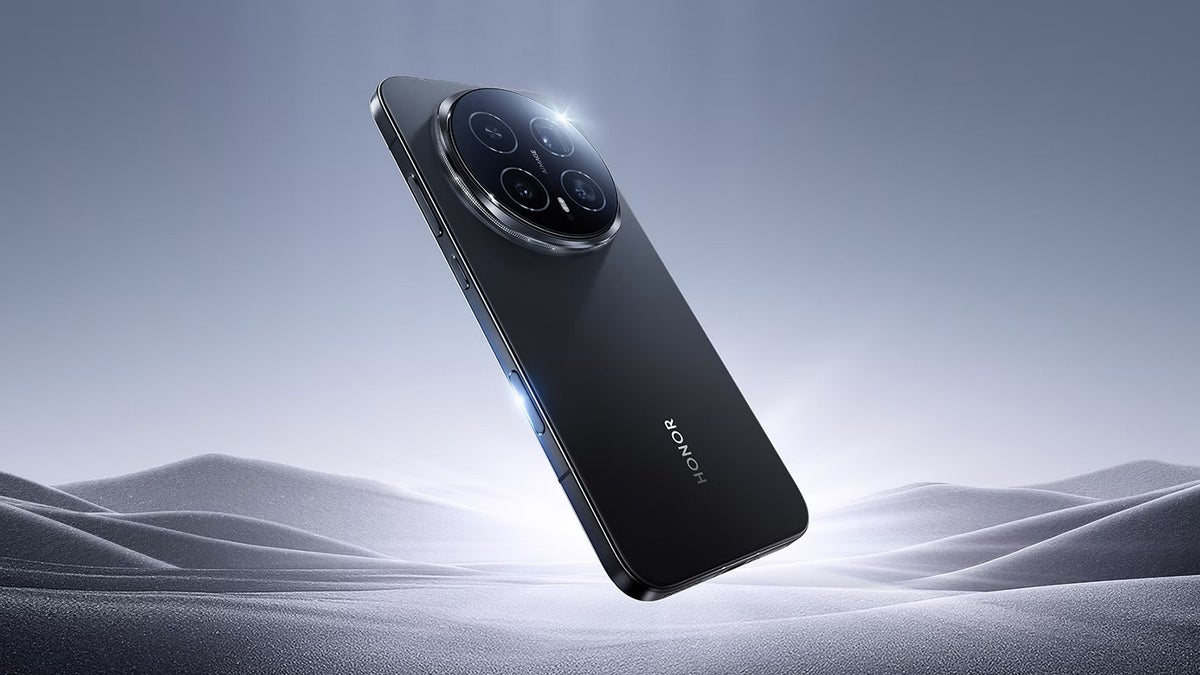
One brand, Honor, is stubbornly fighting to make this combination a standard and give Android the 3D Face Unlock it deserves.
And if you take a look at the past, you will realize that Android phones used to do this years ago. Our PhoneArena specs page leads me back to devices like the Huawei Mate 20 Pro from 2018 that has both. That was eight years ago.
And having Honor still release phones like the Magic 8 Pro proves that there are no new technical challenges today. It's still very much possible to have both a fingerprint reader and Face ID on the same Android phone.
Recommended For You
Most Android phones only have 2D Face Unlock (and that’s a problem)
The immediate counterargument I can already hear in the comments goes something like that: "but don’t we already have good face recognition on most Android phones"?
And technically that's true. We have some form face recognition, but most Android implementations rely on 2D camera images. These systems can be fooled by photos and often don't work in the dark.
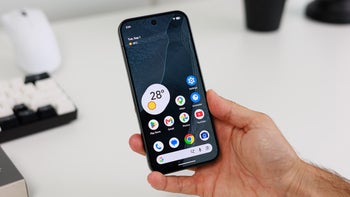
The only exception here are recent Google Pixel phones, which use machine learning to improve 2D face unlock, to the point that the system is secure enough for payments. That's impressive, but these phones still lack the depth-sensing hardware that makes 3D systems foolproof and reliable in all conditions.
Security shouldn't require choosing one convenience over another
Let me be clear: this is not an attack on fingerprint scanners.
Fingerprint unlock is fast, reliable and works well for many people. But so does face recognition. Face Unlock has its inconveniences too, especially with masks, but that's exactly why we should not have one or the other when we can have both.
This criticism is geared equally towards iPhones, which only have a Face ID system, as well as towards Android phones, which usually only have a secure fingerprint system.
In 2026, we should not have to choose between convenience and security — we should have both.
Mint Mobile's 6-month plans now cost $10/mo
$10
/mo
$35
$25 off (71%)
Mint Mobile is celebrating its 10-year anniversary with a special offer on its six-month subscription plans. For a limited time, you can get your preferred tier (6GB, 17GB, 23GB or unlimited) for just $10/mo. That saves you between 50% and 71% on the carrier's mobile plans, making it way easier to recommend.
Victor, a seasoned mobile technology expert, has spent over a decade at PhoneArena, exploring the depths of mobile photography and reviewing hundreds of smartphones across Android and iOS ecosystems. His passion for technology, coupled with his extensive knowledge of smartphone cameras and battery life, has positioned him as a leading voice in the mobile tech industry.
A discussion is a place, where people can voice their opinion, no matter if it
is positive, neutral or negative. However, when posting, one must stay true to the topic, and not just share some
random thoughts, which are not directly related to the matter.
Things that are NOT allowed:
Off-topic talk - you must stick to the subject of discussion
Offensive, hate speech - if you want to say something, say it politely
Spam/Advertisements - these posts are deleted
Multiple accounts - one person can have only one account
Impersonations and offensive nicknames - these accounts get banned
To help keep our community safe and free from spam, we apply temporary limits to newly created accounts:
New accounts created within the last 24 hours may experience restrictions on how frequently they can
post or comment.
These limits are in place as a precaution and will automatically lift.
Moderation is done by humans. We try to be as objective as possible and moderate with zero bias. If you think a
post should be moderated - please, report it.
Have a question about the rules or why you have been moderated/limited/banned? Please,
contact us.






Things that are NOT allowed:
To help keep our community safe and free from spam, we apply temporary limits to newly created accounts: