Last week, I wrote an article about Samsung's solid-state plans and the upcoming mass-produced "dream" battery that could power the next Galaxy phone as early as 2027. Now it turns out the one U.S. company has an answer to Samsung's challenge. And it could potentially benefit your future iPhone.
Group14's BAM2 factory in Moses Lake, WA, the world’s largest factory for advanced silicon battery materials. | Image by Group14
Shortly after I published the Samsung article, I was contacted by one of the board members of a company called Group14 Technologies. Gerry Langeler, who is Managing Director at OVP Partners, shared some very interesting insights with PhoneArena in an email.
Group14 Technologies is an American company based in Woodinville, Washington. It was founded back in 2015 and specializes in developing advanced silicon-carbon composite anode materials. In fact, the company is a leader in the field of silicon-carbon battery technology, and some of the successful implementation of the company's patented SCC55 anode material may surprise you.
The first silicon-carbon battery in a commercial smartphone was American
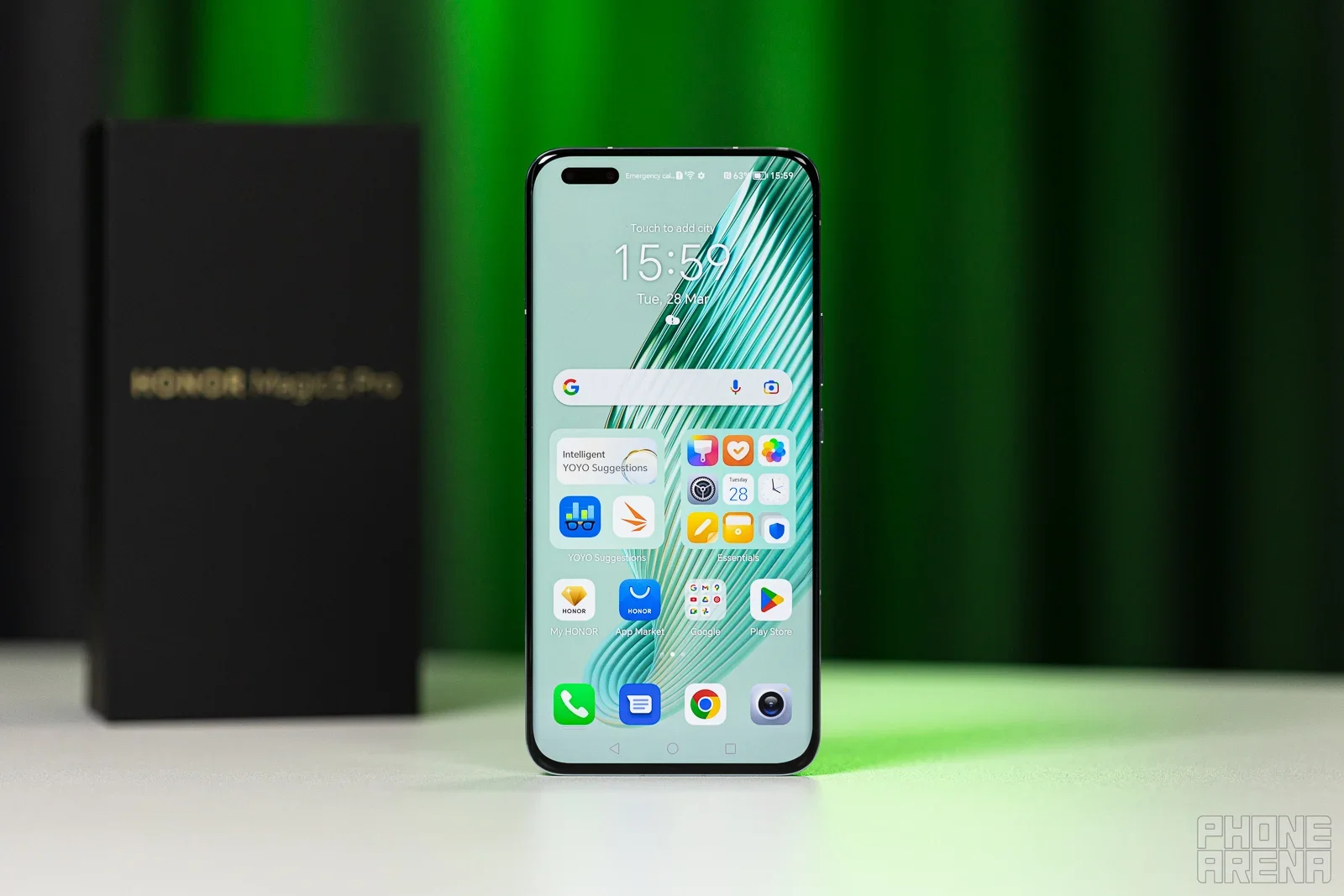
The Honor Magic 5 Pro has Group14 battery tech inside. | Image by PhoneArena
Remember how Honor boasted about the first silicon-carbon battery in a commercial smartphone back when the Honor Magic 5 Pro launched in China? Surprise, it was Group14's doing. That's a huge turnaround.
For the longest time we thought that Chinese innovation was in the heart of the next battery revolution and lamented the slow pace US companies were moving at. Now it turns out over 25 million smartphones in China use Group14's silicon-carbon tech.
Recommended For You
The company has many "firsts in the world," including the first AI smartphone with a silicon carbon battery (Honor Magic7 Pro), the first eVTOL to use silicon carbon batteries (Archer Midnight), the first hyper car to use silicon carbon batteries (McMurtry Spéirling Pure), and the first heavy lift drone to use silicon carbon batteries (Flying Basket), the list goes on and on and even includes AI data centers, e-bikes, and robots.
Samsung solid-state vs Group14 silicon carbon, who wins?
44 Votes
Group14 silicon-carbon batteries are ready to challenge Samsung's "dream" solid-state cells
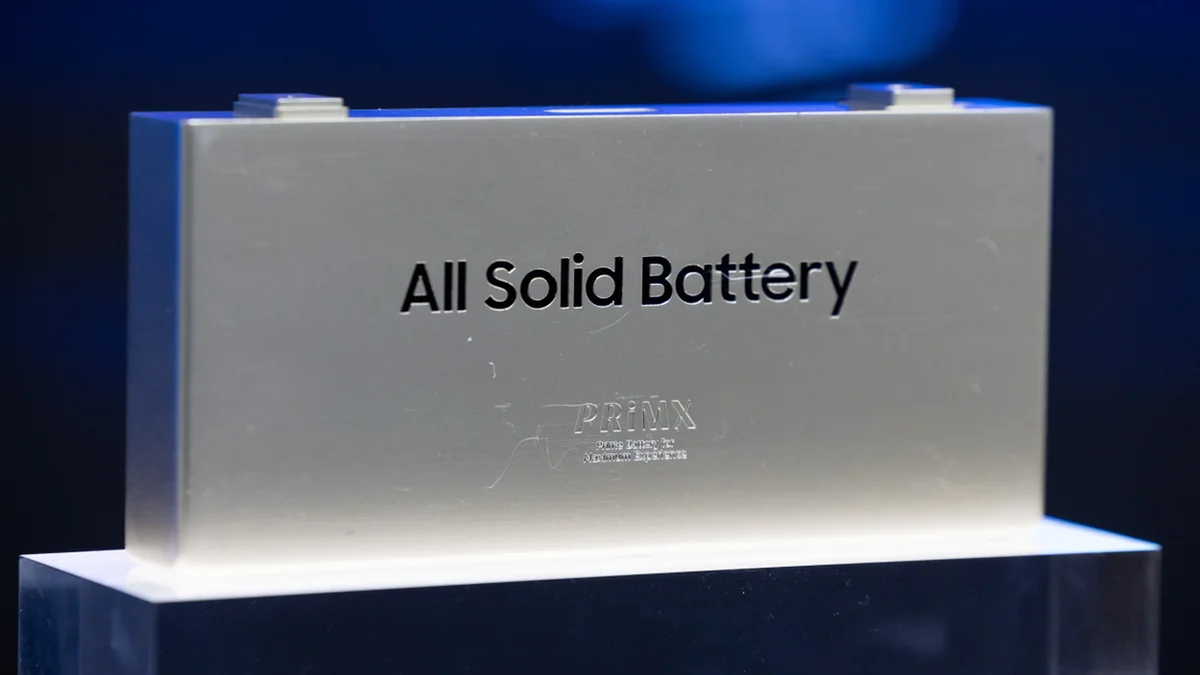
Samsung's all solid-state batteries have a serious competitor. | Image by Samsung
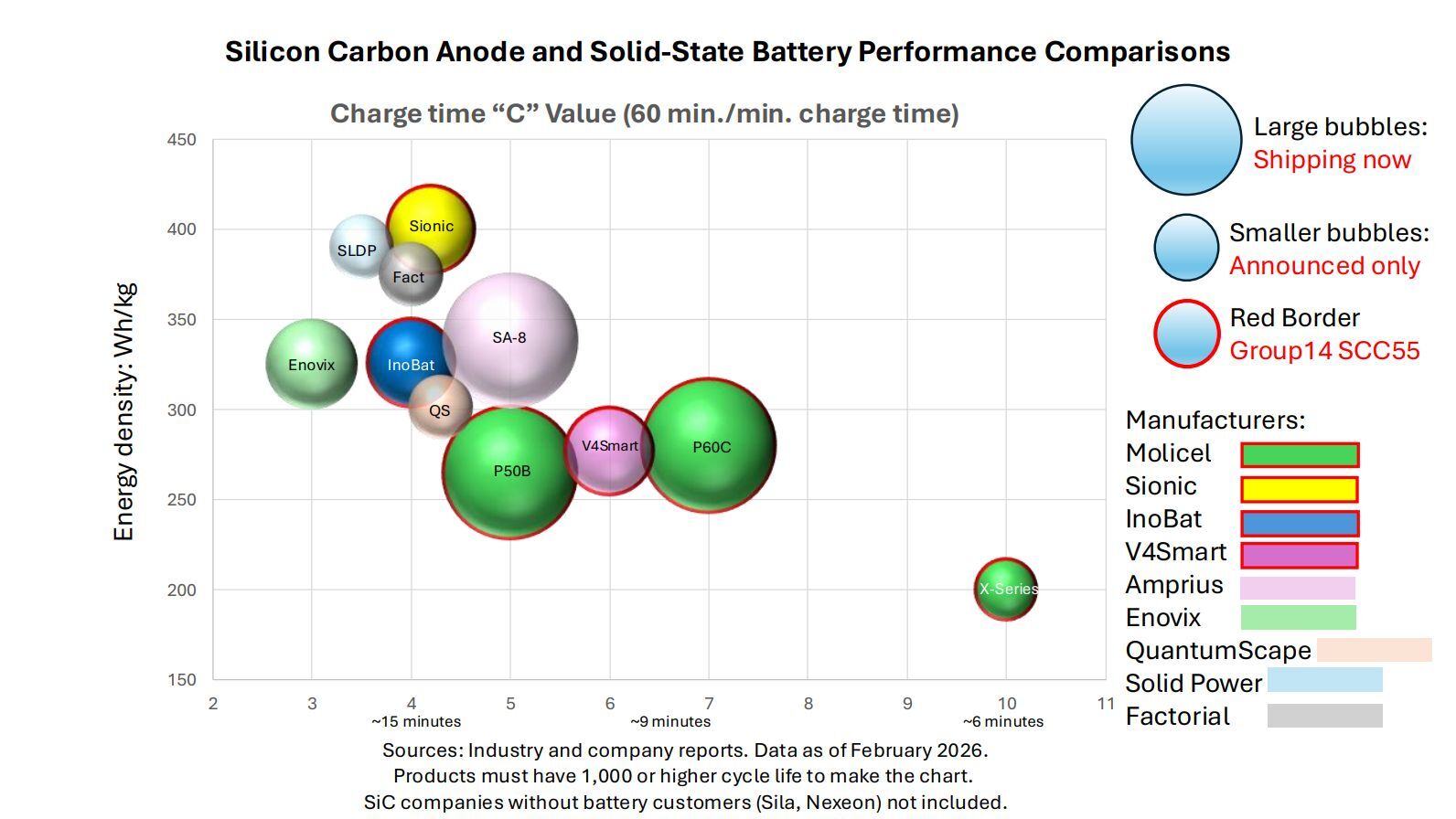
Gerry was kind enough to send my way a bunch of documents, including a visual comparison between the company's silicon-carbon batteries and the current solid-state competitors.
Data from Sionic showed 400 Wh/kg, 1,000 Wh/l with cycle life above 1,000 for a 100% silicon anode material battery.
Group14, May 28, 2026
Remember Donut Lab and the their solid-state claim for a 400 Wh/kg battery that charges in minutes? Those claims were debunked lately, but apparently Group14 is already there in terms of energy density. Sionic, one of the company's clients, reports 400 Wh/kg energy density and cycle life "above 1000 cycles."
Visual comparison between Group14's silicon-carbon batteries and the current solid-state competitors. | Image by Group14 Technologies
As you can see from the comparison graph above batteries with Group14 tech on board perform on par with most solid-state players out there. Some, like Sionic, even lead the pack.
What's worth mentioning is solid-state innovators such as QuantumScape, Factorial, and SolidPower don't have mass-produced, commercially available products yet.
Actual data from twenty Group14 customers showed 1,500 to 3,000 cycles (retaining 80% of the original charge capacity) well above the former 1,000 cycle industry benchmark for viable commercial products.
Could Apple use Group14's battery tech inside the next iPhone?
The iPhone 18 will most likely sport a conventional battery, but what about the iPhone 20? | Image by Jon Rettinger
That's another very interesting question. PhoneArena has reached out to Gerry Langeler asking whether Apple or Google has shown any interest in a potential deal, but we're still waiting for an answer on that. Don't get your hopes too high, because information on such deals or even potential approaches is highly confidential, as they can sway things like stock prices and create a competitive advantage.
However, given Group14's US origin and position as a leader on the silicon-carbon battery scene, I strongly believe such talks had already happened. Earlier leaks suggested Apple could use a silicon-carbon battery in its iPhone 18 series, but it later turned out the next iPhones will most likely use conventional lithium-ion cells.
This could mean that a deal is already in place, but logistics and the manufacturing schedule might be delaying the first silicon-carbon iPhone. Apple is skipping a number and going to the iPhone 20 series to celebrate its 20th anniversary in 2027. What a better way to celebrate than to equip the series with an American silicon-carbon battery?
Mint Mobile's 6-month plans now cost $10/mo
$10
/mo
$35
$25 off (71%)
Mint Mobile is celebrating its 10-year anniversary with a special offer on its six-month subscription plans. For a limited time, you can get your preferred tier (6GB, 17GB, 23GB or unlimited) for just $10/mo. That saves you between 50% and 71% on the carrier's mobile plans, making it way easier to recommend.
Mariyan, a tech enthusiast with a background in Nuclear Physics and Journalism, brings a unique perspective to PhoneArena. His childhood curiosity for gadgets evolved into a professional passion for technology, leading him to the role of Editor-in-Chief at PCWorld Bulgaria before joining PhoneArena. Mariyan's interests range from mainstream Android and iPhone debates to fringe technologies like graphene batteries and nanotechnology. Off-duty, he enjoys playing his electric guitar, practicing Japanese, and revisiting his love for video games and Haruki Murakami's works.
A discussion is a place, where people can voice their opinion, no matter if it
is positive, neutral or negative. However, when posting, one must stay true to the topic, and not just share some
random thoughts, which are not directly related to the matter.
Things that are NOT allowed:
Off-topic talk - you must stick to the subject of discussion
Offensive, hate speech - if you want to say something, say it politely
Spam/Advertisements - these posts are deleted
Multiple accounts - one person can have only one account
Impersonations and offensive nicknames - these accounts get banned
To help keep our community safe and free from spam, we apply temporary limits to newly created accounts:
New accounts created within the last 24 hours may experience restrictions on how frequently they can
post or comment.
These limits are in place as a precaution and will automatically lift.
Moderation is done by humans. We try to be as objective as possible and moderate with zero bias. If you think a
post should be moderated - please, report it.
Have a question about the rules or why you have been moderated/limited/banned? Please,
contact us.






Things that are NOT allowed:
To help keep our community safe and free from spam, we apply temporary limits to newly created accounts: