We all know that batteries are holding us back. The lithium-ion technology dates back to the 1960s, and even today we struggle to make our smartphones last more than a day. Enter solid-state tech. This battery technology uses solid material as an electrolyte and promises higher capacities and faster charging times.
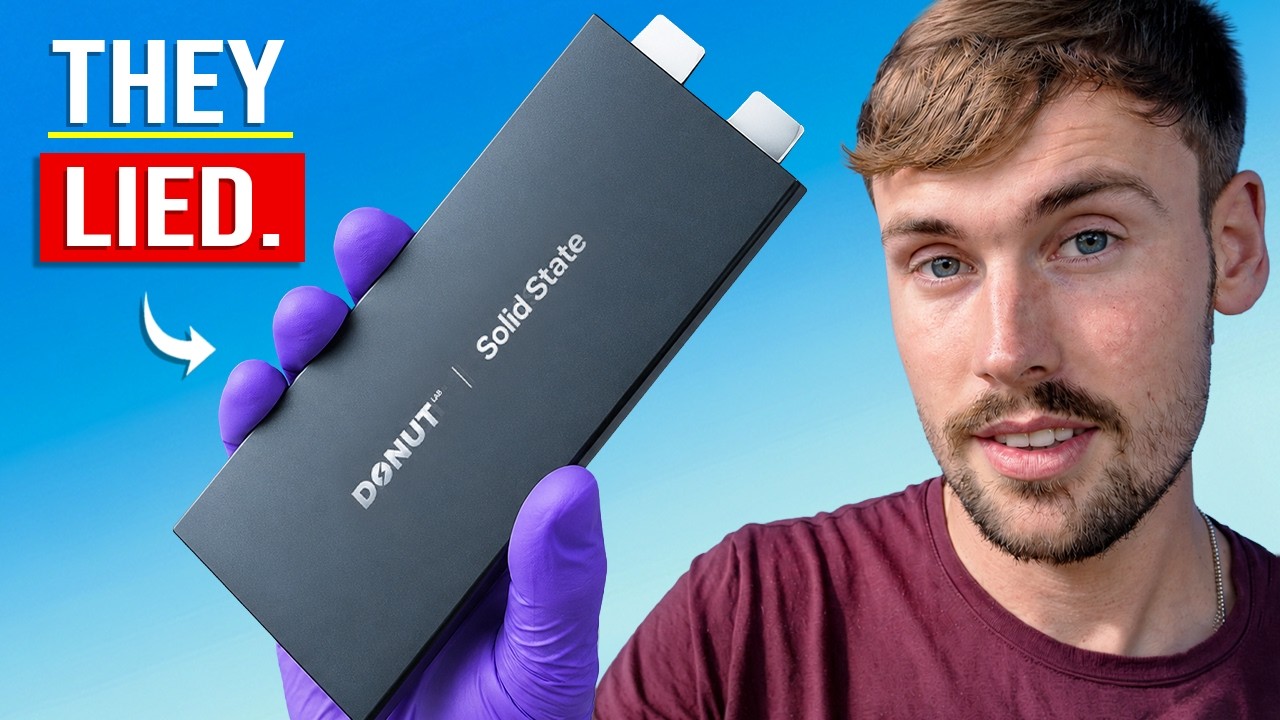
One big potential pioneer in the field — Donut Lab — just got busted. It turns out the miracle solid-state battery the company showed earlier this year is just a regular lithium-ion cell packed in an enclosure of fairy dust and promises. But first, a bit of backstory.
The Donut Lab battery — how it all started
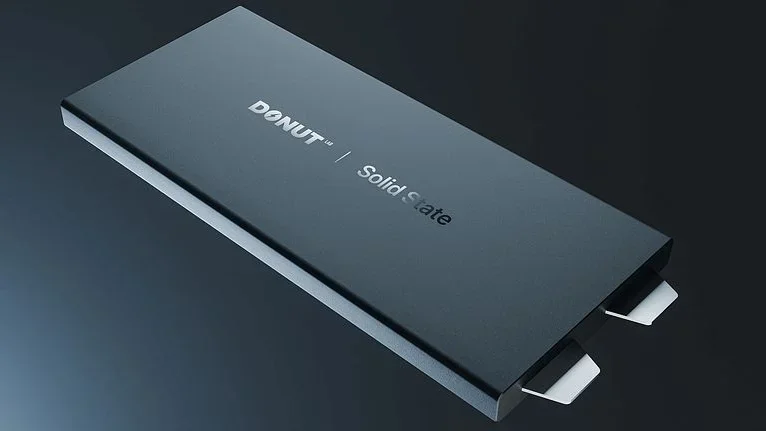
Donut Lab promised a 400 Wh/kg solid-state battery ready for mass production. | Image by Donut Lab
Back in January, Donut Lab showed up at CES, claiming the company cracked the solid-state battery tech. Their cell supposedly delivered 400 Wh/kg capacity, charged in less than 10 minutes, and was ready for mass production at a price similar to conventional lithium-ion batteries.
Donut even partnered with Verge to offer a small batch of electric motorcycles equipped with the new battery. It all sounded too good to be true. Now the bubble has finally burst.
Independent battery researcher uncovered the truth
Since the announcement in January, many tech experts, media outlets, and journalists in the field of battery technology have been following closely Donut.
Recommended For You
The company published a series of independent tests carried out by the VTT Research Center in Finland, but the design of the tests was such that none were able to prove the 400 Wh/kg energy density and the 100,000-cycle life claims.
Yesterday, the battery researcher Ziroth published on YouTube a comprehensive investigation involving over 20 independent battery experts, along with documents, test results, and NDAs (non-disclosure agreements), all pointing toward a regular lithium-ion battery.
How long should a smartphone last on a single charge?
88 Votes
The evidence
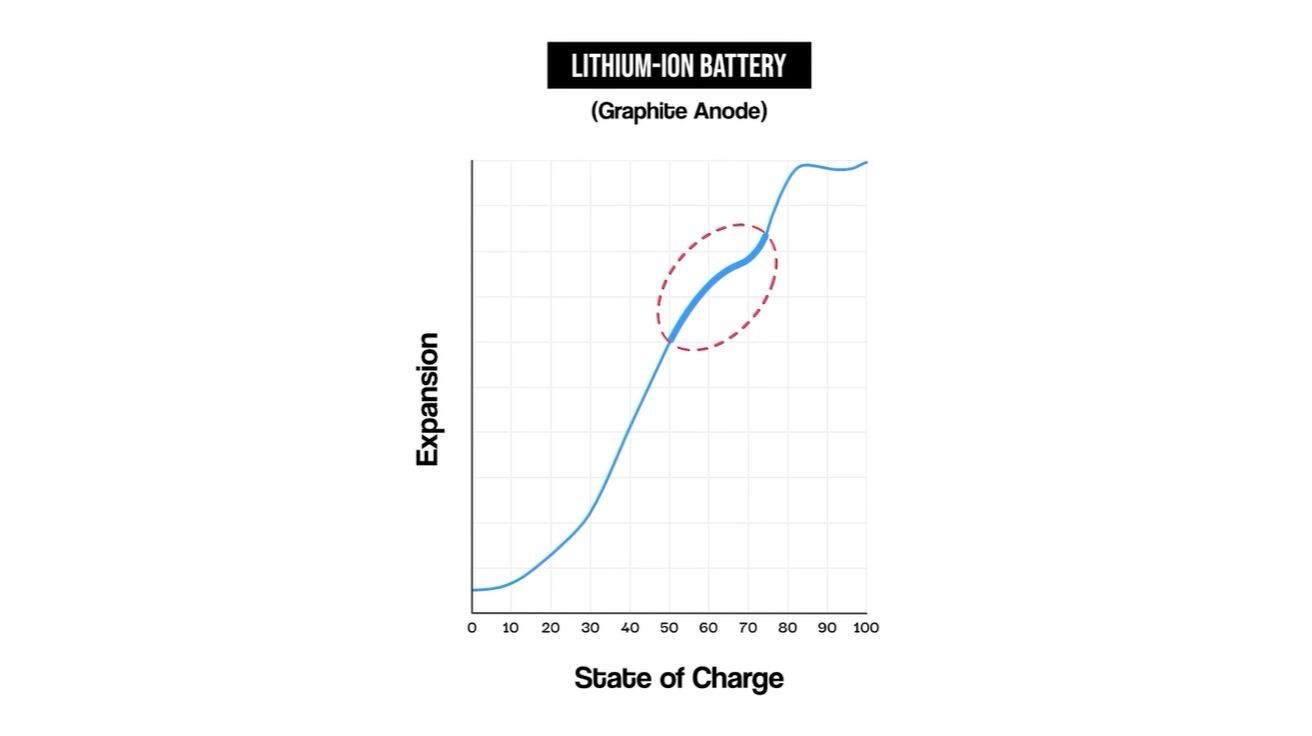
Lithium-ion batteries have a very specific kink in their expansion curves. | Image by Ziroth
Ziroth's investigation involved battery tech experts Julian Zanau from the Fraunhofer Research Institute, Dr. Yahim San from Justus-Liebig University, Tom Bicha from Leona, and Dr. Yuo Hesca from Seinäjoki University of Applied Sciences, among many others.
The evidence lies in the chemistry itself and the results from the VTT tests. The voltage curves during these tests correspond with high-nickel lithium-ion cells (NCM chemistry).
During charging, the Donut Lab battery showed a steady voltage of 3.7-3.8 volts, the exact window of operation of lithium-ion batteries.
The second important piece of evidence concerns cell expansion data. When ions gather at the anode during charging, the battery expands. The exact pattern of expansion is like a fingerprint. At around 50-70% charge, there's a certain anomaly in the expansion curve data, caused by ions reordering themselves in the anode. This "kink" in the data is exactly the same as the expansion curve of a lithium-ion cell.
Furthermore, Ziroth and the experts have calculated the energy density from all the data provided from the five VTT tests, and it sits at around 298 Wh/kg, the upper limits of conventional lithium-ion cells, far from the claimed 400 Wh/kg.
A web of companies behind a $25 million scheme
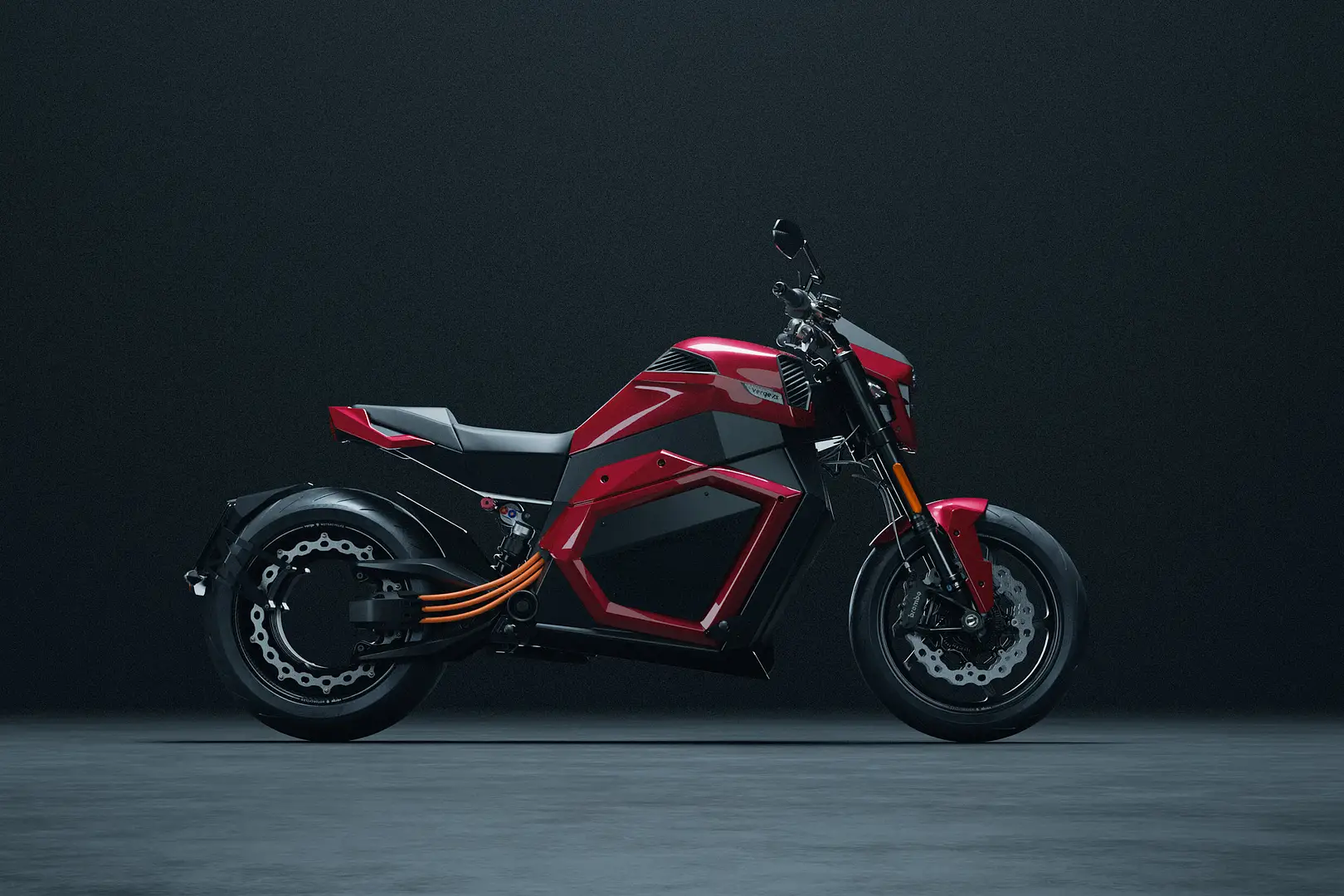
Verge motorcycles never received the 400 Wh/kg batteries. | Image by Verge Motorcycles
The Ziroth investigation traces back the actual battery to a German company called CT Coatings. This company has a bunch of patents in the screen printing area — including screen-printed paving slabs, menu folders, and warning triangles.
Apparently, CT Coatings promised Donut Lab a screen-printed sodium-based solid-state battery but in the end delivered a conventional lithium-ion cell.
Leaked emails showed Donut Lab asking CT Coatings about proof that they can produce the required solid-state battery. Apparently, no proof was ever provided.
The Verge motorcycle company was the tip of the iceberg. The company was supposed to be used as a testbed for the new battery, with production units shipped to customers in Q1, 2026.
After Donut revealed its miracle battery, Verge Motorcycles' valuation rose through the roof to "half a billion euro," subsequently bloating even further to $1.25 billion after the CES presentation.
Since the start of this saga, Donut has raised over $25 million from over 1,300 small investors, each contributing between $3,000 and $23,000 mainly through Finland’s Springvest platform. That's regular folks' money.
Finnish financial authorities and criminal authorities are reportedly investigating the matter as we type this.
The end of the solid-state smartphone battery dream?
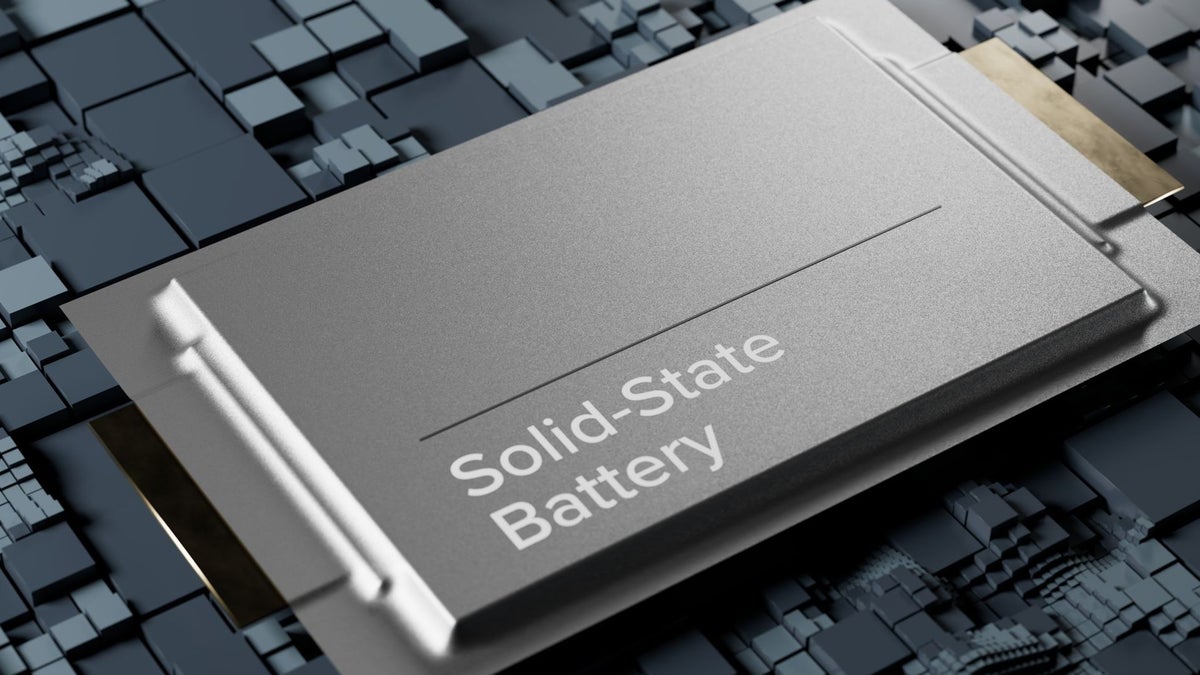
The solid-state battery dream is not dead yet. | Image by PixaBay
Even though the situation surrounding Donut and its solid-state battery is disappointing, to say the least, the dream is not dead.
Unlike Donut, CATL provides all the necessary scientific data to back its claims, so there's hope for solid-state batteries after all. That five-day battery life Galaxy smartphone might not be that far ahead after all.
Tello Halloween Promo: $10GB for $10/mo
Don’t miss this scary-good deal: 10 GB for $10/mo. Save $5/mo for your first 3 months. Offer valid now through November 9, 2026.
Mariyan, a tech enthusiast with a background in Nuclear Physics and Journalism, brings a unique perspective to PhoneArena. His childhood curiosity for gadgets evolved into a professional passion for technology, leading him to the role of Editor-in-Chief at PCWorld Bulgaria before joining PhoneArena. Mariyan's interests range from mainstream Android and iPhone debates to fringe technologies like graphene batteries and nanotechnology. Off-duty, he enjoys playing his electric guitar, practicing Japanese, and revisiting his love for video games and Haruki Murakami's works.
A discussion is a place, where people can voice their opinion, no matter if it
is positive, neutral or negative. However, when posting, one must stay true to the topic, and not just share some
random thoughts, which are not directly related to the matter.
Things that are NOT allowed:
Off-topic talk - you must stick to the subject of discussion
Offensive, hate speech - if you want to say something, say it politely
Spam/Advertisements - these posts are deleted
Multiple accounts - one person can have only one account
Impersonations and offensive nicknames - these accounts get banned
To help keep our community safe and free from spam, we apply temporary limits to newly created accounts:
New accounts created within the last 24 hours may experience restrictions on how frequently they can
post or comment.
These limits are in place as a precaution and will automatically lift.
Moderation is done by humans. We try to be as objective as possible and moderate with zero bias. If you think a
post should be moderated - please, report it.
Have a question about the rules or why you have been moderated/limited/banned? Please,
contact us.














Things that are NOT allowed:
To help keep our community safe and free from spam, we apply temporary limits to newly created accounts: