Editorials · Insider Reaction
The Galaxy S26 Ultra might be the only affordable flagship of 2026
With Apple's prices possibly climbing, Samsung's stagnation is actually a strategy.
This article may contain personal views and opinion from the author.
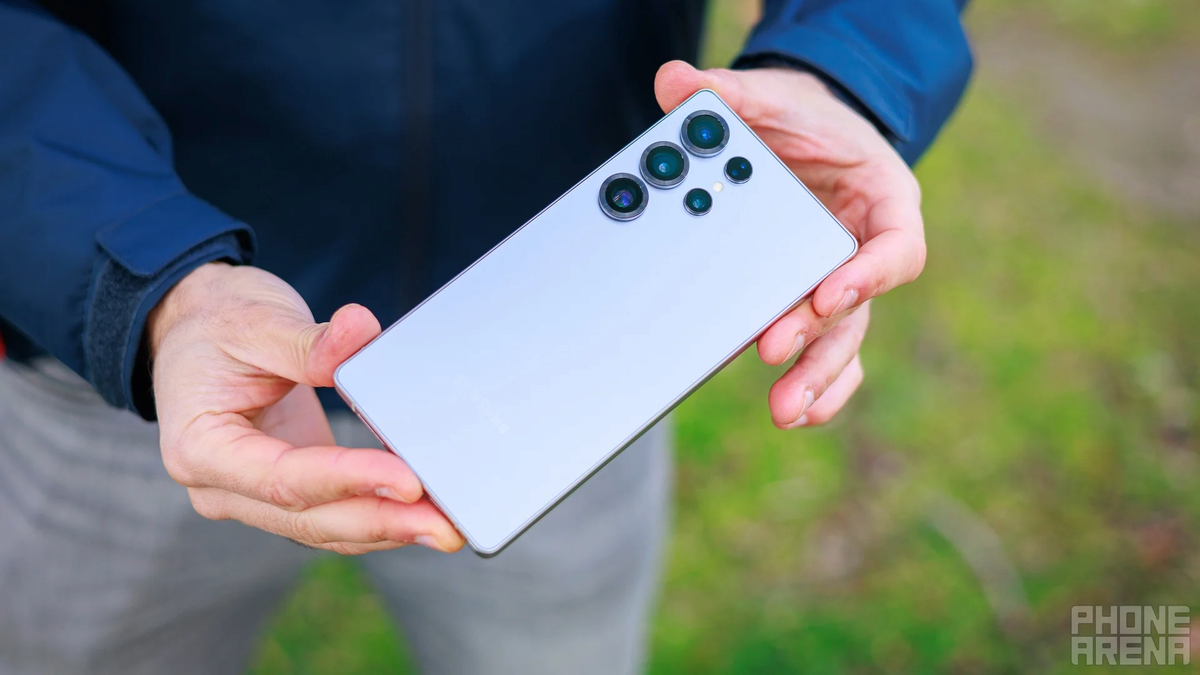
Galaxy S25 Ultra. | Image credit – PhoneArena
Same price, same look, different year?
According to a new report, Samsung is planning to freeze the launch prices for the Galaxy S26 series, mirroring the pricing structure we’ve seen since the Galaxy S23. If this holds true, we are likely looking at a starting price of around $799 for the base model, $999 for the Plus, and $1,299 for the Ultra.
According to Korean media reports:
— Ice Universe (@UniverseIce) January 1, 2026
Samsung has decided to keep the prices of the Galaxy S26 series and Galaxy Z Fold8 / Flip8 unchanged, with no price increase planned for July.
In addition, the Samsung Galaxy S26 series will be unveiled on February 25 in San Francisco, USA,…
Why freezing the price is actually a power move
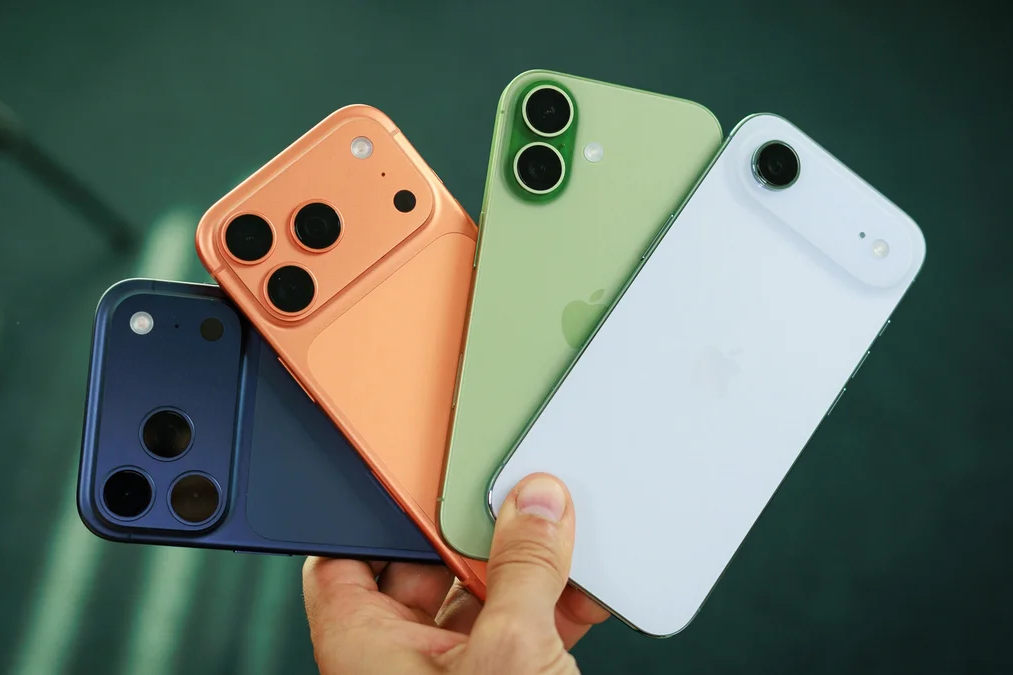
iPhone 17 Series. | Image credit — PhoneArena
Context is everything, and the context for 2026 is expensive. We recently reported on a looming RAM shortage and a general hike in component costs that is expected to force the hand of many smartphone manufacturers this year. When the cost of memory and processors goes up, that expense is usually passed directly to you, the buyer.
If other OEMs are forced to raise their prices just to maintain their margins, Samsung managing to eat those costs and keep the price tag steady is actually a significant aggressive strategy. It positions the Galaxy S26 as a safe harbor in a storm of price hikes.
Then there is the elephant in the room: Apple.
The rumor mill suggests Apple is about to shake up its release schedule in a way that could leave a massive gap in the market. Current reports indicate that the standard iPhone 18 might be delayed until Spring 2027, leaving only the iPhone 18 Pro, Pro Max, and a potentially ultra-expensive "iPhone Fold" for the late 2026 release window.
If Apple’s fall lineup consists exclusively of premium-tier devices with price tags to match, Samsung’s decision to keep the standard S26 and S26 Plus at accessible price points looks less like "stagnation" and more like a tactical checkmate. If you want a 2026 flagship but don't want to spend Pro-level money, Samsung might be the only game in town.
Then there is the elephant in the room: Apple.
The rumor mill suggests Apple is about to shake up its release schedule in a way that could leave a massive gap in the market. Current reports indicate that the standard iPhone 18 might be delayed until Spring 2027, leaving only the iPhone 18 Pro, Pro Max, and a potentially ultra-expensive "iPhone Fold" for the late 2026 release window.
If Apple’s fall lineup consists exclusively of premium-tier devices with price tags to match, Samsung’s decision to keep the standard S26 and S26 Plus at accessible price points looks less like "stagnation" and more like a tactical checkmate. If you want a 2026 flagship but don't want to spend Pro-level money, Samsung might be the only game in town.
Does a lack of design changes stop you from upgrading if the specs are better?
181 Votes
Yes, I want my new phone to look new.
14.36%
No, I only care about performance and cameras.
40.88%
It depends on the price.
17.13%
I keep my phone in a case anyway, so it doesn't matter.
27.62%
Innovation isn't just about a new coat of paint
Now, let's address the "lack of innovation" complaint. It is easy to look at a phone that physically resembles its predecessor and assume nothing has changed, but that is rarely the whole story.
While the chassis might be familiar, leaks regarding the Galaxy S26 Ultra suggest there is plenty going on under the hood. We aren't just talking about a minor speed bump. We are looking at potential upgrades that fundamentally change how you use the device.
What’s actually new?
If the recent leak of 10 major upgrades for the S26 Ultra is accurate, we are looking at significant improvements in areas that actually impact daily use:
- Next-gen telephoto cameras: Better zoom is always a win, especially if they improve low-light performance.
- Processor efficiency: The new chipsets aren't just faster; they are rumored to be much more power-efficient, which addresses the battery anxiety we all live with.
- Display tech: Brighter screens with better efficiency are a "boring" spec on paper but a massive quality-of-life upgrade in direct sunlight.
Are these upgrades "sexy"? Maybe not in the way a folding screen or a transparent back is. But they are practical. Calling the device "the same" because the camera bump hasn't moved ignores the engineering gymnastics required to make those cameras better without making the phone thicker or more expensive.
My take: Stability is underrated
I’ll be honest: I love a wild, futuristic design as much as the next tech enthusiast. But as someone who writes about these devices every day, I have come to appreciate reliability.
There is a reason car manufacturers don't redesign the wheel every year. If you have a formula that works—ergonomically and functionally—you refine it; you don't reinvent it just for the sake of headlines. Samsung has found a design identity that works.
Would I prefer a fresh look? Sure. But would I trade that fresh look for a $100 price hike? Absolutely not.
If I were sitting on a Galaxy S24 or older, the S26 is looking like a fantastic upgrade. You get four years of internal refinements, a better camera system, and a more efficient battery, all for the same price your current phone launched at.
However, if you bought the S25 last year, this probably isn't for you—and that is okay. Phones have plateaued to the point where annual upgrades are rarely necessary. But for the person walking into a carrier store with a cracked S22 looking for a replacement, Samsung offering a cutting-edge 2026 device at 2023 prices is a win, regardless of whether the camera lenses are arranged vertically or horizontally.
With Apple potentially vacating the sub-$1000 flagship space later this year, Samsung isn't just resting on its laurels; it’s fortifying its position. And frankly, in an economy where everything else is getting more expensive, I’ll take "boring" stable pricing over "exciting" inflation any day.
There is a reason car manufacturers don't redesign the wheel every year. If you have a formula that works—ergonomically and functionally—you refine it; you don't reinvent it just for the sake of headlines. Samsung has found a design identity that works.
If I were sitting on a Galaxy S24 or older, the S26 is looking like a fantastic upgrade. You get four years of internal refinements, a better camera system, and a more efficient battery, all for the same price your current phone launched at.
However, if you bought the S25 last year, this probably isn't for you—and that is okay. Phones have plateaued to the point where annual upgrades are rarely necessary. But for the person walking into a carrier store with a cracked S22 looking for a replacement, Samsung offering a cutting-edge 2026 device at 2023 prices is a win, regardless of whether the camera lenses are arranged vertically or horizontally.


Popular stories
Latest News
Things that are NOT allowed:
To help keep our community safe and free from spam, we apply temporary limits to newly created accounts: