By now, you've surely heard of the RAM crisis and the overall picture isn't too optimistic: data centers and AI projects are inhaling memory chips, which could soon lead to price hikes on smartphones and tablets.
It's not just phone makers that are in trouble: telecom operators also face poorer device sales… which leads to a slow 5G adoption across the world.
4G still dominates
Image by PhoneArena
We're talking about 6G nowadays, or 5G-Advanced at least (that's the step between 5G and 6G connectivity), but the truth is that billions of users are nowhere near 5G yet. 4G remains king in terms of sheer user numbers.
Some people don't shop online, and they just go to their telco's brick and mortar for a new phone. If the representatives there have a bit of luck, they can sell a 5G phone (it doesn't have to be a flagship). The current reality is that higher memory prices translate directly into more expensive devices.
That pressure is already showing up in shipment forecasts, a report by Light Reading reads. Industry analysts have recently projected a 2.1% decline in global smartphone shipments in 2026, warning that memory prices could rise another 40% through the second quarter of 2026. As a result, bills of materials are expected to climb between 8% and more than 15% above already elevated levels.
Recommended For You
The impact is uneven across the market. While leading vendors such as Apple and Samsung are expected to see shipment declines of just over 2%, lower-end Chinese OEMs are facing steeper cost increases.
Where do you get your phones from?
81 Votes
I shop strictly online.
55.56%
I might go to a physical store.
33.33%
Offline only.
11.11%
The telcos' road obstacles
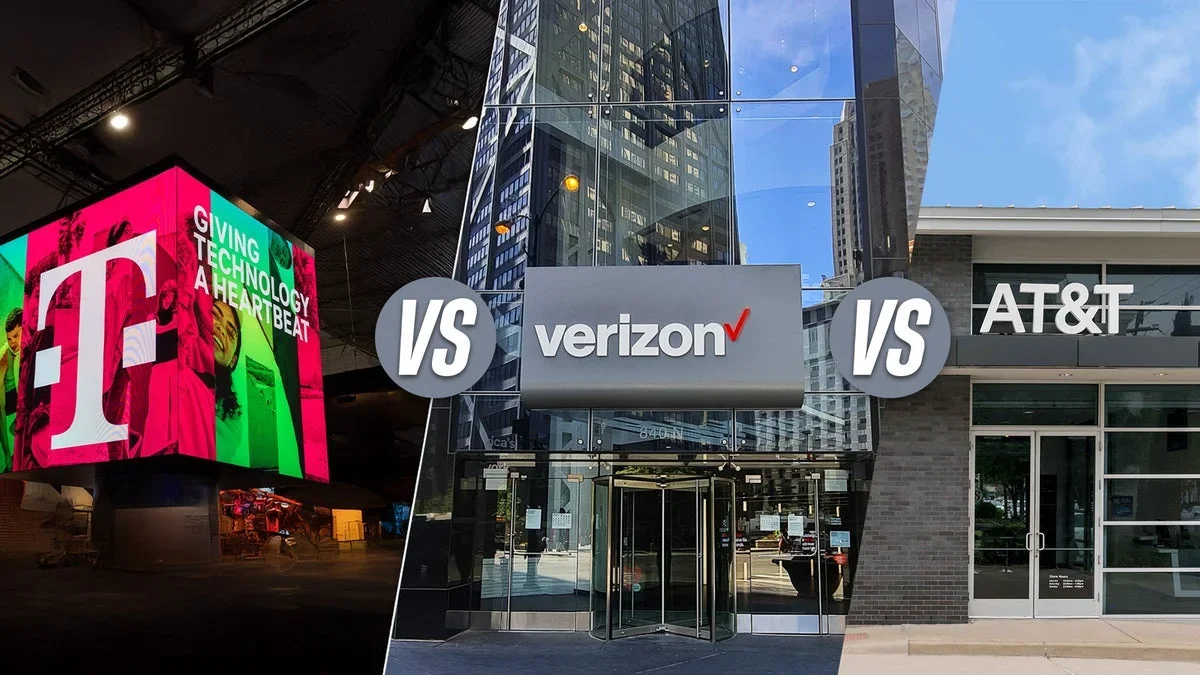
For telcos like T-Mobile, Verizon and AT&T, rising device prices are an indirect risk, but a meaningful one nonetheless.
Hardware sales have always been a bit of a rollercoaster, rising and falling with new launches and marketing pushes, but they still matter. Even for big operators like AT&T, devices bring in about 6% of total revenue. For smaller telcos, the stakes are much higher. Hong Kong's SmarTone, for instance, made nearly 29% of its revenue from selling devices last year.
Hence, slower demand for new phones could also put the brakes on 5G adoption. While 5G has not lived up to the early hype and has lately taken a back seat to the industry's AI obsession, there is still plenty of room to grow. The latest Ericsson Mobility Report indicates that 5G makes up around 2.9 billion of the world's 7.4 billion smartphone subscriptions, meaning a huge number of users have yet to make the jump.
Everything's connected
Phone sales and 5G upgrades may no longer be the main growth engines, but they still help keep the numbers in check for telcos. For both operators and device makers, pricier phones are shaping up to be a slow but steady drag over the year ahead. And you know what happens when telcos don't draw enough revenue in.
Get iPhone 18 Pro with Visible, get $480 off!
$719
/mo
$1199
$480 off (40%)
On the Visible+ Pro plan, you get access to 5G Ultra Wideband data on Verizon's fastest network. Along with unlimited roaming across Mexico and Canada, 2 days of Global Pass per month, 3x hotspot speeds, 4K streaming, and Smartwatch service.
Sebastian is one of PhoneArena’s senior opinionators. A veteran news writer with almost 20 years of experience in media and technology, he not only covers all the hot news about Galaxies and iPhones, but often provides hot takes on industry trends. He’s fascinated with camera-focused flagships from the likes of Oppo and Vivo, as well as foldable phones.
A discussion is a place, where people can voice their opinion, no matter if it
is positive, neutral or negative. However, when posting, one must stay true to the topic, and not just share some
random thoughts, which are not directly related to the matter.
Things that are NOT allowed:
Off-topic talk - you must stick to the subject of discussion
Offensive, hate speech - if you want to say something, say it politely
Spam/Advertisements - these posts are deleted
Multiple accounts - one person can have only one account
Impersonations and offensive nicknames - these accounts get banned
To help keep our community safe and free from spam, we apply temporary limits to newly created accounts:
New accounts created within the last 24 hours may experience restrictions on how frequently they can
post or comment.
These limits are in place as a precaution and will automatically lift.
Moderation is done by humans. We try to be as objective as possible and moderate with zero bias. If you think a
post should be moderated - please, report it.
Have a question about the rules or why you have been moderated/limited/banned? Please,
contact us.












Things that are NOT allowed:
To help keep our community safe and free from spam, we apply temporary limits to newly created accounts: