T-Mobile's 5G Advanced network puts it in an enviable position
T-Mobile's network is enabling innovative use cases.

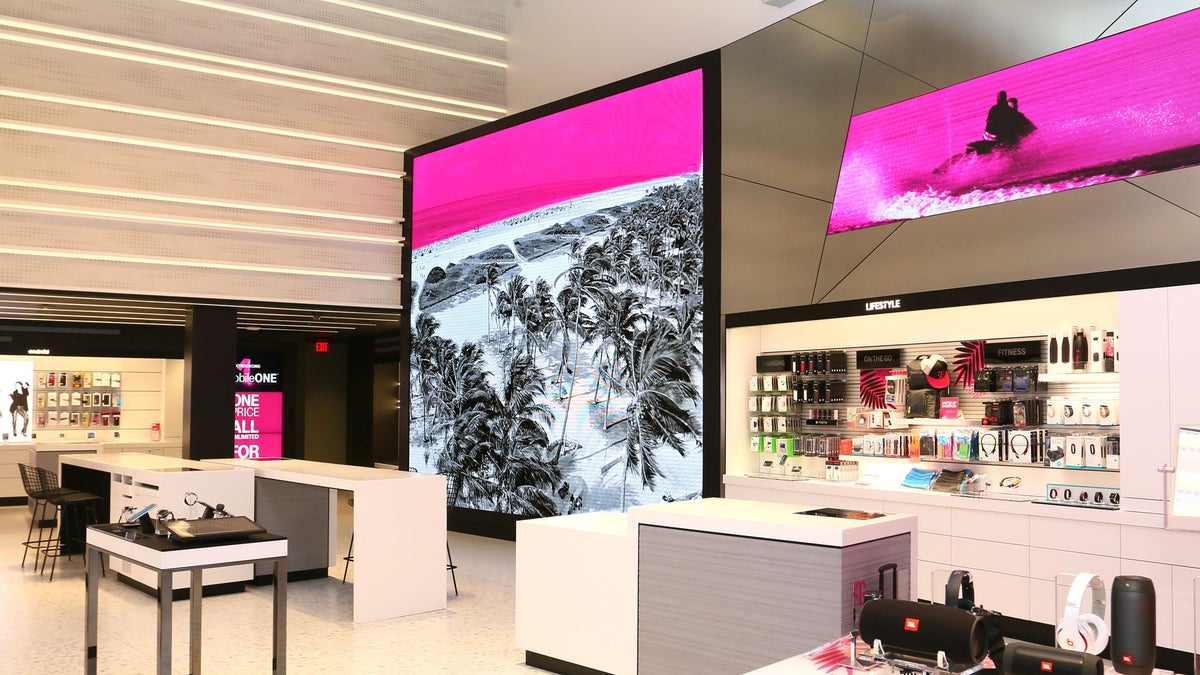
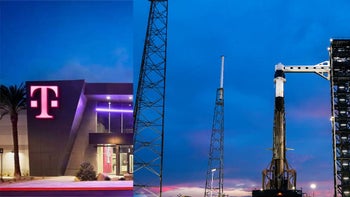
T-Mobile's network could make a difference in the real world. | Image by NELSON worldwide
As AI evolves beyond simply spitting out answers to taking action in the real world, T-Mobile's role is shifting from a service provider to a central player in physical AI. Chief Technology Officer John Saw highlighted in a recent blog post why T-Mobile's terrestrial network offers capabilities that Wi-Fi and satellite can't match.
Simply put, physical AI refers to autonomous machines, robots, cameras, and other systems that not only analyze the surroundings but actively interact with them. While traditional AI operates on informational tokens, physical AI relies on kinetic tokens: data that can trigger physical outcomes in the real world.
This is more than just theory. T-Mobile is collaborating with AI robotics company Figure AI to run robots on network edge infrastructure, making them more responsive than distant data centers allow.
The carrier is working with Serve Robotics to ensure unexpected obstructions, such as a construction barrier that appeared overnight or wandering pets, don't disrupt sidewalk delivery robots.
Lastly, T-Mobile is using 5G-connected cameras and edge AI to deliver deeper traffic insights to the City of San Jose.
T-Mobile maintains that Wi-Fi and satellite lack the reliability, consistency, low latency, and high-capacity uplink that physical AI needs.
To power these initiatives, T-Mobile has partnered with Amazon Web Services (AWS) to build out its kinetic edge infrastructure.
Real-world implications
Simply put, physical AI refers to autonomous machines, robots, cameras, and other systems that not only analyze the surroundings but actively interact with them. While traditional AI operates on informational tokens, physical AI relies on kinetic tokens: data that can trigger physical outcomes in the real world.
The carrier is working with Serve Robotics to ensure unexpected obstructions, such as a construction barrier that appeared overnight or wandering pets, don't disrupt sidewalk delivery robots.
Lastly, T-Mobile is using 5G-connected cameras and edge AI to deliver deeper traffic insights to the City of San Jose.
To power these initiatives, T-Mobile has partnered with Amazon Web Services (AWS) to build out its kinetic edge infrastructure.
Wi-Fi and satellite will both play a role in this connected future, but neither can deliver the consistency, reliability, real-time inferencing and advanced deterministic connectivity that physical AI demands.
John Saw, T-Mobile's Chief Technology Officer, October 2026
Why is T-Mobile so enthusiastic about physical AI?
3 Votes
A smarter, more efficient network
T-Mobile is working with NVIDIA and Nokia, as well as Ericsson, to build AI into its network. The carrier recently completed the world’s first AI-RAN call.
The company is making rapid progress toward 6G. Its pre-6G multivendor trial with Ericsson and MediaTek using 400 MHz channels in the 7 GHz band achieved download speeds exceeding 5 Gbps, upload speeds of over 2 Gbps, and latency as low as 4 milliseconds.
T-Mobile has been making the right moves
T-Mobile's early push into 5G Standalone, which is the foundation of its 5G Advanced network, positions it uniquely to scale physical AI. The developments could lead to new applications and opportunities.
Other ways T-Mobile is making its network better:

Popular stories



Latest News

Things that are NOT allowed:
To help keep our community safe and free from spam, we apply temporary limits to newly created accounts: