The Dallas City Council has approved a new Verizon cell tower in South Dallas despite sustained opposition from nearby homeowners… and that's the way it is.
Too close to the houses?
At the end of 2025, the Dallas City Council voted to approve a Specific Use Permit allowing Verizon to construct a 90-foot monopole cell tower in the historic South Boulevard Park Row district. That's one of Dallas' earliest planned residential areas – it was developed in the early 1900s as a streetcar suburb with architecturally significant homes and landscaped boulevards. As you can imagine, 90-foot monopole cell towers weren't included in the plans over a century ago.
The new tower is planned for a vacant lot at 1814 South Boulevard, a property owned by Cornerstone Baptist Church and located roughly 60 feet from the home of longtime resident T. A. Sneed.
The man has owned his home since 1984. He first became aware of the proposal in January 2025 after noticing a zoning sign that was later removed ahead of the City Plan Commission hearing. He said repeated attempts to contact Verizon, engineering firm GSS, Inc., and city offices went unanswered, and that he never received the formal notice required for residents within a 500-foot radius.
Recommended For You
The approved zoning case, Z245-145, grants Verizon a Specific Use Permit for a cellular monopole within the South Dallas/Fair Park Special Purpose District. City staff recommended approval for an initial twenty-year term with automatic renewals, effectively allowing the structure to remain in place for decades. Despite letters and testimony submitted to city officials and Verizon representatives, the council approved the permit.
"Minimal" formal opposition
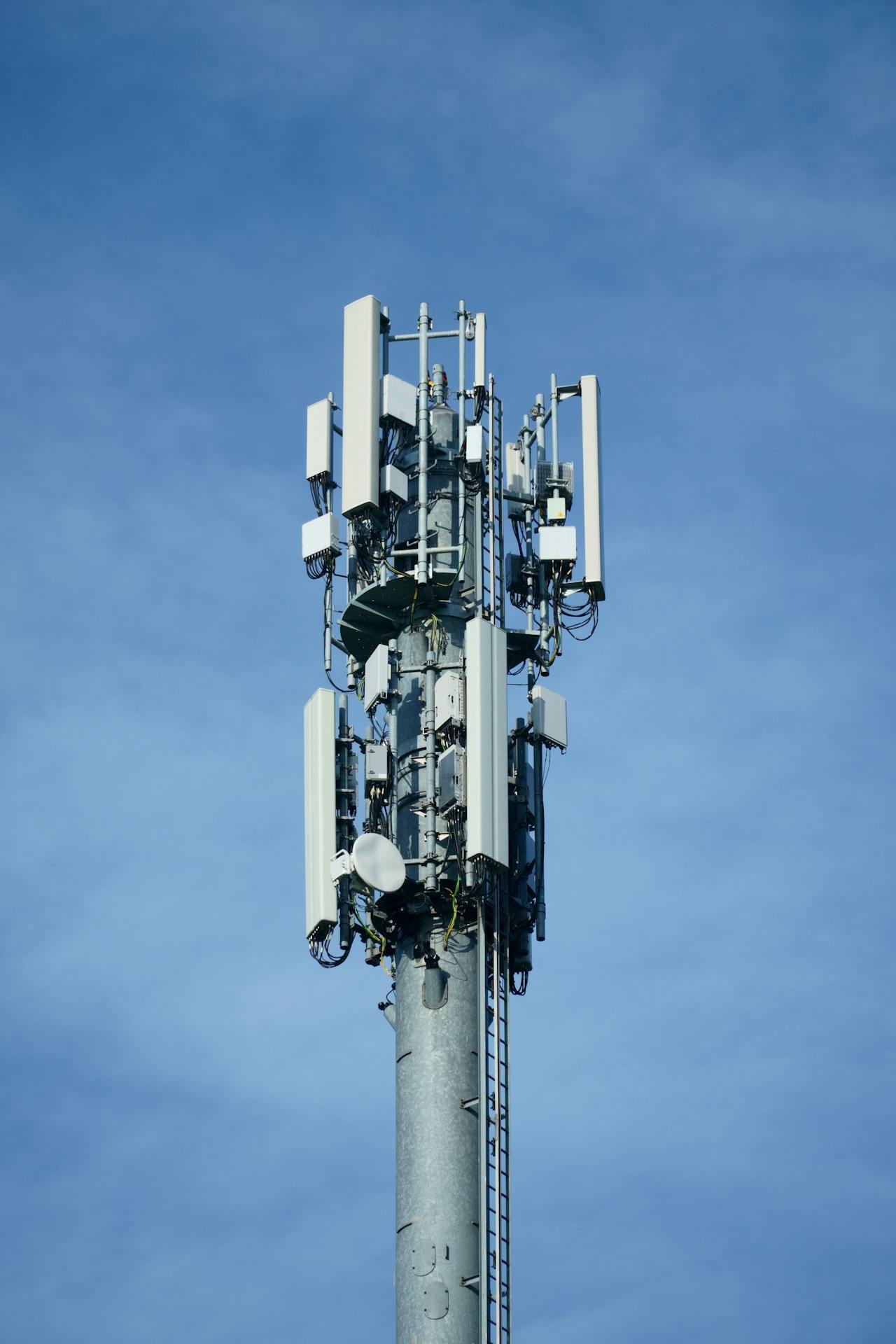
Image by Pexels
Opponents raised concerns about both process and placement. At public hearings, Sneed argued that the tower would be inconsistent with the area's residential character and could negatively affect property values. Other residents questioned the necessity of placing new Verizon infrastructure on a residential block when alternative sites and existing towers were already present nearby.
Procedural objections were also raised. Community members noted the absence of environmental impact assessments, structural fall-zone studies, and alternative site analyses in the application file. City officials responded that federal regulations limit local authority to land-use considerations, excluding environmental and health factors.
City planning staff reported minimal formal opposition, citing notice records that failed to reach the threshold required for heightened review. However, zoning documents show that a notable share of mailed notices went to the applicant itself, Cornerstone Baptist Church, rather than nearby homeowners.
How far should cell towers be from homes?
21 Votes
Less than 50 feet.
0%
50–100 feet.
0%
100–200 feet.
23.81%
More than 250 feet.
42.86%
I'm not sure, but not too close.
33.33%
Improving connectivity?
Following the vote, Cornerstone Baptist Church's leadership characterized the Verizon tower as a service intended to improve local connectivity. Church representatives indicated that Verizon had approached them several years earlier about strengthening cellular coverage in the area. They also described the lease payments to the church as modest, amounting to about $1,200 per month.
Publicly available industry estimates suggest that typical cell tower lease rates in Dallas are often substantially higher ($2,560–$4,820), leading critics to question whether the financial return justifies potential long-term economic, safety, and neighborhood impacts.
As Verizon proceeds with the tower, it highlights how new projects can move ahead even when local residents feel ignored.
Six-month unlimited plan is now 57% off
$90
$210
$120 off (57%)
Mint Mobile is now allowing you to get whichever plan you like for either three, six, or 12 months for just $15/mo. If you go for the six-month unlimited service, for instance, you'll now have to pay just $90 upfront instead of $210.
Sebastian is one of PhoneArena’s senior opinionators. A veteran news writer with almost 20 years of experience in media and technology, he not only covers all the hot news about Galaxies and iPhones, but often provides hot takes on industry trends. He’s fascinated with camera-focused flagships from the likes of Oppo and Vivo, as well as foldable phones.
A discussion is a place, where people can voice their opinion, no matter if it
is positive, neutral or negative. However, when posting, one must stay true to the topic, and not just share some
random thoughts, which are not directly related to the matter.
Things that are NOT allowed:
Off-topic talk - you must stick to the subject of discussion
Offensive, hate speech - if you want to say something, say it politely
Spam/Advertisements - these posts are deleted
Multiple accounts - one person can have only one account
Impersonations and offensive nicknames - these accounts get banned
To help keep our community safe and free from spam, we apply temporary limits to newly created accounts:
New accounts created within the last 24 hours may experience restrictions on how frequently they can
post or comment.
These limits are in place as a precaution and will automatically lift.
Moderation is done by humans. We try to be as objective as possible and moderate with zero bias. If you think a
post should be moderated - please, report it.
Have a question about the rules or why you have been moderated/limited/banned? Please,
contact us.






Things that are NOT allowed:
To help keep our community safe and free from spam, we apply temporary limits to newly created accounts: