Artificial intelligence is supposed to make our devices smarter, but it looks like it is actually about to make them worse. A looming component shortage is threatening to drive up prices while simultaneously forcing manufacturers to cut corners on the hardware we actually use every day.
The "AI Tax" is finally coming for our hardware
We usually expect technology to follow a pretty simple rule: over time, it gets better and cheaper. That rule is currently being broken. According to a new report, the smartphone industry is facing its most significant price hike in 26 years. The culprit is not general inflation or shipping costs, but a specific, aggressive shortage of RAM.
It turns out that the massive data centers powering the current AI boom are gobbling up memory supplies at an alarming rate, leaving very little for smartphone makers to fight over. The situation is reportedly so dire that companies are scrambling just to secure enough inventory to build their phones.
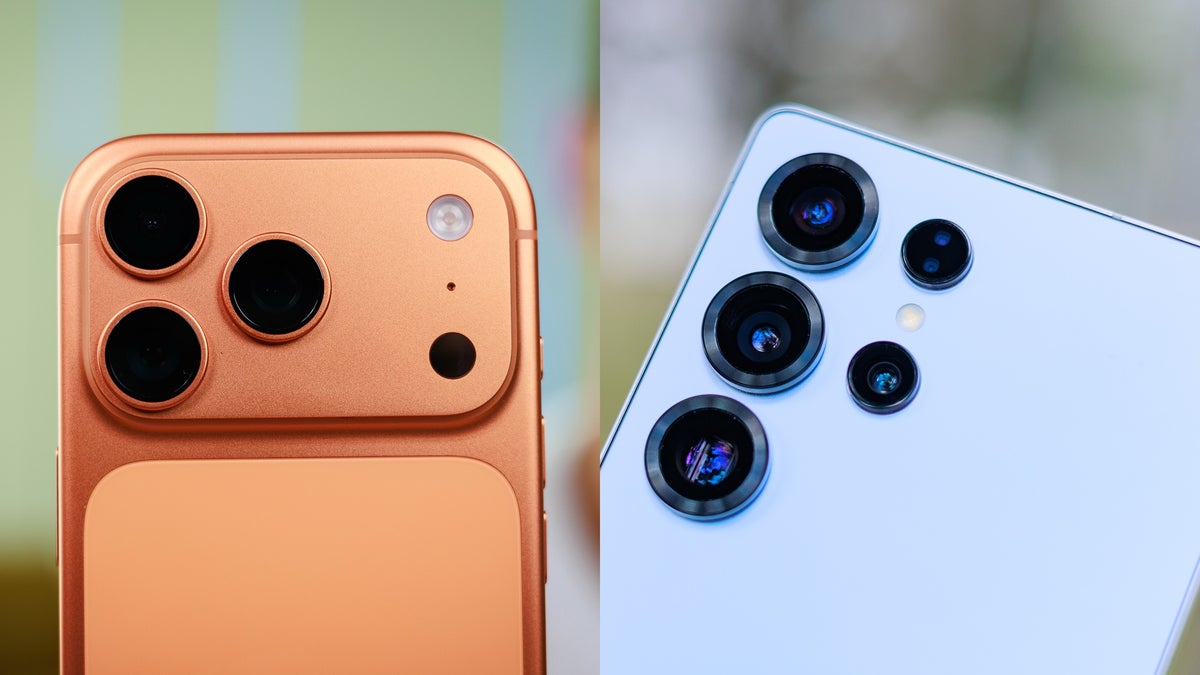
The most worrying part of this report involves Samsung. To prevent the price of the upcoming Galaxy S26 from exploding into the stratosphere, the company is rumored to be considering rolling back camera upgrades. Essentially, the cost of memory is so high that they may have to sacrifice optical performance just to keep the phone on store shelves at a price people can actually afford.
Recommended For You
This puts manufacturers in a terrible position. To run the advanced on-device AI features they are marketing, they need to include more RAM in these phones. Yet, that very RAM is now the most expensive part of the bill of materials.
Why "Spec-cession" is a major problem for buyers
Your next flagship may not have the most impressive camera specs. | Image credit — PhoneArena
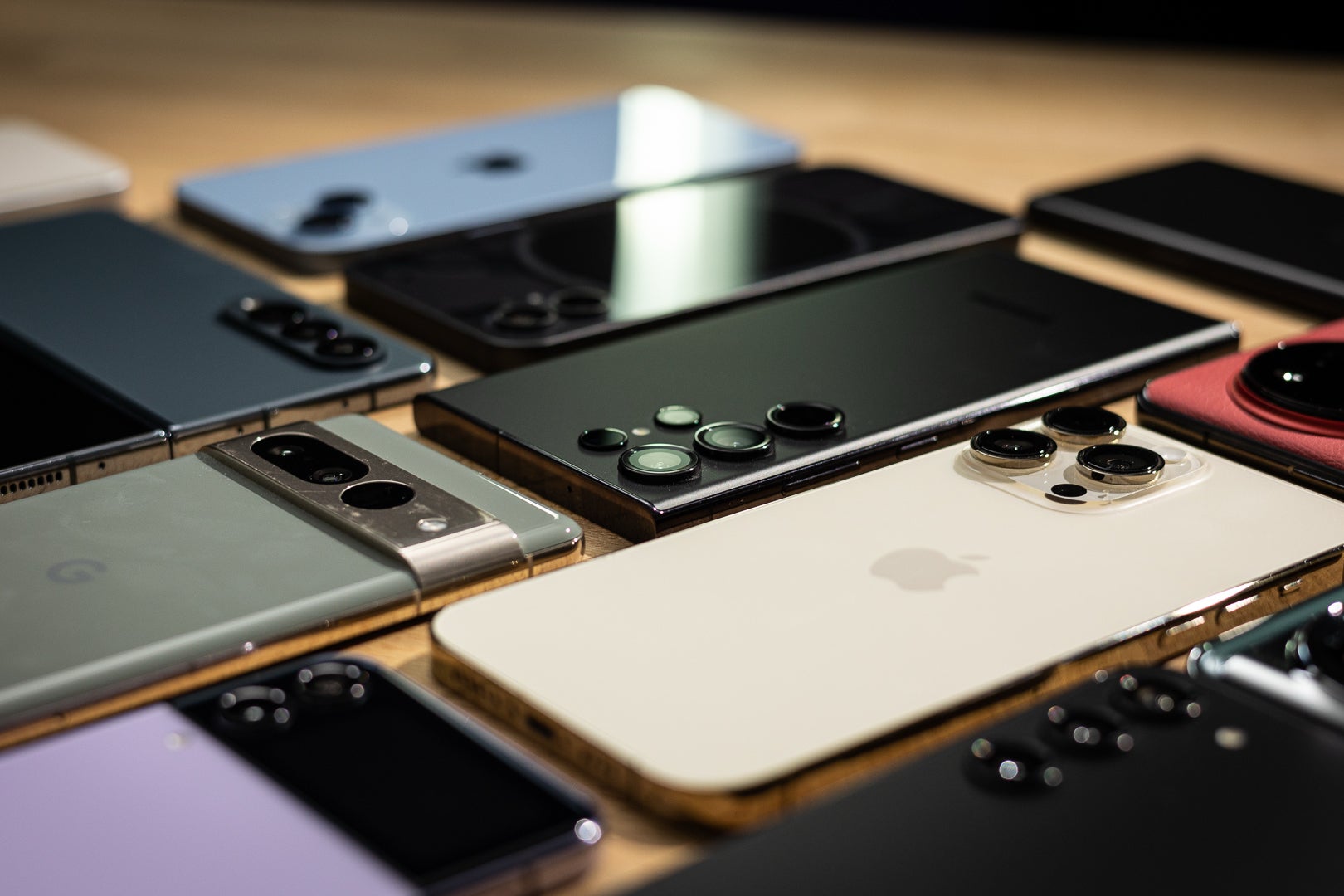
This matters because we are potentially entering a weird period of "tech shrinkflation." Usually, when a new phone launches, you pay the same price as last year for a faster chip, a brighter screen, and better cameras. But with AI demand squeezing the supply chain, that value proposition is disappearing. Apple, Google, and Xiaomi are all fishing in the same drying pond, meaning this is an industry-wide squeeze, not just a Samsung problem.
If you are a consumer holding onto an older device, waiting for the iPhone 18 or Galaxy S26 might actually backfire. You could end up paying significantly more for a device that offers marginal, if any, hardware improvements over the current generation.
Who should be worried about this? Anyone who prioritizes physical hardware—like zoom lenses, battery size, and build quality—over software tricks. If the BOM (Bill of Materials) cost is being eaten up by memory to support an AI assistant, other components have to get cheaper to balance the scale.
It also threatens to break the upgrade cycle entirely. If the Galaxy S26 costs $200 more than the Galaxy S25 but has a worse camera setup to accommodate AI memory, the incentive to upgrade evaporates. This is particularly rough for power users who look forward to annual improvements. Instead of catching up to the competition, manufacturers might just be trying to tread water without sinking their profit margins.
Would you accept a camera downgrade for better AI features?
204 Votes
No way. I pay for hardware, not software gimmicks.
69.61%
Maybe, but only if the phone is significantly cheaper.
4.9%
Yes, AI is the future and I use it more than the zoom lens.
4.41%
I'm holding onto my current phone until this is sorted out.
21.08%
The hardware vs. software battle
It is incredibly frustrating to watch the AI hype train potentially derail the actual hardware experience. We are reaching a tipping point where the "smart" features are cannibalizing the physical phone. From my perspective, if a manufacturer has to choose between adding expensive memory for an AI assistant I might not use and keeping a high-quality telephoto lens, I would take the lens every time. You can always update software later, but you cannot download a better camera sensor.
This situation makes the current generation of phones, specifically the Galaxy S25 series and the iPhone 17 lineup, look like incredible value propositions. They might be the last "uncompromised" flagships we see for a few years—devices built before the memory shortage truly crippled the supply chain.
So, would I buy a next-gen phone in this climate? I am skeptical. Unless the AI features are life-changing—and I mean truly revolutionary, not just a better way to summarize emails—I do not see the value in paying a premium for a device that technically has worse hardware than its predecessor. Rolling the dice on next year's models feels like a gamble where the house—and the memory suppliers—are the only ones winning.
Mint Mobile is celebrating its 10-year anniversary with a special offer on its six-month subscription plans. For a limited time, you can get your preferred tier (6GB, 17GB, 23GB or unlimited) for just $10/mo. That saves you between 50% and 71% on the carrier's mobile plans, making it way easier to recommend.
Johanna Romero is a Senior News Writer at PhoneArena, covering mobile technology news across Android, iOS, wearables, and the Google ecosystem she knows best. Drawing on 15 years in IT and tech support from 2007 to 2022, she brings a user-friendly eye for the practical features and lesser-known tricks readers care about. Google named her an official #TeamPixel member in 2022, and she also reviews the latest devices on her YouTube channel, JoJo the Techie.
A discussion is a place, where people can voice their opinion, no matter if it
is positive, neutral or negative. However, when posting, one must stay true to the topic, and not just share some
random thoughts, which are not directly related to the matter.
Things that are NOT allowed:
Off-topic talk - you must stick to the subject of discussion
Offensive, hate speech - if you want to say something, say it politely
Spam/Advertisements - these posts are deleted
Multiple accounts - one person can have only one account
Impersonations and offensive nicknames - these accounts get banned
To help keep our community safe and free from spam, we apply temporary limits to newly created accounts:
New accounts created within the last 24 hours may experience restrictions on how frequently they can
post or comment.
These limits are in place as a precaution and will automatically lift.
Moderation is done by humans. We try to be as objective as possible and moderate with zero bias. If you think a
post should be moderated - please, report it.
Have a question about the rules or why you have been moderated/limited/banned? Please,
contact us.












Things that are NOT allowed:
To help keep our community safe and free from spam, we apply temporary limits to newly created accounts: