Editorials · Insider Reaction
Google’s new Android update plan might finally push you toward a Pixel phone
Google’s faster updates might give Pixels the edge other phones can’t catch.
This article may contain personal views and opinion from the author.
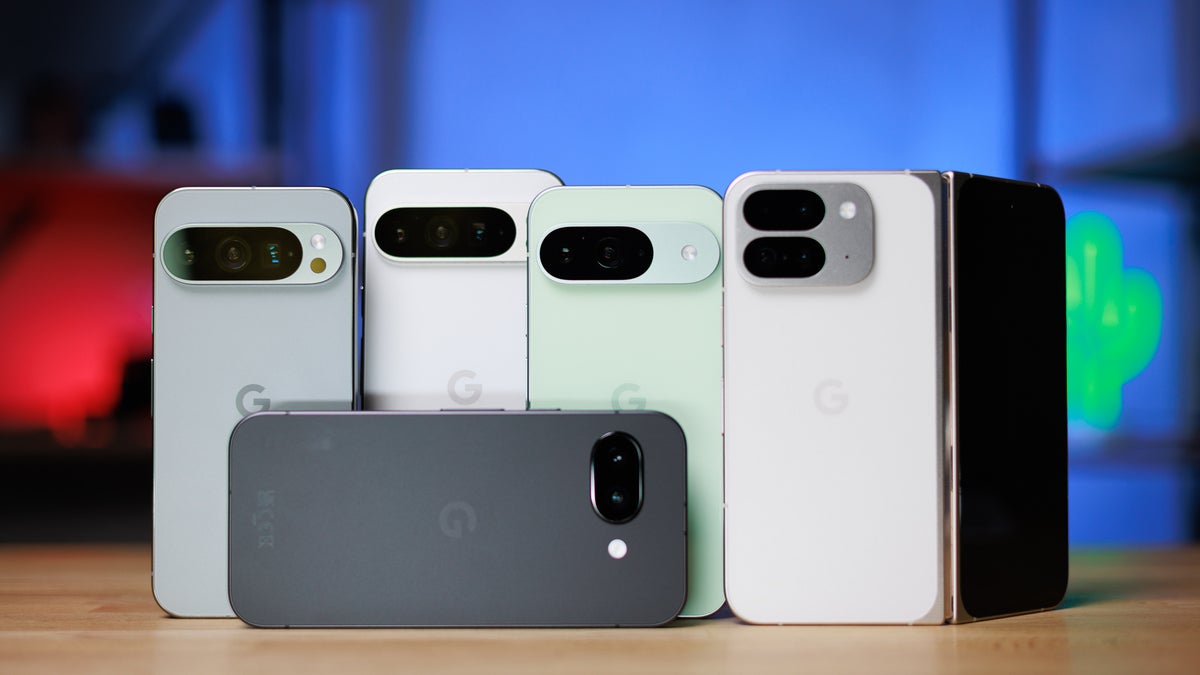
The Pixel 9 family. | Image credit – PhoneArena
Yep, Google is ditching the old annual update schedule we’ve all gotten used to and moving to a system with more frequent releases. This is arguably one of the most significant changes to Android updates since the OS first arrived.
And I think this move could make Google’s own hardware – Pixel phones – look way more attractive, especially to anyone who actually likes having the newest software in their hands. Let me tell you why.
Android updates are stepping into a new era
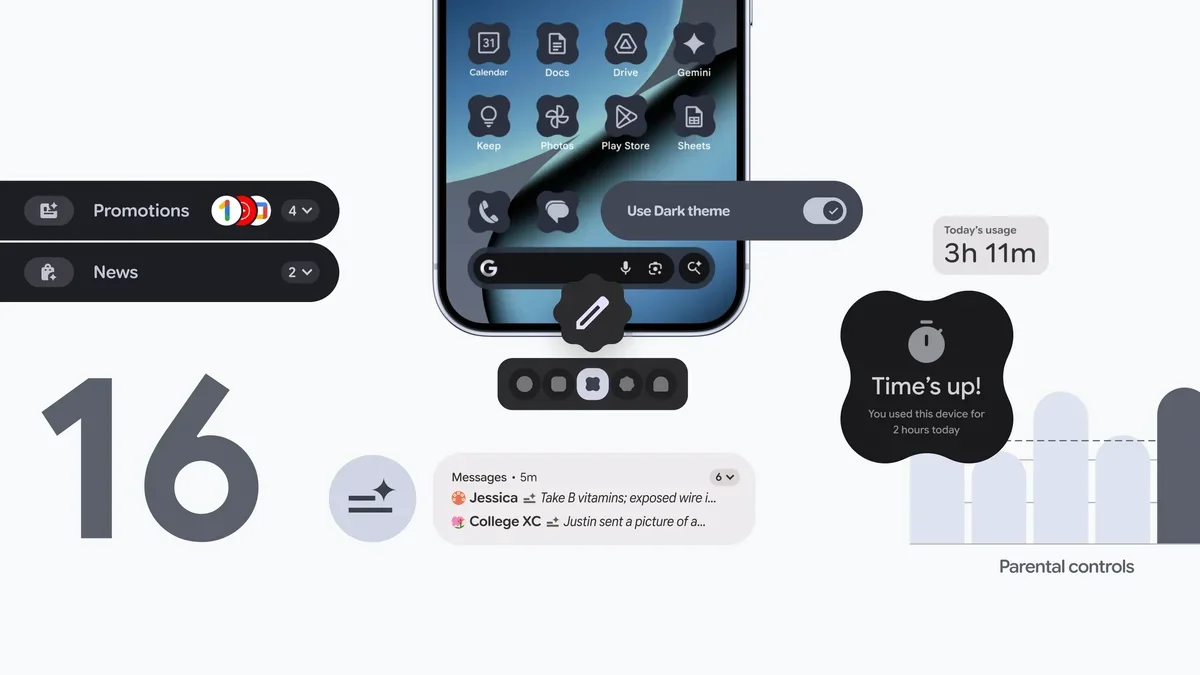
Starting with Android 16, Google’s shifting to a faster, more frequent update rhythm. | Image credit – Google
Because other manufacturers will still need to adjust the updates for their devices, and that process can be slow. Samsung usually moves fast enough, but most other brands? Not so much. And now, one major update a year won’t cut it anymore. Google plans to deliver multiple smaller, feature-packed updates throughout the year. Think of it as Android moving from “annual fireworks show” mode to “fireworks every month” mode.
And here’s the kicker: for anyone who actually cares about having the newest Android features and top-notch performance, Pixel phones are about to become a much more tempting option.
Pixel phones might finally get the spotlight
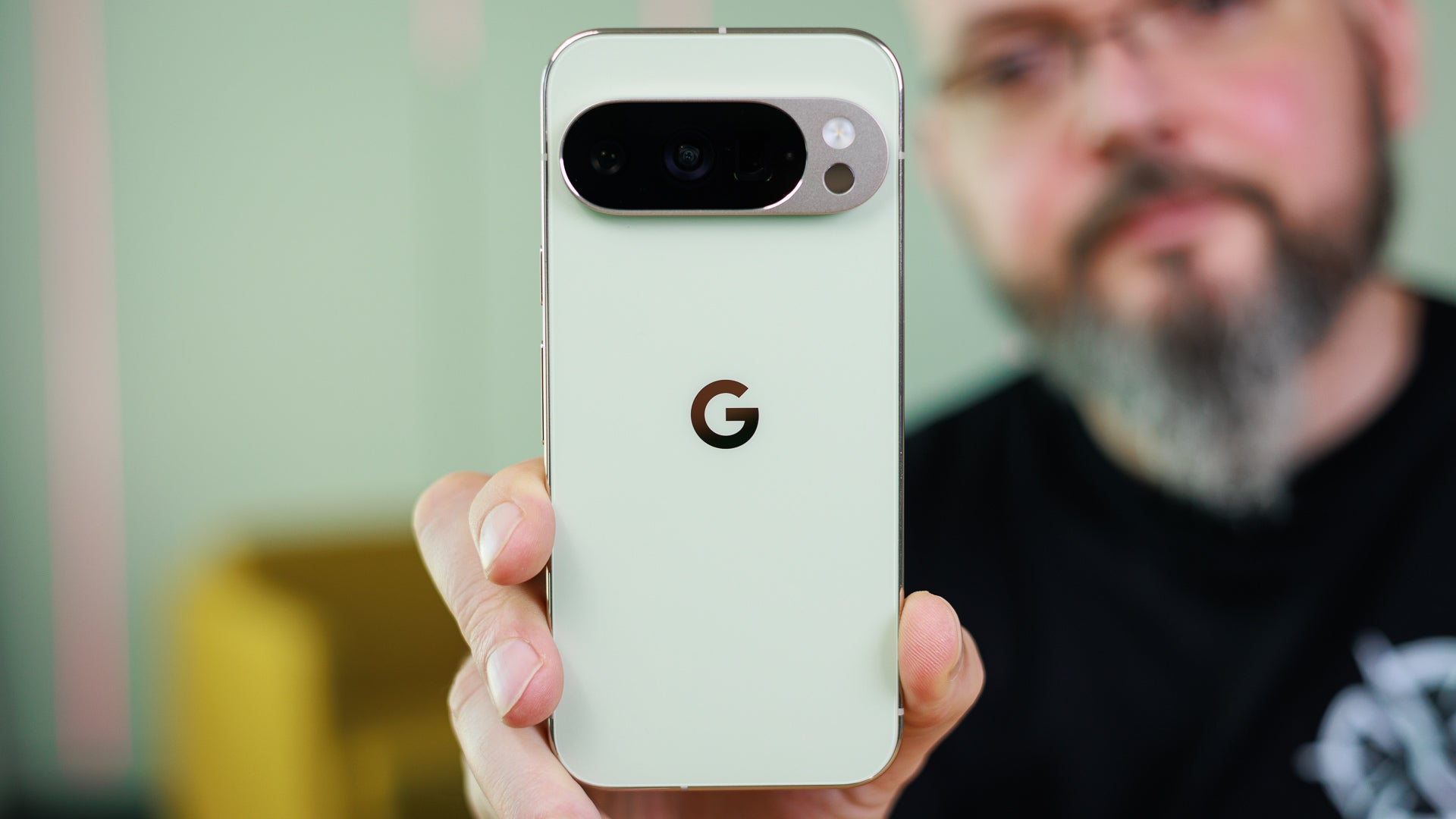
Pixel 10 Pro. | Image by Image credit – PhoneArena
Despite being around for a while – I mean the Pixel 10 series is already out – Pixel phones still aren’t mainstream. They’ve never cracked a best-selling phone list, and outside the US, Japan, and parts of Europe, they are basically flying under the radar.
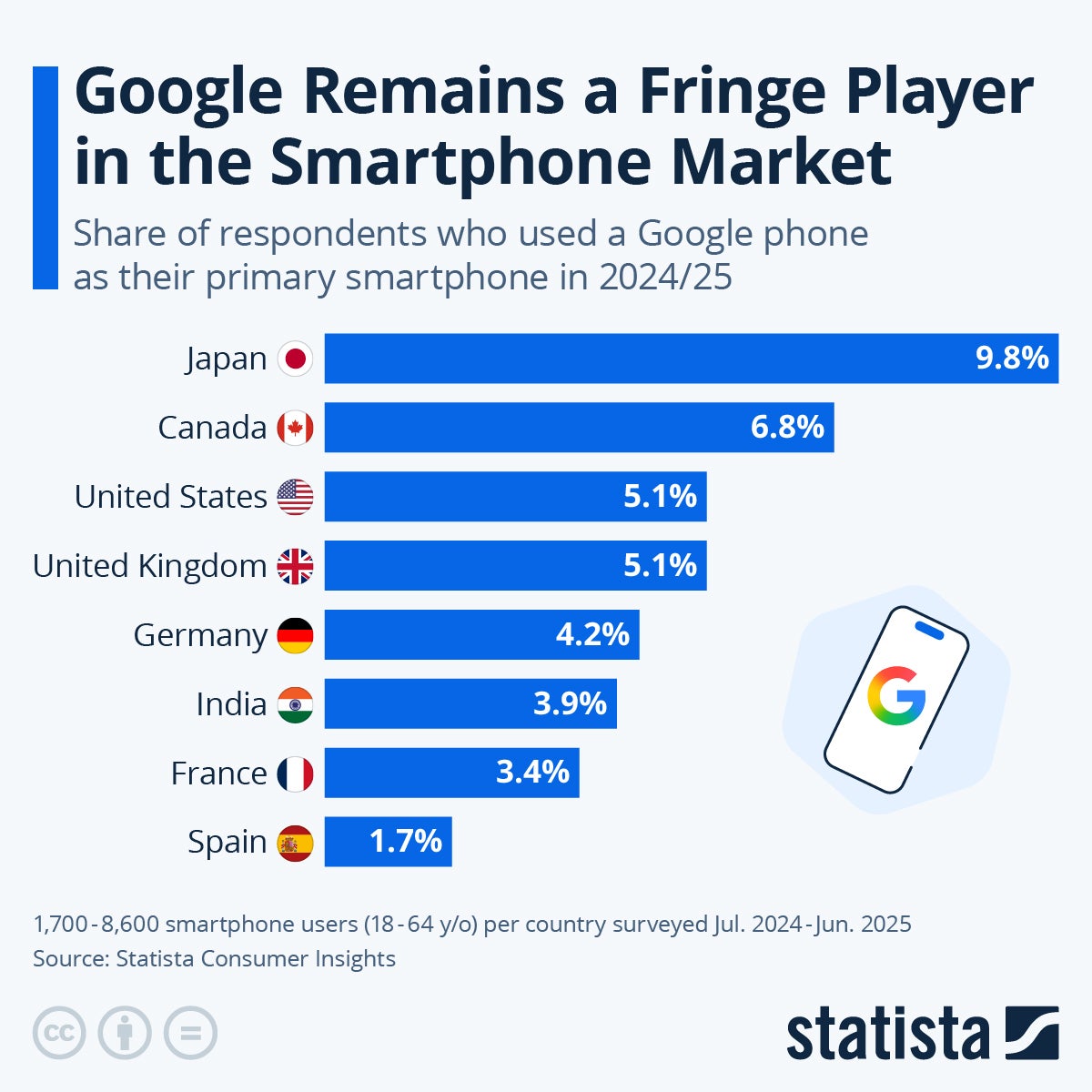
Pixel phones aren’t exactly topping sales charts in any region.
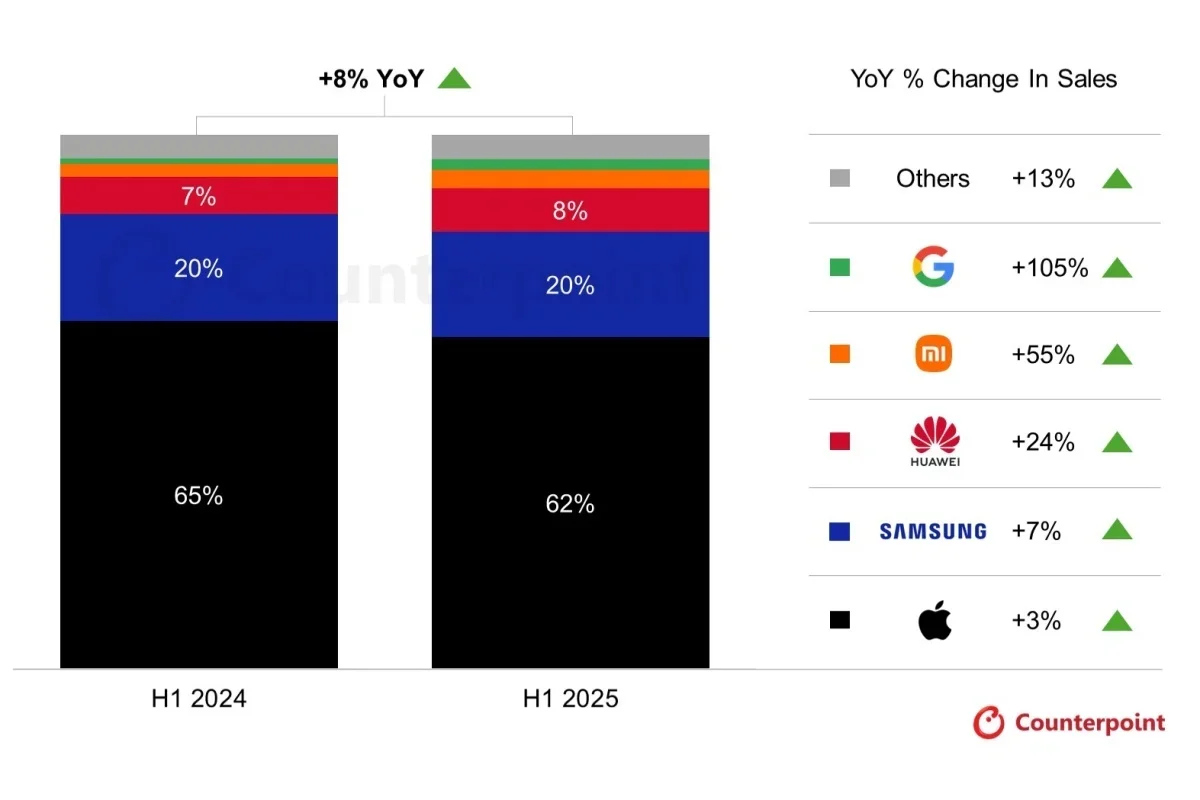
Even with that jump, Google still holds only a small slice of the smartphone market.
On the other hand, Google has historically used Pixel-exclusive feature drops to make its phones feel special. If some of those features reach other brands faster than before, the sense of exclusivity might take a small hit. But let’s be real – how fast do you think most OEMs will move? Yeah, probably not fast enough to make a difference.
So, what do you think? Are you excited about the new Android update pace, or do you see it causing more headaches for everyone who doesn’t own a Pixel? And most importantly – would you consider a Pixel just to stay on the front line of Android features, or are you happy letting your OEM move at its own pace?


Popular stories


Latest News


Things that are NOT allowed:
To help keep our community safe and free from spam, we apply temporary limits to newly created accounts: