Smartwatches are already pretty advanced, but there's one area where upgrades are still needed — battery life. According to the latest rumor, Apple is working on the issue from a different angle — a more efficient OLED screen for the next generation Apple Watch.
Apple may introduce power-saving "HMO" tech in future Apple Watch series
The Korean news outlet The Elec reports that Apple is considering a new OLED display backplane technology, called HMO, in order to make future Apple Watch devices more efficient.
The new technology is being developed by LG Display, one of the two major display suppliers along with Samsung that Apple is using for the Watch devices.
What is HMO, and how is it different?
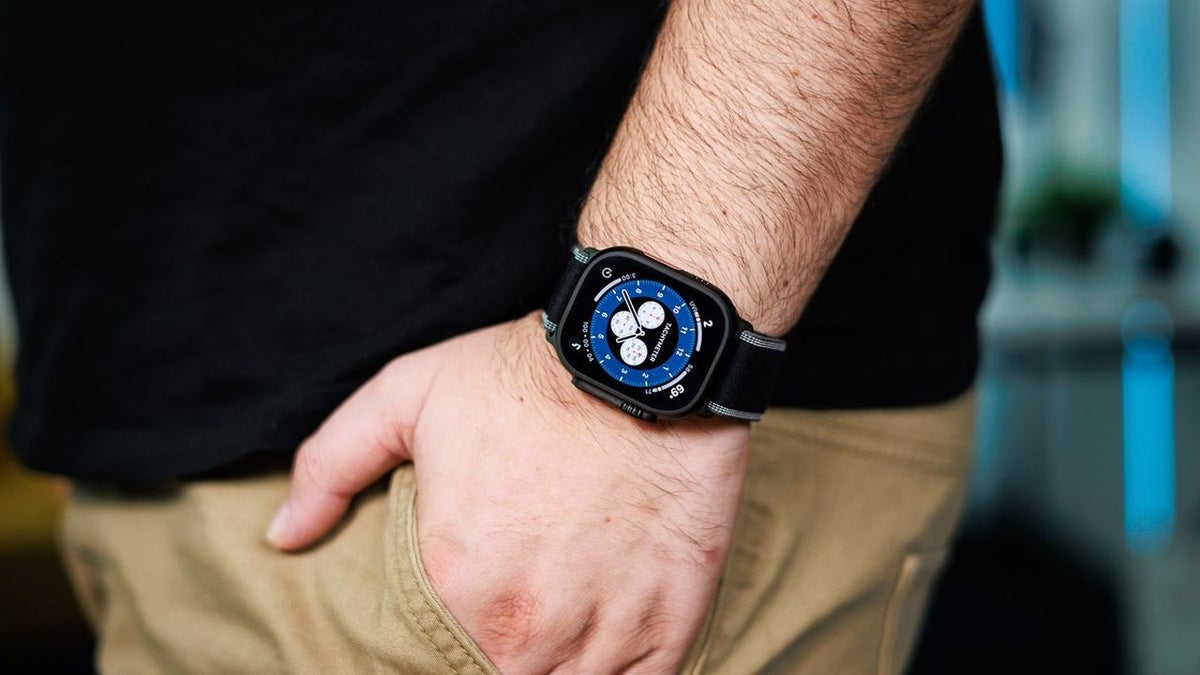
HMO could make Apple Watch devices more efficient. | Image by LG Display
The HMO abbreviation stands for "high-mobility oxide" and uses LG's sixth-generation production line for small and medium OLED panels.
Reportedly, Apple is eyeing this technology as a successor to the low-temperature polycrystalline oxide, or LTPO — the current display tech that enables features such as always-on and variable refresh rate.
HMO is designed to increase the mobility of electrons through the transistor layers of the display. When electrons move freely and with less resistance, this results in lower energy required to make the electrons move in the first place, hence a more efficient display.
Recommended For You
This new technology is believed to be three to five times better in letting electrons flow compared to LTPO (10 cm²/Vs (square centimeters per volt-second) compared to 30 to 50 cm²/Vs)).
What new feature would make you buy a new Apple Watch?
32 Votes
LG or Samsung?
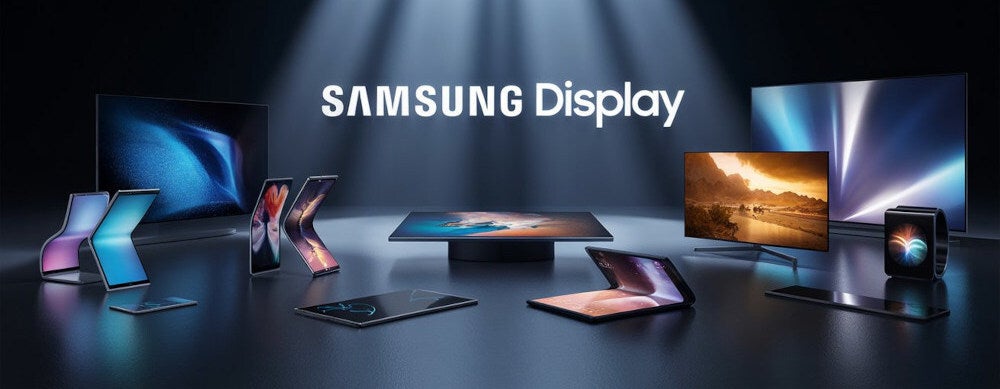
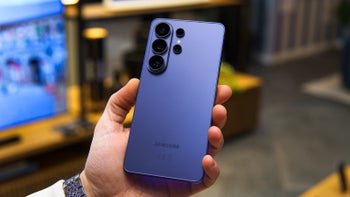
Samsung is working on its own alternative to LTPO display backpanels. | Image by Samsung
Samsung Display is the other big supplier of OLED panels for iPhones, iPads, and Apple Watch devices. LG's big rival is working on a completely different technology, called atomic layer deposition, or ALD for short.
This technique relies on a very careful deposition of thin, atomic-size transistor layers. A painstakingly slow process, aimed at the same final result — better transport of electrons through the transistor layer.
It's too early to say which technology is superior, but industry experts suggest that Samsung is trying to control the transistor layers even better than LG, potentially gaining an advantage. But we'll have to wait for the end product from both companies to pass a final judgement.
Which Apple Watch devices will get the new tech first?
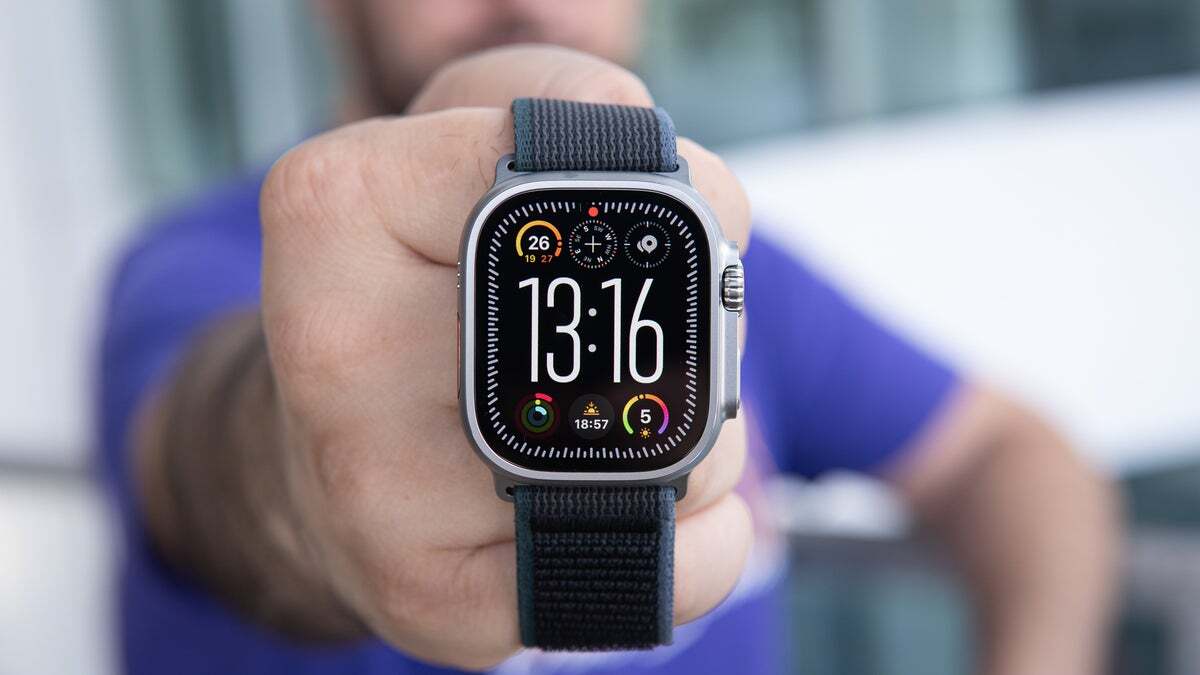
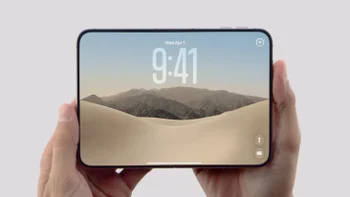
The new HMO display tech is expected to arrive to Apple Watch devices in 2027 at the earliest. | Image by PhoneArena
According to the report, the first Apple products to make use of LG's new HMO tech will be next year's Apple Watch series.
It makes sense from the perspective of a testbed device. Apple has a history of testing new display tech on smaller devices before rolling it out to iPhones, iPads, etc.
The Elec points out that the new HMO technology is still far from the shelves. LG needs to validate it for mass production, which is a slow process that involves verifying several key properties of the material, including mobility, uniformity, reliability, process temperature, and yield.
No changes in this year's Apple Watch display panels
Given the current stage of this technology, regarding mass production, it's safe to assume that this year's Apple Watch devices won't get it.
The earliest timeline for the adoption of the HMO tech inside the Apple Watch devices is 2027, with some more conservative predictions pointing toward 2028, when a big Apple Watch redesign is expected as well.
Trade in your old phone for cash at ecoATM!
Recycle your used phone and get instant cash. Find out how at ecoATM!
Mariyan, a tech enthusiast with a background in Nuclear Physics and Journalism, brings a unique perspective to PhoneArena. His childhood curiosity for gadgets evolved into a professional passion for technology, leading him to the role of Editor-in-Chief at PCWorld Bulgaria before joining PhoneArena. Mariyan's interests range from mainstream Android and iPhone debates to fringe technologies like graphene batteries and nanotechnology. Off-duty, he enjoys playing his electric guitar, practicing Japanese, and revisiting his love for video games and Haruki Murakami's works.
A discussion is a place, where people can voice their opinion, no matter if it
is positive, neutral or negative. However, when posting, one must stay true to the topic, and not just share some
random thoughts, which are not directly related to the matter.
Things that are NOT allowed:
Off-topic talk - you must stick to the subject of discussion
Offensive, hate speech - if you want to say something, say it politely
Spam/Advertisements - these posts are deleted
Multiple accounts - one person can have only one account
Impersonations and offensive nicknames - these accounts get banned
To help keep our community safe and free from spam, we apply temporary limits to newly created accounts:
New accounts created within the last 24 hours may experience restrictions on how frequently they can
post or comment.
These limits are in place as a precaution and will automatically lift.
Moderation is done by humans. We try to be as objective as possible and moderate with zero bias. If you think a
post should be moderated - please, report it.
Have a question about the rules or why you have been moderated/limited/banned? Please,
contact us.




Things that are NOT allowed:
To help keep our community safe and free from spam, we apply temporary limits to newly created accounts: