Foldable phones are still in a bit of an odd spot, barely making an argument for themselves.
For years now, they’ve been criticized on a few key points:
Heavy build, due to being two halves stacked on top of each other (we’ve seen amazing progress on this in 2025)
Limiting square aspect ratio on the main screen
Ever-present crease (again, fading in recent models)
Durability concerns, and price associated with them
But there’s no denying that foldables are getting a lot of attention. Even Apple is rumored to be planning to throw its hat in the ring with a supposed iPhone Fold. And we all know that Cupertino does not bet on lame horses (look, we’ll talk about the Vision Pro another time).
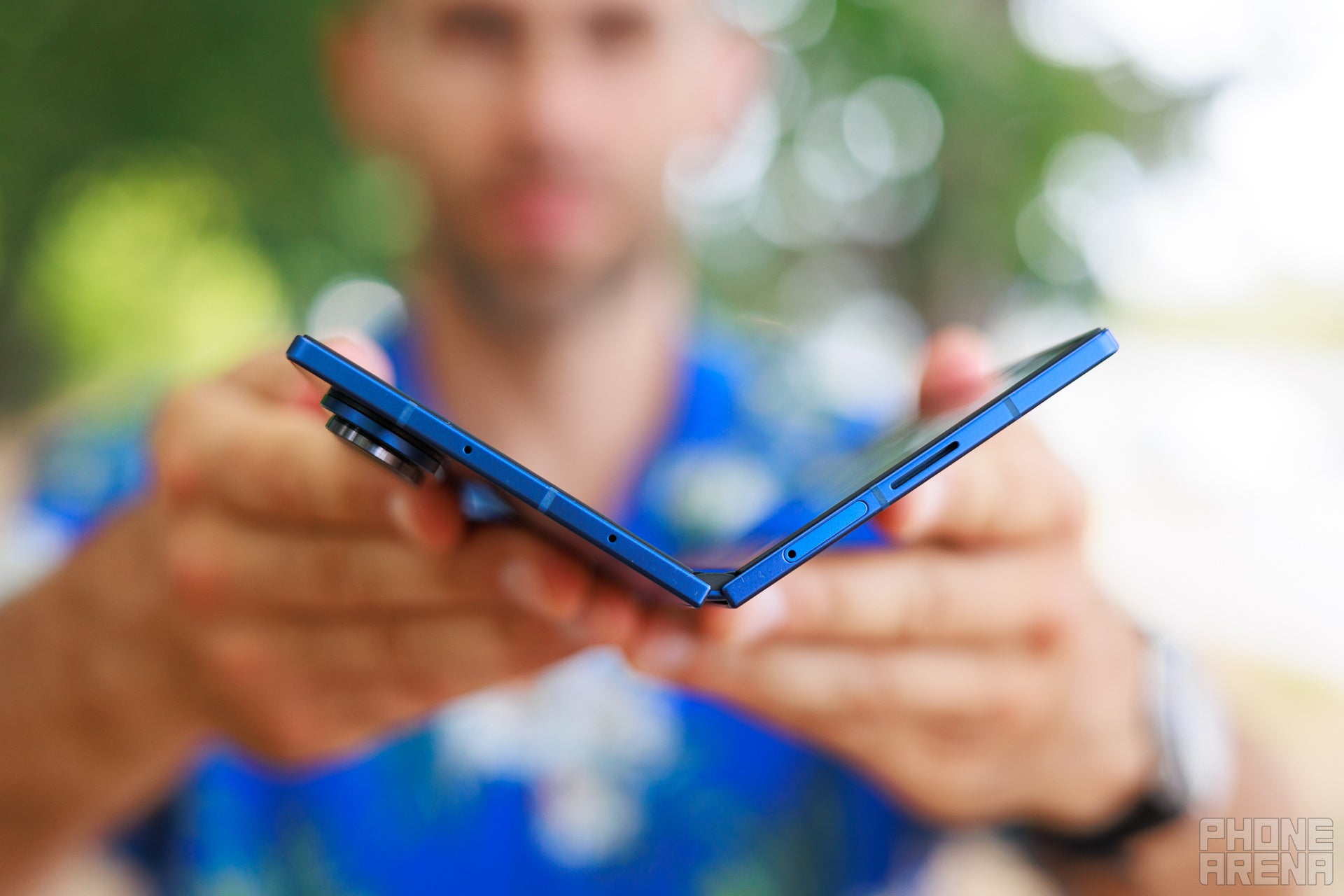
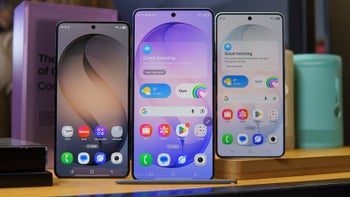
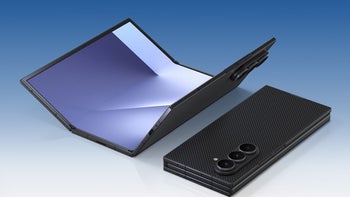
Galaxy Z Fold 7 (Image credit - PhoneArena)
Why are they so enticing? Because they promise to be the one “combo” device that smartphones have not become yet. Yes, they are music players, communication devices, Internet browsers, and cameras, but they have yet to come with a screen full enough to comfortably make them a “main device”.
People are waiting with bated breath for the time when unfolding a foldable will give you a big, wide screen, that’s good for spreadsheets and movies, homework and gaming, portfolio browsing and social media.
Recommended For You
Which is why the industry is currently envisioning the next step — the tri-folds, as we call them (technically, it’s a bi-fold, because you fold it twice but let’s not get into semantics).
And I look at them, and I am thinking… “That ain’t it”.
Tri-folds compound the foldable issues, give very little in return
While it’s ultimately extremely cool to have a tri-fold phone in your hands and expand it into a full 16:9(ish) tablet, that thing is a piece of fine tech that you will probably not even want to leave the house with.
Expensive, fragile, less practical.
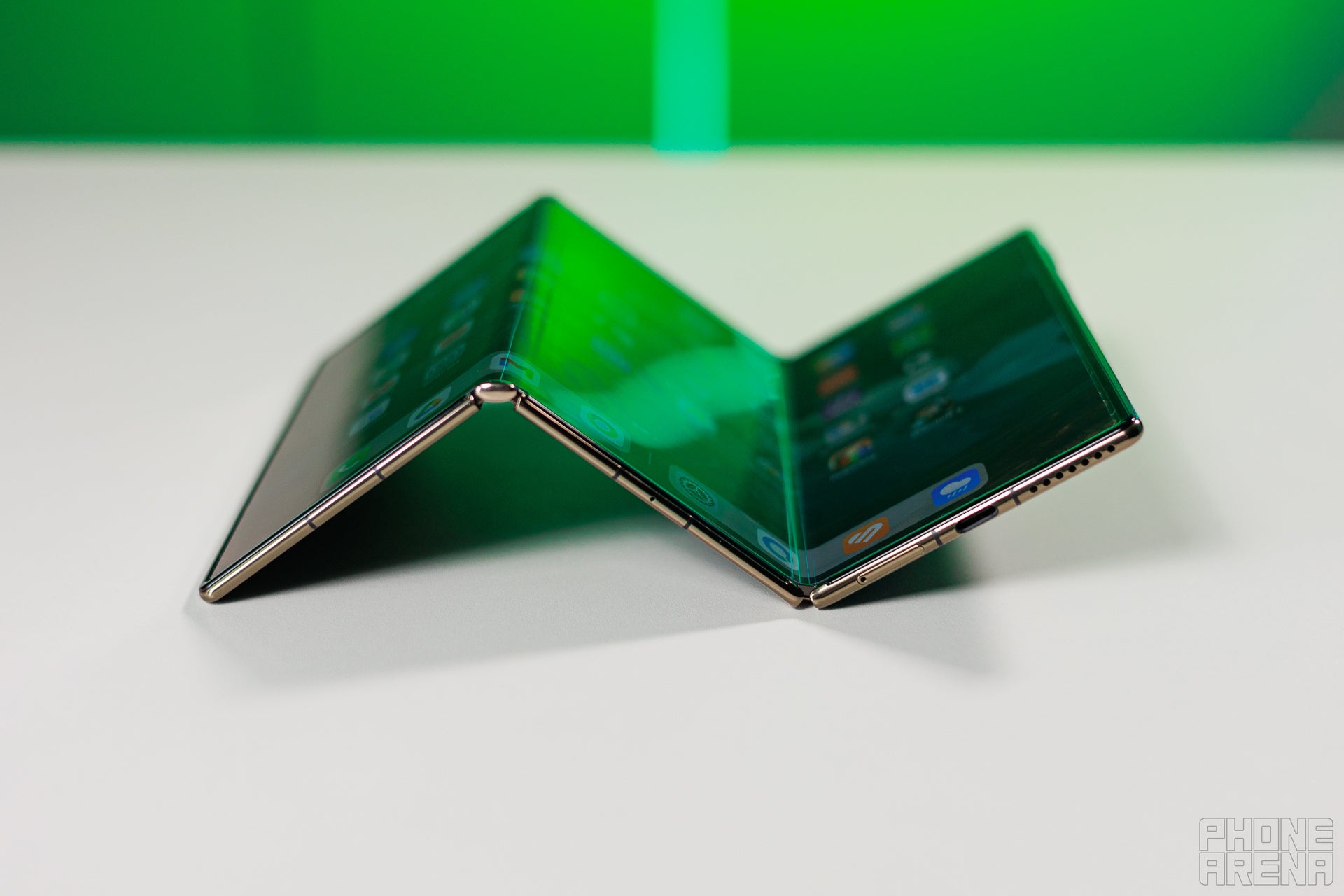
There are two ways to go about a tri-fold. Huawei designed the Mate XT to close in a zig-zag manner, so you can use one tall screen like a “normal” phone; unfold it halfway to get the classic square screen; or unfold it in full for a wide experience.
Huawei Mate XT (Image credit - PhoneArena)
The issue here is that part of the main screen is always exposed to the outside world, acting as a corner for the phone. You don’t want flexible OLED to be a corner for sure!
Samsung’s approach with the Galaxy Z TriFold goes the other way — its three panels close on the same side, like a Christmas card. Meaning, you can’t use it in a half-open state like the Huawei, but only get to use the main screen if it’s fully open.
The benefit is obvious — that fragile flexible OLED on the inside is protected at all times, but the phone is a little thicker.
The issues with trifolds compared to standard foldable phones?
Even more expensive
Even heavier
Durability concerns x2
Hard to produce
Effort to make them thin leaves even less wiggle room for camera systems
The truth is that foldables are just a stepping stone. Rollables are the future
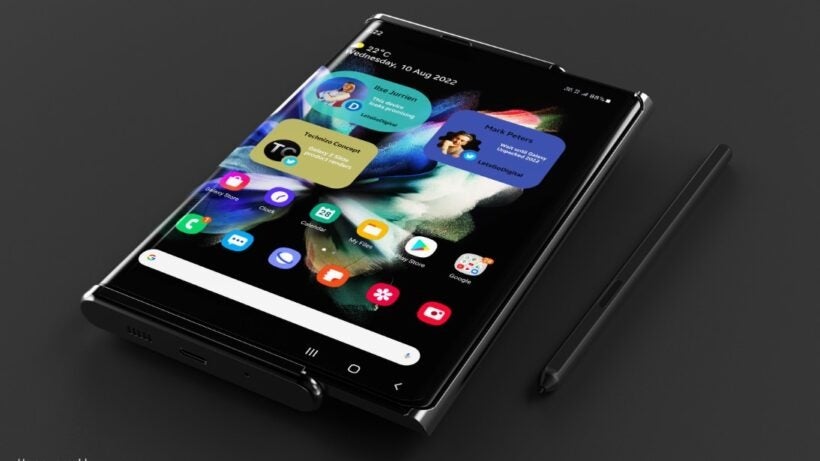
For years now, manufacturers have played with the idea of a “rollable” phone. Utilizing the properties of a flexible OLED panel to roll it in and tuck it into half of the phone. When needed, the handset can expand, causing the display to roll out and become wider.
We’ve seen a lot of concepts, prototypes, patents. I am quite certain — this is the next wave of devices where we will be seeing hardware innovation again.
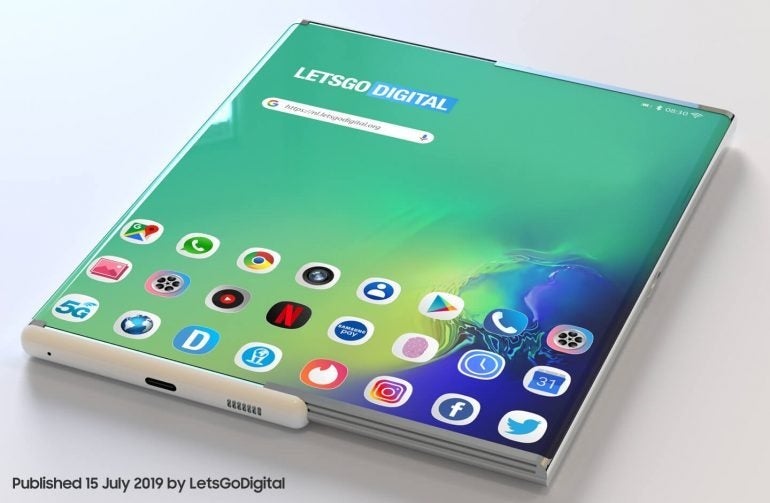
Early concepts, imagined based on patents
For example, one type of “rollable” phone may look exactly like a smartphone. It’s just that, with the press of a button, its frame would start expanding until it reaches a wide ratio.
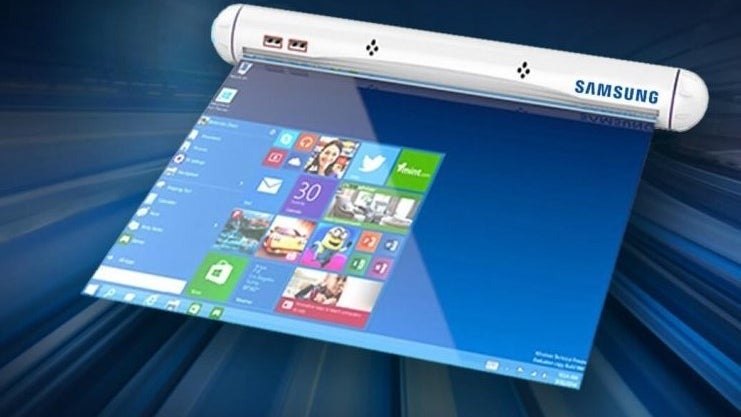
Another design to go with is to make the smartphone into a kind of a stick — a cylinder that resembles a lightsaber handle, with the display rolled up inside. You pull it out and lock it at the exact size you need. One hand holds the cylinder, the other is used to tap on the screen.
Older patents envisioned rollables like this
Of course, I can envision the same negatives applying for rollables:
Motorized parts will be heavier
More things to cause durability concerns — flexible displays and motors?
Price will definitely be up there
Though I don’t think that rollable phones need to necessarily be automated. What if the screen expansion mechanism is manually operated? Surely that’ll shave off some grams, some production cost, and some lifespan worries. Right?
And then, a rollable phone has these benefits that a foldable will never give us:
Variable aspect ratios: unroll it to just the right size you need, instead of sticking with a physical limitation
Multiple ways to make it compact: either make it a handle that unrolls into a phone, or a phone that gets wider, or who knows what else
Forget about a crease
So, while foldables are pretty cool for now, I think the industry’s endgame is to get to that stage where it can reliably make rollables. What do you think?
Six-month unlimited plan is now 57% off
$90
$210
$120 off (57%)
Mint Mobile is now allowing you to get whichever plan you like for either three, six, or 12 months for just $15/mo. If you go for the six-month unlimited service, for instance, you'll now have to pay just $90 upfront instead of $210.
Preslav, a member of the PhoneArena team since 2014, is a mobile technology enthusiast with a penchant for integrating tech into his hobbies and work. Whether it's writing articles on an iPad Pro, recording band rehearsals with multiple phones, or exploring the potential of mobile gaming through services like GeForce Now and Steam Link, Preslav's approach is hands-on and innovative. His balanced perspective allows him to appreciate both Android and iOS ecosystems, focusing on performance, camera quality, and user experience over brand loyalty.
A discussion is a place, where people can voice their opinion, no matter if it
is positive, neutral or negative. However, when posting, one must stay true to the topic, and not just share some
random thoughts, which are not directly related to the matter.
Things that are NOT allowed:
Off-topic talk - you must stick to the subject of discussion
Offensive, hate speech - if you want to say something, say it politely
Spam/Advertisements - these posts are deleted
Multiple accounts - one person can have only one account
Impersonations and offensive nicknames - these accounts get banned
To help keep our community safe and free from spam, we apply temporary limits to newly created accounts:
New accounts created within the last 24 hours may experience restrictions on how frequently they can
post or comment.
These limits are in place as a precaution and will automatically lift.
Moderation is done by humans. We try to be as objective as possible and moderate with zero bias. If you think a
post should be moderated - please, report it.
Have a question about the rules or why you have been moderated/limited/banned? Please,
contact us.






Things that are NOT allowed:
To help keep our community safe and free from spam, we apply temporary limits to newly created accounts: