Pepperidge Farm remembers how we didn't all jump to conclusions before giving a gadget a try. We've moved on, and we're not entirely driven by cynicism and bitterness: we've accumulated smartphone experience in the last couple of decades. And we use this experience to judge things.
It's true that smartphones have largely plateaued on many fronts. For example, a 2023 phone with a Snapdragon 8 Gen 3 under the hood is virtually impossible to let you down in terms of performance for everyday tasks. Yes, you can spend a ton of money on a newer device with an Elite or even Gen 5 chipset inside, but so what?
The difference won't be day and night, it'll be barely noticeable.
Having said that – and as "boring" as many phones have become – we're still hyped about (some of) these models. Hate it or love it, the next iPhone Pro always gathers a large crowd. Likewise with the next Galaxy S Ultra.
The initial reaction of many is expressed loud and clear across forums and social media – nobody is thrilled by the idea.
Recommended For You
Worse than the Trump phone?
Some say this project is "probably more of a vaporware" than the Trump phone. Hats off to the elegant insult. The Trump Mobile T1 phone still doesn't exist, but the Trump Mobile website sells refurbished iPhones and Galaxy devices from 2023 and even 2022.
However, it doesn't matter if the OpenAI will happen or not; people simply refuse to embrace it and the reasons are diverse, but they can be summarized in a series of questions and statements (which I've paraphrased)
How will an AI phone handle the battery usage? How much data would it consume?
I need apps, I don't need an app-less, agentic phone.
I don't trust AI that much.
Many simply hate OpenAI and the AI revolution that caused many components to skyrocket in cost – these people say they want to see OpenAI fail.
It's not like we haven't seen major phone flops before.
Some of the biggest names in tech once believed they could break into smartphones and challenge Apple and Samsung. Instead, they went on to become cautionary tales.
Amazon, Microsoft, and Facebook each launched devices with strong ambitions, but all three struggled and failed.
Maybe OpenAI will succeed?
What's the new phone going to be like?
Jony Ive and Sam Altman announced their partnership a year ago. | Image by OpenAI
This rumored new handset may be co-developed with big names like MediaTek, Qualcomm and Luxshare, with mass production expected in 2028. This thing, whatever its moniker will be, could look very different from current smartphones because it may move away from the normal app-based experience.
Instead of tapping icons in an app grid, users would reportedly interact through a task-based interface where an AI assistant manages requests, actions and progress in one stream.
The device is expected to focus heavily on agentic AI, meaning the software could handle tasks more independently while understanding the user's habits and context throughout the day. Some AI features would run directly on the phone, while more demanding tasks would be processed in the cloud.
This suggests the device may act more like a personal AI assistant than a traditional smartphone. Battery efficiency and memory management will be key challenges, since the AI system will stay active continuously.
The backlash
I don't know if Ive or Altman expected applause, but social media users quickly got their hands full of tomatoes to throw. Some landed extremely nice! Some are mean, while others are polished, like this gem: "Going into a mature, saturated market against the top company in the world is certainly a choice.
A common complaint was that OpenAI may be chasing too many projects at once. Some argued the company should stop dreaming about phones and focus on improving its AI models and building more data centers instead.
Others said the handset sounds like a fast way to burn through money, while questioning what kind of monster specs would be needed to run multiple AI agents all day.
Then came the practical crowd. Several people asked whether users would need a monthly subscription just to use their phone. Others wonder how an always-on AI device would survive battery drain, warning that a local model would eat power while cloud-based features would depend on internet access and reliability.
What about apps?
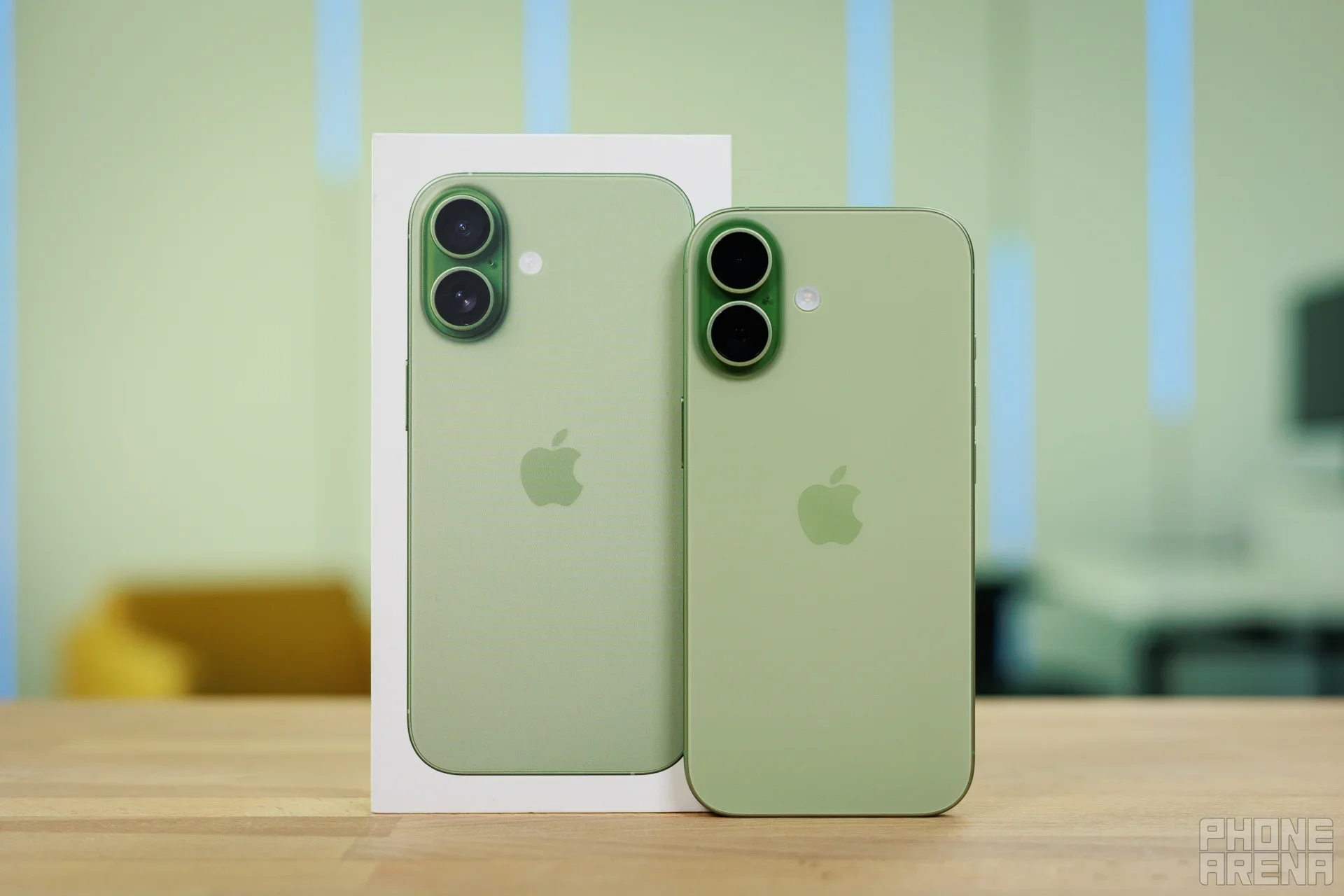
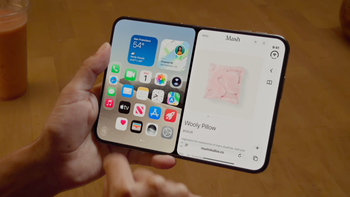
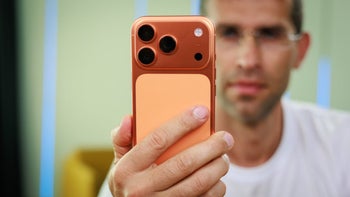
The iPhone has those. | Image by PhoneArena
Many users also rejected the idea of replacing apps entirely. One commenter noted that people like apps, and for the most part, they already like their phones. Another said an app-free AI device may eventually happen, but doubted OpenAI would be the company to pull it off.
Naturally, the funniest reactions stole the show. One person imagined outsourcing doomscrolling to AI agents so they could finally touch grass, before joking that they would rather wait for robots to do that too.
Not everyone dismissed it
Some users argue that the real problem with smartphones is how much time we waste jumping between separate apps just to complete simple tasks. Booking a trip, for example, might mean opening Wallet for ID and payments, the airline app for boarding passes, Uber for rides and Starbucks or another service during the stay.
Supporters of the AI-first concept say a smart agent could remove that friction. Instead of manually switching between five different apps, a user could simply ask the phone to manage the trip, pull the needed information, and complete actions in the background.
I'm skeptical
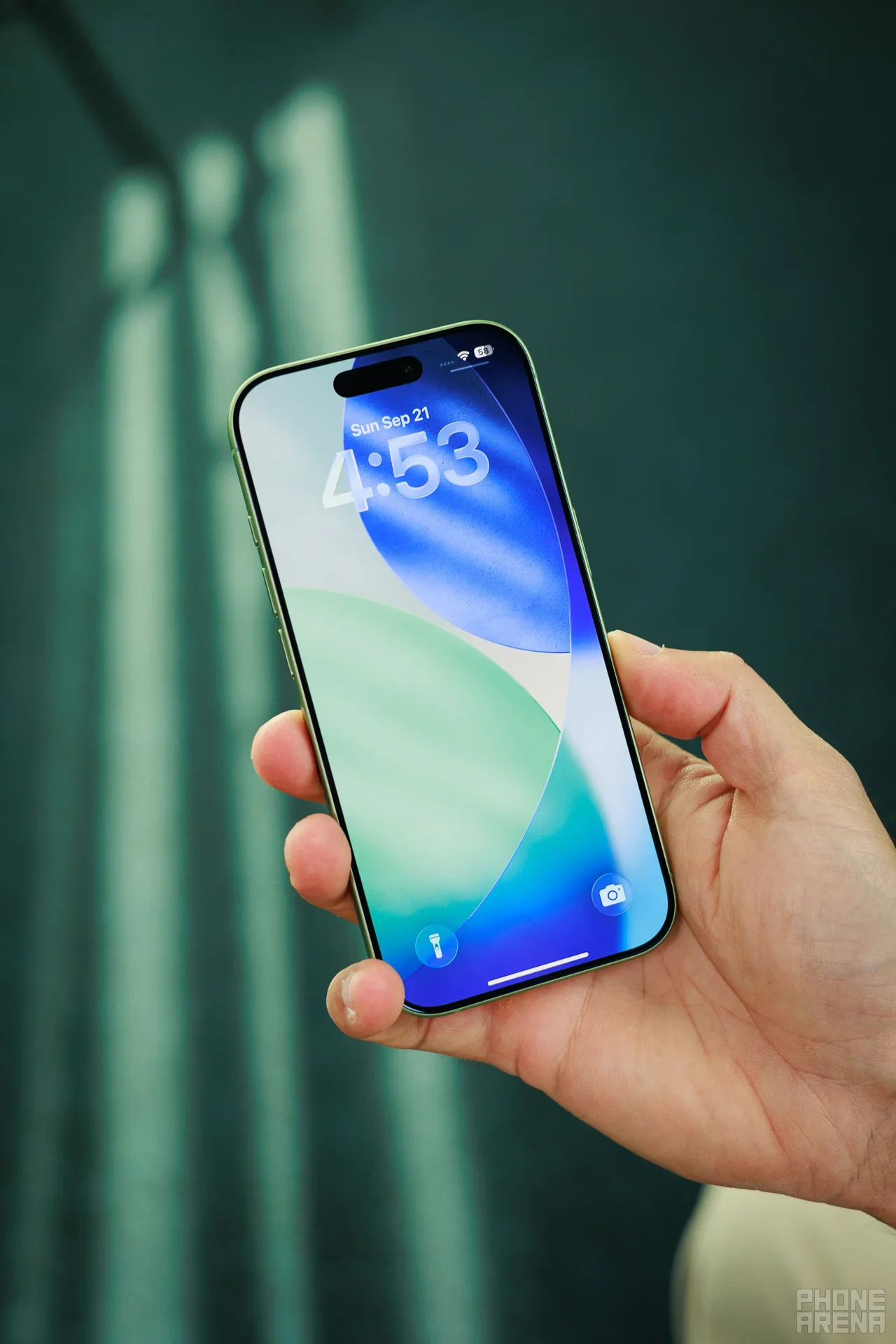
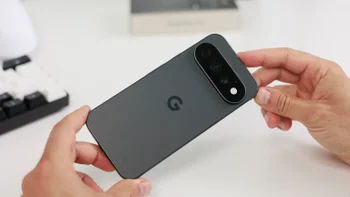
At least for the moment. | Image by PhoneArena
The OpenAI phone – if it happens and if it comes with a decent battery life – could be an interesting gadget. I'll certainly give it a try, but for the moment (and until further details emerge) I'm staying on the skeptics team.
Maybe if I ride the subway and I see that less than 99.9% of people are on Instagram, TikTok or Messenger, I'll become a believer. Apps are still wanted.
We've seen tech giants fail at the same task numerous times in the past.
Remember this?
Amazon's most famous smartphone flop was the Fire Phone, launched in 2014. At the time, Amazon was the bee's knees. The company hoped a smartphone could extend its ecosystem and make shopping, media and Amazon services a daily habit. The Fire Phone introduced unusual features, including a "Dynamic Perspective" interface that used multiple cameras to create a 3D-like effect and Firefly, a tool that could scan products and quickly connect users to Amazon listings.
Despite the attention around its launch, the Fire Phone failed almost immediately. Reviewers criticized its high price, limited app selection and lack of appeal compared with iPhones or Android rivals. Because it relied on Amazon's customized version of Android, users did not get the full Google app experience many expected.
The Fire Phone was discontinued about a year later.
Microsoft's smartphone flop was more complicated because, well, it's Microsoft for crying out loud. Windows Mobile had an early presence in business phones, but the modern smartphone era changed everything after the iPhone launched in 2007. Microsoft responded with Windows Phone in 2010, featuring a fresh tile-based interface that many users and critics praised for its design.
The strategy never worked. While Windows Phone devices were often well-built, the platform suffered from a major app gap. Developers focused on iOS and Android. By the late 2010s, Windows Phone was done.
Facebook's smartphone flop centered on the HTC First (this bad boy materialized in 2013). Unlike Amazon or Microsoft, Facebook did not build a full phone operating system. Instead, it partnered with HTC and introduced Facebook Home, a software layer for Android that placed Facebook content at the center of the device experience.
Yeah… but consumers were not interested. Many people wanted flexibility, apps and personalization rather than a phone dominated by one social network. Sales of the HTC First were poor and the product was soon considered a commercial failure.
Six-month unlimited plan is now 57% off
$90
$210
$120 off (57%)
Mint Mobile is now allowing you to get whichever plan you like for either three, six, or 12 months for just $15/mo. If you go for the six-month unlimited service, for instance, you'll now have to pay just $90 upfront instead of $210.
Sebastian is one of PhoneArena’s senior opinionators. A veteran news writer with almost 20 years of experience in media and technology, he not only covers all the hot news about Galaxies and iPhones, but often provides hot takes on industry trends. He’s fascinated with camera-focused flagships from the likes of Oppo and Vivo, as well as foldable phones.
A discussion is a place, where people can voice their opinion, no matter if it
is positive, neutral or negative. However, when posting, one must stay true to the topic, and not just share some
random thoughts, which are not directly related to the matter.
Things that are NOT allowed:
Off-topic talk - you must stick to the subject of discussion
Offensive, hate speech - if you want to say something, say it politely
Spam/Advertisements - these posts are deleted
Multiple accounts - one person can have only one account
Impersonations and offensive nicknames - these accounts get banned
To help keep our community safe and free from spam, we apply temporary limits to newly created accounts:
New accounts created within the last 24 hours may experience restrictions on how frequently they can
post or comment.
These limits are in place as a precaution and will automatically lift.
Moderation is done by humans. We try to be as objective as possible and moderate with zero bias. If you think a
post should be moderated - please, report it.
Have a question about the rules or why you have been moderated/limited/banned? Please,
contact us.



Things that are NOT allowed:
To help keep our community safe and free from spam, we apply temporary limits to newly created accounts: