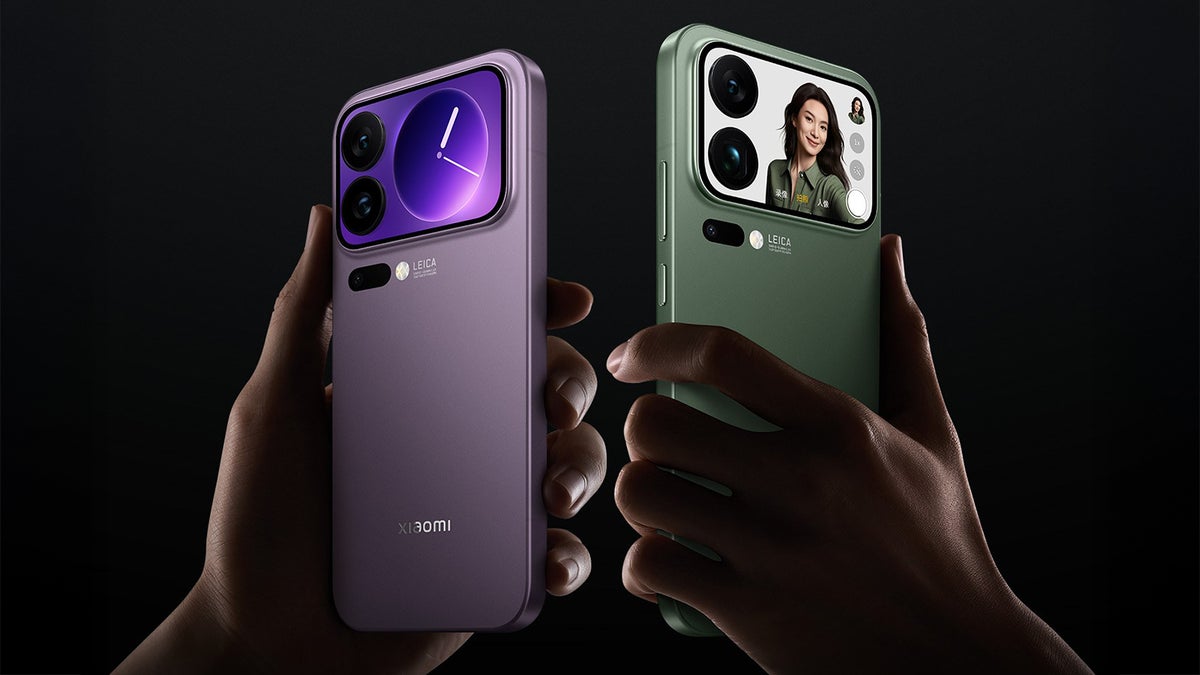
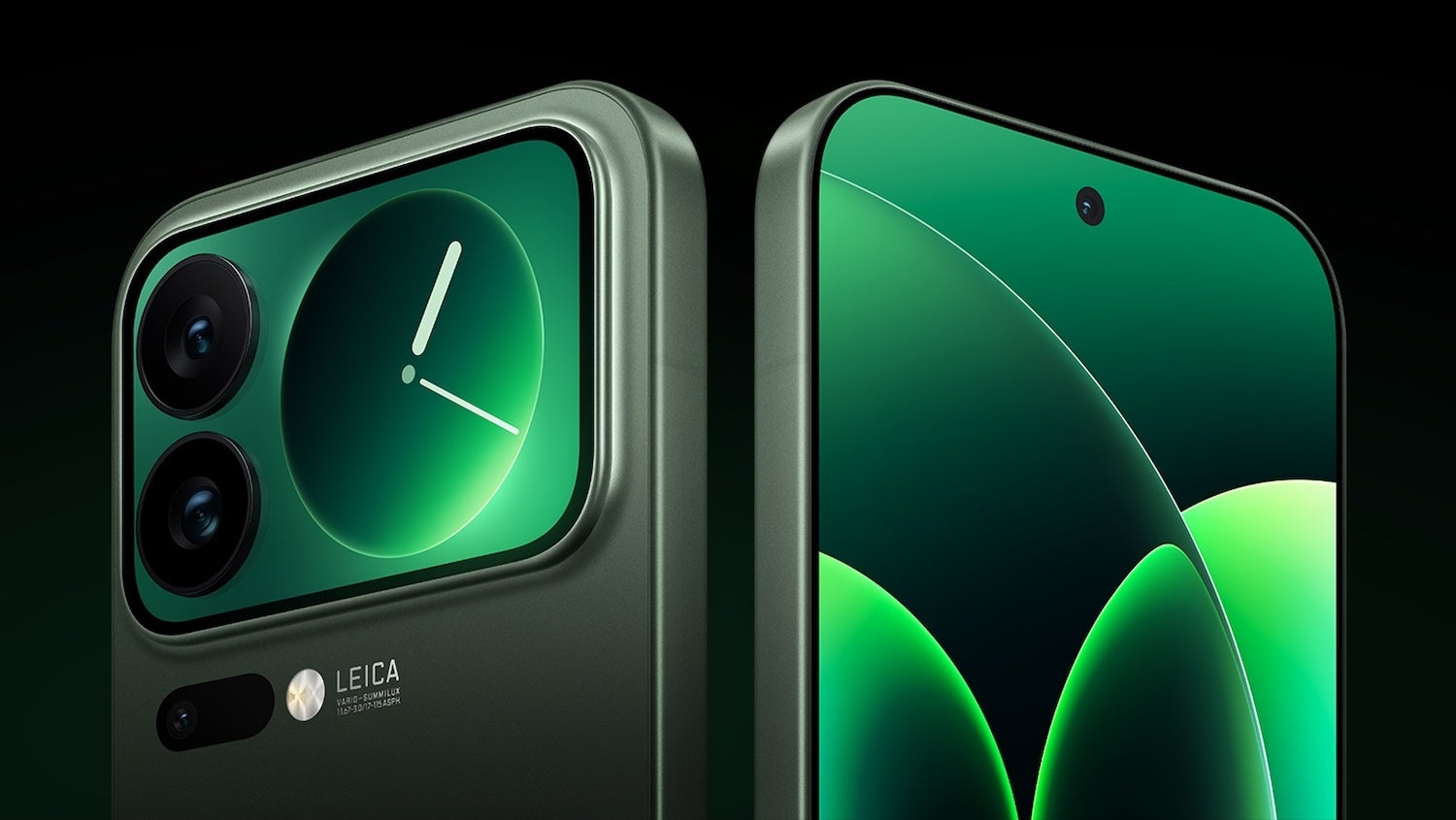
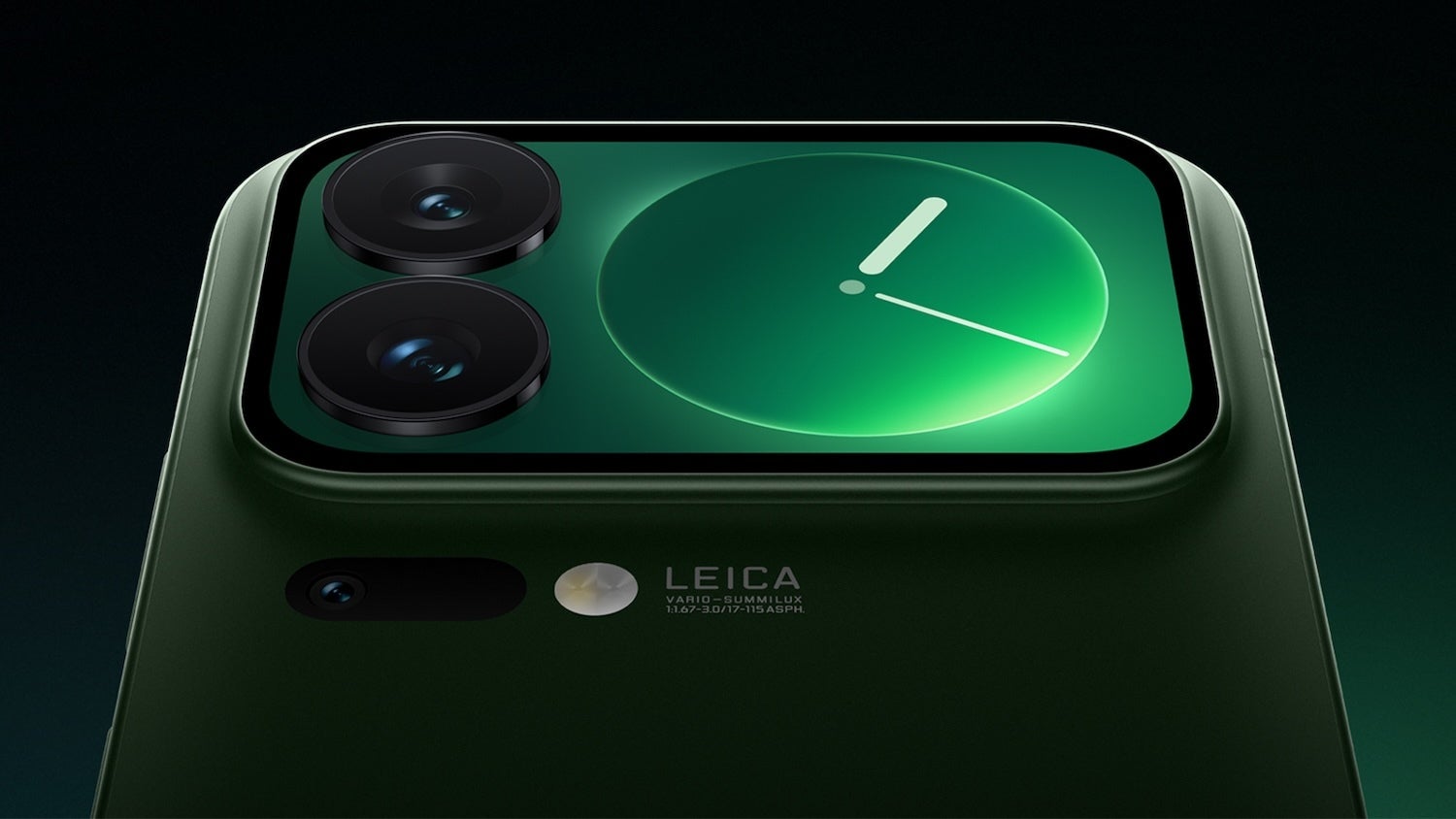
In a year where most flagship phones feel incredibly cautious, the Xiaomi 17 Pro Max does something genuinely bold. Its rear display is clever and new. It's not a gimmick, it's not a low-power notification strip, and not a marketing checkbox either. We get a fully capable second screen built directly into the camera plateau, and it is the most interesting smartphone feature I have seen in 2025.
What makes this rear display special is first, that it exists, but second, just how serious Xiaomi treats it. The secondary screen matches the front display in brightness, 120 Hz refresh rate, touch responsiveness, and glass quality. In other words, it does not feel like some useless accessory bolted onto the back of the phone. It feels intentional and deeply integrated into the experience.
Beyond just a gimmick
This approach immediately sets Xiaomi apart from most of the industry.
Apple has spent years improving the Dynamic Island, which is a clever solution, but forever confined to a small cutout at the top of the screen. Samsung has also dabbed in this idea by adding the Now Bar with quick updates, but that also lives entirely within the existing display (it also feels way too repetitive and devoid of purpose).
Recommended For You
Even Nothing, a company built around visual style and novelty, relies on LED patterns rather than an actual rear screen.
You could mention foldables here as they technically offer secondary displays, but the form factor is completely different and these come with their own set of compromises.
That's why I appreciate that Xiaomi adds something new without asking you to change how use a regular smartphone.
Personalization
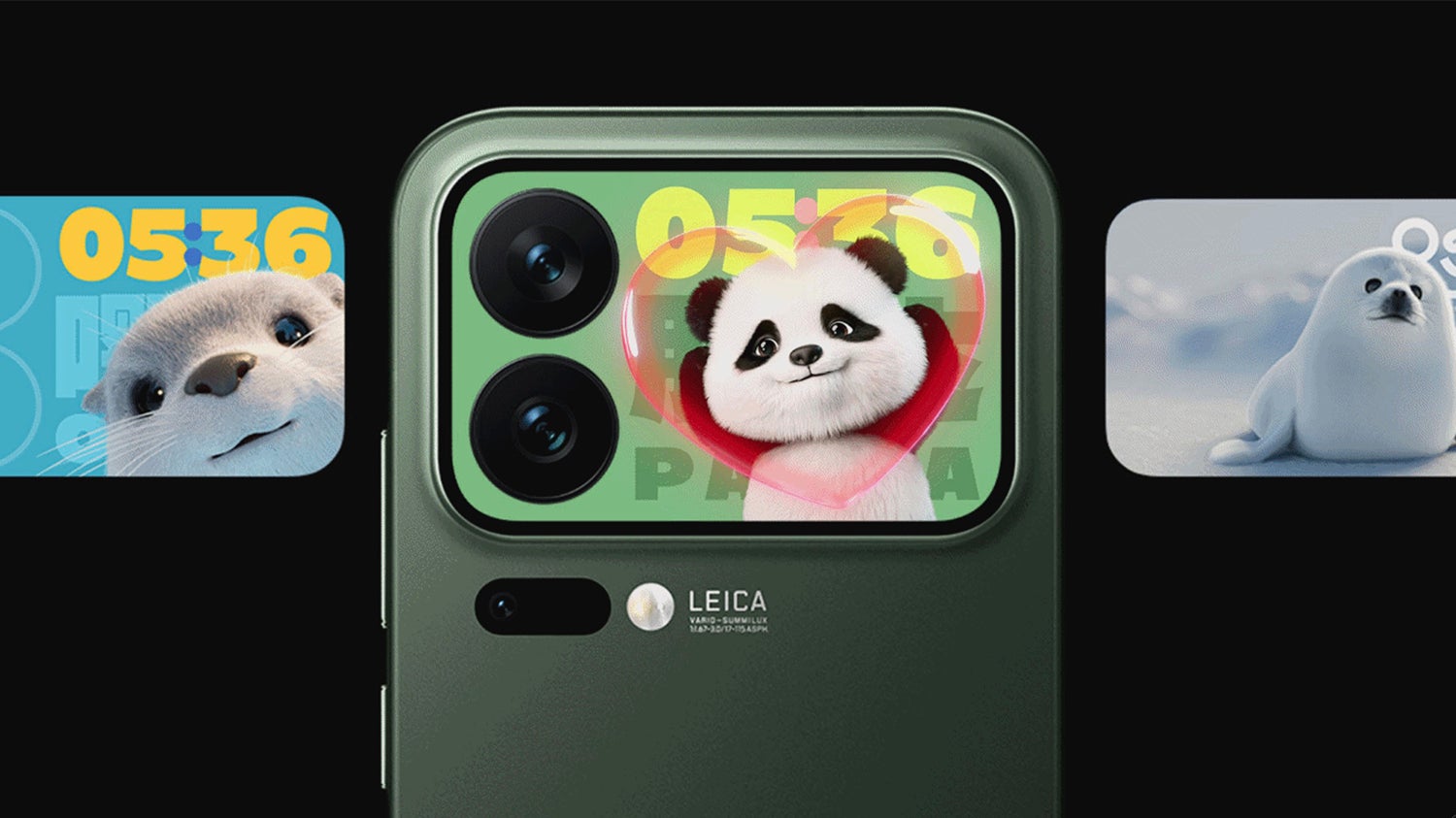
Xiaomi also went the extra mile with personalization.I'm talking way beyond basic widgets. The company definitely paid attention to details: you have mechanical clock faces, minimalist designs, step counters and animated characters. All visuals are high-resolution and feel a lot like those on a premium smartwatch.
You can also build your own designs from the ground up. You can choose your own text, fonts, colors and layouts. I also love how Xiaomi lets you generate AI animated backgrounds tailored to the rear screen size. Some third-party accessory would never go into that much detail, but Xiaomi does, and I love it. It's the perfect example of ambitious hardware meeting software at the same ambition level.
It helps detox from your main screen too
Xiaomi speaks of this rear display as a physical alternative to the iPhone's Dynamic Island or Samsung's Now Bar. Instead of using the main screen for quick information, it lives on the back of the device.
The rear display on the Xiaomi can also show music controls, pinned notes, reminders, images, QR codes and some lightweight widgets. This actually works great in social environments where you can just glance at the phone without fully distracting yourself.
Notifications and timers are still evolving, and this is one of the weaker areas for now. Timers work well, but the wider app integration feels unfinished. Still, this is a great first step and a strong foundation for the future.
A transformative camera experience
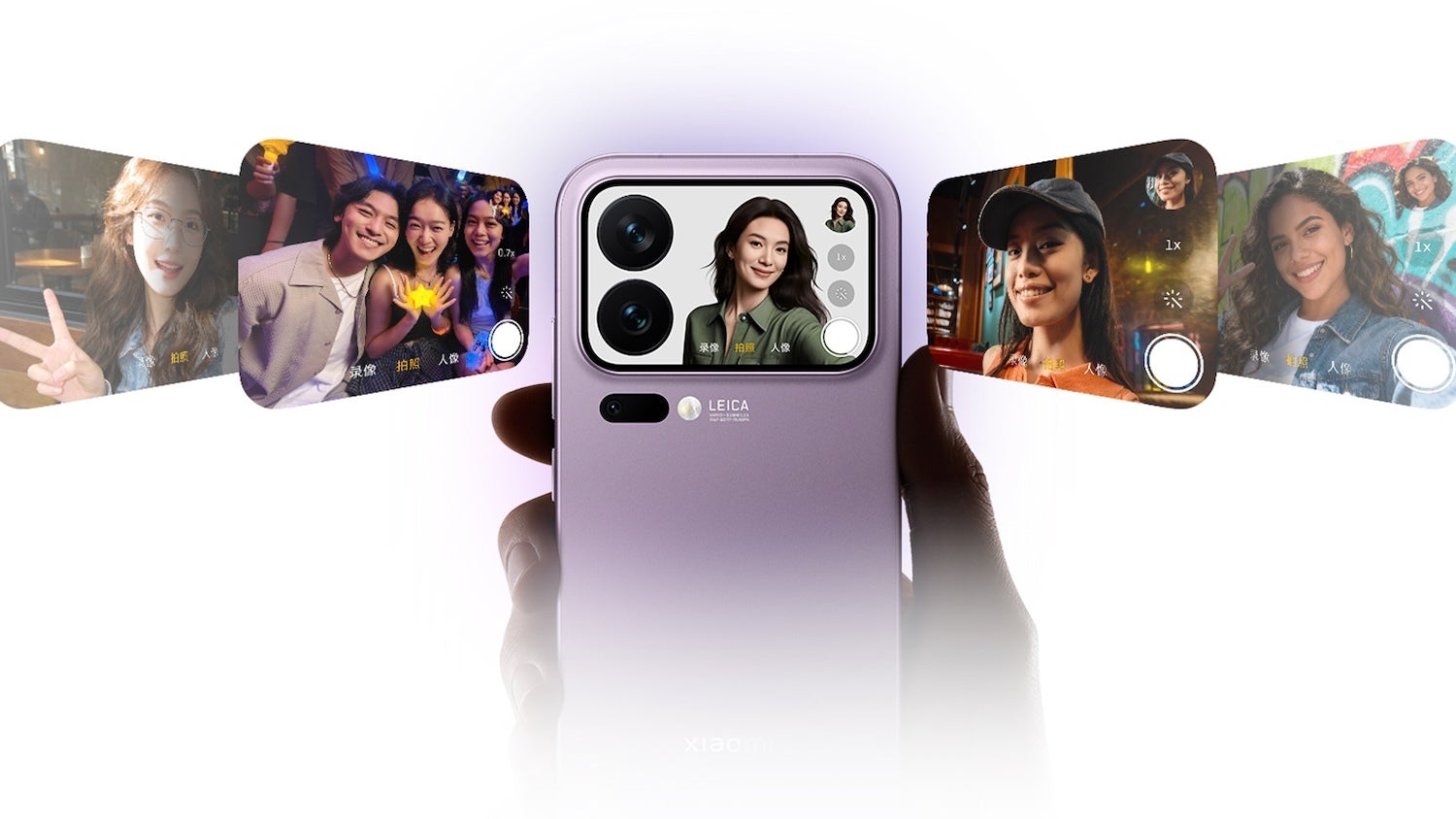
The real killer feature, however, is the camera experience. This is where the rear display stops being a fun gimmick and becomes transformative.
You can use this secondary screen as a full camera viewfinder, meaning you can use the powerful main camera for selfies and video. You can access it pretty much all via the small screen: portrait mode, zoom levels, the ultra-wide camera, and even 8K video.
The quality difference compared to traditional front cameras is quite noticeable. Gesture handling is also nicely optimized to reduce accidental touches.
This single use case already justifies the hardware for me.
Some experiments push too far
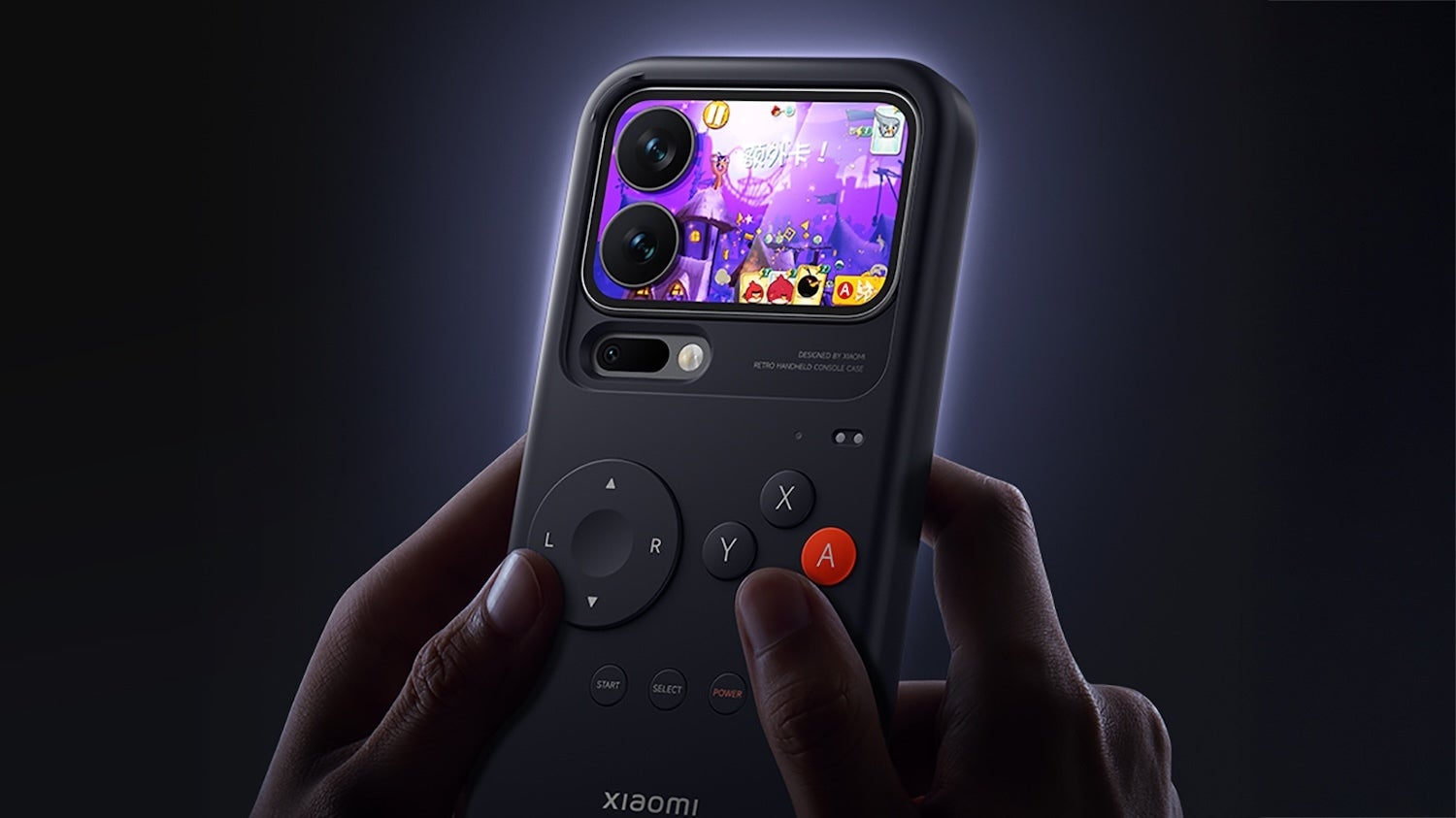
Not everything about this small screen is essential, though. Xiaomi went as far as to create a bespoke controller case that turns the rear display into a tiny gaming console. It works surprisingly well from a technical standpoint, but it is clearly not practical.
That said, this kind of experimentation reinforces the larger point. Xiaomi is willing to try things simply because they can, not because market research says it is safe.
A real vision for the future
The Mi 11 Ultra introduced the idea of a rear display, but it felt like a test. The Xiaomi 17 Pro Max turns that test into a statement.
The company has moved on from bragging about specs and numbers. It is now about changing how a phone can be used, especially for cameras, for quick interactions and for some new ways of personalization.
Six-month unlimited plan is now 57% off
$90
$210
$120 off (57%)
Mint Mobile is now allowing you to get whichever plan you like for either three, six, or 12 months for just $15/mo. If you go for the six-month unlimited service, for instance, you'll now have to pay just $90 upfront instead of $210.
Victor, a seasoned mobile technology expert, has spent over a decade at PhoneArena, exploring the depths of mobile photography and reviewing hundreds of smartphones across Android and iOS ecosystems. His passion for technology, coupled with his extensive knowledge of smartphone cameras and battery life, has positioned him as a leading voice in the mobile tech industry.
A discussion is a place, where people can voice their opinion, no matter if it
is positive, neutral or negative. However, when posting, one must stay true to the topic, and not just share some
random thoughts, which are not directly related to the matter.
Things that are NOT allowed:
Off-topic talk - you must stick to the subject of discussion
Offensive, hate speech - if you want to say something, say it politely
Spam/Advertisements - these posts are deleted
Multiple accounts - one person can have only one account
Impersonations and offensive nicknames - these accounts get banned
To help keep our community safe and free from spam, we apply temporary limits to newly created accounts:
New accounts created within the last 24 hours may experience restrictions on how frequently they can
post or comment.
These limits are in place as a precaution and will automatically lift.
Moderation is done by humans. We try to be as objective as possible and moderate with zero bias. If you think a
post should be moderated - please, report it.
Have a question about the rules or why you have been moderated/limited/banned? Please,
contact us.





Things that are NOT allowed:
To help keep our community safe and free from spam, we apply temporary limits to newly created accounts: