Nothing Phone (4a) review: the only Glyph left
The Nothing Phone (4a) is almost a (4a) Pro, but costs a good amount less. So... deal or no deal?
We may earn a commission if you make a purchase from the links on this page.
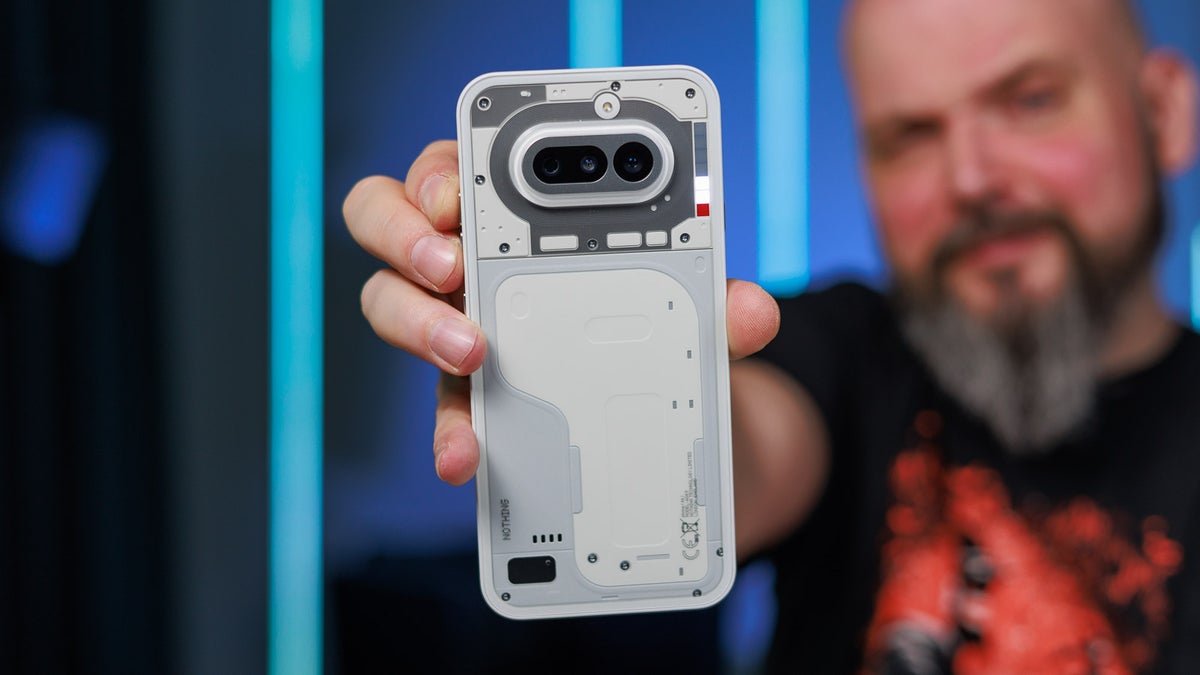
Nothing's (a) series of phones are a steady staple of the midrange market. They have a distinct style, a fresh experience, and now come in a few different colors, too!
The Nothing Phone (4a) doesn't reinvent the transparent wheel. It's still got the shape and general style of the Phone (3a) that came before it. The signature Glyph strips are gone, now replaced by a single line of LEDs. The Essential button makes a return as the de-facto signature Nothing feature. And the rest is a slight riff and upgrade to a formula that was already working pretty well.
In Europe, it's priced at €349, in its home of the UK it costs £349. It's not sold officially in the US — the States only get the Nothing (4a) Pro.
The question is — is the Nothing Phone (4a) good enough? In the EU, it's €130 cheaper than the Pro, but a glance at the specs reveals that the two phones are very similar. We need to dig deeper.
Table of Contents:
Nothing Phone (4a) Specs
Like a Pro
Let's start with an overview of the Nothing Phone (4a) specs:
|
|
| Nothing Phone (4a) | Nothing Phone (4a) Pro |
| Dimensions | |
|---|---|
| 163.9 x 77.5 x 8.5 mm | 163.6 x 76.6 x 7.9 mm |
| Weight | |
| 205.0 g | 210.0 g |
| Size | |
|---|---|
| 6.8-inch | 6.8-inch |
| Type | |
| AMOLED, 120Hz | AMOLED, 144Hz |
| System chip | |
|---|---|
| Snapdragon 7s Gen 4 SM7635-AC (4 nm) | Snapdragon 7 Gen 4 SM7750-AB (4 nm) |
| Memory | |
| 8GB (LPDDR4X)/128GB (UFS 3.1) 8GB/256GB 12GB/256GB |
8GB (LPDDR5X)/128GB (UFS 3.1) 12GB/256GB |
| Type | |
|---|---|
| 5080 mAh | 5080 mAh |
| Charge speed | |
| Wired: 50.0W | Wired: 50.0W |
| Main camera | |
|---|---|
| 50 MP (OIS, Autofocus, PDAF) Sensor name: Sony LYT-710 Aperture size: F1.9 Focal length: 24 mm Sensor size: 1/1.57" Pixel size: 1 μm | 50 MP (OIS, Autofocus, PDAF) Sensor name: Sony LYT-710 Aperture size: F1.9 Focal length: 24 mm Sensor size: 1/1.56" Pixel size: 1 μm |
| Second camera | |
| 8 MP (Ultra-wide) Aperture size: F2.2 Focal Length: 15 mm Sensor size: 1/4" Pixel size: 1.12 μm | 8 MP (Ultra-wide) Aperture size: F2.2 Focal Length: 15 mm Sensor size: 1/4" Pixel size: 1.12 μm |
| Third camera | |
| 50 MP (Telephoto, Periscope, OIS, Autofocus, PDAF) Optical zoom: 3.5x Aperture size: F2.9 Focal Length: 80 mm Sensor size: 1/2.75" Pixel size: 0.64 μm | 50 MP (Telephoto, Periscope, OIS, Autofocus, PDAF) Optical zoom: 3.5x Aperture size: F2.9 Focal Length: 80 mm Sensor size: 1/2.75" Pixel size: 0.64 μm |
| Front | |
| 32 MP | 32 MP |
See the full
Nothing Phone (4a) vs Nothing Phone (4a) Pro specs comparison
or compare them to other phones using our
Phone Comparison tool
Nothing Phone (4a) Design and Display
Pretty familiar
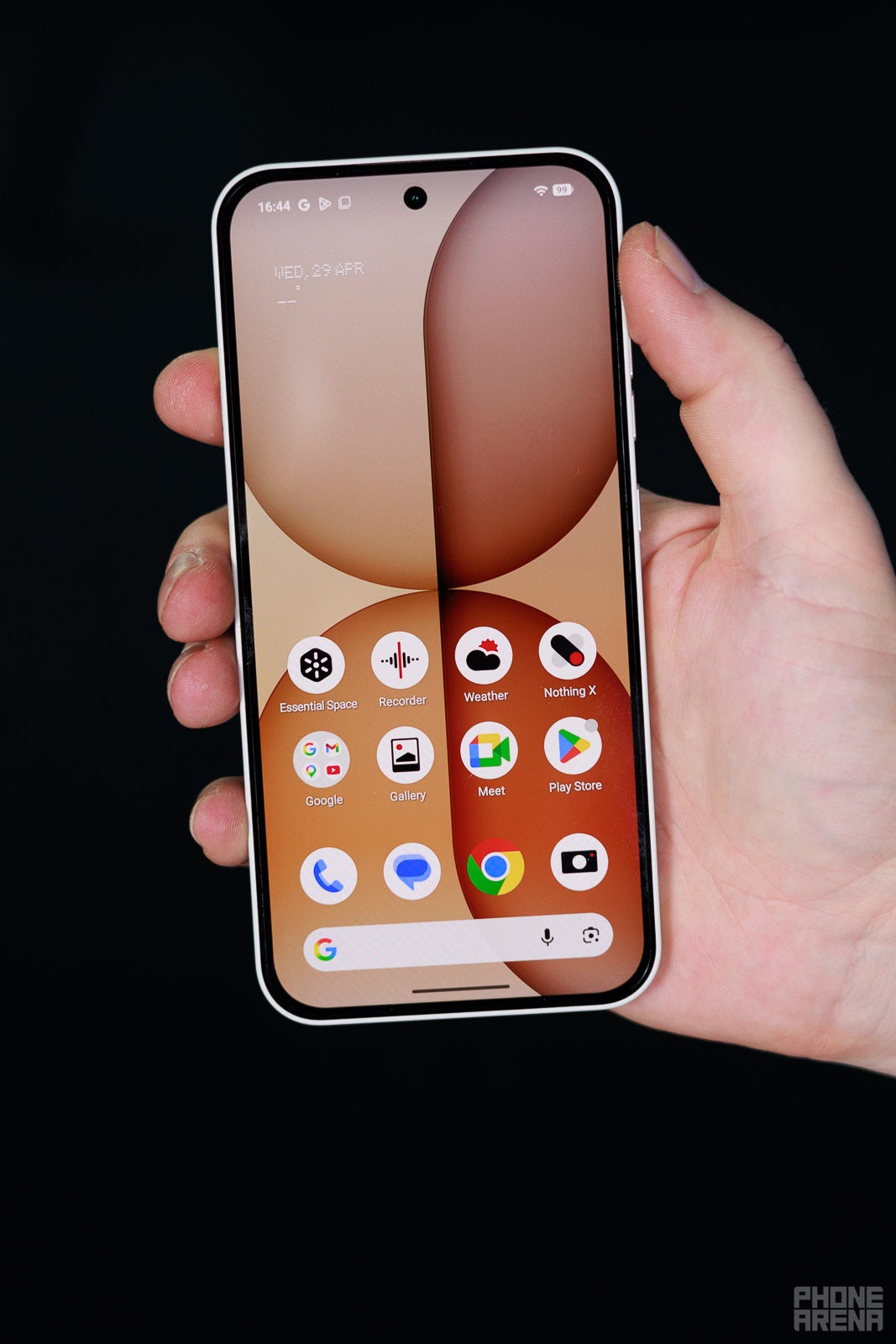
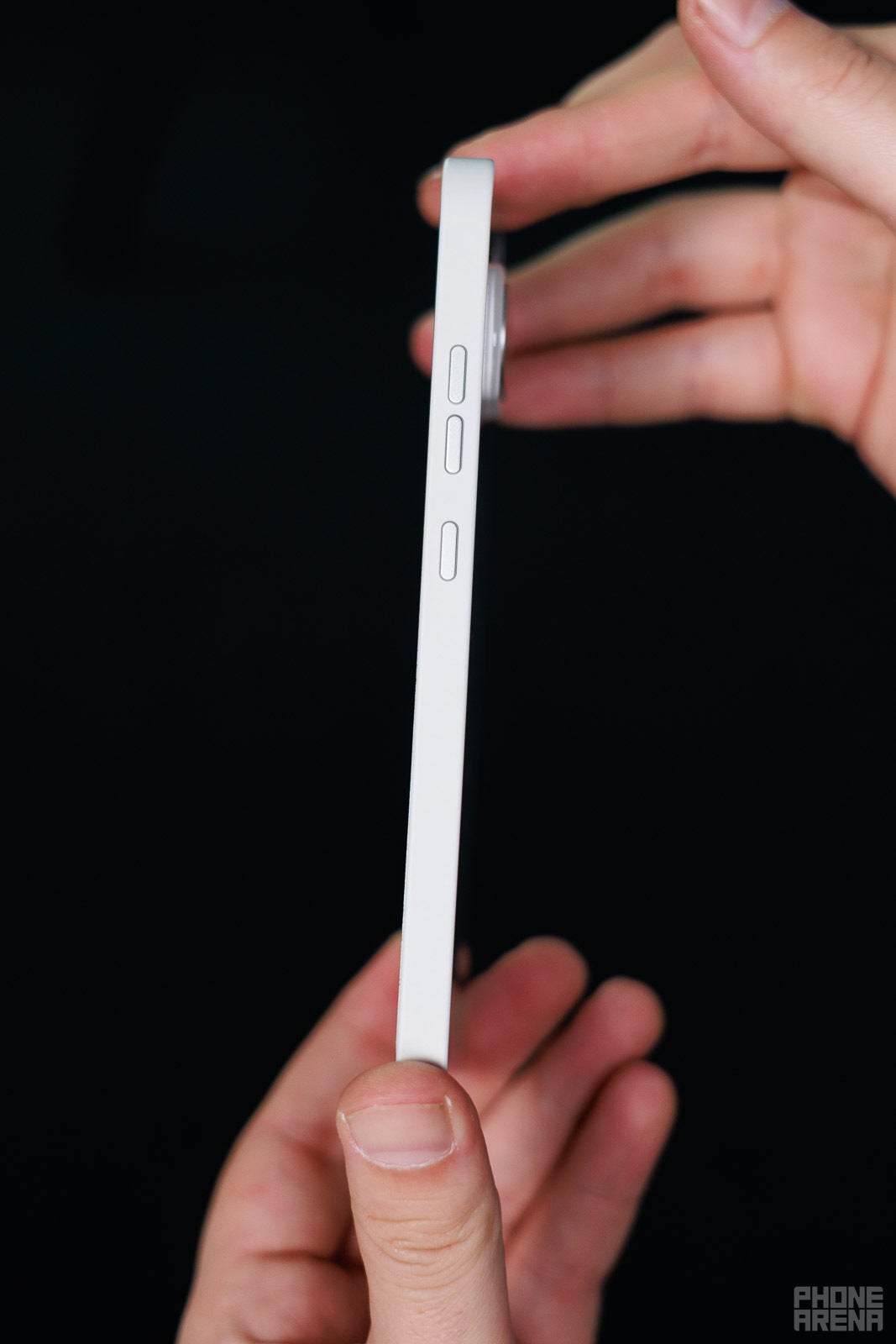
While the Phone (4a) Pro switched to an all-aluminum unibody, the Phone (4a) sticks to the plastic frame / glass back combo. But no, this doesn't mean it supports wireless charging, as this is one of the first things to go when Nothing designs its budget phones.
In shape and feel, the (4a) is very much like its predecessors — an elongated camera bump with three lenses, smooth glossy back, curved edges to be soft on the palm. The transparent back is still here, with a rather complex tech pattern underneath it, which still looks pretty cool.
The Glyph Interface is now a Glyph Bar with a few LED-lit squares that retain that tech-punk feel. In fact, since all other Nothing Phones have moved on to the less-exciting Glyph Matrix (basically a circular low-res display) on the back, the Phone (4a) is currently your only chance of getting that geeky Glyph vibe that Nothing became known for.
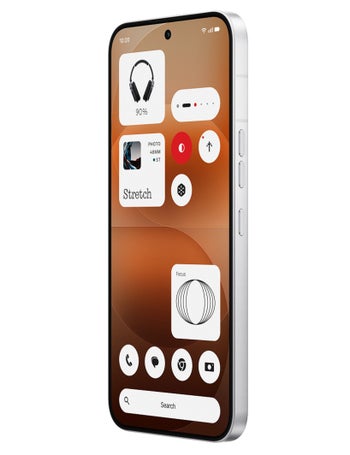
It houses a 6.8-inch screen, so I'd categorize it as a larger phone. Even if its bezels are reasonably thin, there's no going around it. At least it's light and easy to handle thanks to the plastic build and grippy texture of the frame.
There's still the special Essential Button on the left — the key to Nothing's take on AI. It's nothing too elaborate, but a helpful little tool — the Essential Button either takes a screenshot or initiates a voice recording. Then, that is stored and categorized automatically into the Essential Space. On-device AI will analyze it and tag it appropriately, so you can later find it easier.
On the other end, we have the clicky volume and power buttons. Not too wobbly, not too shallow — just right.
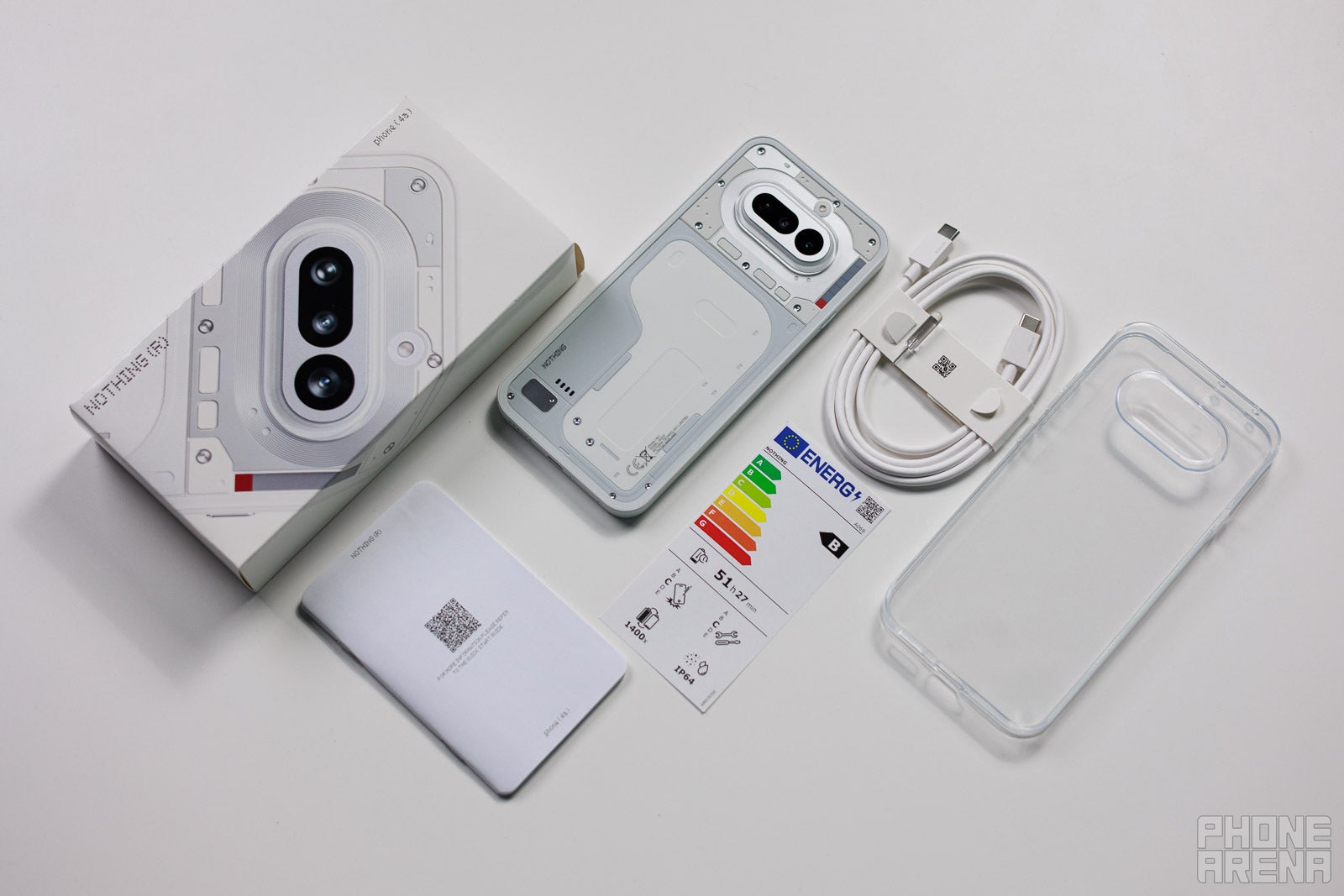
The box candy includes a transparent case and a charging USB-C cable, SIM tool, and some literature. Not charger.
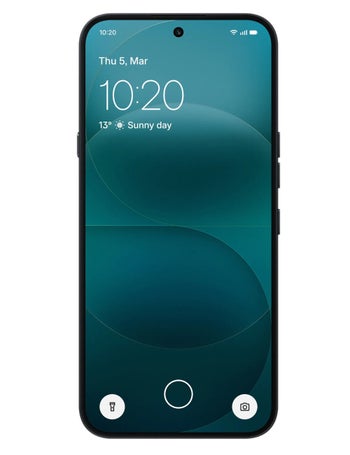
The display on the Nothing Phone (4a) is pretty impressive for its midrange price point. An AMOLED panel with a 1224 x 2720 resolition ensures you get around 440 pixels per inch density, a refresh rate of 120 Hz, which is the industry standard for flagships, and a 4,500 nit peak brightness.
It's a very good screen, you love to see it on a midrange phone.
Display Measurements:

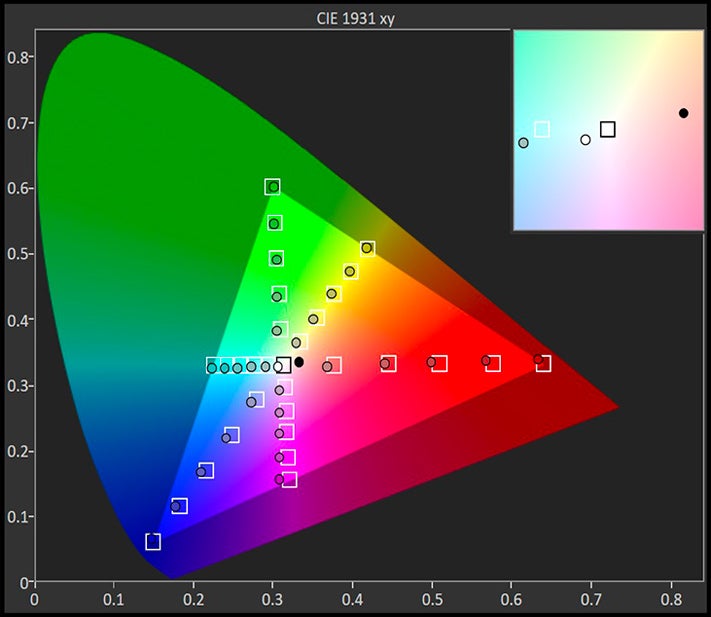
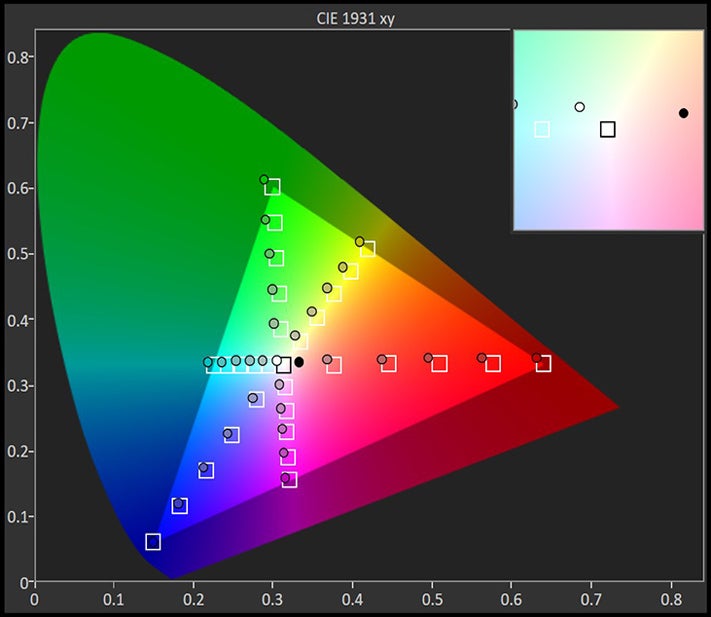
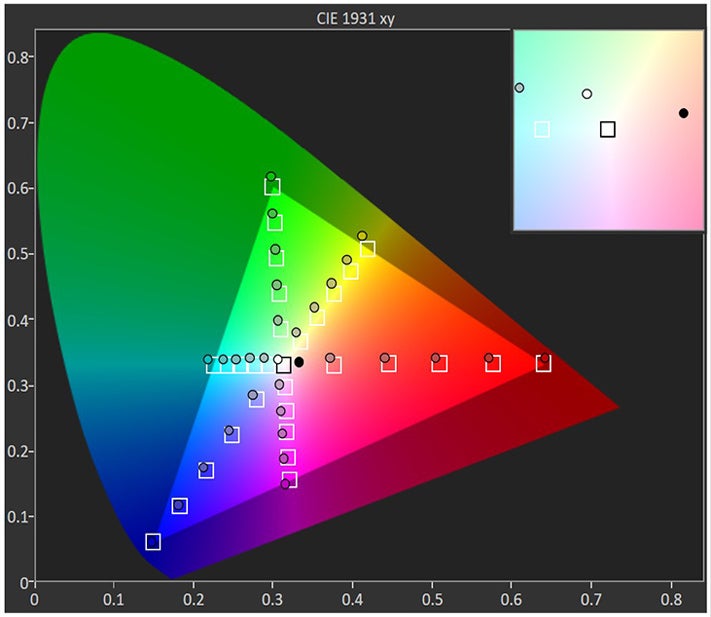

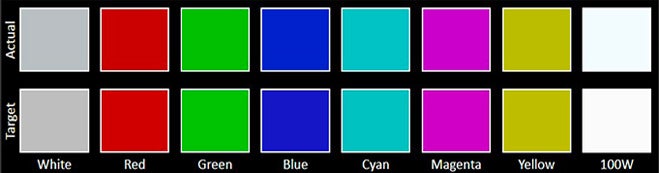
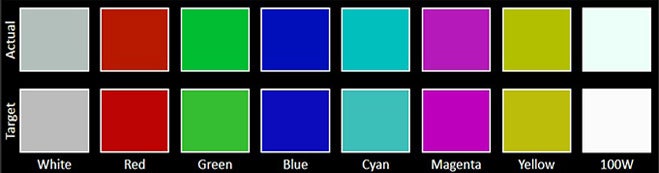
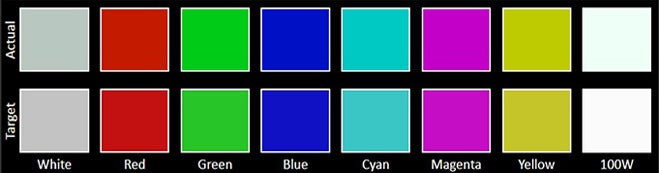




We don't measure peak brightness, which shows the performance of the display when a small area is engaged for a fraction of time. Instead, we simulate real-world use with a 20% Average Picture Level measurement (20% of the screen has full white, 80% full black). We measure general all-screen brightness and 20% screen brightness to more accurately represent how the display would perform in the day-to-day. The Nothing Phone (4a) hits almost 1,600 nits there, which is still pretty great. And a 2-nit minimum, which is not ideal but still quite impressive in the price bracket.
The specs are pretty similar to what the Phone (4a) Pro offers. The difference is that the Pro hits 144 Hz refresh rate.
Just like the (4a) Pro, there's an optical fingerprint scanner underneath the display, which is pretty fast and fairly accurate — can't remember struggling with it.
Just like the (4a) Pro, there's an optical fingerprint scanner underneath the display, which is pretty fast and fairly accurate — can't remember struggling with it.
Nothing Phone (4a) Camera
No corner-cutting
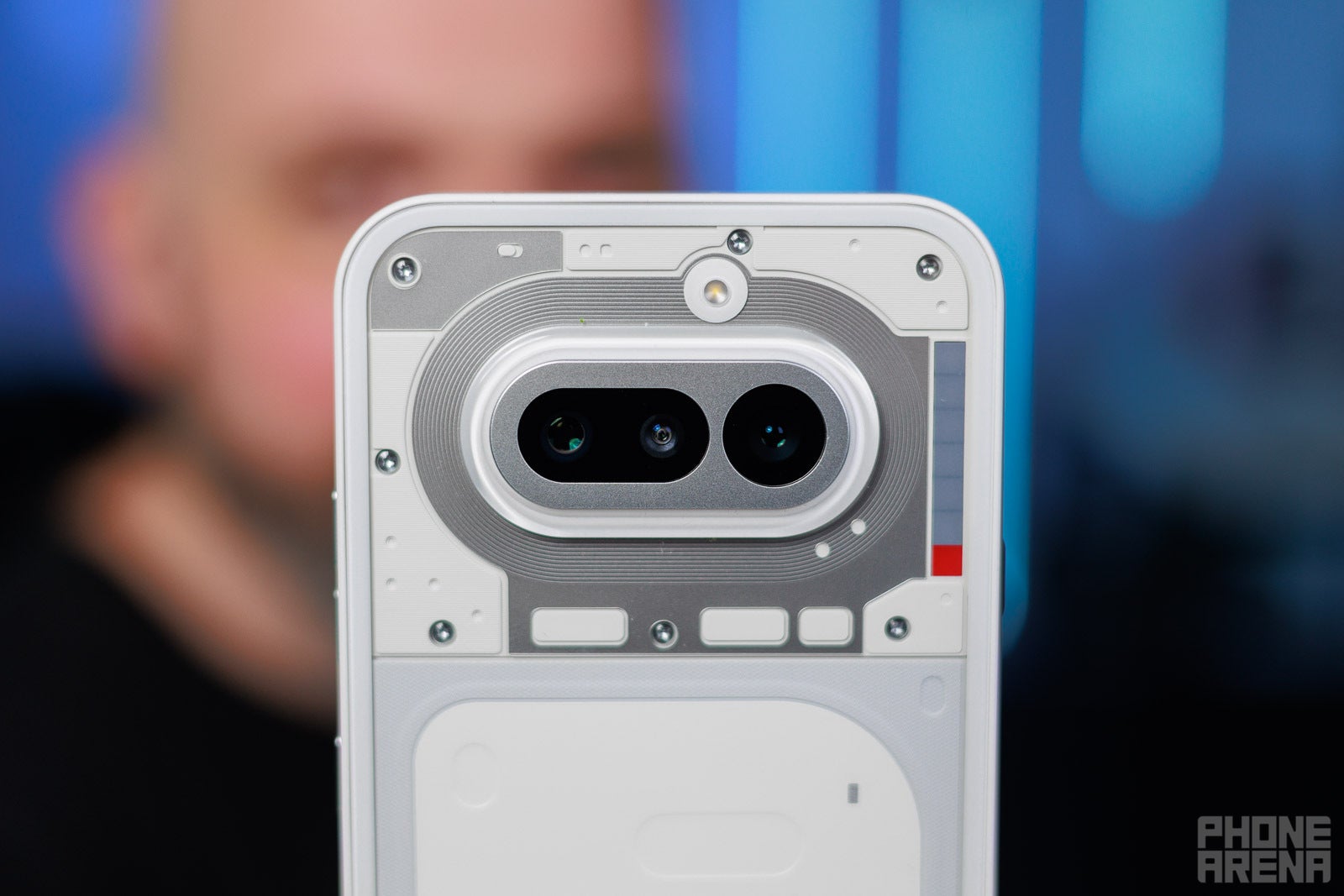
Again, looking at the sensors and lenses used here, the Nothing Phone (4a) doesn't come with anything less than what the (4a) Pro has.
And, as the (4)a Pro, the Nothing Phone (4a) photos leave something to be desired. The dynamic range is on the narrow side, crushing shadows, colors come out "mobile phone-y" with their saturation, and the calibration when you switch between the different cameras doesn't match.
They are not bad photos — they just won't be entering photography contests. Otherwise, the cameras can work just fine for memorabilia and sharing moments on social media. And yes, I am criticizing a phone that is well below $500 here, but then again the Google Pixel 9a is a thing, and its camera is very hard to beat in this price bracket.
Video Quality
The video also comes out overexposed and oversaturated. You will also see that we found our first bug — when you start recording and choose to zoom in later, the camera does not auto-focus after switching lenses. Though, I am confident that Nothing will patch this up, as they generally release multiple camera improvements via software updates during their phones' lifecycles.


Nothing Phone (4a) Performance & Benchmarks
Snapdragon 7 with an S
One of the main internal differences compared to the (4a) Pro — the Nothing Phone (4a) comes with a Qualcomm Snapdragon 7s Gen 4. That "s" is important, because it denotes a slower version of the chip — about 25% less score in benchmarks compared to the Snapdragon 7 Gen 4. It also has less memory bandwidth and a slower modem.
It's still an adequate chip in 2026, but it really cuts down on the premium features. For example, it does support 4K video recording — pretty normal — but cuts it down to a 30 FPS cap. Not the end of the world, but certainly not premium.
CPU Performance Benchmarks:
In raw CPU speed, it does fall short compared to its contemporaries. It's worth noting that the Phone (4a) only has LPDDR4X RAM, too, while the industry (and the Pro) has comfortably moved on to LPDDR5X.
GPU Performance
On the GPU tests, the Nothing Phone (4a) steps up. Yes, it starts off a bit slower than the Tensor G4 in the Pixel 9a, but it doesn't throttle at all. So, once the Pixel steps down due to heat, it matches the speed of the Phone (4a).
For storage options, you can choose between 128 GB and 256 GB with 8 GB and 12 GB RAM respectively.
Nothing Phone (4a) Software
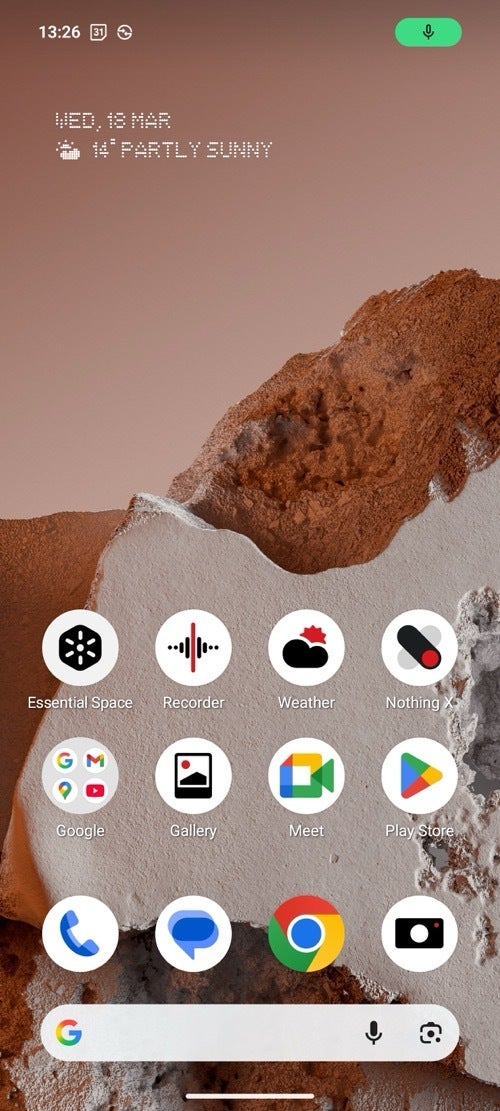
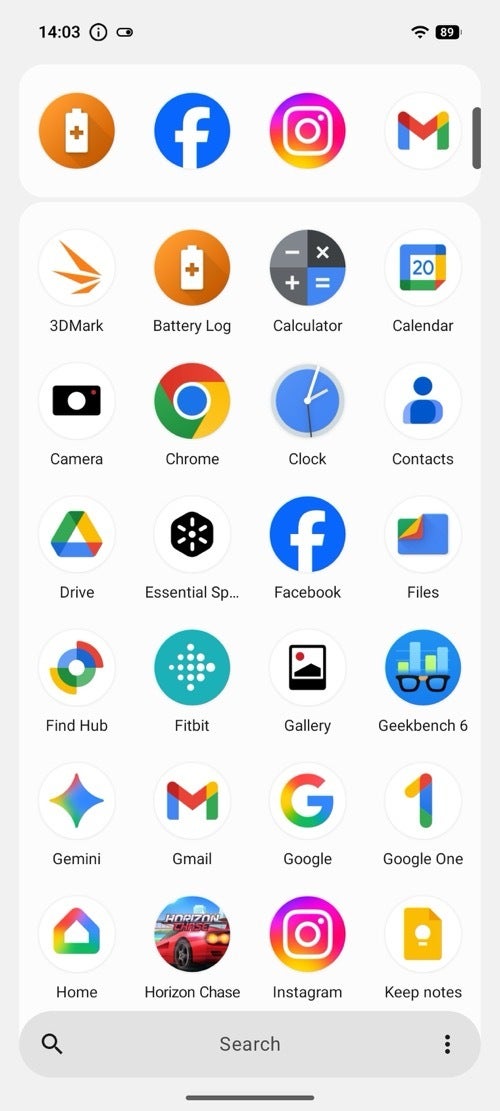
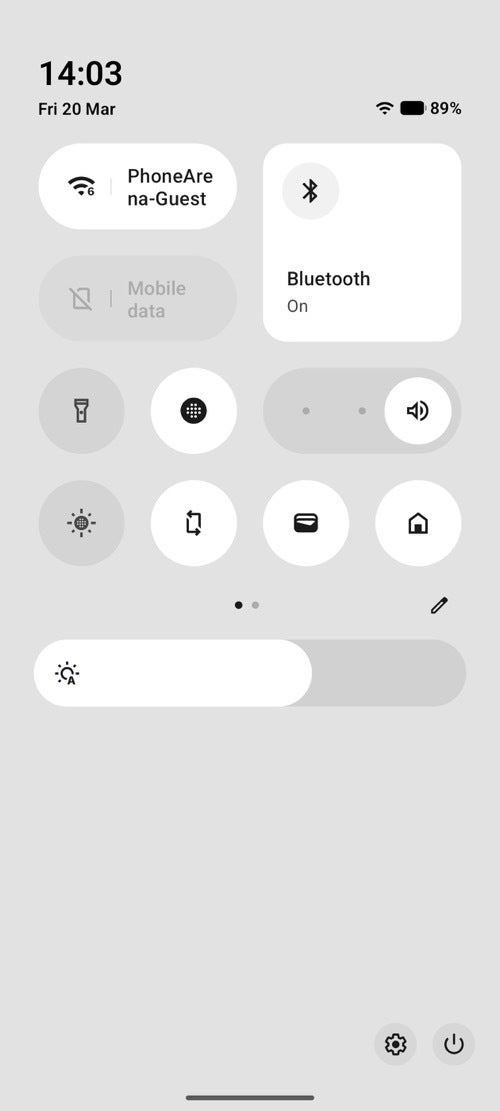
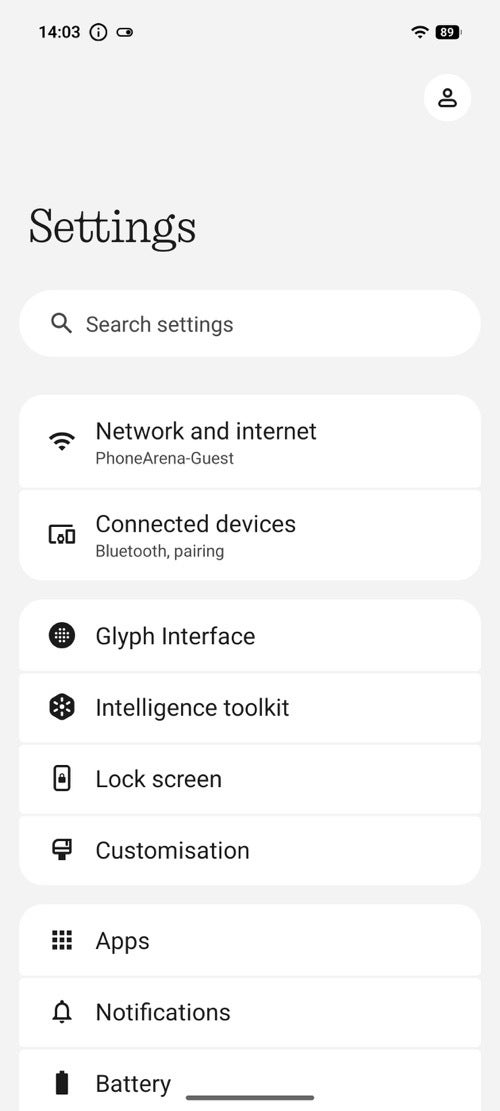
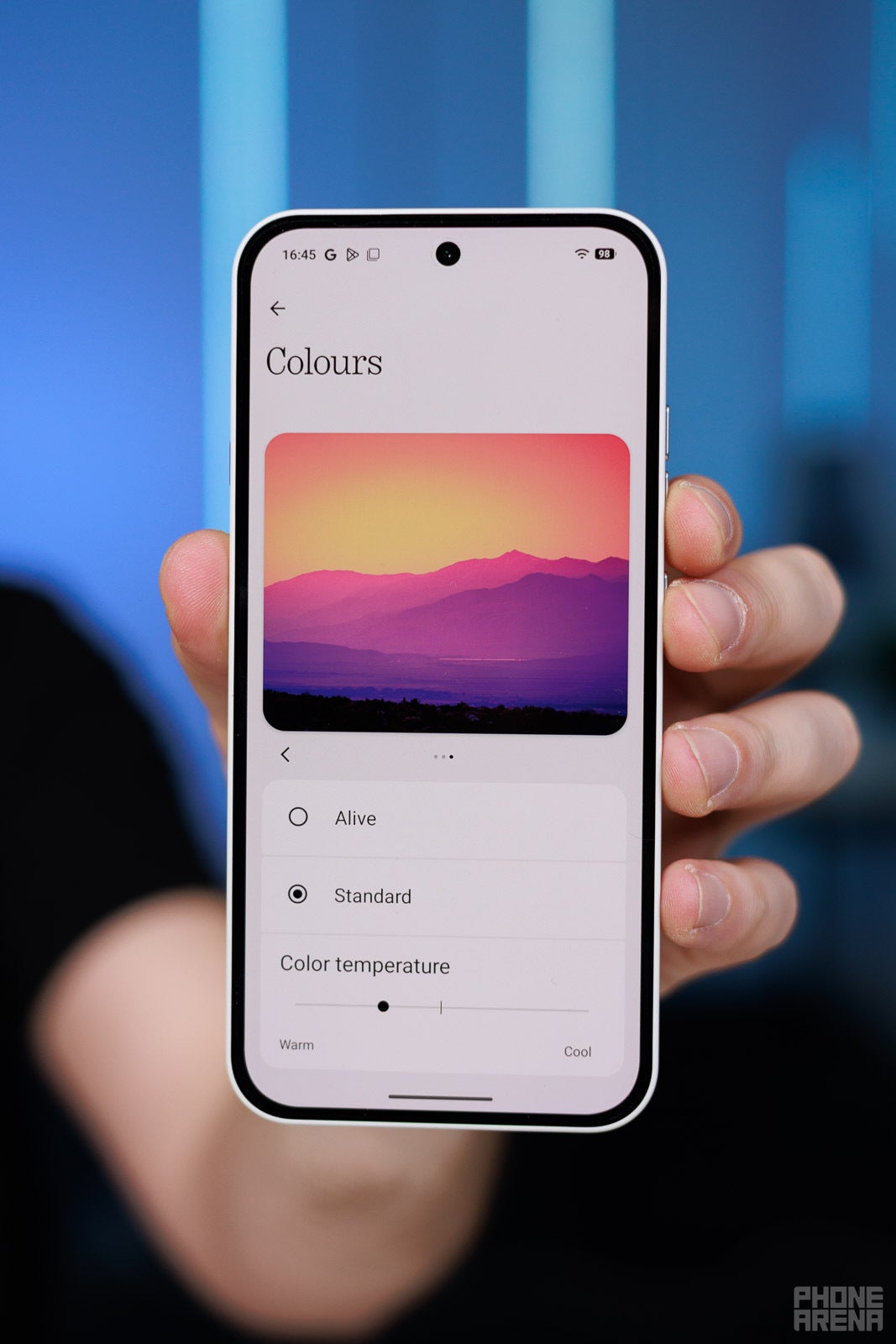
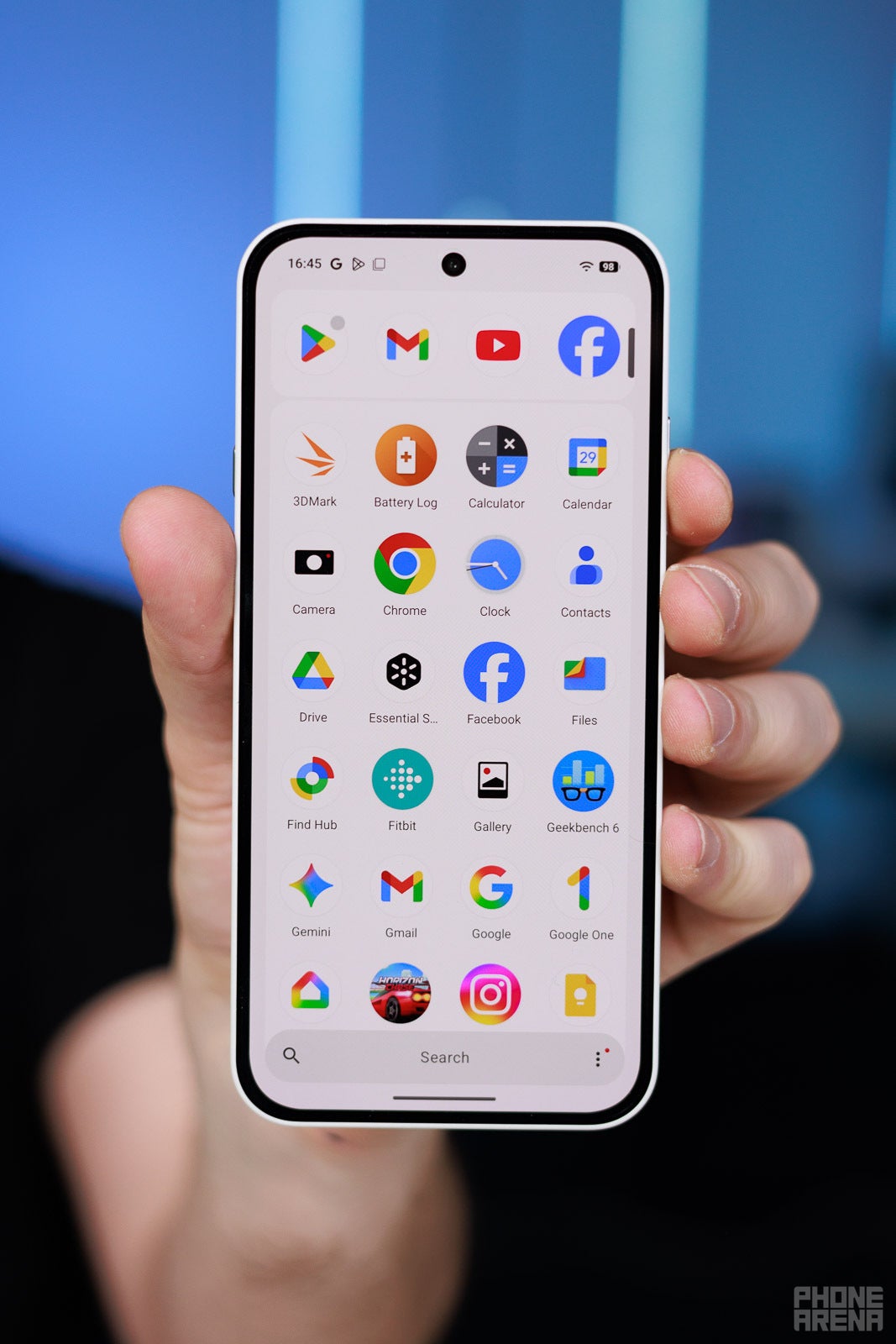
Out of the box, you get Android 16 with Nothing OS 4.1 on top of it. Nothing's skin is very effective — it's clean and simple, light and snappy, and can be customized towards minimalism and minimum distractions.
Nothing promises 3 major Android updates and 4 years of security patches. This should make the Phone (4a) last you well until 2030, if everything else holds up.
Nothing Phone (4a) Battery
Everyday marathon runner

Just like the Pro variant, the Phone (4a) has a 5,080 mAh battery. Mix that up with the light software and energy-efficient processor, and we have high hopes for a long battery life. The tests follow:
PhoneArena Battery Test Results:
As expected — pretty robust. As long as all you do on your phone is browsing and YouTube binging, it should last you more than a day on a single charge. 3D games, however, tend to drain a lot from it. Still, almost 7 hours of screen-on time while running a heavy game is quite the achievement.
You can top it up with a plug of up to 50 W — assuming you have one, 30 minutes on the wire will get you from 0% to 57%, quite enough to get you out of a pickle. There's no wireless charging support.
Nothing Phone (4a) Audio Quality and Haptics
The stereo speakers here are serviceable. The stock sound effects, alarms, and ring tones sound pretty good, but they have been designed specifically for the phone. The drivers are a bit thin and tinny, so not ideal for music or entertainment. But they do just fine for podcasts or talking videos. No headphone jack.
Nothing's haptics are great. Which is important, because they do work in tandem with the percussive and clicky ringtones and notification sounds. Even at the lowest price point, the Nothing Phone (4a) delivers a very pleasing tactile feel.
Should you buy it?
Should you buy this one or, more importantly, should you look at the Nothing Phone (4a) Pro instead?
Well, to put it out there, if you want a really good camera for your money, better look at a Pixel 9a instead. That said, the Nothing Phones have a lot going for them to earn your cash. Their overall aesthetic, their minimalistic software, the Glyph, the overall vibe.
Personally, I prefer the Nothing Phone (4a) Pro because it has the all-aluminum body. That's something I've been missing on smartphones for a good decade now. Also, I am not a specs snob, but that LPDDR4X RAM on the non-Pro model has even me turning my nose up. Not for the now, but more when thinking about future-proofing.
If budget is tight, the Nothing Phone (4a) is almost as good for a considerable price drop.


Popular stories


Latest News


Things that are NOT allowed:
To help keep our community safe and free from spam, we apply temporary limits to newly created accounts: