With a blizzard coming to the Midwest, T-Mobile has some tips to help you stay safe
T-Mobile is getting ready to provide mobile service in some states expected to get up to three feet of snow.
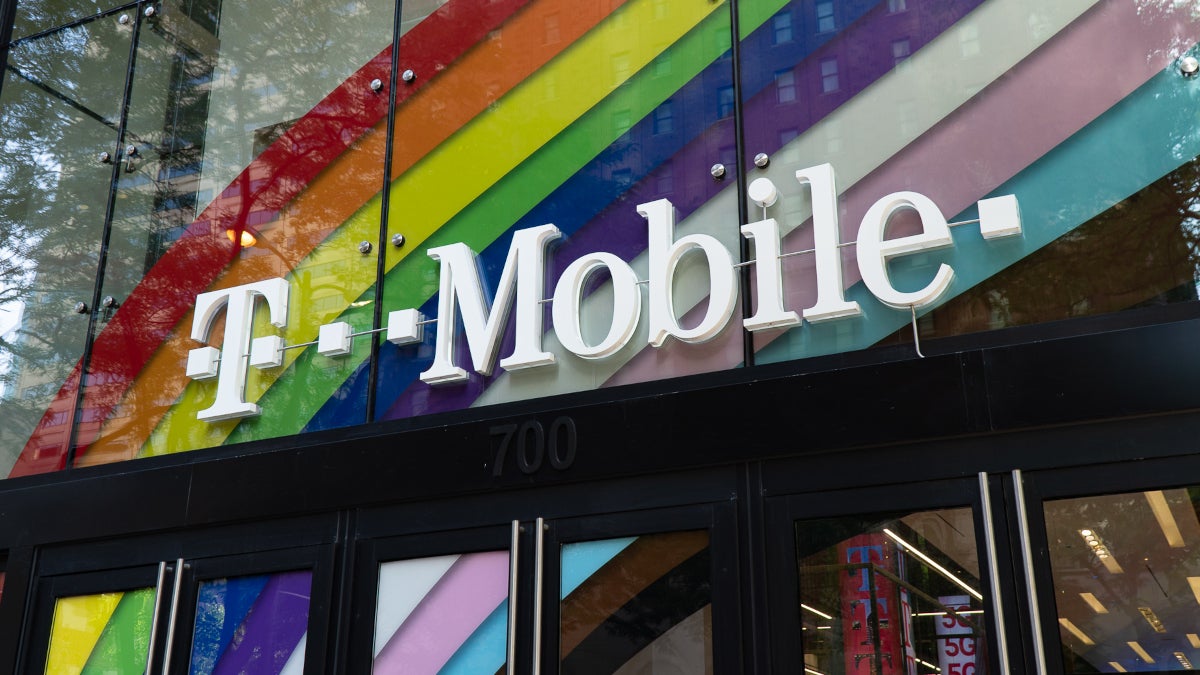
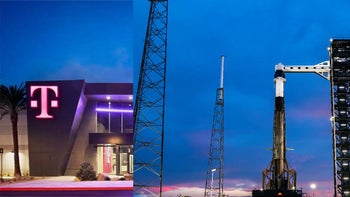
T-Mobile prepares for midwest storm. | Image by PhoneArena
A historic winter storm is currently taking place in South Dakota, Iowa, Minnesota, Wisconsin and Michigan. Blizzard Warnings and Winter Storm Warnings are being disseminated throughout these states. In some of the aforementioned states, as much as three feet of snow is forecast to fall while gusts of wind might go whizzing right by your ears traveling at speeds of 40 mph to as high as 50 mph.
Bad weather can impact your cell service
Not only does all of this bad weather make it difficult to physically travel safely during the storm, it also becomes harder to communicate via your smartphone. The winds and the snow not only increase the probabilities of vehicular accidents taking place during the storm as travel conditions deteriorate, they also make it more likely that important telecom lines will be negatively impacted by the weather. Winds can blow down power and phone lines and damage cell towers. Swaying towers can cause antennas to get misaligned.
Most cell towers are designed to handle heavy winds, but in the event that unusual weather conditions occur, T-Mobile is making its network mobile by bringing into the area its SatCOLTs (Satellite Cell on Light Truck). These are satellite-powered cell systems mounted on trucks. But since this uses an extendable 65-foot mast that on some units can extend to 100-feet, heavy winds can still negatively impact cellular communications.
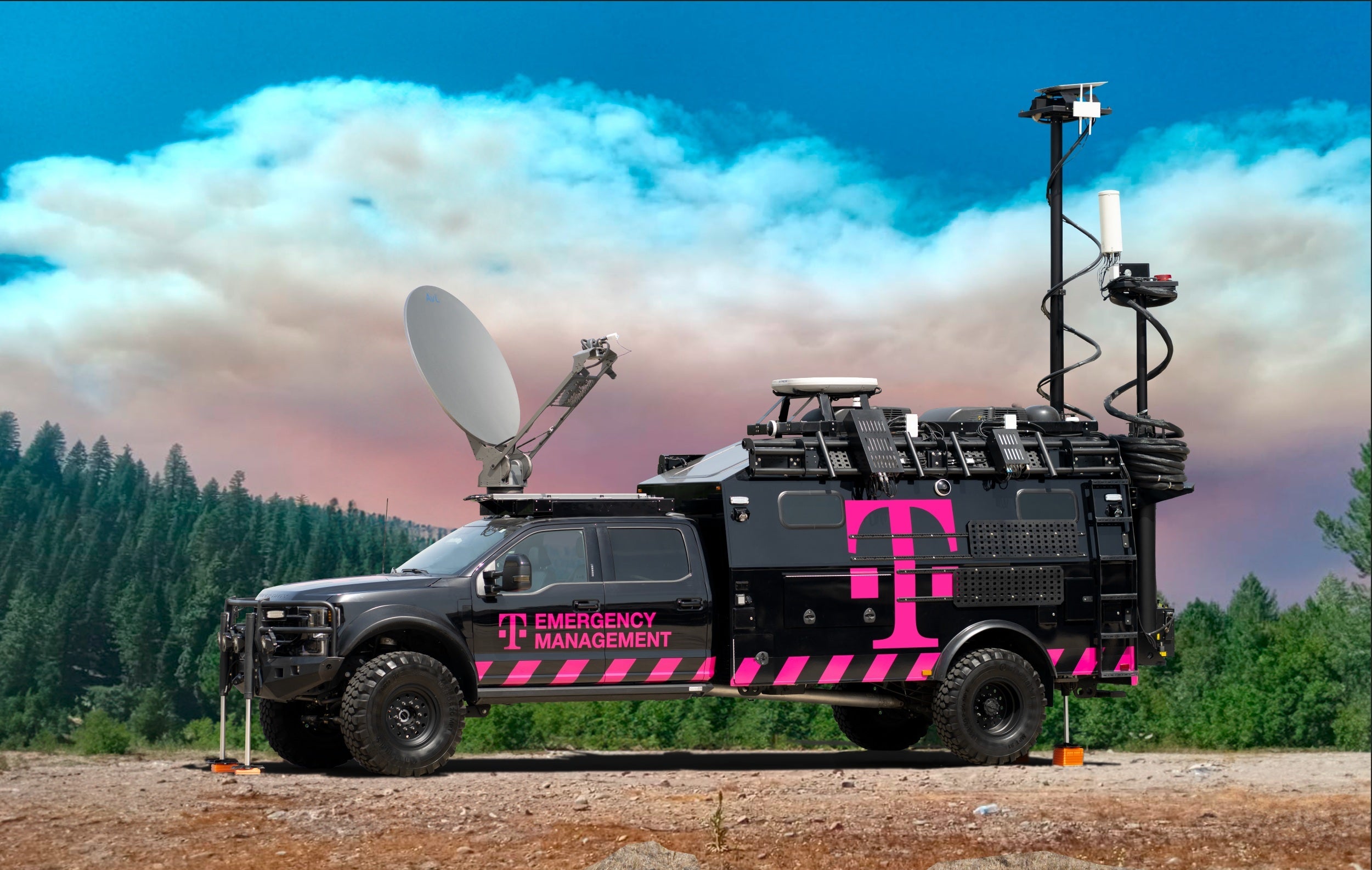
A T-Mobile SatCOLT is a mobile cell tower on a truck. | Image by T-Mobile
SatCOLTs and SatCOWs bring a T-Mobile cell tower to you
SatCOLTs use a built-in VSAT dish to connect to satellites to provide a 5-mile wide area of 5G service even if all ground fiber has been cut. Emergency cell service is provided in areas where the power is out or permanent damage to the infrastructure has been caused by the weather conditions. Since they are mounted on trucks, SatCOLTs are self-propelled. T-Mobile will also deploy SatCOWs (Satellite Cell on Wheels). Unlike the SatCOLTs, which have their own truck, SatCOWs are hooked up to a trailer, which is how they travel.
Back in the pre-iPhone days of 2005, I was living in South Florida when a Hurricane left me without power for a week. My cell service went down and even though I only had a feature phone at the time, not having my phone working made me feel isolated. To prevent its customers from feeling like that, T-Mobile brings into affected communities trucks and trailers with Wi-Fi connectivity and charging stations.
Is a snow storm approaching? Here are some tips from T-Mobile
These trucks and trailers will allow people living in the area to charge their phones. Depending on how long they've been without power, this is huge. With the Wi-Fi connectivity, users might be able to check their email and see what is happening in the world for the first time in days.
T-Mobile has some helpful tips for those in the path of the storm:
- Save important contacts and local emergency phone numbers.
- If it is hard to make phone calls, send text messages instead. This is good advice. Those with a compatible device can sign up for T-Satellite, which will let them stay connected if cell service is down.
- Those with a compatible phone can sign up for T-Mobile 911. This allows users to send text messages detailing an emergency to 911 if cell service is down.
- Activate Wireless Emergency Alerts (WEA) and use Wi-Fi calls when available. WEA 3.0 will send significant alerts with loud tones and vibrations to make sure that you read them.
Big snow storms are no fun. However, if you are a T-Mobile subscriber in South Dakota, Iowa, Minnesota, Wisconsin and Michigan, the carrier is trying to make it bearable.


Popular stories



Latest News



Things that are NOT allowed:
To help keep our community safe and free from spam, we apply temporary limits to newly created accounts: