Editorials · Readers Voice
T-Mobile customers blaming the carrier for a frustration it didn't cause
T-Mobile isn't responsible for recent turbulence.
This article may contain personal views and opinion from the author.
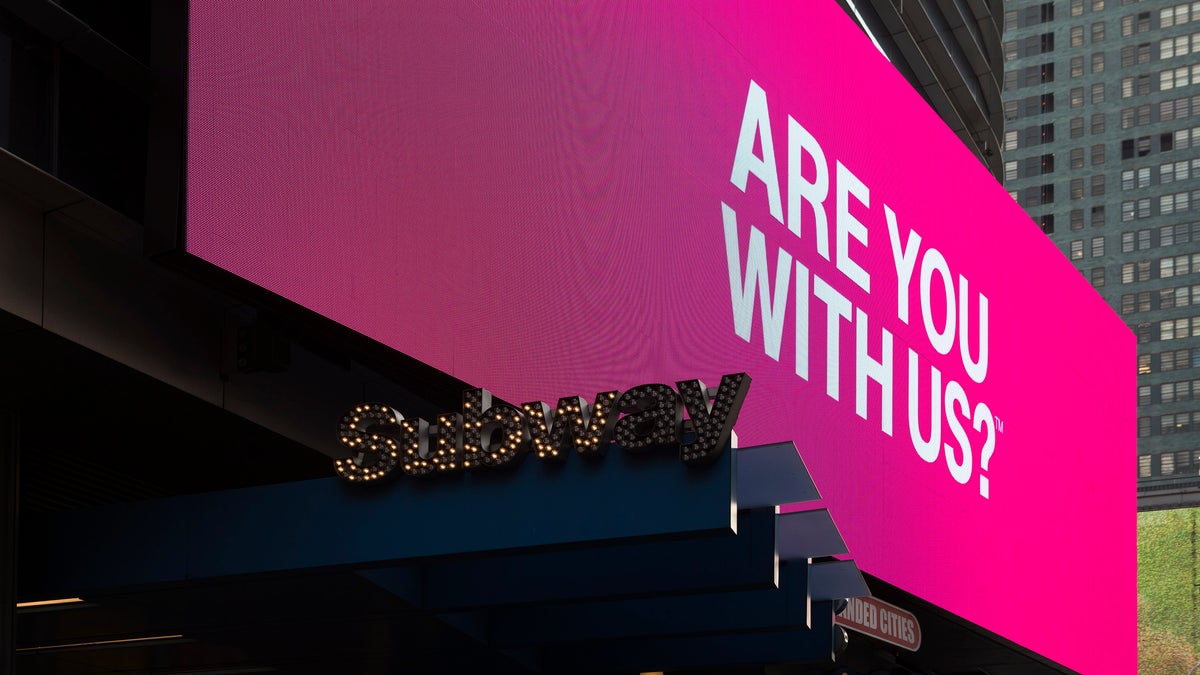
T-Mobile isn't always the bad guy. | Image by Matt van Leeuwen
While T-Mobile remains more affordable than AT&T and Verizon, the days of the company relentlessly spoiling its customers are fading. To be fair, not every vanished perk is the carrier's fault, but try telling that to a customer whom airlines now want to charge for internet.
For over a decade, T-Mobile has provided free internet on Wi-Fi-enabled airplanes. This ensured customers could continue communicating, working, and browsing even in the skies.
A few weeks back, T-Mobile began notifying customers that the service would soon be restricted to fewer airlines. We polled our readers on the change, and the results are heavily skewed toward one emotion.
Of the 444 survey participants, a staggering 331 (75%) were disappointed.
72 (16%) were indifferent to the change, while 41 (9%) acknowledged the presence of alternate options.
T-Mobile isn't to blame here. That's because American Airlines and United Airlines have terminated their partnerships with the carrier, instead inking new deals with AT&T and Starlink, respectively.
Delta, Alaska, Hawaiian, and Southwest flyers can continue to enjoy free Wi-Fi.
While the exact reasons these deals collapsed haven't been disclosed, customers are still pinning the blame on T-Mobile. They may be thinking that the carrier could have fought harder to keep the deals intact.
Wi-Fi will still be free for American Airlines T-Mobile customers who are enrolled in the AAdvantage loyalty program, courtesy of AT&T.
United Airlines' transition to Starlink will take require time to materialize. In the interim, customers will have to pay up to $10 for access.
In a statement to SimpleFlying, T-Mobile noted that the industry is shifting. Many airlines now offer free Wi-Fi through their own loyalty programs. The perk is usually available to customers of all wireless providers, foretelling the end of carrier-specific connectivity services.
Feeling low
Underwhelmed
Of the 444 survey participants, a staggering 331 (75%) were disappointed.
72 (16%) were indifferent to the change, while 41 (9%) acknowledged the presence of alternate options.
How do you feel about this change?
457 Votes
Disappointed.
73.96%
Most airlines offer alternative options.
9.41%
I don't care.
16.63%
Not T-Mobile's fault
T-Mobile isn't to blame here. That's because American Airlines and United Airlines have terminated their partnerships with the carrier, instead inking new deals with AT&T and Starlink, respectively.
Delta, Alaska, Hawaiian, and Southwest flyers can continue to enjoy free Wi-Fi.
Still stings
While the exact reasons these deals collapsed haven't been disclosed, customers are still pinning the blame on T-Mobile. They may be thinking that the carrier could have fought harder to keep the deals intact.
United Airlines' transition to Starlink will take require time to materialize. In the interim, customers will have to pay up to $10 for access.
Changing landscape
In a statement to SimpleFlying, T-Mobile noted that the industry is shifting. Many airlines now offer free Wi-Fi through their own loyalty programs. The perk is usually available to customers of all wireless providers, foretelling the end of carrier-specific connectivity services.
Over the past few years, the airline industry has evolved, with airlines expanding free Wi-Fi through their own loyalty programs. As a result, airlines are now offering sponsored in-flight connectivity directly to their members, regardless of wireless provider, and provider-specific services are winding down, including at American and United.
T-Mobile spokesperson, April 2026


Popular stories



Latest News


Things that are NOT allowed:
To help keep our community safe and free from spam, we apply temporary limits to newly created accounts: