You won't believe how Samsung intends to save production costs for the Galaxy Z Flip 8
Samsung, looking to save money on Galaxy Z Flip 8 costs, is following its game plan for the Galaxy S26.
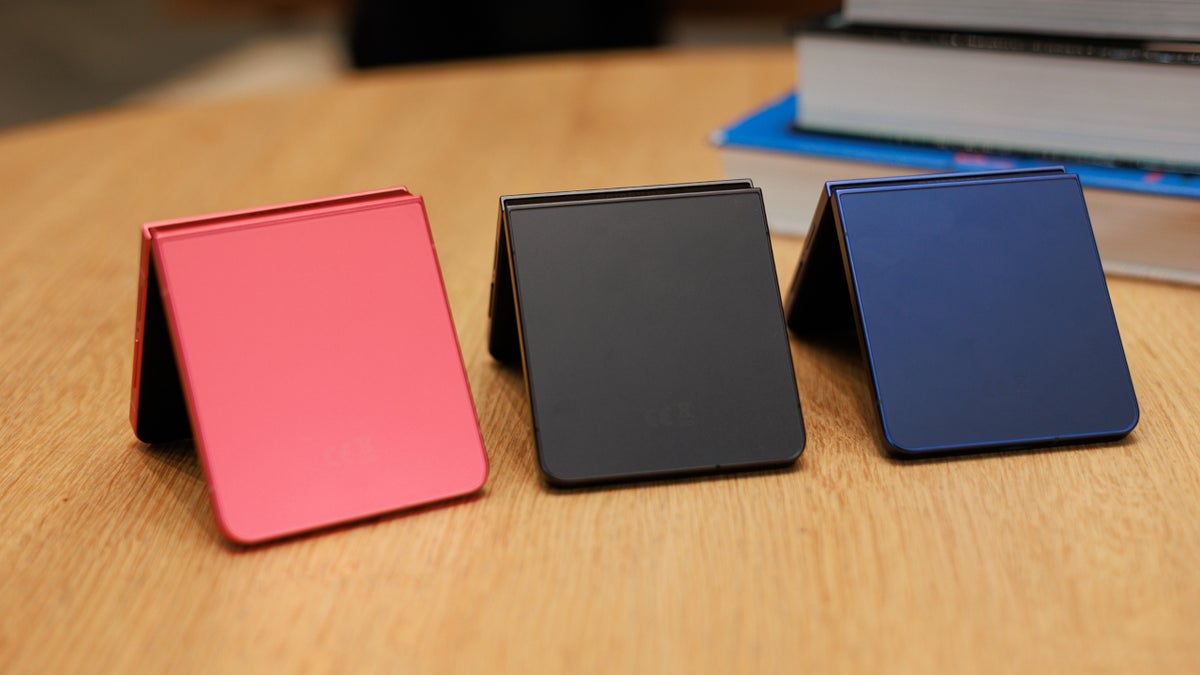
Galaxy Z Flip 8 might use Galaxy S26 strategy | Image by PhoneArena
Many of you know that Samsung usually employs a dual-chip strategy for its flagship Galaxy S series every year. In some markets, the base Galaxy S model, and the Galaxy S+ models are powered by Samsung's Exynos application processor (AP) and in other regions, these same phones are equipped with Qualcomm's latest flagship Snapdragon AP. The top-of-the-line Galaxy S Ultra model always gets the Snapdragon chipset.
Twice in recent memory Samsung had to abandon the dual-chip strategy for its flagship line
In 2023 and in 2025, Samsung powered the entire Galaxy S series, regardless of region, with the latest flagship Snapdragon AP. The first time, Samsung decided to skip production of the Exynos 2300 because of overheating issues experienced the previous year with the Exynos 2200 AP.
Last year, Samsung Foundry had issues with the 3nm process node and the Gate-All-Around transistor architecture and the foundry had poor yields. As a result, it could not produce enough Exynos 2500 SoCs to cover its needs. Having to use the Qualcomm's Snapdragon 8 Elite for the entire Galaxy S25 lineup instead of using the dual-chip strategy resulted in Samsung having to pay a reported $400 million in extra costs.
This year's Galaxy S26 series returned to using the dual-chip strategy
Samsung went back to the dual-chip strategy for this year's Galaxy S26 series. This plan was easier to put in motion after Samsung Foundry was able to churn out a powerful Exynos 2600 AP using its 2nm process node, adding a new heat sink to reduce overheating.
Which processor do you want on your Galaxy Z Flip 8?
62 Votes
Exynos 2600
19.35%
Snapdragon 8 Elite Gen 5
69.35%
MediaTek Dimensity 9500
6.45%
Somethng else
4.84%
According to tipster yeux1122, Samsung is now considering employing its dual-chips strategy for the upcoming Galaxy Z Flip 8. There is a twist (apropos for a foldable phone) as last year's Galaxy Z Flip 7 was powered by the Exynos 2500 AP. All previous versions of the clamshell before last year featured a Qualcomm Snapdragon AP.
Samsung "flips the script" by saving money using Qualcomm silicon on its 2026 clamshell
In the past, Samsung would save money by using its Exynos chips instead of the more expensive Snapdragon chip on certain Galaxy S phones made available in all global markets except for the U.S., Canada, and Japan. However, this year yeux1122 says that Samsung is using Snapdragon APs in some Galaxy Z Flip 8 phones to save money. How can this make sense?
It does because of an internal battle between two Samsung units. Samsung Mobile, the part of the company that builds the phones, is squabbling with Samsung LSI, the business segment responsible for the chips. The latter has aggressively raised the price per Exynos 2600 AP to $270 in part due to low yields and the high costs required to develop the chip.
The Exynos 2600 is a competitive AP. | Image by Samsung
On the other hand, Qualcomm has turned to using a "Christmas in July" attitude. Due to concerns about it losing business to a darn good and competitive Exynos 2600 chipset, Qualcomm lowered the price of the Snapdragon 8 Elite Gen 5 to $230 per unit. Remember, last year's Galaxy clamshell units were all powered by the Exynos 2500.
So as they say, this flips the script and Samsung will actually save money by powering the Galaxy Z Flip 8 using a dual-chip strategy. While it isn't clear which markets will get the Exynos AP and which will get the Snapdragon silicon, it is probably safe to assume that Sammy will follow its typical borders.
What to expect under the hood of the Galaxy Z Flip 8
That means to expect the Exynos 2600 to power the Galaxy Z Flip 8 everywhere except for the United States, Canada, Japan, and China. In those markets, the 2026 Galaxy clamshell would have the Snapdragon 8 Elite Gen 5 under the hood.
I seriously have to give Samsung Foundry a ton of credit here. It wasn't that long ago that the Exynos name brought to mind hot summer days in Miami, three-alarm fires, and that frozen dinner you accidentally microwaved for 2 hours (I could have mentioned the Galaxy Note 7 in the examples).
The Exynos 2600 AP actually became the first 2nm chip ever employed by a smartphone. That broke Apple's streak of being first to use a 7nm, 5nm, and 3nm AP on a smartphone. The Galaxy S26 and Galaxy S26+ were the historic models, as the Galaxy S26 Ultra was powered by the 3nm Snapdragon 8 Elite Gen 5 AP.


Popular stories


Latest News



Things that are NOT allowed:
To help keep our community safe and free from spam, we apply temporary limits to newly created accounts: