For a CEO, there's nothing worse than a missed opportunity to convert some of your competitor's audience and profit big time.
Samsung is missing the perfect chance to put pressure on the iPhone.
It's easy to say so from the outside. There are import costs, carrier relationships, marketing expenses, tariffs, exchange rates and a long list of reasons why phones don't cost the same in every country.
Still, when I look at Samsung's latest pricing, I can't help but feel like the company is leaving an opportunity on the table.
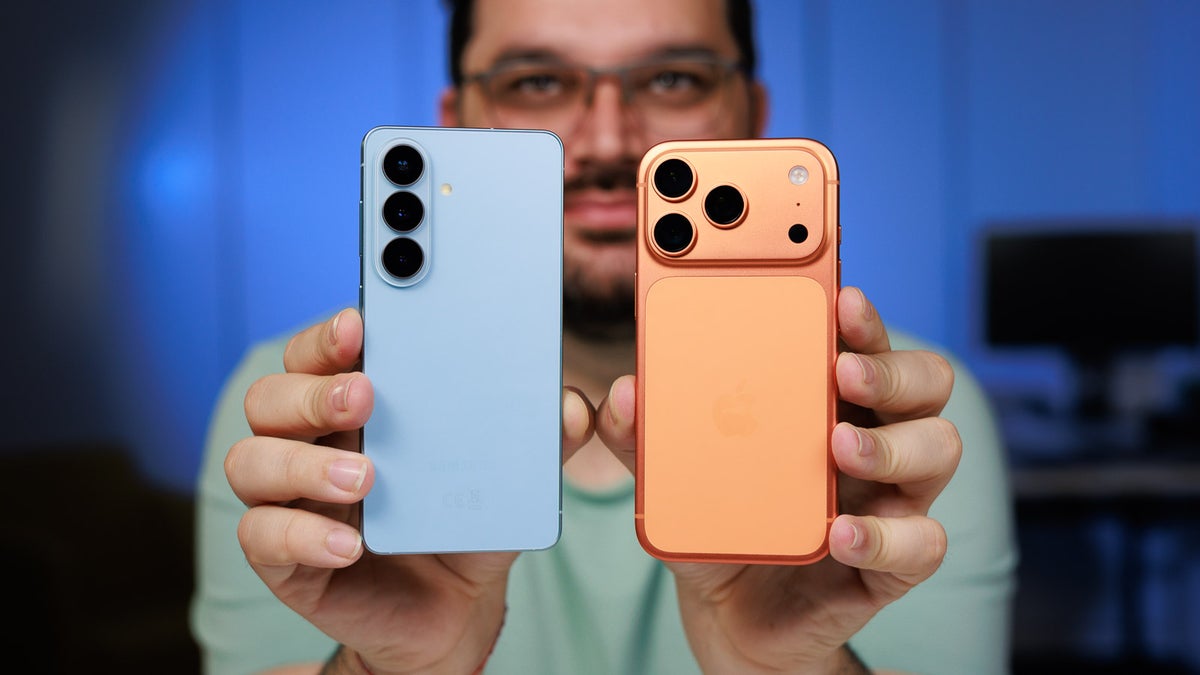
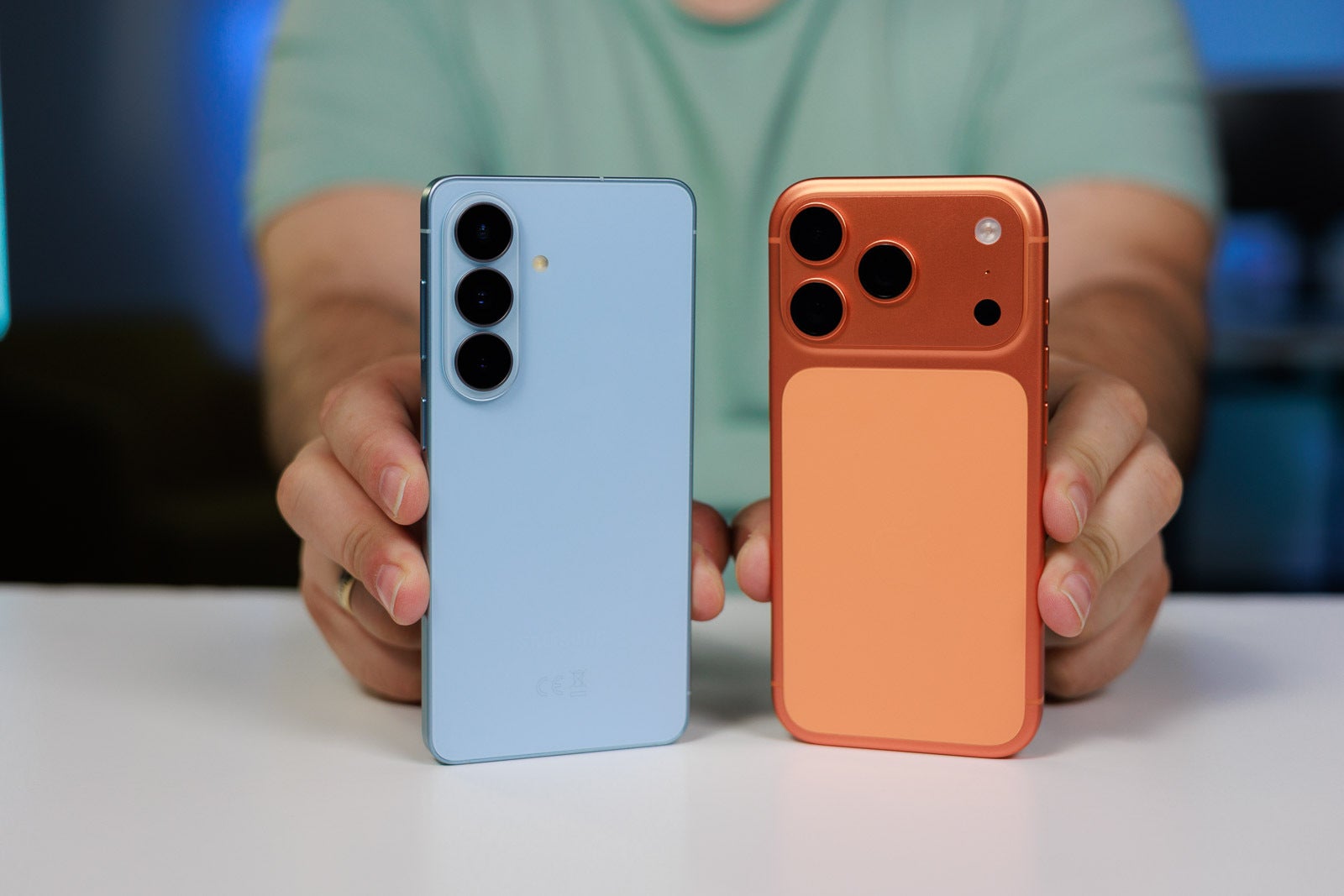
The new foldables by Sammy are a perfect example.
Let's talk about money
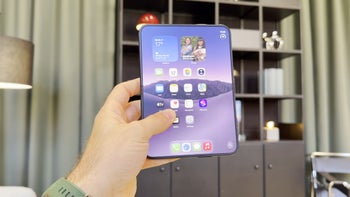
Can Samsung come up with a new pricing strategy? | Image by PhoneArena
So, as we now know, the Galaxy Z Fold 8 Ultra starts in South Korea at the equivalent of around $1,743. In the US, it's a dollar short of $2,100. That's about a 20.4% difference. The new, wider-than-taller Galaxy Z Fold 8 follows the same pattern, going from roughly $1,541 in its homeland to $1,899 in America, a 23.2% increase. In Europe, the difference is north of 40%, which is crazy, but the EU has a lot going on lately.
Device
South Korea price
US price
EU price
Galaxy Z Fold 8 Ultra
~$1,743
$2,099
(20.4% higher)
~$2,500
(43% higher)
Galaxy Z Fold 8
~$1,541
$1,899
(23.2% higher)
~$2,281
(48% higher)
Let's focus on the US versus Korean price differences, which… aren't that outrageous. In the real world, a company has to account for tariffs, distribution, marketing expenses, partnerships and other market-specific costs, so a roughly 20% premium isn't difficult to justify.
Recommended For You
But if Samsung truly wants to put pressure on Apple in its strongest market, maybe this is where it should think differently. Instead of accepting a 20%-plus gap, perhaps it should be aiming for something closer to 10%? Even if that means giving up a bit of margin in exchange for higher sales…
The US is where Samsung needs to win over iPhone users, after all. That is, if Samsung truly wants to compete with Cupertino in the US, not just call it a day.
The Apple mania
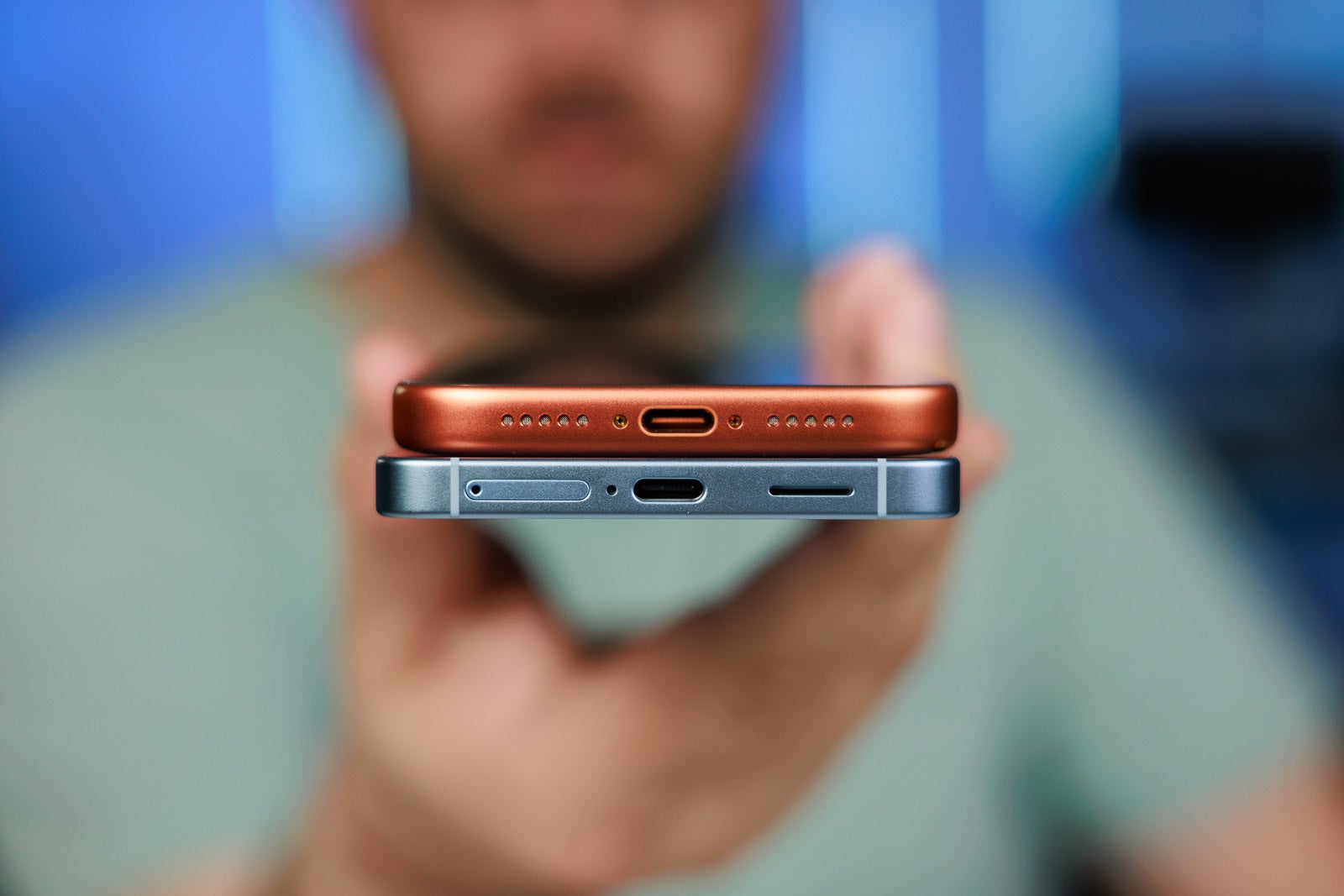
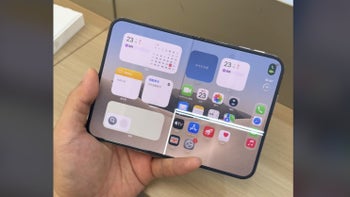
For most Americans, there isn't even a debate. | Image by PhoneArena
The US isn't like most smartphone markets. It's an iPhone market first and an Android market second. Apple has an ecosystem that's incredibly difficult to pull people away from. Most iPhone owners aren't waiting for Samsung to add another AI feature or shave another millimeter off a foldable (the Z Fold 8 Ultra went from a 4.2 mm thickness down to 4.1 mm).
Since people are mostly the same in all corners of the world, price is one of the few factors that consistently works.
The timing couldn't be better
OnePlus is gradually pulling away from the US market, removing one of Samsung's Android rivals. Google, meanwhile, is expected to raise prices again with the Pixel 11 series. If those rumors prove true, consumers looking for a premium Android phone will have even fewer attractive alternatives.
This feels like the moment when Samsung should be playing really safe with prices.
Instead, it seems to be moving in the opposite direction.
The company already raised the starting price of the Galaxy S26 by $100 while leaving the Galaxy S26 Ultra unchanged at $1,300. That's not a huge increase in the grand scheme of flagship pricing, but it's still another reminder that Android phones aren't escaping inflation any more than iPhones are.
And if rumors about the Galaxy S27 Ultra getting a price increase in 2027 end up being true, Samsung could soon find itself charging Apple-level money across most of its flagship lineup.
What now?
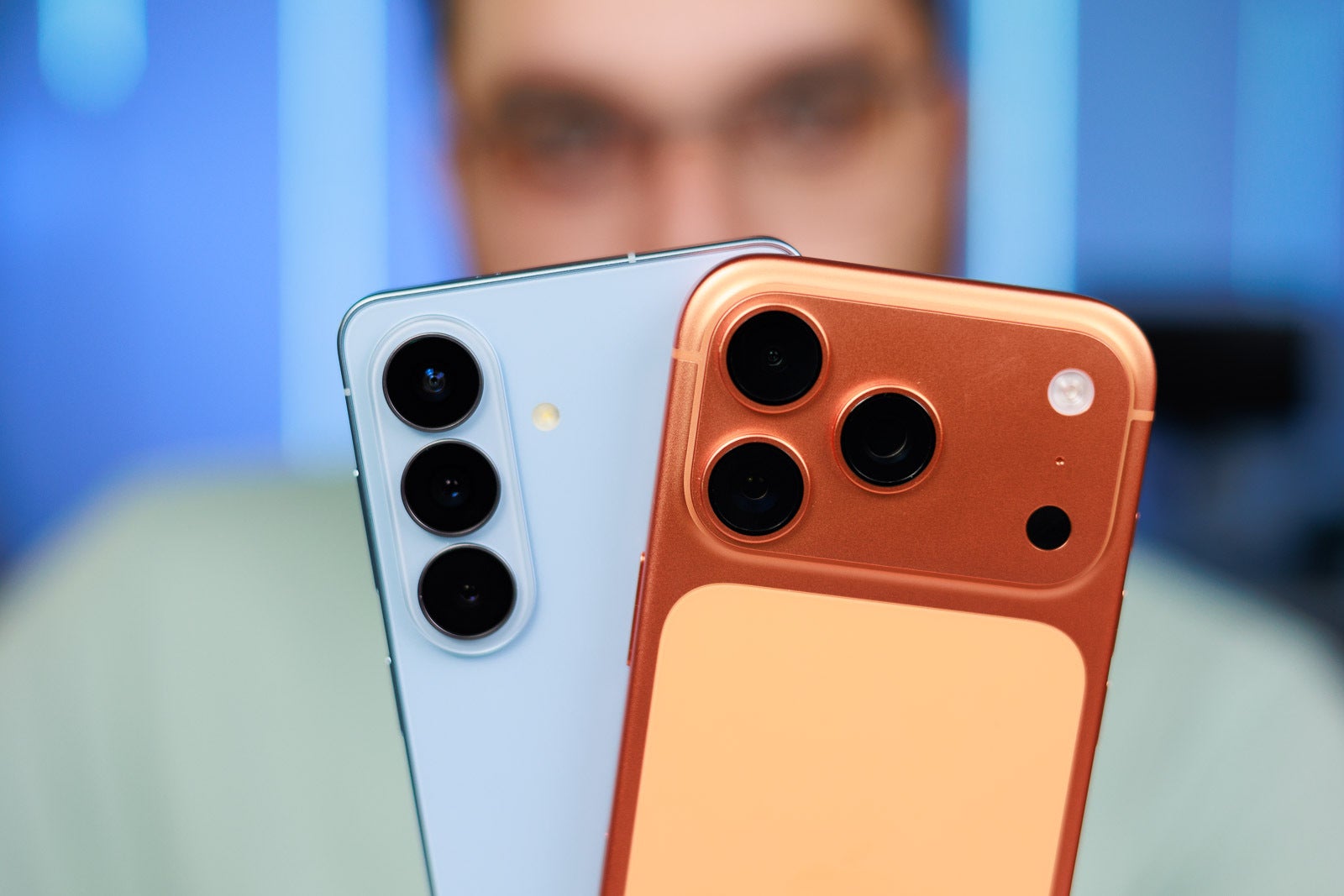
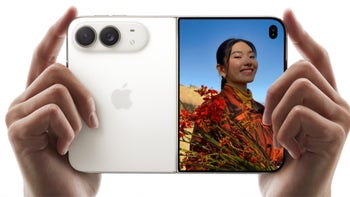
Samsung should try to do the unimaginable. | Image by PhoneArena
Samsung doesn't need to be the cheapest smartphone brand and it's ridiculous to expect cheap and cheerful flagships.
Apple has the advantage of extraordinary customer loyalty. Millions of people buy a new iPhone almost automatically every few years. Samsung doesn't enjoy that same level of lock-in in the US, even if it remains the biggest Android brand.
Imagine if Samsung had launched the Galaxy Z Fold 8 at $1,700 (or even $1,750) instead of $1,900. Imagine if the Ultra had stayed comfortably below the psychological $2,000 mark.
Would Samsung make less money on each phone? Most definitely, but with some clever strategy, it could end up selling enough additional units to make up for it.
But conversations around the phones would be very different. Instead of debating whether Samsung's foldables are becoming too expensive, people would be talking about how Apple is about to enter a market where Samsung already offers a better value.
Apple won't pull any price punches
Apple's first foldable iPhone is expected in roughly two months and just about everyone expects it to cost a small fortune. Samsung has years of experience in this category. It has the manufacturing scale, the software, the ecosystem, and the brand recognition.
If I were Samsung, I'd use one advantage Apple can't easily copy: a more aggressive price. I've got to be realistic and highlight that cheaper Samsung phones in 2027 are a pipe dream, but how about some frozen price tags? That doesn't sound that bad.
It's "interesting times" once again:
Pixel 11 series: price hikes are coming this August, but how bad will it get?
Worst iPhone 18 and iPhone 18 Pro news comes straight from CEO Tim Cook
Popular tipster predicts a massive price crash in 2027, will the iPhone 20 be cheaper?
Trade in your old phone for cash at ecoATM!
Recycle your used phone and get instant cash. Find out how at ecoATM!
Sebastian is one of PhoneArena’s senior opinionators. A veteran news writer with almost 20 years of experience in media and technology, he not only covers all the hot news about Galaxies and iPhones, but often provides hot takes on industry trends. He’s fascinated with camera-focused flagships from the likes of Oppo and Vivo, as well as foldable phones.
A discussion is a place, where people can voice their opinion, no matter if it
is positive, neutral or negative. However, when posting, one must stay true to the topic, and not just share some
random thoughts, which are not directly related to the matter.
Things that are NOT allowed:
Off-topic talk - you must stick to the subject of discussion
Offensive, hate speech - if you want to say something, say it politely
Spam/Advertisements - these posts are deleted
Multiple accounts - one person can have only one account
Impersonations and offensive nicknames - these accounts get banned
To help keep our community safe and free from spam, we apply temporary limits to newly created accounts:
New accounts created within the last 24 hours may experience restrictions on how frequently they can
post or comment.
These limits are in place as a precaution and will automatically lift.
Moderation is done by humans. We try to be as objective as possible and moderate with zero bias. If you think a
post should be moderated - please, report it.
Have a question about the rules or why you have been moderated/limited/banned? Please,
contact us.









Things that are NOT allowed:
To help keep our community safe and free from spam, we apply temporary limits to newly created accounts: