How long can I use my wireless gadget without having to reach out for the wired charger?
That's the quintessential question of the 21st century. Once upon a time, it was easy: you had a gadget and in order to use it, you just plugged it in. No fuss, no muss: no time limit.
Then came mobile electronics with the smartphone on top: the thing that combines it all for our convenience.
Among smartphones, there's a particular segment that gets all the attention. The 1%, if you will: flagships. They rule with the very best cameras, the brightest and biggest screens, the most advanced chipsets for unsurpassed performance and pack more terabytes of storage than Bill Gates could've dreamed of 25 years ago.
Flagships look fascinating on the outside, too: they are built with exquisite materials and you can easily tell a flagship from a "regular" smartphone even if you're living under a rock.
These premium devices used to have all the cards, including the battery advantage. That's changing and flagships are looking surprisingly modest in terms of sheer battery capacity compared to budget-friendly phones nowadays.
Context matters
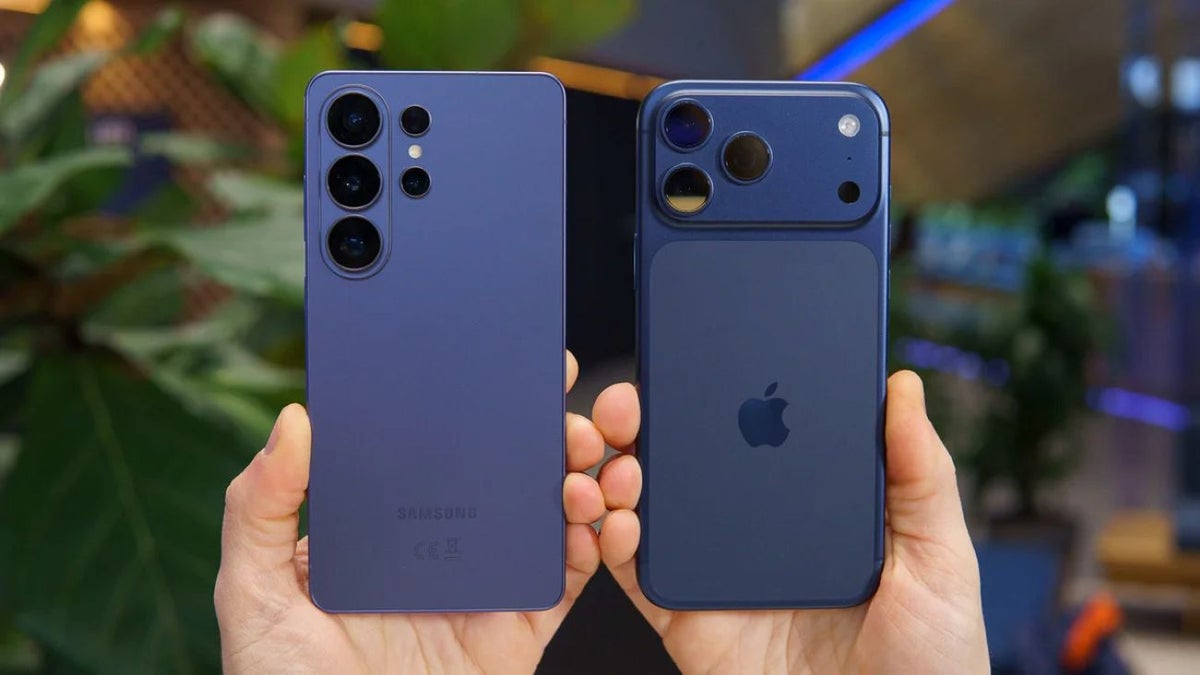
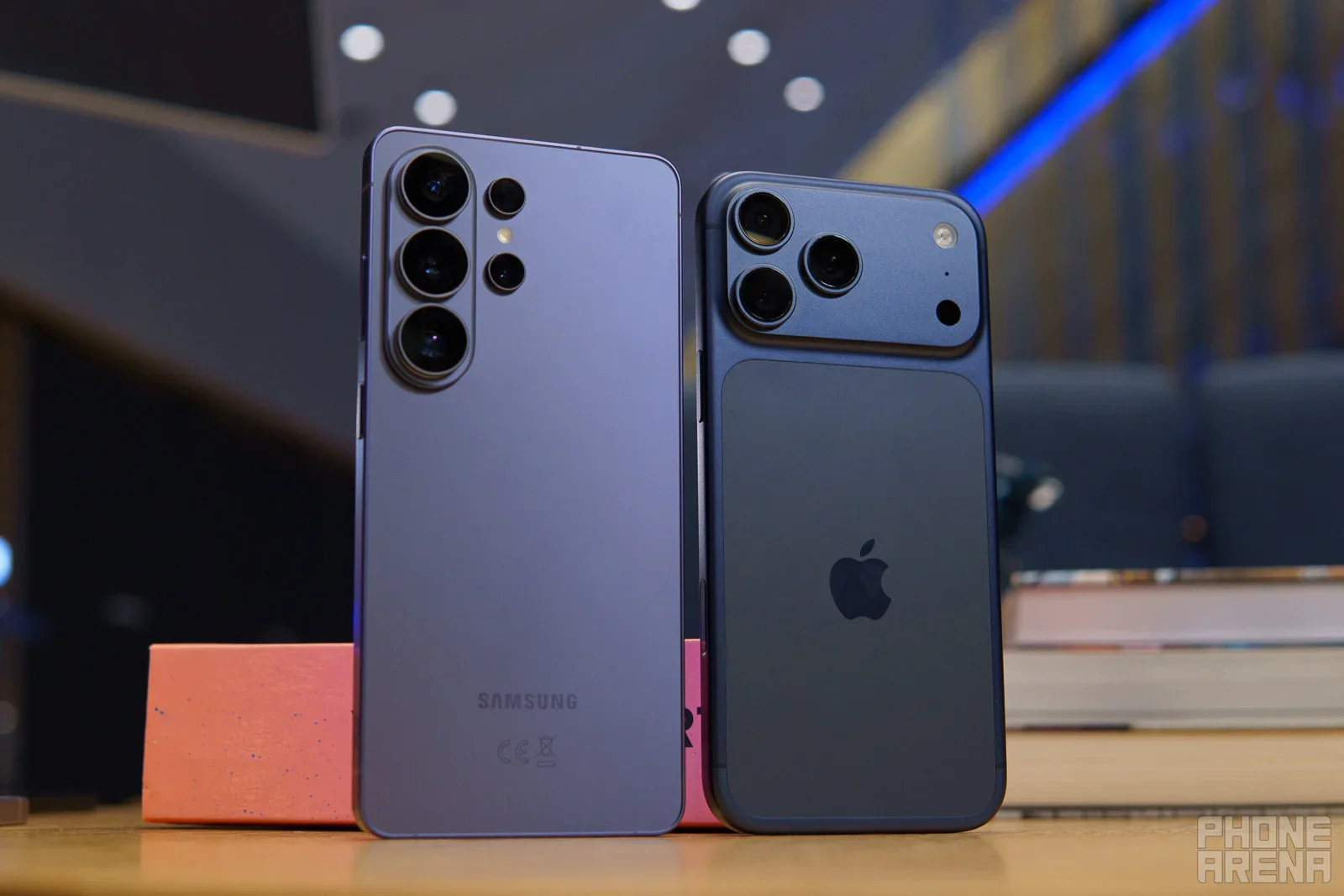
Serious flagships, but unimpressive battery capacities. | Image by PhoneArena
Let's go six years back in time to 2020, when the Galaxy S20 Ultra arrived and turned heads with its hardware. Chipset and display panel aside, it came with a solid 5,000 mAh battery on board.
Recommended For You
Many of its popular classmates couldn't touch it:
Galaxy S20 Ultra – 5,000 mAh
Galaxy S20 Plus – 4,500 mAh
Galaxy S20 – 4,000 mAh
iPhone 11 Pro Max – 3,969 mAh
OnePlus 8 Pro – 4,510 mAh
Xiaomi Mi 10 Pro – 4,500 mAh
Huawei P40 Pro – 4,200 mAh
Google Pixel 5 – 4,080 mAh
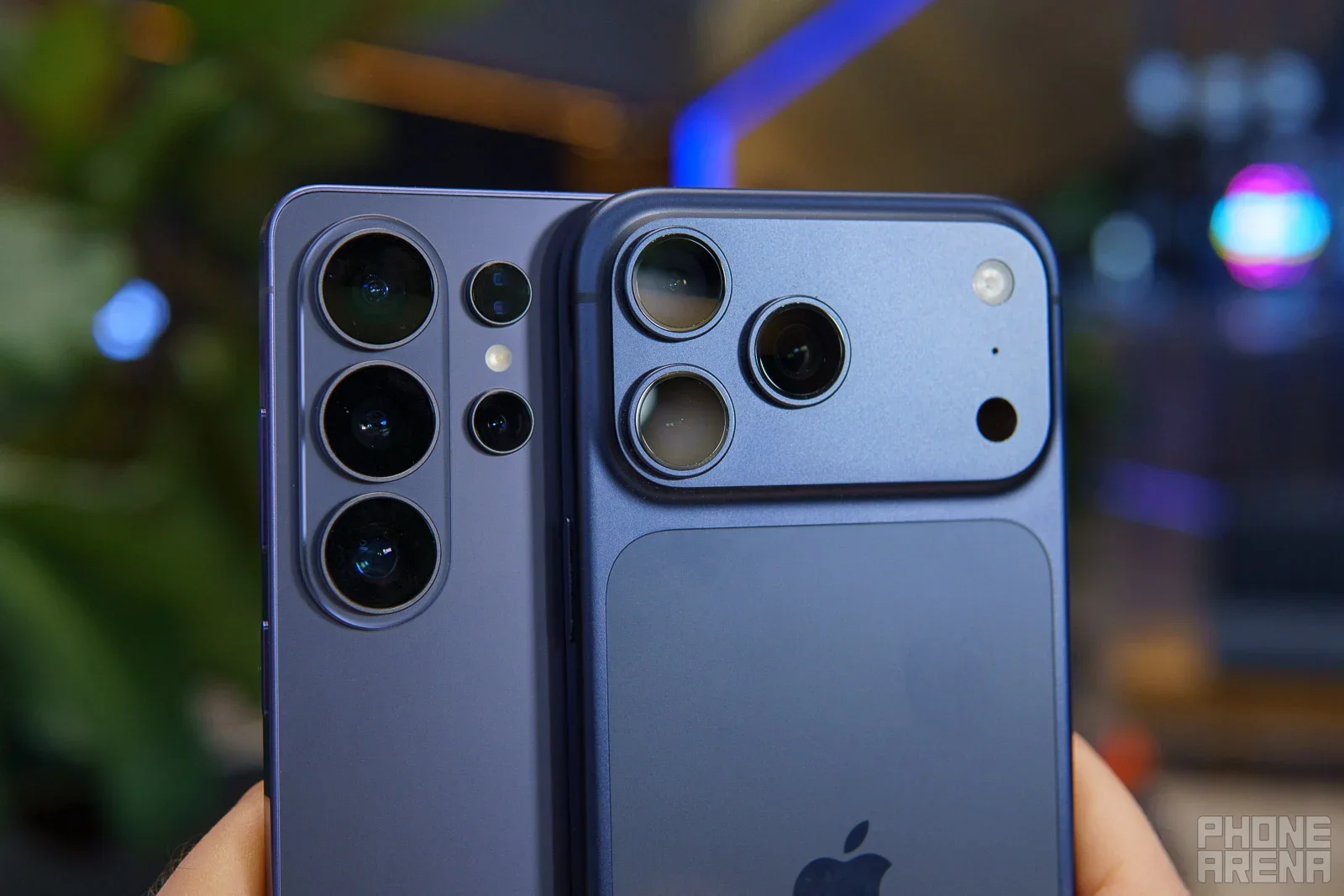
You'd expect that six years later Samsung would've moved on and would've kept the mAh advantage, right? After all, we're witnessing the technological revolution and things change extremely fast. While Samsung has made its Galaxy S26 Ultra insanely fast, durable, reliable and capable, it still comes with a 5,000 mAh cell.
True, both the display panel and the chipset are much more efficient and one can squeeze much more battery life out of the 5,000 mAh cell in 2026 than in 2020.
Apple is in the same boat, with the most recent iPhone 17 Pro Max getting a 4,832 mAh cell (5,088 mAh for the eSIM-only variant). Meanwhile, brands like OnePlus and Xiaomi (not to mention Vivo, Huawei, Honor and Oppo) are in the 8,000–10,000 mAh zone nowadays.
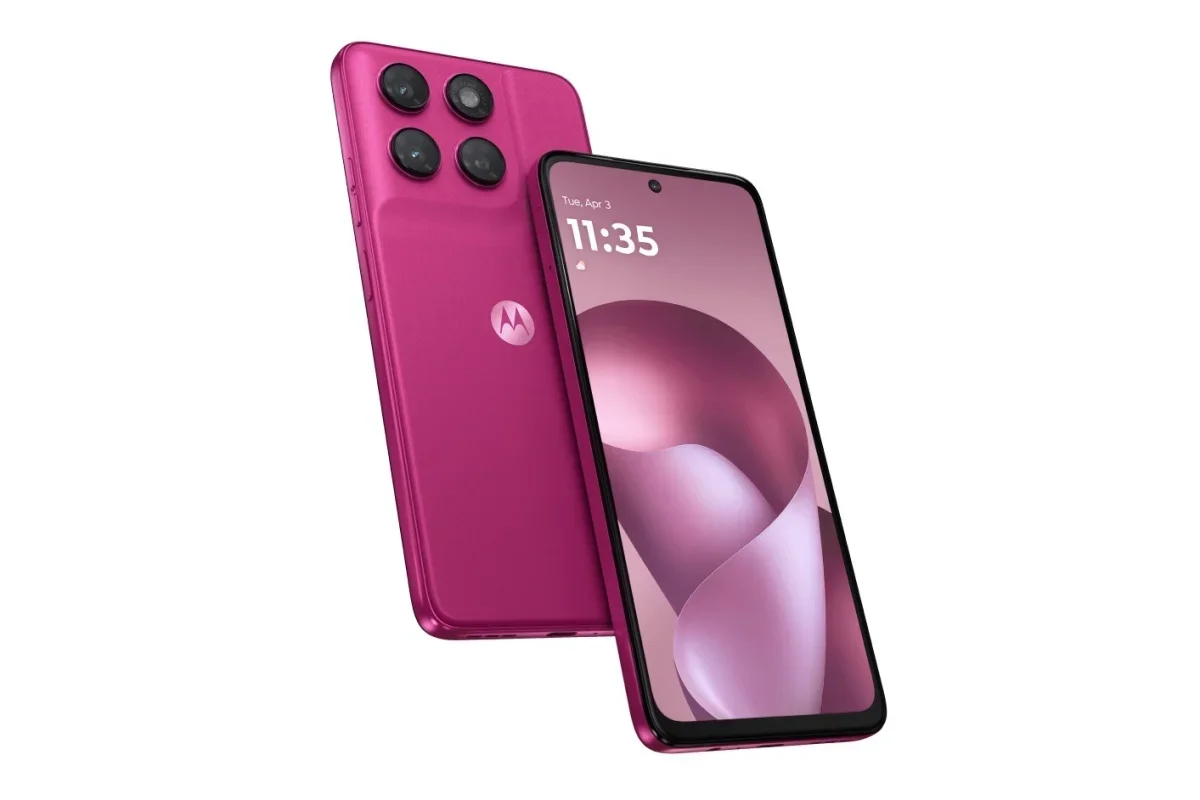
The Moto G77 Power looks great, too. | Image by Motorola
At roughly $270, Motorola's latest mid-ranger, the Moto G77 Power, isn't powerful enough (pun intended) to compete with the Galaxy S26 Ultra or the iPhone 17 Pro Max.
Its MediaTek Dimensity 6400 processor won't break benchmark records, and its cameras can't match the ones on your $1,300 flagship.
What it does offer is something many expensive flagships still don't: a 7,000 mAh battery.
It also throws in a surprisingly practical feature set that's becoming increasingly rare in premium phones. There's MIL-STD-810H durability, Corning Gorilla Glass 7i protecting the display, a 3.5 mm headphone jack, and a microSD card slot supporting up to 1 TB of additional storage.
For many people, that's enough.
Needs and wants
Serious flagships, but unimpressive battery capacities. | Image by PhoneArena
Not everyone needs AI-powered photo editing, 8K video recording or desktop-grade mobile processors. Plenty of users simply want a dependable phone that lasts as long as possible between charges. A device for messaging friends, making calls, browsing social media, watching YouTube, navigating with Maps and asking ChatGPT a question or two without constantly glancing at the battery percentage.
That's the kind of phone that can genuinely reduce battery anxiety.
This isn't an argument that a $270 phone is "better" than a flagship. It isn't. Premium phones still dominate in cameras, displays, performance, software support and overall refinement. They earn their premium price in many ways.
Oh, the irony
Six years ago, Samsung's Ultra phones were among the battery-capacity leaders. Today, the biggest names in the industry have largely settled around the same battery sizes while much of the Android world has moved on, thanks to newer silicon-carbon battery technology.
With OnePlus now pulling out of the US and EU smartphone markets, Samsung and Apple have one less aggressive rival pushing the envelope in those regions. Less competition rarely speeds up innovation, and for anyone hoping to see 7,000 or even 8,000 mAh batteries become standard in mainstream flagships, the wait may end up being longer than expected.
The mAh revolution is postponed! This, paired with the rumors about additional price hikes on upcoming flagships may get you asking: do I really need a flagship? Maybe a budget-friendly phone with a huge battery is the answer.
Mint Mobile's 6-month plans now cost $10/mo
$10
/mo
$35
$25 off (71%)
Mint Mobile is celebrating its 10-year anniversary with a special offer on its six-month subscription plans. For a limited time, you can get your preferred tier (6GB, 17GB, 23GB or unlimited) for just $10/mo. That saves you between 50% and 71% on the carrier's mobile plans, making it way easier to recommend.
Sebastian is one of PhoneArena’s senior opinionators. A veteran news writer with almost 20 years of experience in media and technology, he not only covers all the hot news about Galaxies and iPhones, but often provides hot takes on industry trends. He’s fascinated with camera-focused flagships from the likes of Oppo and Vivo, as well as foldable phones.
A discussion is a place, where people can voice their opinion, no matter if it
is positive, neutral or negative. However, when posting, one must stay true to the topic, and not just share some
random thoughts, which are not directly related to the matter.
Things that are NOT allowed:
Off-topic talk - you must stick to the subject of discussion
Offensive, hate speech - if you want to say something, say it politely
Spam/Advertisements - these posts are deleted
Multiple accounts - one person can have only one account
Impersonations and offensive nicknames - these accounts get banned
To help keep our community safe and free from spam, we apply temporary limits to newly created accounts:
New accounts created within the last 24 hours may experience restrictions on how frequently they can
post or comment.
These limits are in place as a precaution and will automatically lift.
Moderation is done by humans. We try to be as objective as possible and moderate with zero bias. If you think a
post should be moderated - please, report it.
Have a question about the rules or why you have been moderated/limited/banned? Please,
contact us.









Things that are NOT allowed:
To help keep our community safe and free from spam, we apply temporary limits to newly created accounts: